Russia-Ukraine War - News, Discussions & Updates

Status
Not open for further replies.
Ccp is the big winner of this war. There is a great wealth transfer from Russia to China.
Childish babbling )))
Key trading partners (by trade turnover):
ASEAN: Total trade turnover amounted to $982.3 billion, with Vietnam ($260.6 billion) and Malaysia ($212 billion) accounting for the largest share.
European Union: $785.8 billion, with Germany being the largest partner within the EU ($201.8 billion).
United States: $688.2 billion.
South Korea: $328 billion.
Japan: $308.2 billion.
Russia: $244.8 billion.
Taiwan: $293 billion.
 

War reporter Catalina Gómez Ángel, in an interview with Noticias Caracol, talks about what she witnessed while accompanying Colombian mercenaries fighting in the war in Ukraine during the filming of the documentary “Behind the War”​


To view this content we will need your consent to set third party cookies.
For more detailed information, see our cookies page.
 

RU POV: Pokrovsk situation according to AMK - AMK_Mapping_​


To view this content we will need your consent to set third party cookies.
For more detailed information, see our cookies page.
 
A collection of aritciles about Russian missile attacks and Ukrainian defences:


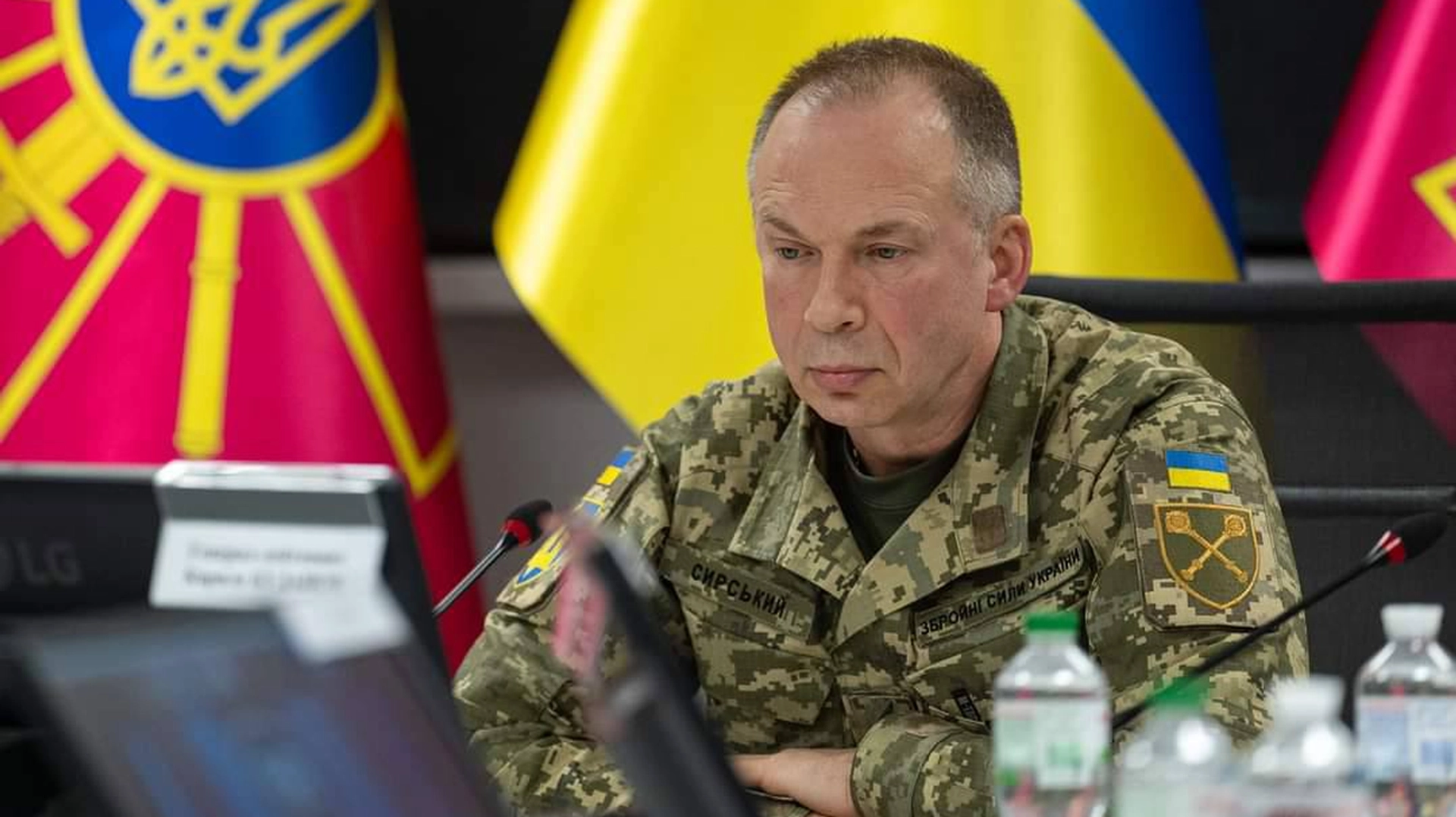
Oleksandr Kovalenko, a Ukrainian military and political observer of the Information Resistance group, journalist and blogger, says how many weapons Russia has used since the beginning of the full-scale invasion in 2022​

Kovalenko has shared his analysis in an article for the Obozrevatel media outlet.

At the Congress of Local and Regional Authorities, Commander-in-Chief of the Armed Forces of Ukraine Oleksandr Syrskyi for the first time announced data on how many weapons Russia has used since the beginning of the full-scale invasion in 2022 to strike military and civilian targets in Ukraine, as well as how many were intercepted. This information deserves special attention for analysis.

But before we start, let me remind you for clarity:

  • Kh47M2 Kinzhal aerial ballistic missiles - 28/111 (25.23% shooting down rate);
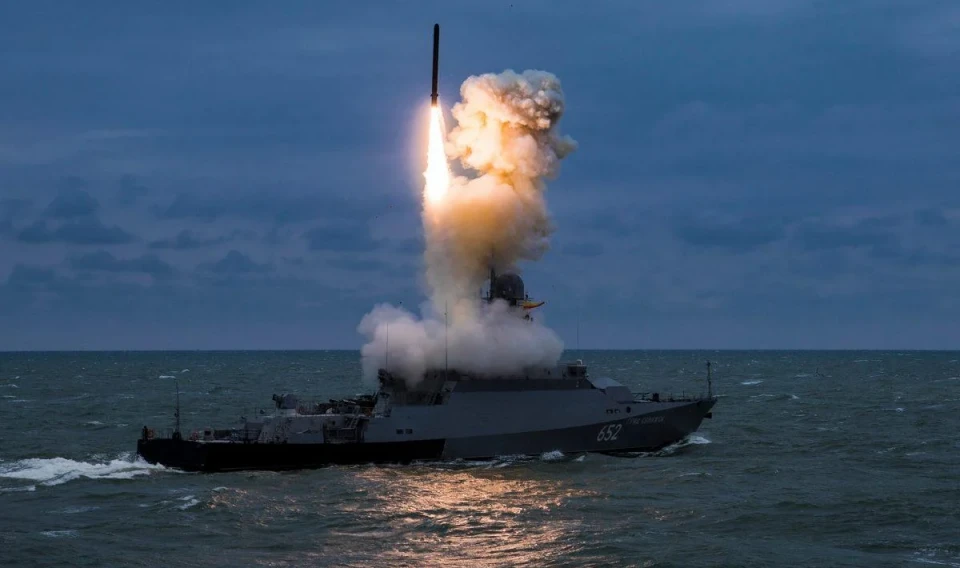
  • 3M14 Kalibr cruise missiles - 443/894 (49.55%);
  • Kh-101/555 cruise missiles - 1,441/1,846 (78.06%);
  • supersonic cruise missiles 3M55 Oniks - 12/211 (5.69%);
  • R-500 (9M728) Iskander-K cruise missiles - 76/202 (37.62%);
  • Kh-35 cruise missiles - 1/15 (6.67%);
  • supersonic cruise missiles Kh-22/32 - 2/362 (0.55%);
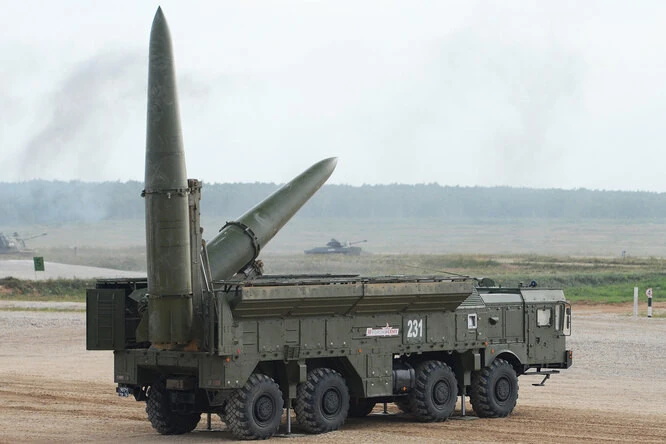
  • ballistic missiles 9M723 operational-tactical missile complex Iskander-M/KN-23 - 58/1300 (4.31%);
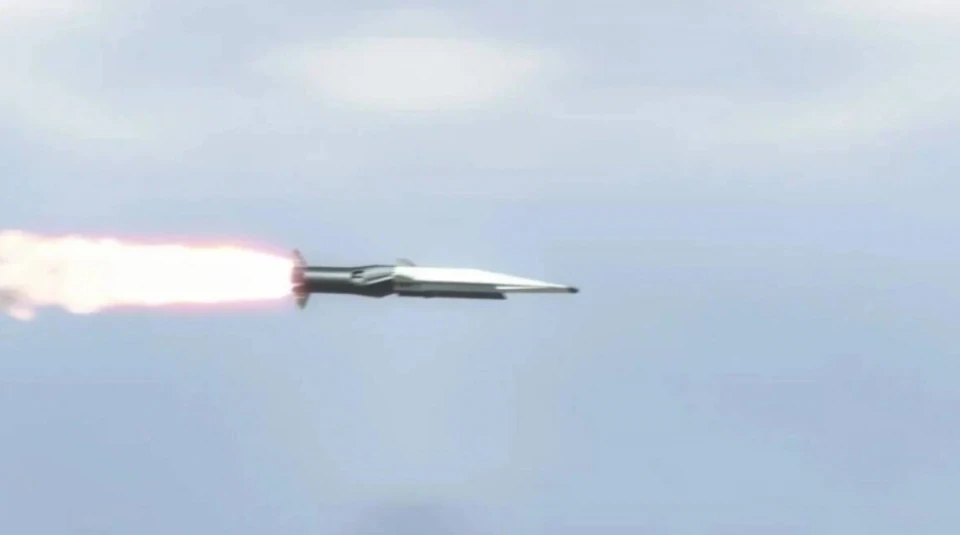
  • 3M22 Zircon hypersonic cruise missiles - 2/6 (33.33%);
  • Tochka-U ballistic missiles - 6/68 (8.82%);
  • Kh-25/29/31/35/58/59/69 guided air defense missiles - 343/1,547 (22.17%);
  • S-300/400 anti-aircraft guided missiles - 19/3,008 (0.63%);
  • other missiles - 0/57 (0.00%);
  • UAVs/UAVs Shahed-136/Lancet - 8,836/13,315 (66.36%);
  • Other UAVs - 438/682 (63.93%).
And now, to the conclusions.

Air defense effectiveness​

In the first year of the war, Ukraine's air defense demonstrated a high level of counteraction to the available means of destruction. However, such weapons as 9M723, Kh-47M2, Kh-22/32, and P-800 remained unavailable for interception for a long time, which Russia took advantage of. In the first days of the full-scale war, dozens of 9M723 missiles were launched at the territory of Ukraine, including from Belarus, and there was no way to intercept them.

230691_dc4b9eb058dece313ab3e1f6d889e503_ce_1800x960x0x8_cropped_666x444_new_960x380_0.webp


Starting in 2023, the situation began to level off due not only to the saturation of Ukraine's air defense with Western systems NASAMS and IRIS-T, but also with the emergence of such models as Patriot and SAMP/T. The destruction rates of 9M723, Kh-47M2, Kh-22/32, and the unique 3M22 Zircon began to change accordingly.

After the Russian command realized that their missiles were not invulnerable, and the interception rate was high enough, it redistributed the strike directions to the rear of Ukraine, where interception of 9M723, Kh-47M2, and Kh-22/32 remained impossible due to the lack of Patriot and SAMP/T SAMs protection.

However, compared to 2022, the effectiveness of the use of Russian missiles in the Russian army has decreased, while the quality of air defense countermeasures in the AFU has increased.

Nomenclature​

When analyzing the range of missiles used in Ukraine, I came across some interesting figures, namely, 1,846 Kh-101/555 and 894 3M14 Kalibr missiles were used as well as 1,547 Kh-25/29/31/35/ 58/59/69 guided missiles. That is, during the war, twice as many strategic cruise missiles were used as tactical ones. To put it mildly, this is a striking imbalance, and I note that there is no increase in the use of tactical missiles compared to 2022.

273845_1650545003-4288_copy_new_960x380_0.webp


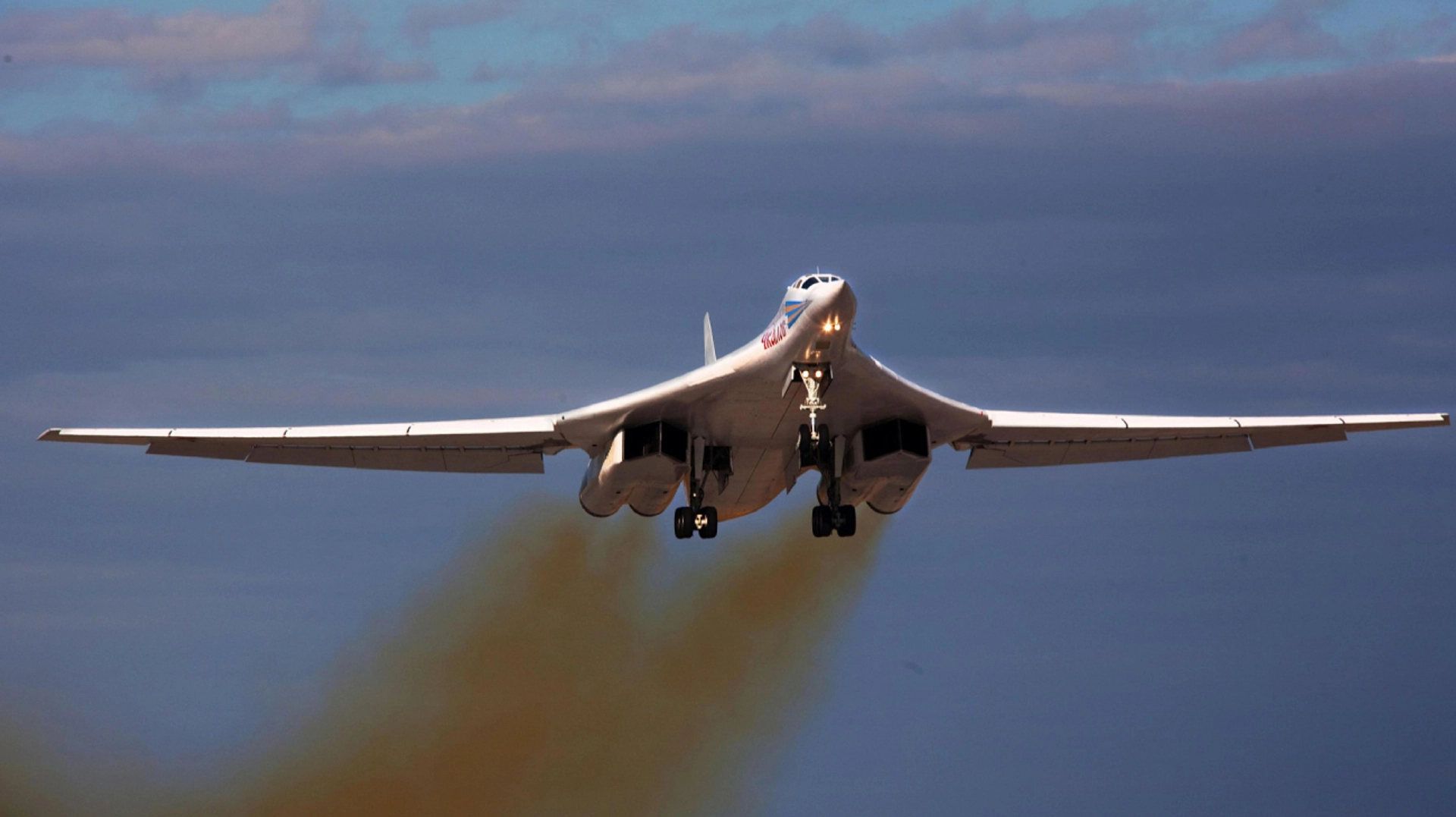
Another point is interesting. The use of 1,846 Kh-101/555 missiles is food for thought on the number of sorties. For example, if we calculate the maximum load of a Tu-95MS to be 8 Kh-101/555 missiles, it turns out that under such exceptional conditions 230 sorties were to be made. However, we know that most Tu-95MS sorties, especially in recent years, have involved the launch of 2-4, and sometimes even one, Kh-101/555 missiles. This intensity of use of Tu-95MS has worn out their service life, as has been repeatedly discussed.

In addition, it turned out that Russia did not have a large stockpile of missiles of this type, as expected. Currently, the aggressor is using Kh-101/555 missiles in Ukraine, which were produced after 2022. But the Soviet stockpile was completely exhausted - their number was insufficient even for a long war against Ukraine. Was the USSR better prepared for a war with NATO than Russia was for a war with Ukraine?

As for the 894 3M14 Kalibr missiles, let me remind you that the carriers of these sea-launched cruise missiles have 4-6-8 launchers. But even with the maximum number of 8 launchers, it is obvious that they are also experiencing serious wear and tear. Information about this emerged in the second half of 2023, and the extremely infrequent use of Kalibr confirms this fact. Almost all of them require either maintenance, repair, or complete replacement, but in the current environment, Russia simply cannot provide this.

Also, noteworthy is the high rate of use of S-300/400-3008 air defense systems. These missiles have become the main element of terror, primarily against the civilian population, as they are difficult to use with high accuracy. Given that in recent months we have seen reports of regular launches of S-300/400, we can say that the Russian occupation forces have reached the limit of the use of this component. If the Russian army does return to the practice of terror with the help of these SAMs, it will not be as massive as in 2022 or 2023. These will be very infrequent single strikes.

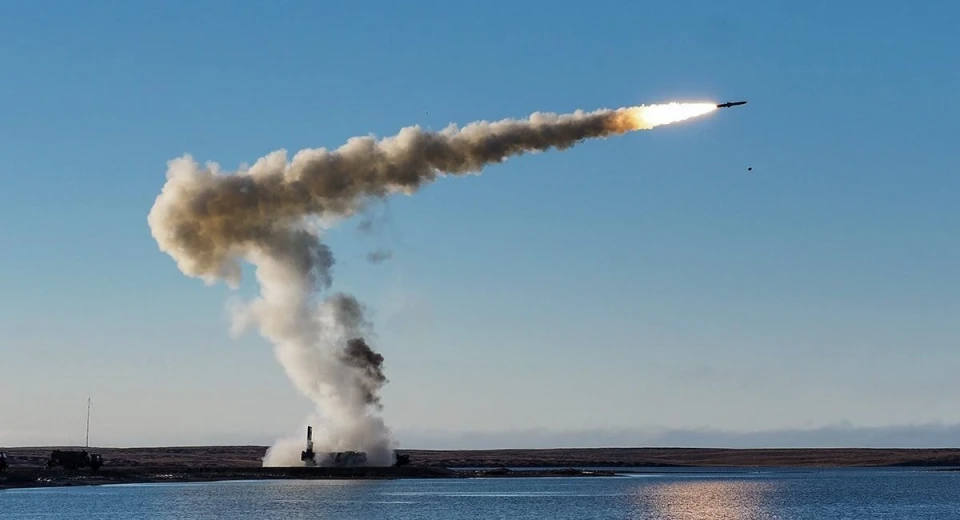
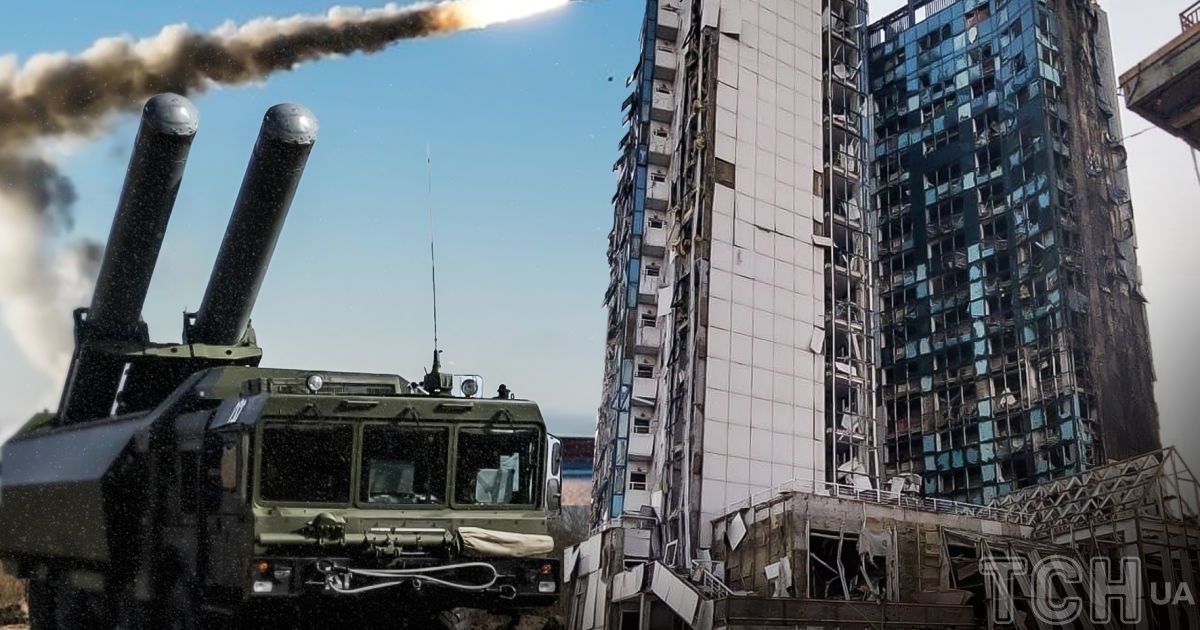
3M55 P-800 Oniks were used only 211 times, and mostly in the south, Odesa and Odesa region. The last time this missile was used in Odesa, if I'm not mistaken, was on the night of November 6, 2023. Then in March 2024, it became known that the missile was being modernized. But it doesn't interfere with the use of missiles from the complex, does it? So why not?

Launch of Oniks missile from Bastion coastal missile system


Photo: Defense Express

Kh-22/32 supersonic cruise missiles - 362. Let me remind you that, according to various sources, Russia inherited from the USSR between 500 and 1,000 of these missiles, but according to all available data, most of them were in poor condition. The missile itself is very difficult to store - in addition to being defective in all respects. That is why the Russian troops used the combat-ready part of the missiles in the first year of the full-scale war, and then left what was still available to be repaired and used at their own risk.
Obviously, today from the Kh-22/32 the Russian army has only what can be restored over a long period of time. But what is most interesting is that the Tu-22M3 aircraft as the main carrier of the Kh-22/32 loses its relevance in the absence of this missile.

There are 111 Kh-47M2 Kinzhal aeroballistic missiles. At the time of the full-scale invasion of Ukraine, Russia had about 40 of these missiles. That is, 71 missiles were produced and used during the war. But it is difficult to say how many were produced but not used. According to the available information, the production of Kh-47M2 Kinzhal missiles in the Russian Federation is currently at the level of one, maximum two missiles per week. That is, in almost 2.5 years, Russia had the opportunity to produce 130 to 260 Kinzhal missiles.

301702_ukrayinski-zaxysnyky-zbyly-hiperzvukovu-raketu-kyndzhal_large_new_960x380_0.webp


However, it is important to keep in mind that in 2022 the production of Kinzhals was far from the current figure, and it was one or two missiles per month, not per week, so the correlation is still downward.

Conclusions​

Ukraine has withstood Russia's most powerful attack. Moreover, the aggressor country quickly depleted its stockpile of missiles with minimal damage to Ukraine itself. It did not turn the entire territory of the country into an apocalyptic Stone Age landscape. At the same time, having failed to achieve a number of goals in the short term, Russia will never achieve them.

At present, Russia depends solely on what it produces, or what little it has left. Its main carriers, both air and sea-based missiles, have exhausted their useful life, and some (such as the Tu-22M3) are becoming irrelevant.

Russia, having a total advantage over Ukraine and, I would even say, dominance in terms of missile strikes, lost this war.

x -----------------------------------x

Russia has launched 2,437 cruise missiles since February 2022 – Ukraine's Air Force spokesperson​


Russian strategic aviation aircraft have fired 2,437 cruise missiles against Ukraine since the start of the Russian full-scale invasion of Ukraine in February 2022. The Ukrainian air defence forces have managed to shoot down 1,916 of them.

Source: Yurii Ihnat, Head of the Communications Department of the Ukrainian Air Force Command, in an interview with Ukrainska Pravda

Quote from Yurii Ihnat: "The enemy has been using strategic aircraft carriers (Tu-95 and Tu-160) since the first days of the full-scale invasion...

Based on the data I prepared specifically for Ukrainska Pravda, the enemy has used these carriers to launch 2,437 Kh-101, Kh-555 and Kh-55 cruise missiles against Ukraine since the beginning of the full-scale invasion. Of these, 1916 were shot down. This is the result of the truly effective work of air defence, of the entire defence forces, against cruise missiles. However, a significant number, about 500, reached their targets or were not shot down."

Details: Regarding the special operation codenamed Pavutyna (Spider's Web) of the Security Service of Ukraine (SSU) to destroy Russian strategic aircraft, Ihnat said the following: the SSU reported that more than 40 aircraft were damaged. These are various types of damage: there are completely burnt-out aircraft, some permanently damaged, and some damaged but can be repaired. For a long time, they (the damaged aircraft) will not be able to carry out their missions, namely, terrorist attacks on the territory of Ukraine.

Yurii Ihnat also stressed that Russia still has enough assets to strike and called for caution.

"Not all Russian strategic aviation aircraft were destroyed. That is why the defence forces and Air Force need to be extremely careful. And, of course, so must our citizens," Ihnat added.

Background:

  • On 1 June 2025, the Security Service of Ukraine carried out a special operation codenamed Pavutyna (Spider’s Web), which targeted strategic aircraft at four Russian airfields.
  • Vasyl Malik, Head of the SSU, said that in total, "34% of strategic cruise missile carriers at the main Russian airfields were hit".
  • The SSU officially reports that 41 Russian strategic aircraft, including A-50, Tu-95, Tu-22 M3 and Tu-160, were hit by FPV drones. The estimated cost of the damaged Russian strategic aircraft is over US$7 billion.
x -------------------x


Commander-in-Chief of Armed Forces reveals how many military facilities in Ukraine were hit by Russian missiles​


Oleksandr Syrskyi, the Commander-in-Chief of the Armed Forces of Ukraine, said that since 24 February 2022, Russian missiles and drones have hit 11,879 facilities in Ukraine. Most of them are civilian facilities (6,203), and the rest are military (5,676).

Source: Syrskyi, during his report at the Congress of Local and Regional Authorities, Defence Express reports

Details: The Commander-in-Chief also specified the number of missiles and drones the Russians used against Ukraine, and how many of them were shot down.

Syrskyi said that the Russians used 9,590 missiles and 13,997 drones to attack Ukraine, of which 2,429 missiles and 5,972 drones were shot down.

The efficiency rate of downing the Kalibr, Kh-555/101 and R-500 cruise missiles (the latter are launched from Iskander missile systems) was 67%. The efficiency of intercepting Kh-59s, Kh-35s, Kh-31s and similar air-to-surface missiles was 22%. The difference in the interception of these two similar types of targets is explained by the fact that guided missiles are usually launched by the Russians at line of contact or border areas where air defence systems cannot be deployed.

As for drones, Shahed-136s are combined with Lancets in the statistics, with a total of 13,315 launched and 8,836 downed, which amounts to 63%.

The Russian forces used a total of 1,388 ballistic missiles launched from Iskander and Tochka-U missile systems, as well as KN-23 ballistic missiles, of which only 4.5% were downed. Anti-aircraft missiles from the S-300 and S-400 air defence systems should be added to this part of statistics. They were fired 3,008 times, and only 0.63% out of these were destroyed. The Russians used these missiles to hit a total of 4,293 targets, of which 3,196 were civilian and 1,097 military.

Among the hostile missiles that are best downed with modern anti-air systems are the Kh-22s and Kh-32s, which are launched from Tu-22M3 bombers. A total of 362 of them were launched and 2 were shot down, or 0.55%. The Russians used 211 Onyx anti-ship missiles, of which 12 were shot down, which is 5.7%.

As for the hypersonic weapons, the Russians launched Kh-47M2 Kinzhal missiles 111 times, of which 28 were downed, i.e. 25%. These missiles were mostly targeted at civilian infrastructure, with only 15 military targets out of 83. The Zircon hypersonic missile was used only 6 times, shot down 2 times, and hit civilian targets 4 times.

x --------------------x
 
Some articles about the original Brahmos i.e. Onyx:


What to know about Russia’s Onyx missiles launched into southern Ukraine​


April 21, 2025, 09:15


Yakhont is an export version of the Onyx missile (Photo: missilery.info)


Yakhont is an export version of the Onyx missile (Photo: missilery.info)
Russia launched an Onyx anti-ship missile from occupied Crimea at Ukraine’s Kherson Oblast, marking the latest use of the weapon — typically designed for naval targets — against land-based sites following the so-called "Easter truce" on April 21.
Russia had approximately 500 Onyx missiles in its arsenal as of December 2024, according to Ukrainian intelligence.

Ukrainian Navy spokesperson Dmytro Pletenchuk highlighted that after an Onyx missile strike from Crimea on April 21, Russia had not launched these missiles at Ukraine in a considerable period of time.


Read also:
Oryx analysts: Russia could run out of combat vehicles in six months at current loss rate
Onyx missiles are particularly dangerous for Ukraine's southern coast, with experts warning that they pose a significant threat to civilian infrastructure and military targets in Oblast.

These high-speed, long-range missiles are capable of evading defenses, making them a serious concern for Ukrainian forces.


Launch of P-800 missiles from the Bastion coastal complex in occupied Crimea, March 2023 (Фото: Screenshot of the Russian Ministry of Defense / YouTube)

Launch of P-800 missiles from the Bastion coastal complex in occupied Crimea, March 2023 / Photo: Screenshot of the Russian Ministry of Defense / YouTube

Onyx Missile: Key Details and Capabilities

The P-800 Onyx (also known by its official index 3M55) was developed by the Soviet Union in the 1970s at the NPOMash Design Bureau. The missile was designed as a versatile cruise missile capable of being launched from surface ships, submarines, aircraft, and land-based platforms.

In service with the Russian Navy since 2002, the Onyx missile became operational with the Bastion coastal mobile system, which was finalized in 2015. The Russian military deployed these systems to the Black Sea Fleet, specifically for the defense of the occupied Crimea.


Read also:
Russian attack strikes Odesa Oblast with Onyx missiles, hitting agricultural facility
Primary Purpose and Features

The Onyx missile is primarily used for targeting and destroying enemy ships, including both individual vessels and those in a squadron, even in conditions of heavy electronic countermeasures. However, there have been no confirmed instances of the Onyx being used against naval targets. Instead, it has been deployed against coastal targets.

Key specifications of the P-800 Onyx missile include:

Length: 8 meters

Diameter: 0.67 meters

Wingspan: 1.7 meters

Weight: 3,000 kg

Warhead weight: 300 kg

Speed: Mach 2

Range: 300 km (modernized Onyx-M models extend the range to 800 km)

Military expert Benjamin Brimelow estimates the missile’s accuracy with a circular error probable (CEP) of about 1.5 meters, suggesting a high degree of precision.

The export version of the Onyx is known as Yakhont, with a slightly smaller warhead.

Launch Mechanism and Stealth Capabilities

The missile rises to an altitude of 14 km after launch, locks onto its target, then descends to near ground level (10–15 meters) to avoid radar detection. This maneuver enhances the missile's survivability against air defense systems while maintaining its maximum range of 300 km.


Read also:
Recalling the heyday of the iconic Odesa seaside hotel destroyed by a Russian Onyx rocket
Usage and Limitations

Although often touted by Russian propagandists as superior to Western missile systems, such as the U.S. Harpoon, the Onyx missile is not without limitations. It can be countered by modern air defense systems, including those supplied to Ukraine by Western partners. The missile has been successfully shot down in several instances, including over Odesa in 2022.

Despite this, Russian forces have used Onyx missiles in salvos, targeting cities like Mykolaiv and Odesa, as well as critical infrastructure such as ports and airfields. The frequency of Onyx strikes has decreased in recent months, which may indicate supply issues. In 2022, Russia reportedly signed a contract for just 30 Onyx missiles per year, with an estimated total annual production of only 55 units.

Can Ukraine Shoot Down the Onyx Missile?

Intercepting the Onyx missile is an incredibly challenging task for Ukraine. Yurii Ihnat, a spokesperson for Ukraine’s Air Force, has explained why these anti-ship missiles are particularly difficult to counter.


Реклама:


Read also:
Russian Onyx killed two in Odesa’s grain storage facility
Ihnat noted that the Onyx, launched from the Bastion coastal complex, is designed to evade defense systems. The missile follows a flight path that can vary based on the enemy’s programming, which adds complexity for interception. Initially, the missile travels at altitudes above 10 km and can cover up to 600 km. However, it then descends to a very low altitude (10–15 meters) just before impact, skimming the water’s surface, which makes it extremely hard to detect and intercept.

On top of this, the Onyx missile travels at supersonic speeds, further complicating any defense efforts. Ihnat emphasized that at such high speeds and low altitudes, it is virtually impossible to shoot down the missile in time.

Although Ukraine’s air defense systems, including IRIS-T, NASAMS, Buk, and S-300, have proven effective in many situations, they still cannot provide full coverage across the entire country. Ihnat explained that despite the success of Ukraine’s defense efforts, the country lacks the capability to completely protect all areas with medium-range defense systems. As a result, Russian forces are able to strategically plan strikes, taking advantage of these gaps in defense.

x -------------------------x
Russia hit Odesa with "Onyx": why these missiles cannot be shot down and where they can reach​

The missile reaches its target so quickly that there's no time to announce the alarm.

Share:FacebookXWhatsappTelegramViberCopy the link
Russia hit Odesa with “Onyx” missiles / Photo: TSN.ua

Russia hit Odesa with “Onyx” missiles / Photo: TSN.ua

The Russian army launched a missile attack on Odesa on the night of September 25, using “Onyx“ missiles. Yuriy Ignat, Spokesman of the Air Force of the Armed Forces of Ukraine, commenting on the Russian attack, said that it is almost impossible to shoot them down.


Military expert Oleh Zhdanov explained what you need to know about these missiles, why they are out of reach for air defense, their potential range, and how many of them are still in Russia.

What is the “Onyx” missile

Advertisement


Play Video


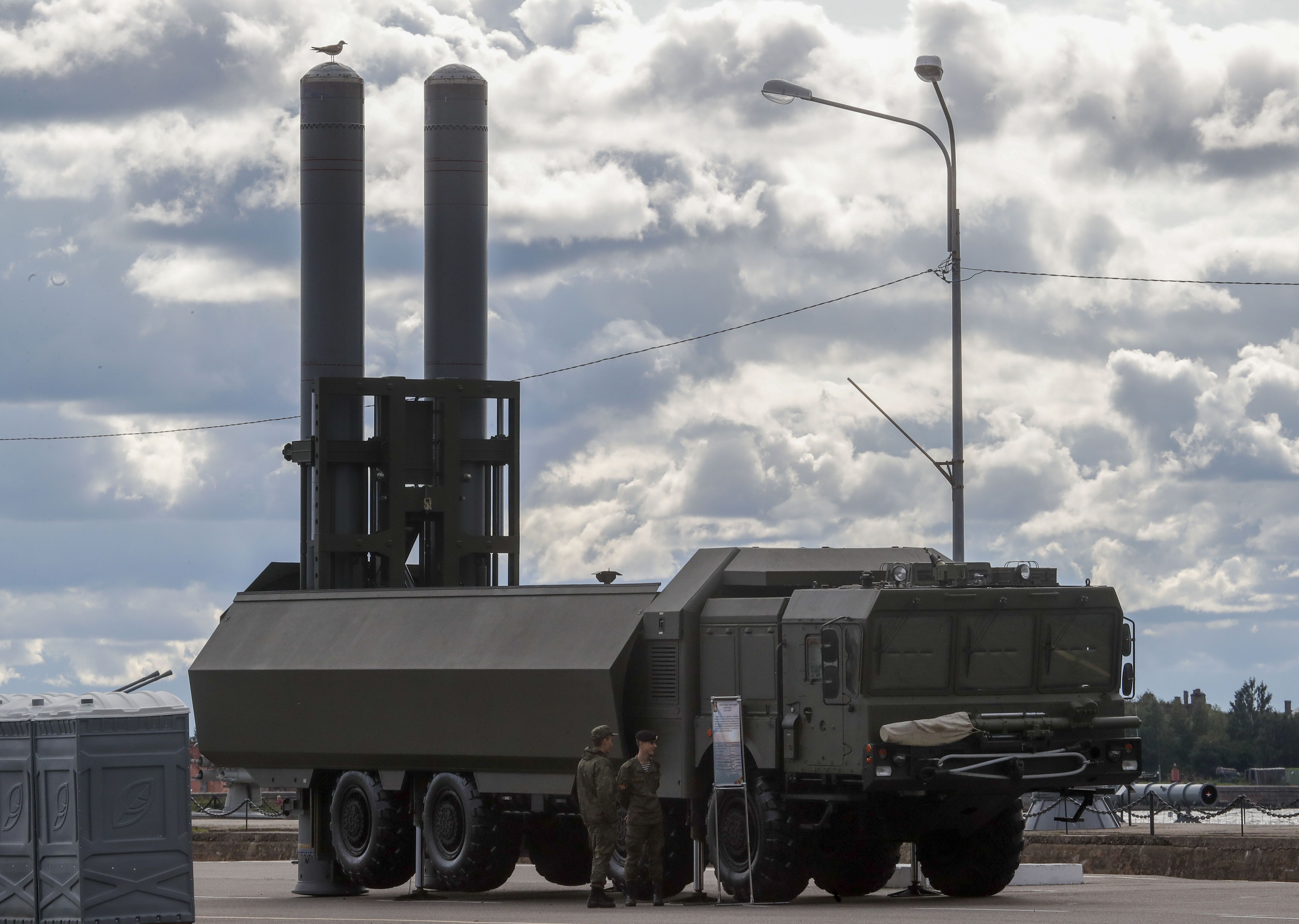
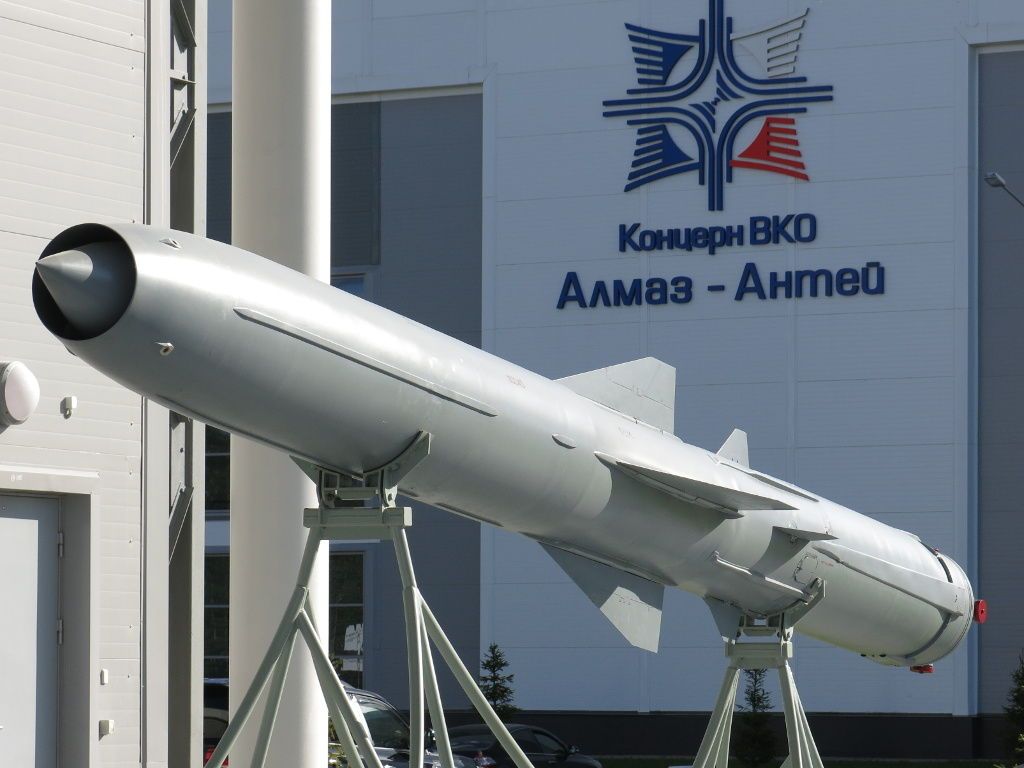
The "Onyx" missile, also known as the P-800, is a Russian supersonic anti-ship missile launched from the coastal “Bastion-P” missile system. This system has its origins in the Soviet era.

"They were initially developed for the destruction of surface targets. However, they have been improved, and today they can be used against land-based targets, i.e., targets located on land," explained Oleh Zhdanov.

The missile characteristics: range, speed, weight

The range of the “Onyx” missile is 600 kilometers, its main part weighs 300 kilograms, and its maximum speed is 884 meters per second.

"It can be compared to the “Kalibr” missile in practice. It's very powerful, with 300 kilograms of explosive, which is quite a lot. We are begging to be given a missile with such a warhead, I mean “ATACMS”, and they (the Russians) have almost every missile like that," says the military expert.

Is it possible to shoot down this missile

According to Oleh Zhdanov, it is very difficult to shoot down the Russian “Onyx” missile. Its main feature is that it is supersonic and flies over a short distance.

"On such a short distance at such a high speed, you can see it, but shooting it down is impossible. It takes just minutes for it to reach its maximum range," he explained.

The only systems that may attempt to intercept this missile are the “Patriot” system or the “SAMP/T” system, according to the military expert.

"But the missile needs to enter the zone of destruction of air defense systems. Only then might it be possible to intercept it," Oleh Zhdanov noted.

Where can the “Onyx” missile reach in Ukraine

The Russians launch the "Onyx" missiles from the occupied Crimea and they can reach Ukrainian cities within a range of 600 kilometers. This means they can cover the entire southern part of Ukraine.

Due to the missile's high speed, Ukrainian cities may not have enough time to activate air raid alerts before the missiles strike. Therefore, sometimes the alarms sound only after the explosions occur.

How many “Onyx” missiles Russia possess​

Russian Bastion-P
Russian "Bastion-P"

The Russians currently do not manufacture “Onyx” missiles, because they have large reserves.

"There are a lot of such missiles in Russia. They do not need to make them today, because they still have Soviet stocks. They are counted in hundreds," Oleh Zhdanov said.

When the Russians used "Onyx"​

Russian “Onyx” missile / Photo: commons.wikimedia.org

The military expert noted that the Russian army constantly attacks Ukraine with “Onyx” missiles. The first cases were at the beginning of the full-scale invasion of the Russian Federation. So, on April 30, 2022, the occupiers used “Bastion-P” to shell the Odesa airport.

“They had breaks lasting for several months, but they periodically employ this coastal missile system specifically for shelling the south of our country," says Oleh Zhdanov.


x--------------x
 
Russian inproduction missiles:

Exclusive: Russia’s ballistic missile production up at least 66% over past year, according to Ukrainian intel figures​

by Kollen Post
June 3, 2025 4:43 PM3 min read

Russia's production of ballistic missiles has increased by at least 66% over the past year, according to data from Ukraine's military intelligence (HUR) shared with the Kyiv Independent.

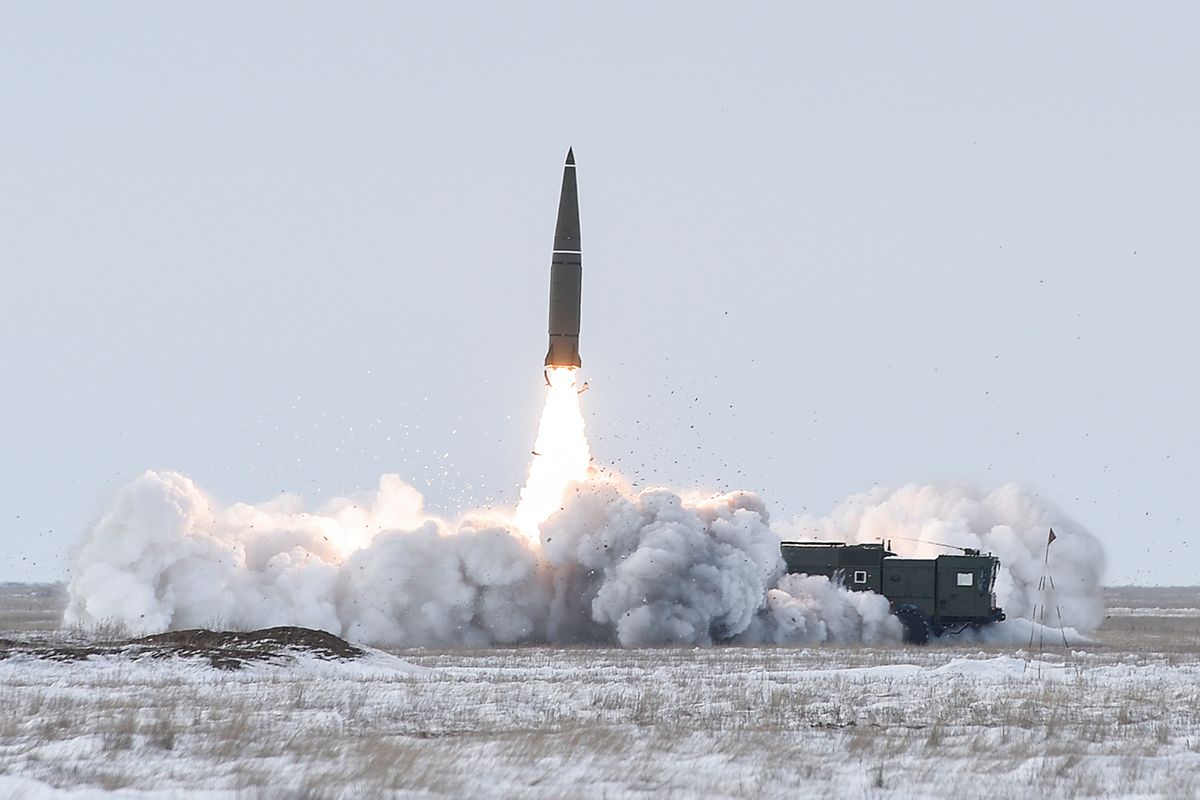
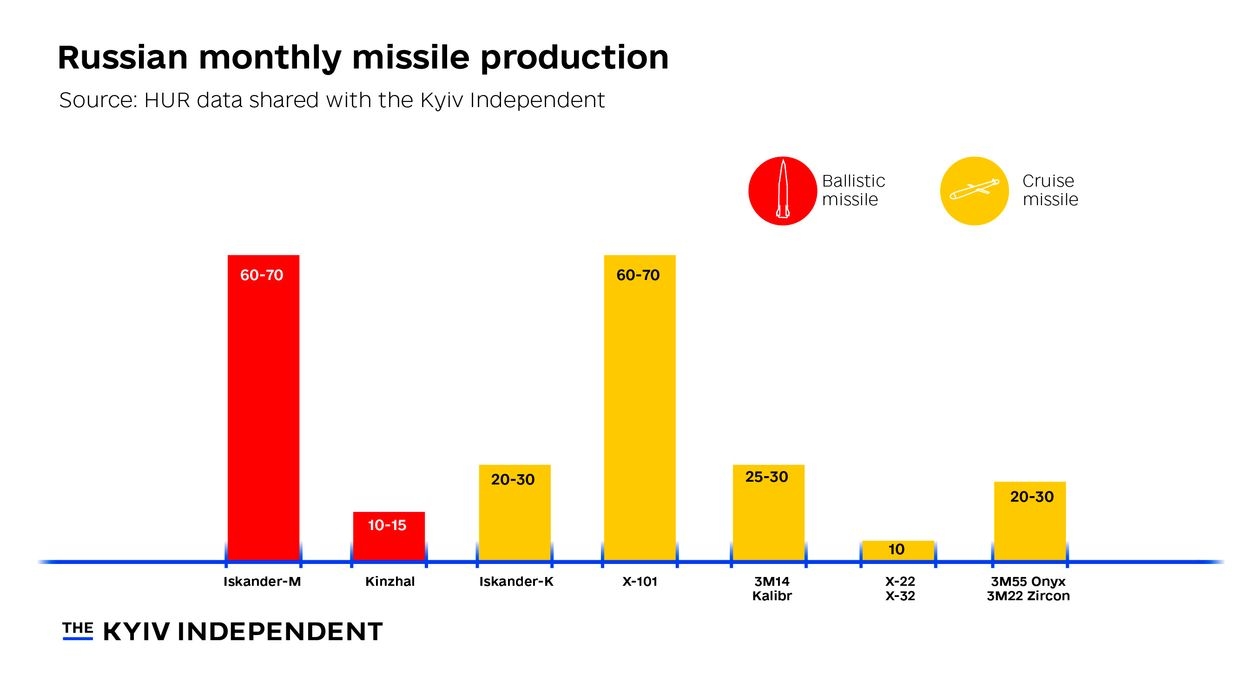
According to data obtained by HUR, Moscow is now producing 60 to 70 Iskander-M — the ballistic version of the missile — and 10 to 15 hypersonic Kinzhals per month.

This compares to a reported 40 Iskander-Ms in May 2024, and a reported 4–5 Kinzhals in April 2024.

At the lower range, this is an increase in production of 66.67%. At the higher range, 88.89%.

Article image
Russian monthly missile production (Nizar al-Rifai/The Kyiv Independent)
Ballistic attacks on Ukraine have become more deadly in recent months as stockpiles of air defense missiles, particularly for U.S.-made Patriots, have dwindled.

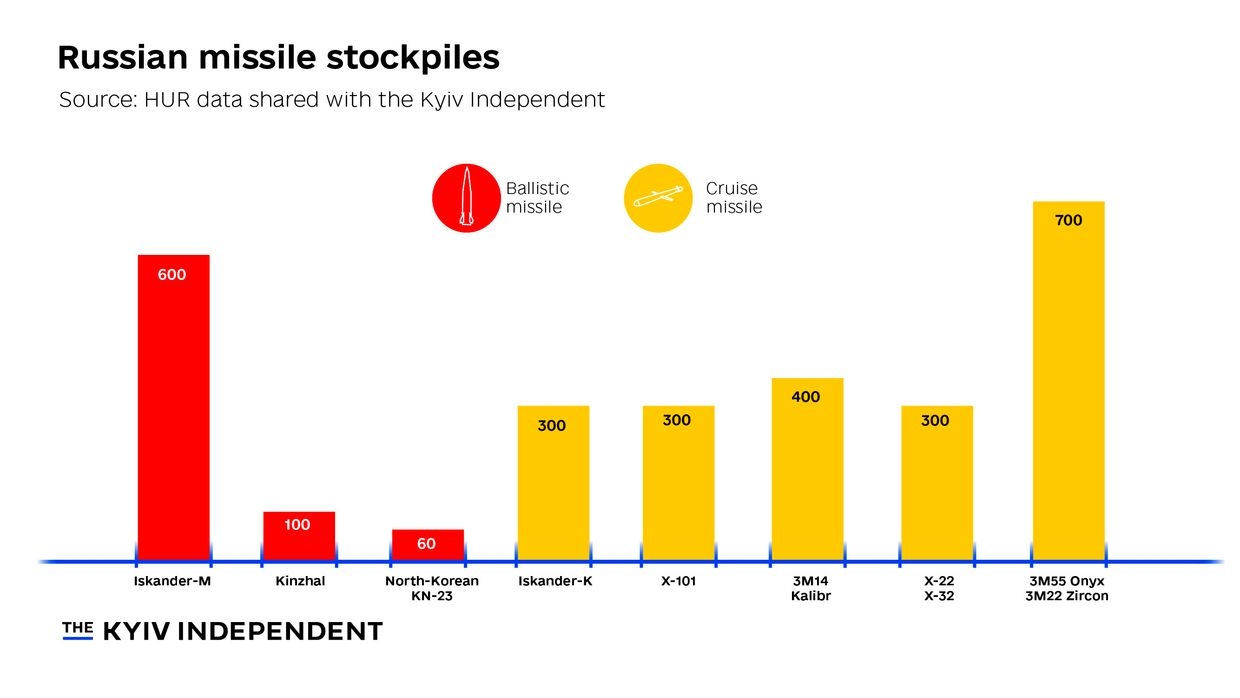
The figures shared with the Kyiv Independent show Russian stockpiles of "almost 600 Iskander-Ms" and "over 100" Kinzhals.

At the end of 2022, Military Intelligence Chief Kyrylo Budanov claimed Russia was almost out of Iskander ballistic missiles. By December 2024, HUR spokesperson Andriy Yusov noted that Russia had increased production to somewhere between 40 and 50 Iskander missiles per month.

Russia’s expanded production is a cause for alarm in Ukraine.


If HUR's figures are correct, Russia’s production of ballistic missiles today outnumbers total production of PAC-3 MSE missiles for Patriot air defense systems, the preferred anti-ballistic defenses for much of Europe, which Lockheed Martin hopes to boost to 650 per year by 2027.

Other Western systems like the SAMP/T and IRIS-T have not proved effective against ballistic missiles.

Russia has moreover reportedly outfitted the newest Iskanders with radar decoys and less predictable flight paths, making them harder to shoot down even with Patriot systems.

Article image
Russian missile stockpiles (Nizar al-Rifai/The Kyiv Independent)
Ukraine’s military intelligence has also estimated that Russia is holding a stockpile of 60 North Korean KN-23s. These missiles are similar to the Iskander-Ms, but carry a one-ton warhead, more powerful than their Russian equivalents.

The figures shared with the Kyiv Independent further show that total production for cruise missiles has also continued to grow.

Russia can produce 20 to 30 Iskander-Ks, 60 to 70 X-101s, 25 to 30 Kalibrs, up to 10 X-32s and 20-30 Onyx and Zircon anti-ship missiles.

A massive Ukrainian attack on Russian airfields on June 1 may have restricted Russia’s ability to launch several of these cruise missiles.

Tu-95M3s often carry Kh-55/Kh-555 or the newer Kh-101 and Kh-102 air-launched cruise missiles. The Tu-22 carries the Kh-22 missiles.Both of these types of aircraft are among those reported to have been damaged in Ukraine's Operation Spiderweb.

During wartime, Ukraine has also built out its production of its own cruise and ballistic missiles.

But large-scale production of types of missiles depend on major industrial zones that often fall victim to Russian air strikes — particularly when limited air defenses are being rationed.
 
The Kalibr production number must be completely wrong.

Before the start of the war, according to the Russian Ministry of Defense's procurement website, the production of TRDD-50x turbojet engines (Izdelie 37 and its modifications) was around 1,500 units per year.

It's enough to divide them into groups, as only the Kalibr missile (3M14) uses the TRDD with the code 37-01. The others (02, 03, 04, M) equip the Kh-555, Kh-101 and the 9A5015 (Izdelie 715) missiles.

Furthermore, Kalibr (Kalibr-NK), Klub and R-500 are all different missiles. And each of them has very significant numbers on the procurement list of the last years before the war.

Only the Kalibr-NK was being produced at a rate of 200 to 250 units per year. It would be entirely reckless to claim that Kalibr production was still at the same level as before the war.
 
During the fighting in Ukraine, the first ricochet of a Russian bomb, presumably a FAB-500, or according to some sources, a FAB-1500, was recorded. The bomb was dropped by a Su-34 frontline fighter-bomber. The video shows the bomb ricocheting off the ground and flying several hundred meters. The location of the filming was not reported.

To view this content we will need your consent to set third party cookies.
For more detailed information, see our cookies page.

Interesting!!!

Because of low angle and soft ground, impact fuse was not activated.
 

War reporter Catalina Gómez Ángel, in an interview with Noticias Caracol, talks about what she witnessed while accompanying Colombian mercenaries fighting in the war in Ukraine during the filming of the documentary “Behind the War”​


To view this content we will need your consent to set third party cookies.
For more detailed information, see our cookies page.

Moreover, many LATAM cartels are sending their men to learn drone warfare in Ukraine.
 
Childish babbling )))
Key trading partners (by trade turnover):
ASEAN: Total trade turnover amounted to $982.3 billion, with Vietnam ($260.6 billion) and Malaysia ($212 billion) accounting for the largest share.
European Union: $785.8 billion, with Germany being the largest partner within the EU ($201.8 billion).
United States: $688.2 billion.
South Korea: $328 billion.
Japan: $308.2 billion.
Russia: $244.8 billion.
Taiwan: $293 billion.

This member has been babbling since the start of the war. Meanwhile Russia has been advancing on all fronts. Like I said from day one, Russia WILL and MUST win this war no matter the cost. Ukraine should surrender or get eaten alive. Defeating Russia is just wishful thinking and copium from the deluded Pro-Ukro crowd.
 
Now this is resolved, "we are Russian."
To view this content we will need your consent to set third party cookies.
For more detailed information, see our cookies page.
 
To view this content we will need your consent to set third party cookies.
For more detailed information, see our cookies page.
 
Russian inproduction missiles:

Exclusive: Russia’s ballistic missile production up at least 66% over past year, according to Ukrainian intel figures​

by Kollen Post
June 3, 2025 4:43 PM3 min read

Russia's production of ballistic missiles has increased by at least 66% over the past year, according to data from Ukraine's military intelligence (HUR) shared with the Kyiv Independent.

According to data obtained by HUR, Moscow is now producing 60 to 70 Iskander-M — the ballistic version of the missile — and 10 to 15 hypersonic Kinzhals per month.

This compares to a reported 40 Iskander-Ms in May 2024, and a reported 4–5 Kinzhals in April 2024.

At the lower range, this is an increase in production of 66.67%. At the higher range, 88.89%.

Article image
Russian monthly missile production (Nizar al-Rifai/The Kyiv Independent)
Ballistic attacks on Ukraine have become more deadly in recent months as stockpiles of air defense missiles, particularly for U.S.-made Patriots, have dwindled.

The figures shared with the Kyiv Independent show Russian stockpiles of "almost 600 Iskander-Ms" and "over 100" Kinzhals.

At the end of 2022, Military Intelligence Chief Kyrylo Budanov claimed Russia was almost out of Iskander ballistic missiles. By December 2024, HUR spokesperson Andriy Yusov noted that Russia had increased production to somewhere between 40 and 50 Iskander missiles per month.

Russia’s expanded production is a cause for alarm in Ukraine.


If HUR's figures are correct, Russia’s production of ballistic missiles today outnumbers total production of PAC-3 MSE missiles for Patriot air defense systems, the preferred anti-ballistic defenses for much of Europe, which Lockheed Martin hopes to boost to 650 per year by 2027.

Other Western systems like the SAMP/T and IRIS-T have not proved effective against ballistic missiles.

Russia has moreover reportedly outfitted the newest Iskanders with radar decoys and less predictable flight paths, making them harder to shoot down even with Patriot systems.

Article image
Russian missile stockpiles (Nizar al-Rifai/The Kyiv Independent)
Ukraine’s military intelligence has also estimated that Russia is holding a stockpile of 60 North Korean KN-23s. These missiles are similar to the Iskander-Ms, but carry a one-ton warhead, more powerful than their Russian equivalents.

The figures shared with the Kyiv Independent further show that total production for cruise missiles has also continued to grow.

Russia can produce 20 to 30 Iskander-Ks, 60 to 70 X-101s, 25 to 30 Kalibrs, up to 10 X-32s and 20-30 Onyx and Zircon anti-ship missiles.

A massive Ukrainian attack on Russian airfields on June 1 may have restricted Russia’s ability to launch several of these cruise missiles.

Tu-95M3s often carry Kh-55/Kh-555 or the newer Kh-101 and Kh-102 air-launched cruise missiles. The Tu-22 carries the Kh-22 missiles.Both of these types of aircraft are among those reported to have been damaged in Ukraine's Operation Spiderweb.

During wartime, Ukraine has also built out its production of its own cruise and ballistic missiles.

But large-scale production of types of missiles depend on major industrial zones that often fall victim to Russian air strikes — particularly when limited air defenses are being rationed.
@E-MAE can you enlighten us what you are laughing at? If there is any Russian source info contradicting this, happy to see it.
 

RU POV: UAV operators from the 35th Guards NBC Protection Regiment of the 35th Army of the Vostok Group of Forces attacked Ukrainian vehicles including 2S22 Bogdana SPG and M-55S tank, Ukrainian soldiers and communication equipment near the settlements of Zelenyi Hai and Rivnepillia.​


To view this content we will need your consent to set third party cookies.
For more detailed information, see our cookies page.
 
Status
Not open for further replies.

Users who are viewing this thread

Country Watch Latest

Back
Top