
Beijingwalker
VIP Member

Trump Warns NATO of 'Bleak Future' Without Strait Cooperation
Trump Demands Mine-Clearing Vessels, Special Forces for Strait Security as UK, France Remain CautiousBy Kim Eun-joong
Published 2026.03.16. 08:28Updated 2026.03.16. 12:54
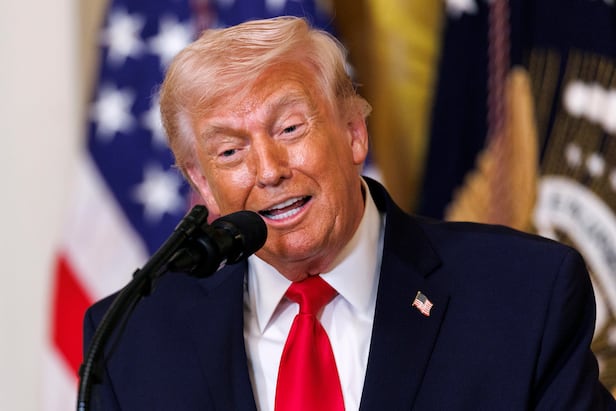
U.S. President Donald Trump speaks at a White House event on the 12th. /EPA-Yonhap
U.S. President Donald Trump, who effectively called for the dispatch of warships by specifically naming five countries including South Korea to ensure free passage through the Strait of Hormuz threatened with a blockade by Iran, stated on the 15th, one day later, that NATO (North Atlantic Treaty Organization) members would face a “very bad future” if they did not cooperate. In a phone interview with the Financial Times (FT) published that day, Trump said, “It is only natural for countries benefiting from the Strait of Hormuz to help prevent bad things from happening there,” though he did not specifically mention South Korea. Senior U.S. government officials have repeatedly sent the message that “cooperation from countries dependent on energy passing through the Strait of Hormuz is logical.”
NATO has been a key pillar supporting the liberal order since World War II, but Trump has consistently shown negative perceptions toward it since taking office, pressuring for increased defense spending. Regarding his request, he said, “If there is no response or a negative reaction, it will have a very bad impact on NATO’s future. We had no obligation to help them in the Ukraine issue, which is thousands of miles away, but we acted very generously, and now we will see if they help us.” Trump added, “They have long said they would not step forward for us, so I cannot be sure if they will help us.”
When asked specifically what was needed, Trump said, “Whatever is needed (for support),” and stated that allies should send mine-clearing vessels. He also mentioned the need for personnel to “eliminate ‘bad actors’ along Iran’s coast,” which the FT interpreted as Trump seeking European special forces to remove Iranian drones and mines that have become a “headache” for the U.S. military. Trump emphasized, “Since they are receiving benefits, they should help us patrol the strait. We will help them, but they must also be on-site.” The U.K. and France, which received Trump’s request, have so far maintained a cautious stance, only expressing principled positions. Trump told reporters on his plane that day that he would remember countries refusing to contribute to securing the strait’s safety.
Trump specifically requested help from China, which imports a significant amount of crude oil through the Strait of Hormuz, and stated that he expects Chinese President Xi Jinping to “cooperate in lifting the blockade” during the upcoming U.S.-China summit later this month. He said, “Since China also procures 90% of its oil through the Strait of Hormuz, it should help. The Strait of Hormuz essentially exists for the benefit of many countries, including China, and I have long wondered why we are the ones guarding it.” However, he added that waiting until the summit would be too late and hinted at the possibility of postponing his visit to China depending on the situation. U.S. Treasury Secretary Scott Bessent and He Lifeng, Chinese Vice Premier, held a high-level meeting in Paris, France, that day to coordinate the agenda for the U.S.-China talks.

Trump Warns NATO of 'Bleak Future' Without Strait Cooperation
Trump Warns NATO of Bleak Future Without Strait Cooperation Trump Demands Mine-Clearing Vessels, Special Forces for Strait Security as UK, France Remain Cautious
 www.chosun.com


