Raj-Hindustani
Elite Member

China’s J-20 Has a New Challenge: India’s Russian-Built Nebo-UM Anti-Stealth Radar
India’s operational showcasing of the Russian-built 55Zh6ME Nebo-UM during Vayu Shakti 2026 strengthens New Delhi’s long-range surveillance architecture as China expands its J-20 fleet and advances the carrier-capable J-35.
EnglishETCInternationalBy admin On Aug 2, 2026

Share
(DEFENCE SECURITY ASIA) — India’s induction of the Russian-built 55Zh6ME Nebo-UM VHF radar marks a significant recalibration of the Indo-Pacific airpower equation as New Delhi confronts the accelerating expansion of China’s stealth fighter fleet across the Himalayan frontier and Indian Ocean theatre.
The appearance of the Nebo-UM during the Indian Air Force’s Vayu Shakti 2026 exercise immediately triggered regional attention because the radar represents one of Russia’s most specialised anti-stealth surveillance systems designed to counter fifth-generation combat aircraft and low-observable cruise missile threats.
The radar’s operational showcasing emerged at a strategically sensitive moment as China continues expanding deployments of the J-20 stealth fighter while simultaneously accelerating carrier-capable J-35 development intended to support Beijing’s widening force projection strategy throughout the Indo-Pacific battlespace.
Indian defence planners increasingly assess that conventional radar architecture operating within higher-frequency bands may struggle against future low-observable penetration campaigns involving Chinese stealth aircraft operating near disputed Himalayan sectors or maritime approaches surrounding the Indian Ocean Region.
Direktori pembekal pertahanan
The Nebo-UM’s deployment therefore represents less a routine procurement decision and more a deliberate attempt to strengthen India’s long-range situational awareness against emerging stealth-enabled aerial operations potentially originating from both Chinese and Pakistani force structures.
Pakistan’s expected future acquisition of the Chinese-built J-35 has intensified Indian concerns regarding a dual-front stealth threat environment capable of compressing warning timelines and complicating air defence coordination across India’s northern and western operational theatres.
The Russian-built radar is specifically engineered to exploit vulnerabilities in stealth shaping and radar-absorbent materials by operating within the VHF frequency spectrum where longer wavelengths interact differently with aircraft structural geometry than conventional X-band fire-control radars.
This capability substantially strengthens India’s broader layered air defence ecosystem already anchored by S-400 Triumf squadrons, indigenous Arudhra and Ashwini radar systems, airborne early-warning platforms including Netra and Phalcon, and multiple Russian-origin integrated air defence assets.
Military analysts increasingly regard VHF radar architecture as strategically essential because stealth aircraft are not truly invisible but instead optimised primarily to reduce signatures against higher-frequency engagement radars typically used for missile guidance and precision targeting.
Under favourable operational conditions, the Nebo-UM reportedly detects stealth aircraft beyond 250 kilometres while simultaneously tracking conventional aircraft, cruise missiles, and ballistic missiles at ranges approaching 600 kilometres, dramatically extending India’s strategic warning envelope.
by Taboola
Sponsored Links
You May Like
https://ishahomes.com/isha-uni5-apartment-perungalathur
Chennai’s Next Hot Residential Location RevealedSee why this location is attracting smart investors and homebuyers.Isha Uni5
https://www.iforex.in/landing_pages/br1/hi/EduKit
New to trading? Start here. Watch and learn at homeLearn from 30 years of market experience. Get beginner guides, daily insights and market tools at no cost.iFOREX
https://givehopeindia.com/stories/helpvanyaa
Help her! She hides her face and cries in pain.We lost my daughter's eye to a tumor. Just when she learned to smile again, it came back!Give Hope India
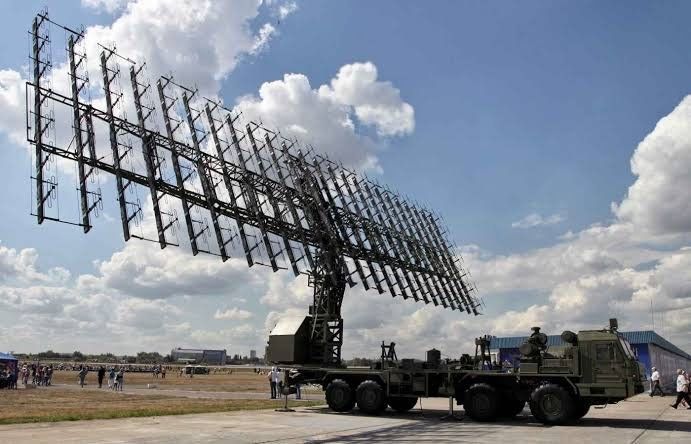
The radar’s mobility also introduces operational survivability advantages because the entire system is mounted on high-mobility 8×8 BAZ-6909 wheeled vehicles capable of rapid deployment, repositioning, and dispersal during contested electromagnetic or missile-threat environments.
India’s induction of the Nebo-UM ultimately reflects a wider strategic reality unfolding across Asia where anti-stealth radar networks, integrated air defence systems, electronic warfare capabilities, and long-range sensor fusion increasingly determine the future balance of aerospace superiority and strategic deterrence.
Laporan pasaran pertahanan
VHF Radar Technology Changes the Stealth Detection Equation
The Nebo-UM operates within VHF frequency ranges between 133–144 MHz and 216–225 MHz, allowing the radar to exploit physical characteristics that undermine the effectiveness of stealth shaping technologies optimised primarily against shorter-wavelength engagement radars.Unlike conventional high-frequency systems, VHF wavelengths interact with larger aircraft structures such as wings, vertical stabilisers, and fuselage sections, generating detectable returns even from low-observable platforms specifically engineered for radar cross-section reduction.
This operating principle has elevated VHF radar systems into a central component of modern integrated air defence architecture as military planners increasingly anticipate stealth-heavy strike packages dominating future high-intensity aerial warfare environments.
China’s growing fleet of J-20 stealth fighters has amplified regional urgency surrounding anti-stealth surveillance technologies because Beijing continues expanding fifth-generation force projection capabilities along India’s northern frontier and adjacent maritime operational corridors.
Direktori pembekal pertahanan
The parallel development of the carrier-capable J-35 further complicates India’s security calculations because naval stealth aviation substantially extends Chinese aerospace reach into the Indian Ocean and broader Indo-Pacific maritime battlespace.
Indian strategic planners therefore view the Nebo-UM not merely as a radar acquisition but as a strategic sensor node capable of restoring early-warning timelines potentially degraded by stealth-enabled penetration operations involving advanced Chinese combat aircraft.
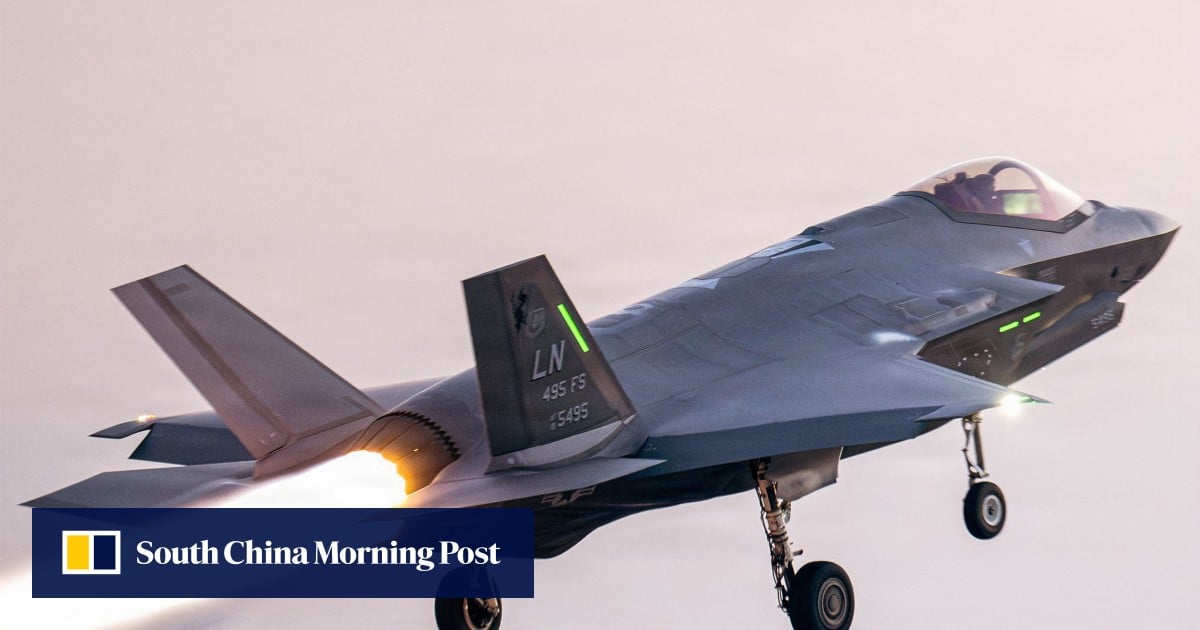
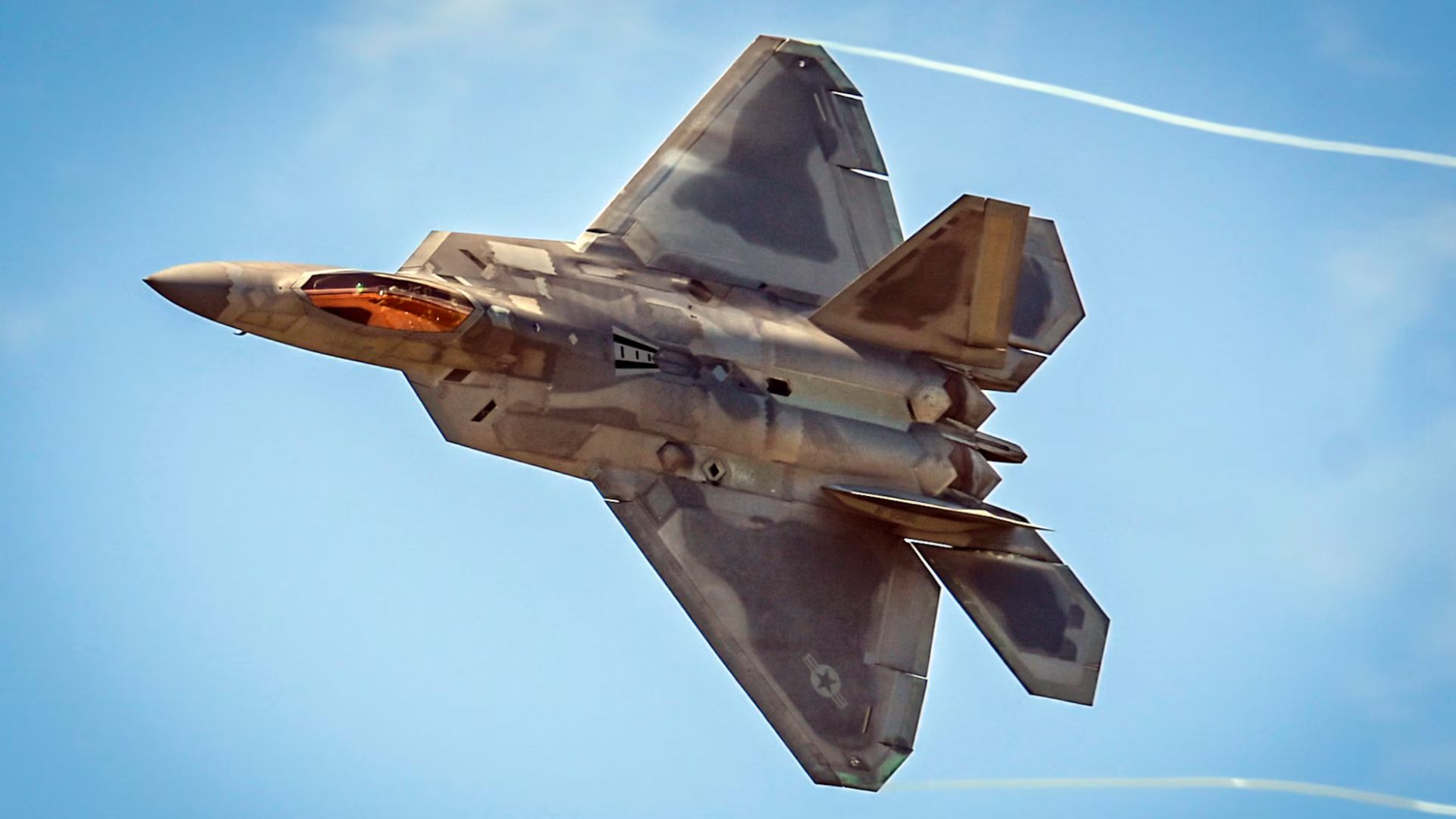
Russia’s NNIIRT bureau, operating under the Almaz-Antey defence conglomerate, specifically developed the Nebo family to address evolving low-observable threats following decades of Western stealth aircraft development centred around the F-22 and F-35 programmes.
Russian defence officials have repeatedly claimed the Nebo series demonstrates effective detection performance against stealth aircraft, although such assertions remain difficult to independently verify under real combat conditions involving electronic warfare and operational deception measures.