Navigation
Install the app
How to install the app on iOS
Follow along with the video below to see how to install our site as a web app on your home screen.
Note: This feature may not be available in some browsers.
More options
Style variation
You are using an out of date browser. It may not display this or other websites correctly.
You should upgrade or use an alternative browser.
You should upgrade or use an alternative browser.
Indian Politics and Internal News
- Thread starter culivert
- Start date
More options
Who Replied?
G
GatlingGun
Guest
Not just losers they are sour losers.Why are congressi such losers bro? Even pakistanis don't lose as much as congressis.
Upper echelon harps about EVM, meanwhile their booth in-charge don't claim any discrepancy .
SoulSpokesman
Trusted Member
You need to some simple math. The official timings for elections are 8 to 6 in MAHA, if you are in Q, they allow voting to continue- generally it continues for about 30 minutes at least. The increase 8% happened over a 1.5 hour slot- from 5 to 630. That means about 5.5% votes were cost per hour.
Now the total vote % was about 66% or about 6% per hour in a 10.5 hour slot. Now where is the cheating.
Regards
Now the total vote % was about 66% or about 6% per hour in a 10.5 hour slot. Now where is the cheating.
Regards

Vikramaditya1
Trusted Member
It stops at 6 and the poling officer starts giving slips to the people who are standing in queue. So it sometimes even goes to 7 or 8 pm depending on the number of people, speed at which polling is done and speed of the machine. I once voted at 7PM because the polling agents were slow in the evening.continues for about 30 minutes at least

Interesting Facts about India
India never invaded any country in her last 100000 years of history.
When many cultures were only nomadic forest dwellers over 5000 years ago, Indians established Harappan culture in Sindhu Valley (Indus Valley Civilization)
The name 'India' is derived from the River Indus, the valleys around which were the home of the early settlers. The Aryan worshippers referred to the river Indus as the Sindhu.
The Persian invaders converted it into Hindu. The name 'Hindustan' combines Sindhu and Hindu and thus refers to the land of the Hindus.
Chess was invented in India.
Algebra, Trigonometry and Calculus are studies, which originated in India.
The 'Place Value System' and the 'Decimal System' were developed in India in 100 B.C.
The World's First Granite Temple is the Brihadeswara Temple at Tanjavur, Tamil Nadu. The shikhara of the temple is made from a single 80-tonne piece of granite. This magnificent temple was built in just five years, (between 1004 AD and 1009 AD) during the reign of Rajaraja Chola.
India is the largest democracy in the world, the 7th largest Country in the world, and one of the most ancient civilizations.
The game of Snakes & Ladders was created by the 13th century poet saint Gyandev. It was originally called 'Mokshapat'. The ladders in the game represented virtues and the snakes indicated vices. The game was played with cowrie shells and dices. In time, the game underwent several modifications, but its meaning remained the same, i.e. good deeds take people to heaven and evil to a cycle of re-births.
The world's highest cricket ground is in Chail, Himachal Pradesh. Built in 1893 after leveling a hilltop, this cricket pitch is 2444 meters above sea level.
The world's first university was established in Takshila in 700 BC. More than 10,500 students from all over the world studied more than 60 subjects. The University of Nalanda built in the 4th century was one of the greatest achievements of ancient India in the field of education.
Ayurveda is the earliest school of medicine known to mankind. The Father of Medicine, Charaka, consolidated Ayurveda 2500 years ago.
India was one of the richest countries till the time of British rule in the early 17th Century. Christopher Columbus, attracted by India's wealth, had come looking for a sea route to India when he discovered America by mistake.
The Art of Navigation & Navigating was born in the river Sindh over 6000 years ago. The very word Navigation is derived from the Sanskrit word 'NAVGATIH'. The word navy is also derived from the Sanskrit word 'Nou'.
Bhaskaracharya rightly calculated the time taken by the earth to orbit the Sun hundreds of years before the astronomer Smart. According to his calculation, the time taken by the Earth to orbit the Sun was 365.258756484 days.
The value of "pi" was first calculated by the Indian Mathematician Budhayana, and he explained the concept of what is known as the Pythagorean Theorem. He discovered this in the 6th century, long before the European mathematicians.
Algebra, Trigonometry and Calculus also originated in India.Quadratic Equations were used by Sridharacharya in the 11th century. The largest numbers the Greeks and the Romans used were 106 whereas Hindus used numbers as big as 10*53 (i.e. 10 to the power of 53) with specific names as early as 5000 B.C.during the Vedic period.Even today, the largest used number is Terra: 10*12(10 to the power of 12).
Until 1896, India was the only source of diamonds in the world
(Source: Gemological Institute of America).
The Baily Bridge is the highest bridge in the world. It is located in the Ladakh valley between the Dras and Suru rivers in the Himalayan mountains. It was built by the Indian Army in August 1982.
Sushruta is regarded as the Father of Surgery. Over2600 years ago Sushrata & his team conducted complicated surgeries like cataract, artificial limbs, cesareans, fractures, urinary stones, plastic surgery and brain surgeries.
Usage of anaesthesia was well known in ancient Indian medicine. Detailed knowledge of anatomy, embryology, digestion, metabolism,physiology, etiology, genetics and immunity is also found in many ancient Indian texts.
India exports software to 90 countries.
The four religions born in India - Hinduism, Buddhism, Jainism, and Sikhism, are followed by 25% of the world's population.
Jainism and Buddhism were founded in India in 600 B.C. and 500 B.C. respectively.
Islam is India's and the world's second largest religion.
There are 300,000 active mosques in India, more than in any other country, including the Muslim world.
The oldest European church and synagogue in India are in the city of Cochin. They were built in 1503 and 1568 respectively.
Jews and Christians have lived continuously in India since 200 B.C. and 52 A.D. respectively
The largest religious building in the world is Angkor Wat, a Hindu Temple in Cambodia built at the end of the 11th century.
The Vishnu Temple in the city of Tirupathi built in the 10th century, is the world's largest religious pilgrimage destination. Larger than either Rome or Mecca, an average of 30,000 visitors donate $6 million (US) to the temple everyday.
Sikhism originated in the Holy city of Amritsar in Punjab. Famous for housing the Golden Temple, the city was founded in 1577.
Varanasi, also known as Benaras, was called "the Ancient City" when Lord Buddha visited it in 500 B.C., and is the oldest, continuously inhabited city in the world today.
India provides safety for more than 300,000 refugees originally from Sri Lanka, Tibet, Bhutan, Afghanistan and Bangladesh, who escaped to flee religious and political persecution.
His Holiness, the Dalai Lama, the exiled spiritual leader of Tibetan Buddhists, runs his government in exile from Dharmashala in northern India.
Martial Arts were first created in India, and later spread to Asia by Buddhist missionaries.
Yoga has its origins in India and has existed for over 5,000 years.
Interesting Facts about India - My India, My Pride - Know India: National Portal of India
India never invaded any country in her last 100000 years of history.
When many cultures were only nomadic forest dwellers over 5000 years ago, Indians established Harappan culture in Sindhu Valley (Indus Valley Civilization)
The name 'India' is derived from the River Indus, the valleys around which were the home of the early settlers. The Aryan worshippers referred to the river Indus as the Sindhu.
The Persian invaders converted it into Hindu. The name 'Hindustan' combines Sindhu and Hindu and thus refers to the land of the Hindus.
Chess was invented in India.
Algebra, Trigonometry and Calculus are studies, which originated in India.
The 'Place Value System' and the 'Decimal System' were developed in India in 100 B.C.
The World's First Granite Temple is the Brihadeswara Temple at Tanjavur, Tamil Nadu. The shikhara of the temple is made from a single 80-tonne piece of granite. This magnificent temple was built in just five years, (between 1004 AD and 1009 AD) during the reign of Rajaraja Chola.
India is the largest democracy in the world, the 7th largest Country in the world, and one of the most ancient civilizations.
The game of Snakes & Ladders was created by the 13th century poet saint Gyandev. It was originally called 'Mokshapat'. The ladders in the game represented virtues and the snakes indicated vices. The game was played with cowrie shells and dices. In time, the game underwent several modifications, but its meaning remained the same, i.e. good deeds take people to heaven and evil to a cycle of re-births.
The world's highest cricket ground is in Chail, Himachal Pradesh. Built in 1893 after leveling a hilltop, this cricket pitch is 2444 meters above sea level.
The world's first university was established in Takshila in 700 BC. More than 10,500 students from all over the world studied more than 60 subjects. The University of Nalanda built in the 4th century was one of the greatest achievements of ancient India in the field of education.
Ayurveda is the earliest school of medicine known to mankind. The Father of Medicine, Charaka, consolidated Ayurveda 2500 years ago.
India was one of the richest countries till the time of British rule in the early 17th Century. Christopher Columbus, attracted by India's wealth, had come looking for a sea route to India when he discovered America by mistake.
The Art of Navigation & Navigating was born in the river Sindh over 6000 years ago. The very word Navigation is derived from the Sanskrit word 'NAVGATIH'. The word navy is also derived from the Sanskrit word 'Nou'.
Bhaskaracharya rightly calculated the time taken by the earth to orbit the Sun hundreds of years before the astronomer Smart. According to his calculation, the time taken by the Earth to orbit the Sun was 365.258756484 days.
The value of "pi" was first calculated by the Indian Mathematician Budhayana, and he explained the concept of what is known as the Pythagorean Theorem. He discovered this in the 6th century, long before the European mathematicians.
Algebra, Trigonometry and Calculus also originated in India.Quadratic Equations were used by Sridharacharya in the 11th century. The largest numbers the Greeks and the Romans used were 106 whereas Hindus used numbers as big as 10*53 (i.e. 10 to the power of 53) with specific names as early as 5000 B.C.during the Vedic period.Even today, the largest used number is Terra: 10*12(10 to the power of 12).
Until 1896, India was the only source of diamonds in the world
(Source: Gemological Institute of America).
The Baily Bridge is the highest bridge in the world. It is located in the Ladakh valley between the Dras and Suru rivers in the Himalayan mountains. It was built by the Indian Army in August 1982.
Sushruta is regarded as the Father of Surgery. Over2600 years ago Sushrata & his team conducted complicated surgeries like cataract, artificial limbs, cesareans, fractures, urinary stones, plastic surgery and brain surgeries.
Usage of anaesthesia was well known in ancient Indian medicine. Detailed knowledge of anatomy, embryology, digestion, metabolism,physiology, etiology, genetics and immunity is also found in many ancient Indian texts.
India exports software to 90 countries.
The four religions born in India - Hinduism, Buddhism, Jainism, and Sikhism, are followed by 25% of the world's population.
Jainism and Buddhism were founded in India in 600 B.C. and 500 B.C. respectively.
Islam is India's and the world's second largest religion.
There are 300,000 active mosques in India, more than in any other country, including the Muslim world.
The oldest European church and synagogue in India are in the city of Cochin. They were built in 1503 and 1568 respectively.
Jews and Christians have lived continuously in India since 200 B.C. and 52 A.D. respectively
The largest religious building in the world is Angkor Wat, a Hindu Temple in Cambodia built at the end of the 11th century.
The Vishnu Temple in the city of Tirupathi built in the 10th century, is the world's largest religious pilgrimage destination. Larger than either Rome or Mecca, an average of 30,000 visitors donate $6 million (US) to the temple everyday.
Sikhism originated in the Holy city of Amritsar in Punjab. Famous for housing the Golden Temple, the city was founded in 1577.
Varanasi, also known as Benaras, was called "the Ancient City" when Lord Buddha visited it in 500 B.C., and is the oldest, continuously inhabited city in the world today.
India provides safety for more than 300,000 refugees originally from Sri Lanka, Tibet, Bhutan, Afghanistan and Bangladesh, who escaped to flee religious and political persecution.
His Holiness, the Dalai Lama, the exiled spiritual leader of Tibetan Buddhists, runs his government in exile from Dharmashala in northern India.
Martial Arts were first created in India, and later spread to Asia by Buddhist missionaries.
Yoga has its origins in India and has existed for over 5,000 years.
Interesting Facts about India - My India, My Pride - Know India: National Portal of India
The Economic History of the Last 2,000 Years in 1 Little Graph
That headline is a big promise. But here it is: The economic history of the world going back to Year 1 showing the major powers' share of world GDP, from a research letter written by Michael Cembalest, chairman of market and investment strategy at JP Morgan.
https://cdn.theatlantic.com/media/mt/business/Screen Shot 2012-06-20 at 9.37.55 AM.png
I'm guessing that your first question, if you started scanning from the left, is: Wait, India was by far the biggest economy at the dawn of AD? Yup, India.

In Year 1, India and China were home to one-third and one-quarter of the world's population, respectively. It's hardly surprising, then, that they also commanded one-third and one-quarter of the world's economy, respectively.
Before the Industrial Revolution, there wasn't really any such thing as lasting income growth from productivity. In the thousands of years before the Industrial Revolution, civilization was stuck in the Malthusian Trap. If lots of people died, incomes tended to go up, as fewer workers benefited from a stable supply of crops. If lots of people were born, however, incomes would fall, which often led to more deaths. That explains the "trap," and it also explains why populations so closely approximated GDP around the world.
https://www.theatlantic.com/busines...he-last-2-000-years-in-1-little-graph/258676/
Last edited:

Snake
Registered Member


What martial arts?Martial Arts were first created in India, and later spread to Asia by Buddhist missionaries.
Modi 3.0 approves 3 cr more houses under PM Awas Yojana in rural & urban India
New Delhi: The newly formed Union Cabinet Monday approved the proposal to sanction three crore houses in rural and urban areas under the Pradhan Mantri Awas Yojana (PMAY) in what was one of the first major decisions of the NDA government in its third term.
The PMAY, in the last 10 years, has ensured 4.21 crore houses for eligible economically poor families, according to the latest government figures.
“It has been decided in the Cabinet meeting today to provide assistance to 3 crore additional rural and urban households for the construction of houses to meet the housing requirements arising out of the increase in the number of eligible families,” read the statement issued by the Prime Minister’s Office (PMO) Monday.
Houses constructed under PMAY come with basic amenities such as toilets, LPG connection, electricity connection, functional water tap connection, etc., facilitated under other central and state schemes, said the PMO statement.
The Prime Minister Narendra Modi-led government, it added, has been working on a plan to bridge the housing gaps in rural and urban areas from last year.
Though the Centre did not give a break-up of the number of houses in rural and urban areas, it will likely provide financial assistance to two crore families in rural areas for houses, according to the interim budget this year.
The Union housing and urban affairs ministry — the nodal ministry for implementing PMAY-Urban — is also working on a plan to provide relief on home loans to eligible beneficiaries in urban areas.
Ahead of the Lok Sabha elections, the government campaigned on affordable housing to connect with poor people in rural areas and the middle-class segment in cities.
Modi, in his Independence Day speech last year, announced that the government was planning a scheme to provide relief on the interest charged on home loans for middle-class families in urban areas. The PM, speaking from the ramparts of the Red Fort, said, “Middle-class families are dreaming of their own house. We are coming up with a plan for that also for the coming few years… family members who live in cities but live in rented houses, live in slums, live in chawls, unauthorised colonies (will be covered). We have decided to help (people save) lakhs of rupees by giving relief in the interest of the loan they will take from the bank.”
Presenting the 2024-25 interim budget in February this year, Union Finance Minister Nirmala Sitharaman first announced the decision to construct two crore additional houses in rural areas. “Despite the challenges due to COVID, implementation of PMAY-G continued and we are close to achieving the target of three crore houses. Two crore more houses will be taken up in the next five years to meet the requirement arising from (an) increase in the number of families,” she said at the time.
Under PMAY-Gramin (PMAY-G), which ended on March 31 this year, 2.95 crore rural beneficiaries have received financial assistance to build houses, and the rural development ministry’s dashboard on the scheme showed 2.62 crore of these houses are complete. On the other hand, 1.19 crore houses have been sanctioned under PMAY-Urban, according to the latest government figures.
Last year, the Modi government also decided to sanction five lakh additional houses to Particularly Vulnerable Tribal Groups (PVTGs) under the Pradhan Mantri Janjati Adivasi Nyaya Maha Abhiyan (PM-JANMAN), launched in November 2023.
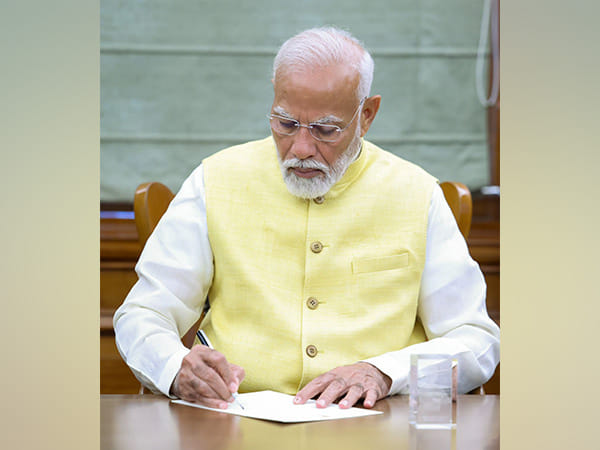
Modi 3.0 approves 3 cr more houses under PM Awas Yojana in rural & urban India
Two crore of these could come up in rural areas. Plan to provide relief on interest charged on home loans to eligible beneficiaries in urban areas in the works.
 theprint.in
one more under this scheme ....
.
=>
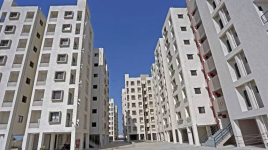
.
=>
one in HIndi news as below
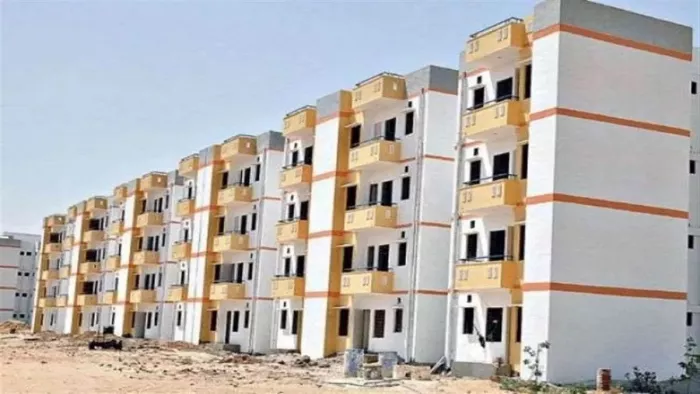
Pradhan Mantri Awas Yojana Gramin: 250 फ्लैट बनकर तैयार, 15 अगस्त तक लाभार्थियों को कब्जा देने की तैयारी - 250 flats built under Pradhan Mantri Awas Yojana Gramin are ready for inauguration by PM Narendra Modi on August 15
Pradhan Mantri Awas Yojana Gramin कार्यक्रम में जुटे 200 से अधिक लाभार्थियों से सोशल आडिट की टीम ने बात की। कई लाभार्थियों ने बताया कि आवास निर्माण से मान-सम्मान बढ़ा। कच्चे व टूटे घर देख जो रिश्ते लौट जाते थे मकान बनने के बाद वह जुडऩे लगे।
www.jagran.com
PM Awas Yojna: Apply Online and Get a Pucca House with Government Assistance
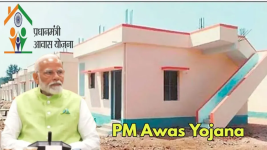
Latest News: Today’s News Headlines, Breaking News India, World News and Cricket News | Latest News Today | Timesbull
News Headlines Today: Timesbull offers the most reliable news in politics, sports, entertainment and business, featuring National and International news Breaking News on Times Bull.
 www.timesbull.com
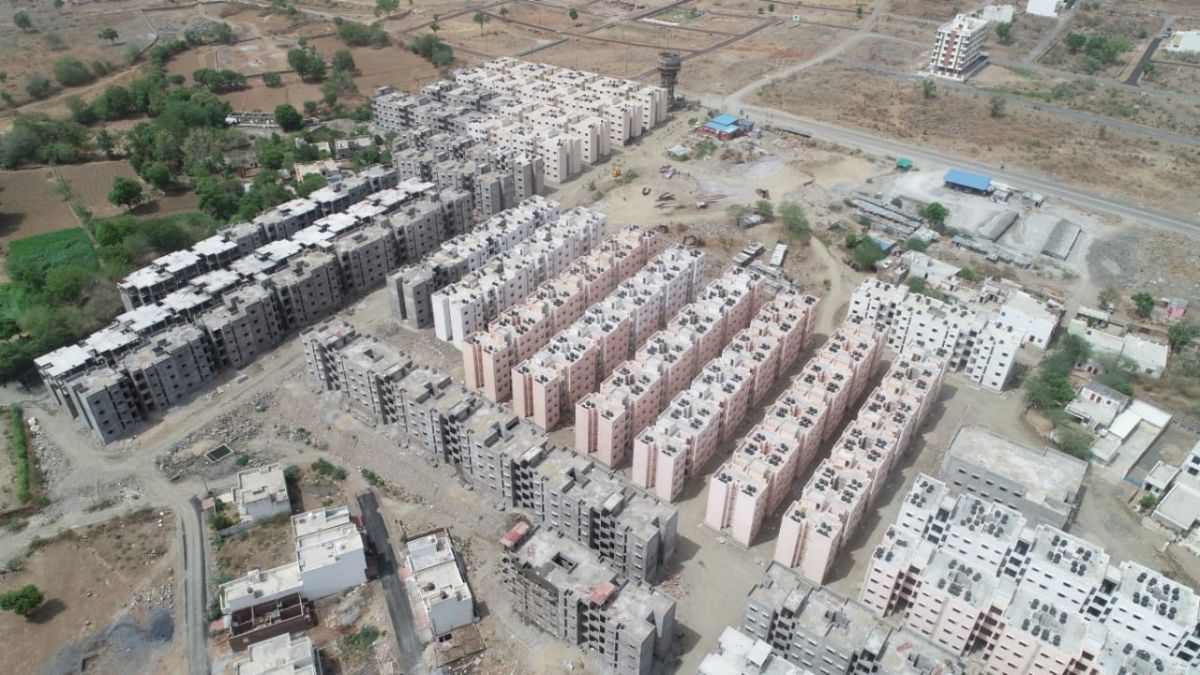
Pradhan Mantri Awas Yojana: The Pradhan Mantri Awas Yojna (Grameen) housing scheme has been referred to as a major instrument of socio-economic change in the country. This mission intends to provide sustainable houses to those with lower incomes. The PM Modi-led government has set a target to construct 29.3 million houses, which is expected to be completed by December 2023. According to reports, the Centre has successfully completed the construction of 24 million pucca housing units as on July 6.
 www.indiatvnews.com
PM housing scheme to be completed by December | Know how to apply, check status, eligibility? All DETAILS - India TV News
Pradhan Mantri Awas Yojana: The mission launched by the Centre is expected to be completed by December this year with the target to construct 29.3 million houses for all rural poor.
www.indiatvnews.com
Pradhan Mantri Awas Yojana Helpline Number (Toll Free Number)
Pradhan Mantri Awas Yojana Helpline Number (Toll Free Number) are 1800-11-6446, 1800-11-3377 , 1800-11-3388 and 1800-11-6163

Pradhan Mantri Awas Yojana Helpline Number (Toll Free Number) - Pradhan Mantri Awas Yojana
Pradhan Mantri Awas Yojana Helpline Number (Toll Free Number) are 1800-11-6446, 1800-11-3377 , 1800-11-3388 and 1800-11-6163 If you are facing any sort of trouble with Pradhan Mantri Awas Yojana or PMAY, then you can contact the officials directly. Several types of information are available on...
www.pmawasyojana.co.in
Last edited:
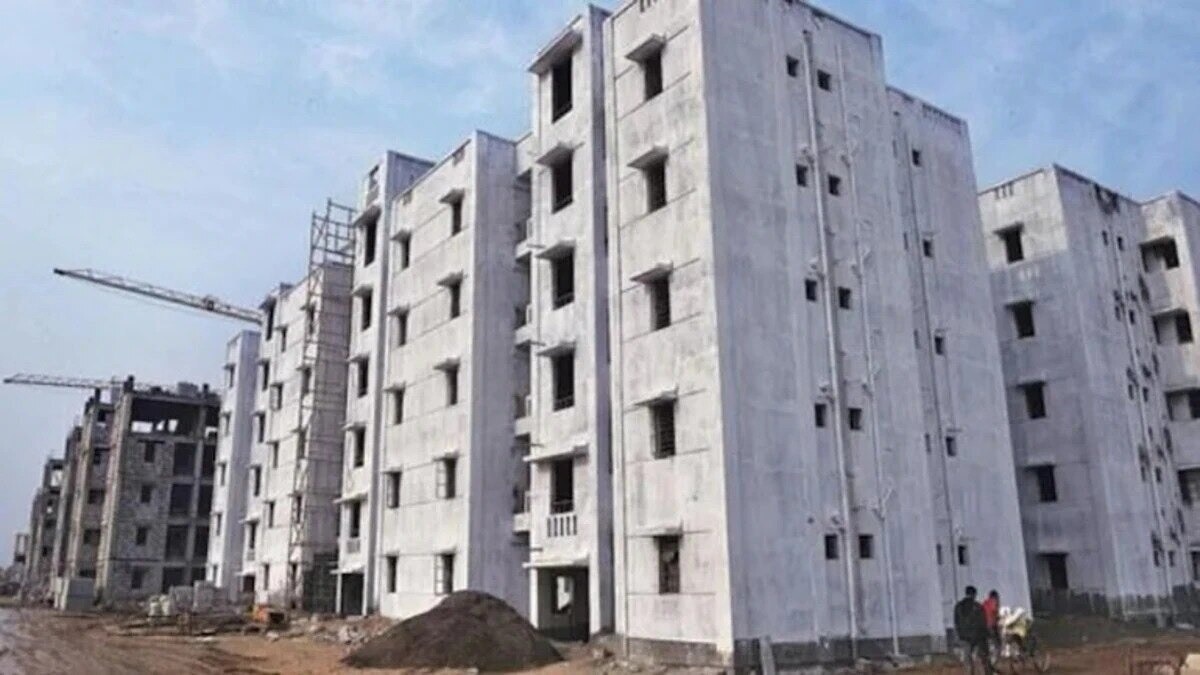
Pradhan Mantri Awas Yojana (PMAY)-Urban 2.0 Scheme: Eligibility to apply, beneficiaries, interest subsidy for homebuyers
The Pradhan Mantri Awas Yojana - Urban 2.0 (PMAY-U 2.0) is a government initiative aimed at providing financial assistance to middle-class and urban impoverished families.
Pradhan Mantri Awas Yojana (PMAY) Urban 2.0 Scheme: Eligibility to apply, beneficiaries, interest subsidy for homebuyers - BusinessToday
The Pradhan Mantri Awas Yojana - Urban 2.0 (PMAY-U 2.0) is a government initiative aimed at providing financial assistance to middle-class and urban impoverished families.
 www.businesstoday.in
Users who are viewing this thread
Total: 7 (members: 0, guests: 7)
Pakistan Defence Latest
-
 Pak Ship Collides With Indian Navy Unit, Delhi Summons Islamabad's Envoy (34 Viewers)
- Latest: Xestan
-
-
 PAF pilot highlights how chinese J10C fighters have left US F16's Obsolete (3 Viewers)
- Latest: TOPGUN
-

Country Watch Latest
-
 Iran - Israel/US War: Israel-US declare war on Iran, Iran responds (80 Viewers)
- Latest: Professor Jiang
-

-

-

Latest Posts
-
 Breaking News: Yemen's Houthis strike Saudi Arabia's Abha airport with missiles and drones in a sharp escalation (35 Viewers)
- Latest: Mighty_Dragon_Strike
-
Chines Prisident Reject Modi Dinner | Indian BRICS Failed | Modi Humilated infront of World (24 Viewers)
- Latest: jr_pdf
-

-
-
Iran - Israel/US War: Israel-US declare war on Iran, Iran responds (80 Viewers)
- Latest: Professor Jiang