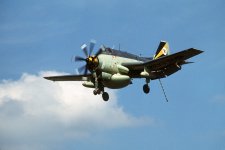
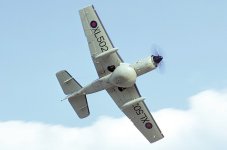
AWACS

1733608020811.jpeg
1733608060713.jpeg
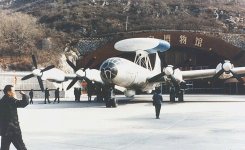
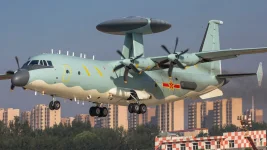
Kong Jiang-1 – The B-29 Superfortress AWACS

One of the stranger stories in aviation history is how the Boeing B-29 Superfortress became an Airborne Warning and Control System (AWACS) aircraft – not for the USAF, but for the Chinese People’s Liberation Army Air Force.

Only one prototype
 
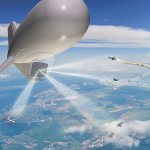
Although not an AWAC, but more of an airborne radar, which , fulfills the requirements of min. mid range i.e. 200Nm, low level / small rcs threats, such as drones and CM's, at a fraction of the cost of an aircraft borne radar, are the "Aerostat Radar Systems".

It's coverage is not limited to just low flying threats, but all flying threats, as well as ground / sea threats, plus communication relays, if configured to do so, as is the case with Atlas systems.

Usually filled with Helium, they have been known to be deployed up to 15,000ft.

They have been deployed at sea as well, but due to rapid weather changes have proved to be challenging.

With Drone tech evolving rapidly, this technology might become obsolete within a matter of years.
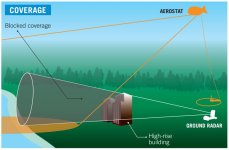
1733665697447.jpeg
Basic Concept


1733666020750.png
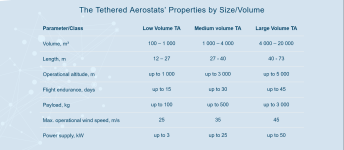
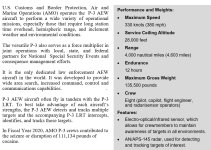
Israeli Atlas Specs

1733666802195.jpeg
1733666888186.jpeg
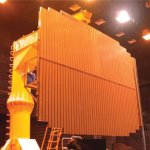
ELTA ENA-2083 radar


1733666225161.png
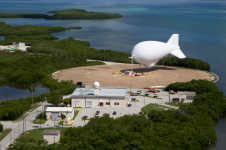
A US Border Surveillance post
 
Last edited:
1733681976415.png
1733682003442.png

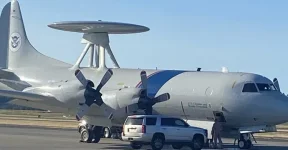
also operated by Dept of Homeland Security
1733682345874.webp
 
Last edited:
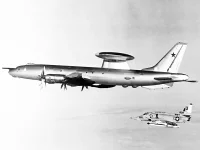
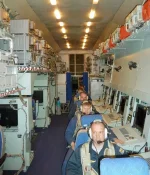
1733682508663.webpInterior of a Russian Air Force A-50 AWACS plane
 
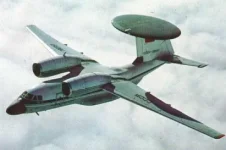
1733682735096.webpAN-71 Soviet AWACS

Did not go into production. IP rights held by Ukraine, after demise of USSR.

1733682965288.webp
1733682976665.webp
 
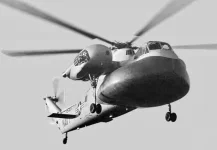
1733685190126.webpSikorsky HR2S-1W - an AEW variant of the CH-37 Mojave.
 
1733685517224.jpeg
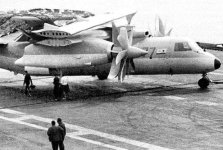
1733685529553.jpegThe Yakovlev Yak-44 was a proposed twin-turboprop Airborne Early Warning (AEW) aircraft, the Yak-44 was canceled after the demise of the Soviet Union. A full-scale mockup with foldable wings was built.
 
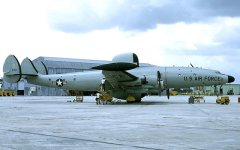
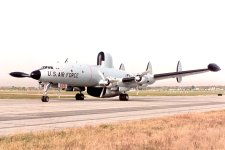
1733687323302.jpegLockheed EC-121 Warning Star

Years In Service:
1951-1982

Initial Flight: June 9, 1949

The EC-121 provided early warning by detecting and tracking enemy aircraft with the electronic gear in the large radomes above and below its fuselage and was employed by the United States Air Force and the United States Navy from the mid-1950s to the last aircraft retiring from the Air Force in 1976 and the U. S. Navy in 1982. EC-121s provided a crucial early warning air defense system to guard against Soviet surprise attacks during the early and middle years of the Cold War, notably during the Cuban Missile Crisis in 1962

Height: 27′
Wingspan: 126′ 2″
Length: 116′ 2″
Crew: Up to 17
Powerplant: Wright R-3350
Horsepower: 3,400 hp
No. of Engines: 4
Cruise speed: 240 mph
Max Speed: 290 mph
Ceiling: 18,000 ft
1733687590436.jpeg
 
1733689013460.jpeg
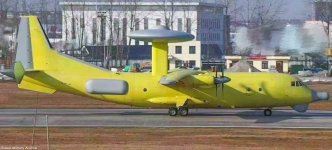
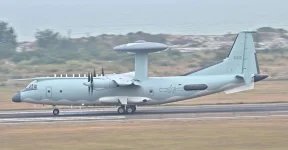
KJ500 for Chinese Navy - PLAN

1733689213531.webp
1733689283044.webp
KJ500 for Chinese Air Force - PLAAF
 
Last edited:
1733689604825.webp
1733689777025.webp
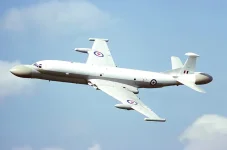
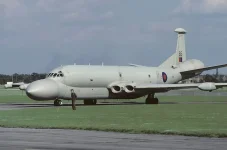
Nimrod AEW3, one of a small batch of Nimrod aircraft converted to this configuration before the program was abandoned in favor of the U.S-built E-3 Sentry AWACS.


1733689846218.webp
1733689803324.webp
1733689887550.webp
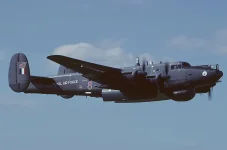
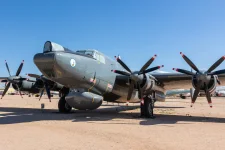
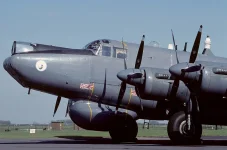
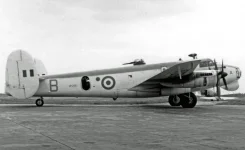
Shackleton AEW2 at RAF Alconbury

1733689976860.webp
The first iteration of the Shackleton to enter service was the MR1, seen in RAF Coastal Command service in 1953.,
 

Users who are viewing this thread

Back
Top