In
1990, President George Herbert Walker Bush signed the “Immigration Act of 1990” and introduced the H-1B visa programme. The idea was simple — help American companies fill vacancies in specialised fields like research, engineering and computer programming by temporarily hiring skilled foreign workers.
But over time, the programme became a hotbed of controversy. Just think about it. If foreign workers started taking up jobs in your country, wouldn’t it feel like your chances of landing one were shrinking? That’s exactly how many Americans started to feel too.
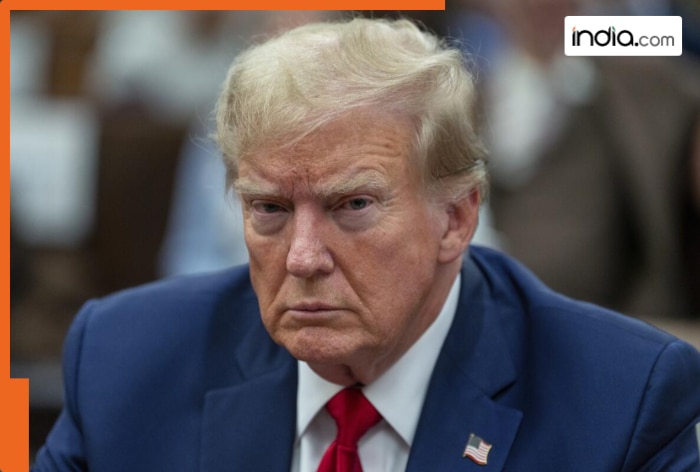
And this unease has fuelled endless debates about whether H-1B visas help or hurt, even sparking divisions within President-to-be Donald Trump’s team.
During Trump’s first term as President, he wasn’t exactly a fan of the programme. He thought it was unfair to American workers and introduced restrictions in 2020, arguing that it allowed employers to replace locals with cheaper foreign labour.
But fast forward to now, and things seem to be shifting.
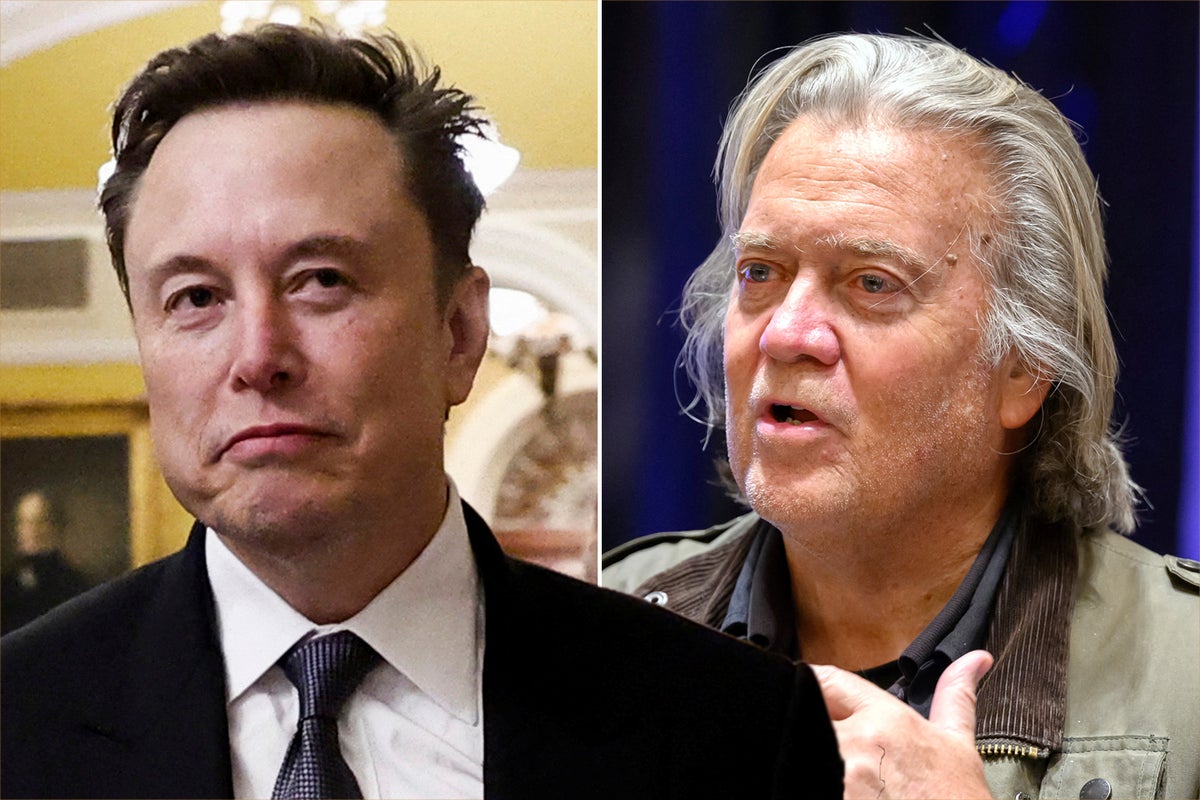
Trump’s new allies like Elon Musk and Vivek Ramaswamy, who’ve been tasked with leading the US Department of Government Efficiency (DOGE), are rooting for reforms to strengthen the H-1B system. And now, Indian-American Sriram Krishnan’s appointment to Trump’s team as a senior AI policy advisor has sparked talks about removing country-specific caps on employment visas. This could let more H-1B holders live and work permanently in the US, which could be a game-changer.
To put things in perspective, every year, the US Citizenship and Immigration Services (USCIS) hands out 65,000 H-1B visas, with an extra 20,000 reserved for those with master’s or doctorate degrees from US institutions. But here’s the catch. There are way more people applying than the number of spots available. So, the system turns into a lottery. And many eligible applicants miss out purely because of bad luck.
And here’s where things get even trickier.
You see, Indians make up over 70% of the H-1B visa recipients, while China takes around 12-13%. The rest go to countries like Mexico, Canada, the Philippines, Taiwan and Korea. But these visas are valid for only 3 years and can be extended to a maximum of 6 years. And if visa holders want to stay longer, they’ll need to apply for a Green Card or Permanent Resident Card, which allows them to live and work in the US permanently. The catch though is that there’s a cap on how many Green Cards each country can receive. No more than 7% of the total can go to workers from a single country, even if there’s an overwhelming talent pool waiting. So, if those country-specific caps were removed, it could open up more opportunities for Indians looking to work in the US.
But you can imagine that not everyone in America shares that optimism. Some Trump loyalists like Steve Bannon (former White House Chief Strategist), Nikki Haley (former Governor of South Carolina) and Laura Loomer (political activist) argue that foreign workers are taking jobs from Americans. And they’re not alone.
Recent surveys show that 60% of Americans believe the country already has enough skilled workers to fill these roles and doesn’t need more.
An explainer on the H-1B visa debate and how it affects the US and Indian economies.

finshots.in

thepienews.com

tnc.news