_Arabia_
Trusted Member

Just came across this series of publications posted literally today. I have not read all of it but it looks highly informative and extensive.
3 Oct 2025

For Saudi Arabia, defence transformation is much more than acquiring sophisticated weapons or to diversify the economy. Beneath the surface, it represents a political strategy aimed at creating local industrial value while renovating domestic power dynamics. From land forces to the naval domain, shaping a Saudi specialised workforce is key to the defence industrialisation effort. The challenge, however, is striking an effective industrial, and geopolitical balance between the diversification of defence partners, and US-linked interoperability. This ISPI Dossier delves into the most ambitious Vision 2030’s goal. The more Riyadh teams up with Washington to localise maintenance, repair and components, the more it searches to advance on tech-driven products and capabilities, partnering with European and Asian’s NATO members and partners. Where does Saudi defence industry stand? And Navy’s modernisation? What about Riyadh’s interests in joining the GCAP programme for sixth-generation fighter jets?
 www.ispionline.it
3 Oct 2025

Saudi Arabia’s budding defence industrialisation is first and foremost a political strategy. Long before it delivers any credible industrial self-reliance, it manufactures bargaining power—through capital allocation, storytelling-as-performance, and institutional entanglements. Since 2017, Riyadh has built a two-pillar defence-industrial machine—the General Authority for Military Industries (GAMI) to set the rules, and the Saudi Arabian Military Industries (SAMI) to execute—under a Vision 2030 pledge to localise half of military spending. The steady drumbeat of “local production” announcements and expo-floor MoUs invites a simple reading: capability gaps are closing, and self-sufficiency is within reach.[1] Yet these are wrong—or at least insufficient—benchmarks. What the Saudi project buys most reliably is strategic room, rather than technical autonomy.
That point is sharpened by today’s shifting terrain. The 2023 China-brokered Saudi–Iran rapprochement formalised a de-risking instinct, while NATO’s outreach—marked by the Secretary General’s first-ever visit to Riyadh in December 2023—widened Western venues.[2] At the same time, Riyadh’s distance from Washington has grown as the United States shields Israel’s maximalist, militarised course—from its ongoing war on Gaza, widely characterised as genocidal, to Israel’s June 2025 strikes on Iran’s nuclear programme, condemned by arms-control experts as unlawful. The ensuing twelve-day war, including Iran’s first direct strike toward a US target inside GCC territory, underscored why air-and-missile defence remains critical for the Kingdom even amid efforts to de-escalate. Most recently, Israel’s strike in Doha—denounced at the United Nations as a flagrant violation of Qatar’s sovereignty—both heightened Gulf threat perceptions and reinforced doubts about the reliability of US security guarantees.
This commentary sets out the narrated goals (diversification, localisation, “strategic autonomy”), takes stock of where things stand, and turns to where metrics are most successful—the political economy and financial plumbing organising Saudi “autonomisation”.[3]
A second element is capability localisation. The language is one of “autonomisation”: taking on larger shares of procurement, insulating against shifts in supplier politics, tailoring systems to local missions, and gradually moving up the value chain. This became especially salient when traditional partners debated freezing or delaying arms exports to Saudi Arabia, underscoring thefragility of dependence.[5] The message projected is that Riyadh can shape its own security future—reinforced through high-profile announcements of local production milestones and integration centres.
Last but not least, defence industrialisation is cast above all as a pursuit of sovereignty—often glossed as strategic autonomy. Localisation is presented as a means to hedge against over-reliance on single partners, particularly the United States, which has appeared less dependable as a security guarantor—most strikingly in its muted response to the 2019 oil facility attacks, feeding speculation about the Carter Doctrine’s demise. Doubts extend to Europe. Industrial policy is thus embedded within a broader diplomatic grammar: de-escalation with rivals, diversification among great powers, and localisation as a political lever in an increasingly multipolar order.
On localisation toward self-sufficiency, progress is tangible yet deceptive. GAMI reports localisation rose from 4% in 2018 to 19.35% in 2024.[8] Successes include Maintenance, Repair and Overhaul (MRO), land-systems, C2 software, corvettes, and drone payloads—such as the Hazem combat system for Avante 2200 corvettes, CETC-linked drone components, and, most emblematically, the first locally produced THAAD launcher parts in 2025. Yet these headline figures often mask reliance on export-controlled supply chains: “local” awards mean assembly and integration, not autonomy. Industrial independence remains out of reach, even as localisation delivers bargaining leverage and the optics of capability.
On strategic autonomy, the network of suppliers is wider, but the architecture remains firmly bounded to the United States. Riyadh has multiplied its options, bringing in Korean partners for K9 howitzers and Chinese firms for UAV subsystems, among others. Yet the backbone of its security apparatus is still American—above all in missile defence and operational integration. It is worth underlining that neither China nor Russia seem to have the appetite or credibility to replace the US in its role of security guarantor anyway. This is not a zero-sum game of substitution, but a strategy aimed at gaining room to manoeuvre: a hedging game that Saudi plays with growing efficiency, as alternative metrics reveal.
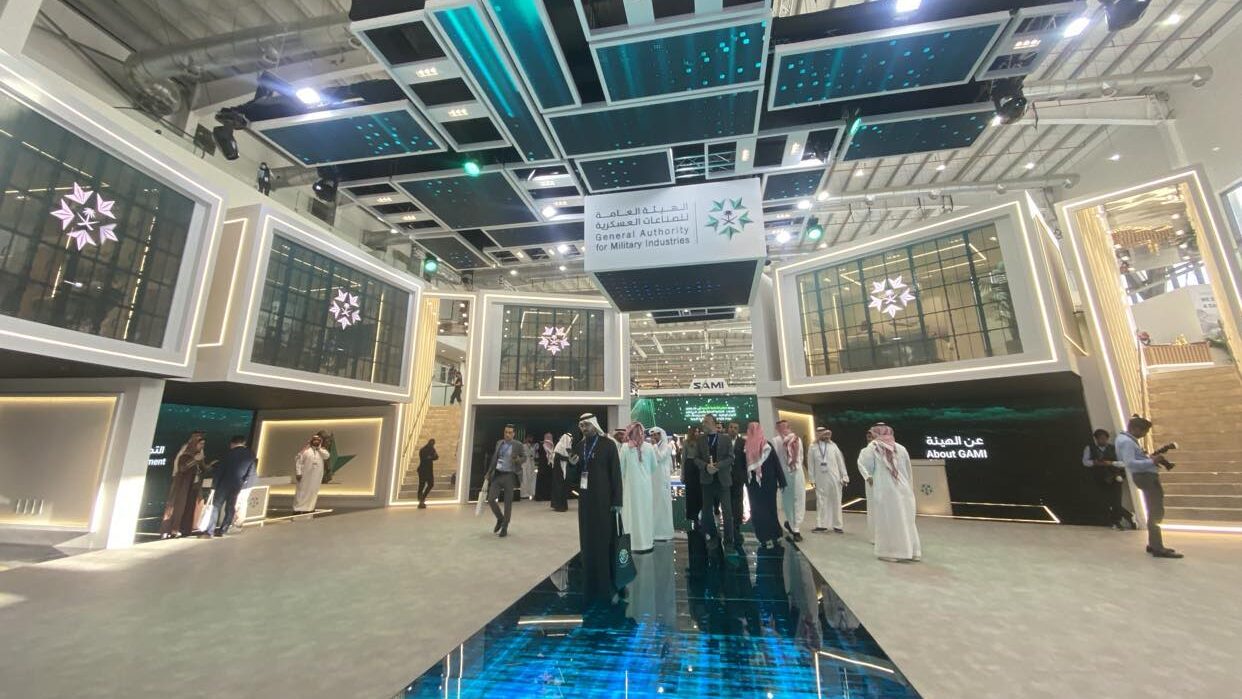
This political work sustains itself not only through budgets and institutions but also through performance and storytelling. Saudi Arabia’s first pavilion at Eurosatory 2024 in Paris, organised by GAMI, projected technological ascent and industrial credibility, even hinting at export potential. The appearance of capability often is capability: visibility shapes expectations, deters doubt, and—at best—buys time for slower build-up.[10] The parallel with sustainable energy is telling: the announcement of mega-projects performs resilience and attracts capital, regardless of whether they ultimately deliver. Defence industrialisation operates in the same register, where spectacle yields not just symbolic reassurance but reputational assets that can be mobilised diplomatically long before material autonomy is achieved. Narrative, in this sense, is constitutive of power.
A deeper layer lies in the financial architecture that organises Saudi Arabia’s defence “autonomisation.” Much of what passes for localisation is in fact about embedding foreign primes into Saudi markets and governance networks. As Shana Marshall notes, the rise of “landed companies” in the Gulf—subsidiaries like Saab UAE or Raytheon Emirates and, to come back to the Saudi case, BAE Systems Arabian Industries—binds external firms structurally to local priorities. Riyadh’s “regional HQ” policy, pushing multinational corporations to relocate their headquarters in the country, and offset rules serve the same function, folding production into a state-controlled web of capital and licensing. These create institutional entanglements that complicate export bans, redirect flows of finance and expertise, and extend Saudi agency into opaque transnational circuits.[11] What emerges is that defence industrialisation manufactures less independence than interdependence—on Saudi terms, to enlarge its bargaining power and strategic latitude.
[1] Mohammed al-Kinani, “Saudi Arabia’s drive to build a defense powerhouse”, Arab News, August 9, 2025, https://www.arabnews.com/node/2611276/business-economy
[2] Kristian Coates Ulrichsen, “De-Risking the Neighbourhood: The Security Politics of Saudi Vision 2030” (pp. 21-32) and Cinzia Bianco, “Policy Recommendations for the EU: Seizing the Gulf’s Connectivity Momentum” (pp. 133–138), in Eleonora Ardemagni (ed.), The Security Side of Gulf Visions: Adapting Defence to the Connectivity Age (Milan: Ledizioni/ISPI, 2024).
[3] Several themes build on my earlier study—Emma Soubrier, “The Gulf defence industry at the cutting (h)edge of multi-level power strategies”, Defense & Security Analysis (advance online publication, 28 August 2025)—updated and revisited here with a Saudi-specific focus.
[4] Saudi-US Trade Group (SUSTG) Team, “Coming Soon to Saudi Arabia: A ‘World Defense Show’ to Rival Abu Dhabi’s IDEX,” SUSTG.com, https://www.sustg.com/coming-soon-to-saudi-arabia-a-world-defense-show-to-rival-abu-dhabis-idex/.
[5] Shady Mansour, “Diversifying Saudi’s security: Would the US security architecture in the Middle East be threatened?” PRISME Initiative, June 5, 2023, https://prismeinitiative.org/public...rchitecture-in-the-middle-east-be-threatened/.
[6] Cited in Mohammed al-Kinani, “Saudi Arabia’s drive to build a defense powerhouse”.
[7] Omar Al-Ubaydli, “The Potential Drawbacks Associated with Domestic Military Manufacturing in the GCC Countries,” PRISME Initiative, October 19, 2023, https://prismeinitiative.org/public...s-gcc-military-manufacturing-omar-al-ubaydli/.
[8] Saudi Press Agency (SPA), “GAMI Governor: Localization of Military Expenditure Reaches 19.35%, Compared to 4% in 2018,” SPA.gov, November 21, 2024, https://www.spa.gov.sa/en/N2211485.
[9] Neil Partrick, “Saudi Arabia’s Elusive Defense Reform,” Carnegie Sada, November 14, 2019, https://carnegieendowment.org/sada/2019/11/saudi-arabias-elusive-defense-reform?lang=en.
[10] Emma Soubrier, “The Gulf defence industry at the cutting (h)edge of multi-level power strategies”.
[11] Shana Marshall, “The Role of the Gulf States in Expanded Weapons Production in the Global South,” PRISME Initiative, November 29, 2024, https://prismeinitiative.org/public...apons-production-global-south-shana-marshall/.
www.ispionline.it
3 Oct 2025


Riyadh is turning arms contracts into industrial policy. The most consequential elements are now workshare and sustainment, not just the bill of sale. Procurement officers and sovereign-fund managers arrive at the table with localization targets, offset schedules, and questions about software rights and sustainment liabilities. Although the United States remains Saudi Arabia’s principal military partner, the currency of their relationship is shifting from platforms to production, from deliveries to domestic value capture. What Washington now offers matters as much in factory build-outs and maintenance know-how as it does in missile range or armor thickness.
Under Vision 2030, Riyadh is recasting defense not only as deterrence, but also as an industrial policy—a vehicle for jobs, technology acquisition, and for retaining some value locally. In this setting, defense cooperation with Washington looks less like a one-way security guarantee and more like industrial bargaining over who captures the economic rents of modernization—through offsets, joint ventures, and licensing. The ambition is clear, so are the risks. While these mechanisms promise localization and capability, U.S. commitment remains under question.
As such, the scale of such expenditure makes the design of contracts as important as the systems they procure. It is here that localization emerges not as a peripheral goal but as a structural necessity. This is where the sustainment annex becomes more than a technical add-on: it becomes a strategy. The General Authority for Military Industries (GAMI)-Saudi Arabia’s defense industry regulator-has codified this into binding policy. Under its Industrial Participation Policy, any defense supply contract valued above SAR 150 million (roughly USD 40 million) must include a formal Industrial Participation Proposal, mandating that at least 60% of the contract’s value be localized[3]. This includes domestic Saudi firms. To reinforce compliance, GAMI also operates a valuation-based credit system that rewards contractors for capability development and sourcing from local companies— especially SMEs and sole-source suppliers— thereby aligning financial incentives with national industrial policy[4]. Localization is thus steadily gaining momentum, rising from 4% in 2018 to 19.35% by 2023, with the Kingdom targeting over 50% by 2030[5].
Accordingly, Saudi Arabia’s import profile has eased: it shifted from being the world’s largest arms importer in 2019 to fourth place in 2024[6]. That shift reflects two dynamics. First, the cyclical rhythm of procurement, with peaks when major platforms are delivered and slows as new programs spool up. Second, an early reweighting of value toward domestic sustainment and production, as Riyadh begins to anchor more maintenance, repair, and component manufacturing at home rather than relying solely on imports. With significant deliveries still pending, the Kingdom will remain a major importer in absolute terms—but the trajectory of the ecosystem is clear: the balance of recurring work and spending is steadily migrating inside the Kingdom.
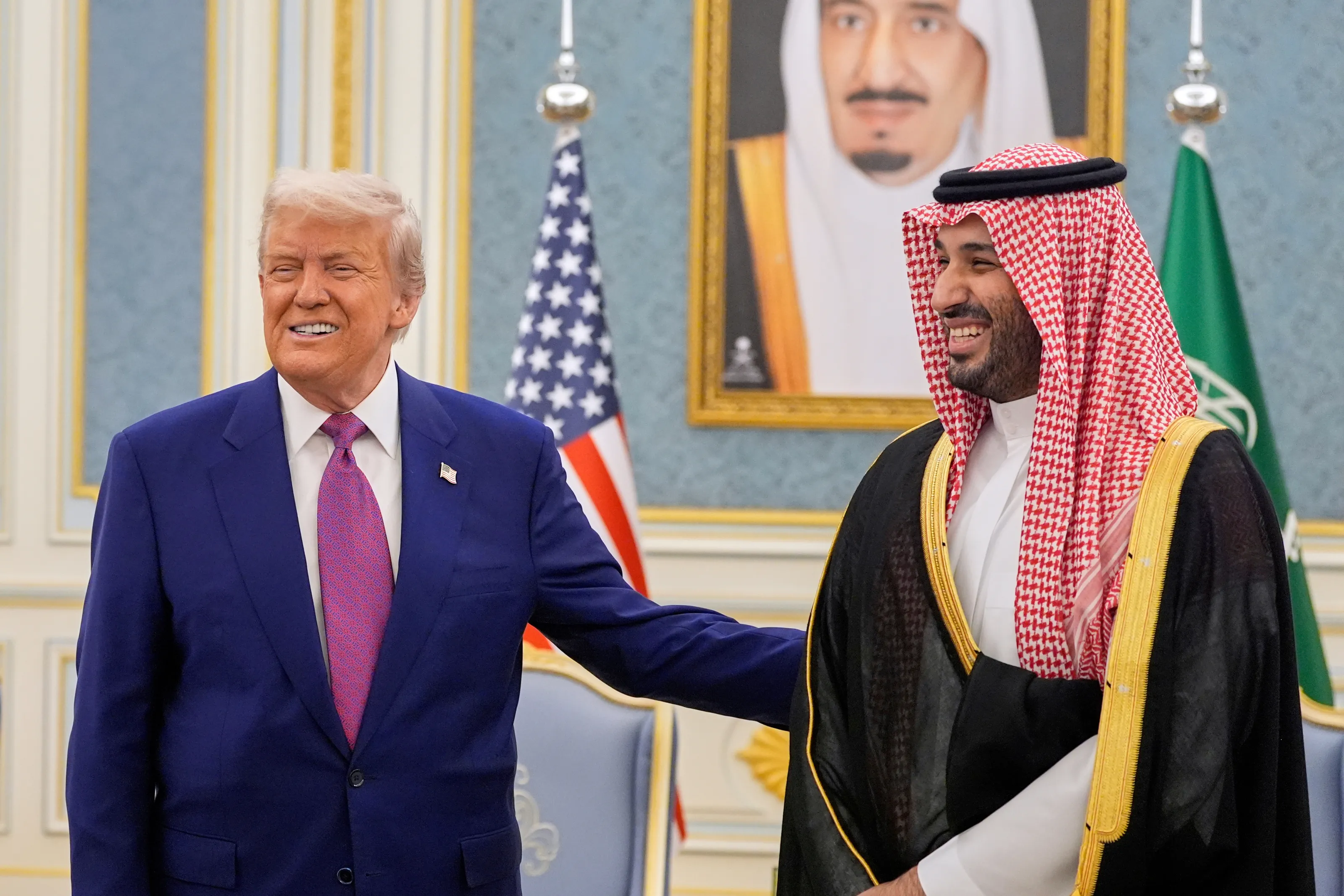
In that light, the headline $142 billion U.S.–Saudi defense package announced during President Donald Trump’s 2025 visit takes on deeper strategic meaning[8]. Its significance lies less in the topline figure than in the sustainment architecture it will commit to under the Saudi defense ecosystem; long-term collaboration in training, maintenance, and logistics to ensure that advanced platforms can be operated and supported in the Kingdom over time. In other words, cooperation becomes the mechanism through which interoperability is converted into industrialization, embedding the deal within Saudi Arabia’s localization framework.
Because sustainment spending dwarfs initial procurement over a system’s life cycle (on the order of around70%), the new rules render sustainment the strategic hinge of the Saudi–U.S. defense relationship. Performance-based logistics, local Maintenance, Repair and Overhaul (MRO) hubs, and shared supply chains become the venues where U.S. contractors meet GAMI’s localization targets without compromising U.S. export-control constraints.
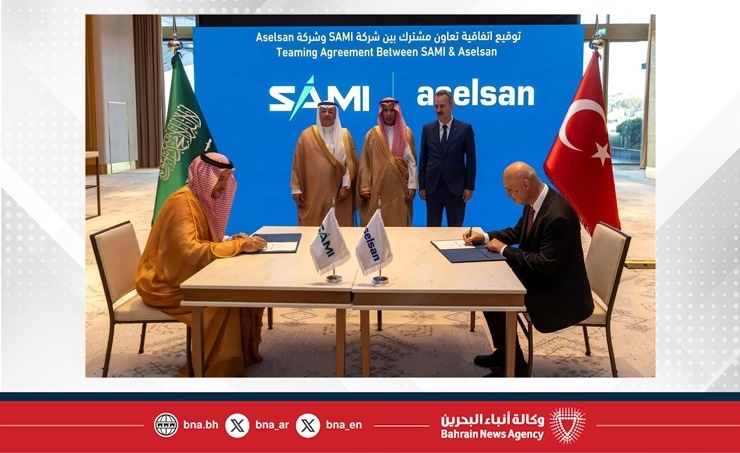
That co-production/sustainment logic is already visible. Boeing and Saudi Arabian Military Industries (SAMI) have created a joint venture to localize maintenance, repair, and overhaul for military aircraft and rotorcraft[9]. In parallel, the General Authority for Military Industries (GAMI) signed its first Industrial Participation Agreement (IPA) with Raytheon to localize Patriot deep maintenance, and Lockheed Martin has awarded Saudi subcontracts tied to the Terminal High Altitude Area Defense (THAAD) system[10].
Building on this reform pivot, the U.S. Military Training Mission (USMTM) continues to work with the Saudi forces. However, cooperation is no longer limited to routine training. Increasingly, it has moved into emerging domains of warfare. Joint exercises like Red Sands now focus on countering drones, integrating sensors and shooters through common command and control (C2) frameworks, and testing both kinetic and non-kinetic effects. This shift marks a reform moment: training has evolved from teaching core skills to developing new tactics, techniques, and procedures for the threats Riyadh faces today.
First, the United States remains risk-averse on technology transfer, so the localization packages reaching Saudi Arabia are tightly scoped-assembly, components, and maintenance with bounded technical data under U.S. International Traffic in Arms Regulations (ITAR)[11][12]. These steps can lift availability, create jobs, and thicken supply-chain resilience, but they fall short of what today’s missile, drone, and electronic-warfare environment demands.
The crown-jewel levers-seekers and guidance, advanced sensors and radar modules, mission software/firmware, engine hot sections, and crypto/COMSEC (the measures taken to protect military communications)-remain U.S.-gated, leaving rapid reprogramming, new threat libraries, to identify scenarios and proper responses, and deep modifications dependent on foreign approvals and timelines. For Riyadh, autonomy is improving in sustainment and cost control yet still bound at the design and upgrade layer.
Moreover, Riyadh’s cooperation with Washington is tempered by a hard lesson about commitment risk. The 2019 attacks against Saudi Aramco’s plants in Al-Abqaiq and Khuraisexposed how missile and drone salvos can impose strategic and economic shocks, and it sharpened questions about external guarantees. In 2021 the United States repositioned Patriot and THAAD batteries out of Saudi Arabia despite being in active war in Yemen, underscoring that U.S. force posture in the Gulf is fluid. Most recently, Israeli airstrikes in Doha jolted the sense of what Washington means for the region, reinforcing Riyadh’s instinct to hedge, even while it keeps U.S. interoperability at the core.
That hedging instinct now extends beyond supplier diversification into formal defense partnerships. Shortly after the Israeli attack on Qatar, Saudi Arabia signed a mutual defense pact with Pakistan in September 2025, a nuclear-armed state, pledging reciprocal protection in case of attack. Statements by Pakistani officials that their nuclear capability could be “made available” to the Kingdom—later softened in clarifications—fueled speculation about Riyadh seeking a de facto nuclear umbrella through a proxy[13]. Whether or not that interpretation holds, the signal is clear: as Washington calibrates its commitments, Saudi Arabia is broadening its own security architecture, layering regional partnerships alongside its U.S. anchor.
Second, the emerging tech landscape reshapes the bargaining environment. In domains like Unmanned Aerial Systems (UAS), counter-UAS, electronic warfare, and C4ISR software[14], entry barriers are lowered, and the supplier pool increases for the Kingdom. These suppliers do not displace the U.S., but they complicate Washington’s dominance. This change erodes America’s monopoly and allows Riyadh to play multiple and diversify inputs in fast-moving niches, signaling a more multipolar market.
This is where U.S. firms’ caution with technology transfer matters. American primes tend to restrict local work to assembly, maintenance, or low-end production. From their perspective, this is prudent, given ITAR rules and concerns about intellectual property. But for Riyadh, it creates frustration and often pushes it toward European and Asian suppliers willing to offer more generous industrial terms.
Saudi Arabia is already acting on that logic. It has expanded its supplier base while also investing heavily in its own defense industry[15]. This dual approach-diversifying sources abroad while scaling local manufacturing-reflects a deliberate hedging strategy: broaden partnerships where software and data packages travel with the systems, while preserving the United States as the integrator of record for critical interfaces and certification.
This problem is most visible in U.S.-origin platforms. The M1 Abrams tank and M2 Bradley infantry fighting vehicle are formidable assets, but their engines, fire-control systems, and electronics tie Saudi forces into long, expensive sustainment pipelines dominated by U.S. contractors. These tails often cost more than the acquisition itself.
By contrast, localized systems—such as AK-103 rifles, ammunition, and some armored vehicles—illustrate the opposite dynamic. They are less prestigious but cheaper to sustain, easier to maintain domestically, and aligned with Vision 2030’s goals of jobs and resilience. This juxtaposition highlights the life-cycle paradox: prestige purchases deliver capability but lock in dependency, while humbler systems deliver cost-effectiveness and sovereignty.
The Royal Saudi Land Forces, with about 75,000 personnel, provide a clear illustration of these dynamics. On one side of the ledger are U.S.-supplied Abrams tanks, Bradleys, and artillery-high-end capabilities with costly sustainment chains. On the other side are localized efforts in small arms, ammunition, and armored vehicles-lower-tech but more sustainable, with genuine industrial spillovers.
This contrast reflects a national balancing act: Saudi Arabia is capable of achieving industrial bargaining gains in areas more amenable to localization, while continuing to procuring to the U.S. advanced platforms that carry much of the sustainment burden.
Riyadh has already begun to move along this path. The first step has been to push beyond simple assembly toward localized production in land systems, missile components, and electronics.[16] In parallel, Saudi firms are working to build absorptive capacity, such as Centers of Excellence in land systems. Efforts at greater life-cycle discipline are also visible, as sustainment agreements increasingly tie procurement to domestic maintenance and repair platforms. Finally, diversification is being pursued cautiously but deliberately, with new partnerships with Turkey, Spain, and South Korea layered atop continued reliance on U.S. primes, preserving interoperability while expanding options. In practice, the road is challenging, but Saudi Arabia is already sequencing localization, capacity-building, sustainment reform, and diversification in ways that will define the next phase of its defense cooperation with Washington.
[1] Ministry of Finance, Kingdom of Saudi Arabia, Budget Statement FY 2025 , pg. 86
[2] Ministry of Finance, Kingdom of Saudi Arabia, Budget Statement FY 2025 , pg. 88
[3] General Authority for Military Industries (GAMI), Industrial Participation Policy, pg. 8
[4] General Authority for Military Industries (GAMI), Industrial Participation Policy, pg. 12,13
[5] General Authority for Military Industries (GAMI), “Localizing the Sector”
[6] Stockholm International Peace Research Institute (SIPRI), Trends in International Arms Transfers, 2024, fact sheet, March 2025, https://www.sipri.org/publications/2025/sipri-fact-sheets/trends-international-arms-transfers-2024
[7] Stockholm International Peace Research Institute (SIPRI), Trends in International Arms Transfers, 2024, fact sheet, March 2025, https://www.sipri.org/publications/2025/sipri-fact-sheets/trends-international-arms-transfers-2024
[8] [8] The White House, “Fact Sheet: President Donald J. Trump Secures Historic $600 Billion Investment Commitment in Saudi Arabia,” May 13, 2025, https://www.whitehouse.gov/fact-sheets/2025/05/fact-sheet-president-donald-j-trump-secures-historic-600-billion-investment-commitment-in-saudi-arabia/.
[9] “Red Sands 2025: U.S. and Saudi Arabia Test 20 Counter-Drone Systems in Record Middle East Drills,” Army Recognition, September 17, 2025, https://armyrecognition.com/news/army-news/2025/u-s-and-saudi-forces-team-up-for-middle-easts-biggest-counter-drone-exercise
[10] Lockheed Martin, “Lockheed Martin Awards Localization Subcontracts for THAAD Weapon System in the Kingdom of Saudi Arabia,” Lockheed Martin Newsroom, February 5, 2024, https://news.lockheedmartin.com/en-...on-system-in-the-kingdom-of-saudi-arabia.html
[11] The International Traffic in Arms Regulations (ITAR) restrict U.S. defense firms to narrowly scoped transfers—via Technical Assistance or Manufacturing License Agreements—covering assembly, maintenance, or components rather than full technology handover.
[12] U.S. Department of State, Directorate of Defense Trade Controls, “International Traffic in Arms Regulations (ITAR), https://www.pmddtc.state.gov/ddtc_public?id=ddtc_public_portal_itar_landing
[13] Associated Press. “Pakistan Says Its Nuclear Program Can Be Made Available to Saudi Arabia under Defense Pact.” AP News, September 17, 2025. https://apnews.com/article/pakistan-saudi-nuclear-pact-defense-e66e0ded8045812c8aea39e21d764836
[14] “Command, Control, Communications, Computers, Intelligence, Surveillance, and Reconnaissance” systems—software that integrates sensors, networks, and decision-making tools to give armed forces real-time battlefield awareness and coordination.
[15] For example, SAMI is building a land-systems manufacturing base through the SAMI Land Industrial Complex, envisioned as the hub for armored vehicle and weapons production inside the Kingdom.
[16] This is illustrated by SAMI’s new armored vehicle complex, local manufacturing of THAAD missile parts, and the integration of Advanced Electronics Company into the national defense portfolio.
www.ispionline.it
3 Oct 2025

Saudi Arabia’s recent naval modernization has been driven by two primary factors: an ageing navy and a shifting strategic landscape. In response, Riyadh has ramped up naval procurement and accelerated the development of domestic shipbuilding capabilities, although it continues to face challenges.
At the same time, the Kingdom’s strategic environment is undergoing significant change. Iran continues to expand its regular navy (Nedaja) and the Islamic Revolutionary Guard Corps Navy (IRGCN), commissioning submarines, drone carriers, and hundreds of speed boats. Since 2019, Tehran’s harassment and seizure of merchant vessels around the Strait of Hormuz and in the Gulf of Oman have demonstrated its willingness to use coercive maritime tactics. Meanwhile, under Saudi’s Vision 2030, the country is shifting its economic centre of gravity toward the Red Sea, launching numerous mega-projects, tourist resorts, and ports and logistics hubs—all of which rely on a safe maritime domain. The ongoing Houthi threat further compounds these challenges.
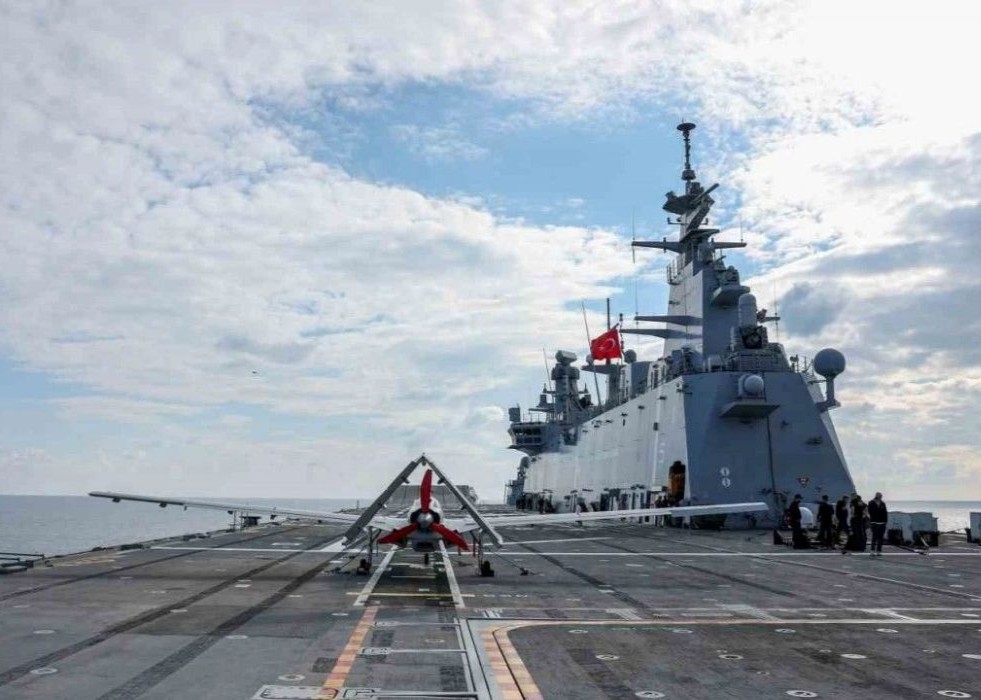
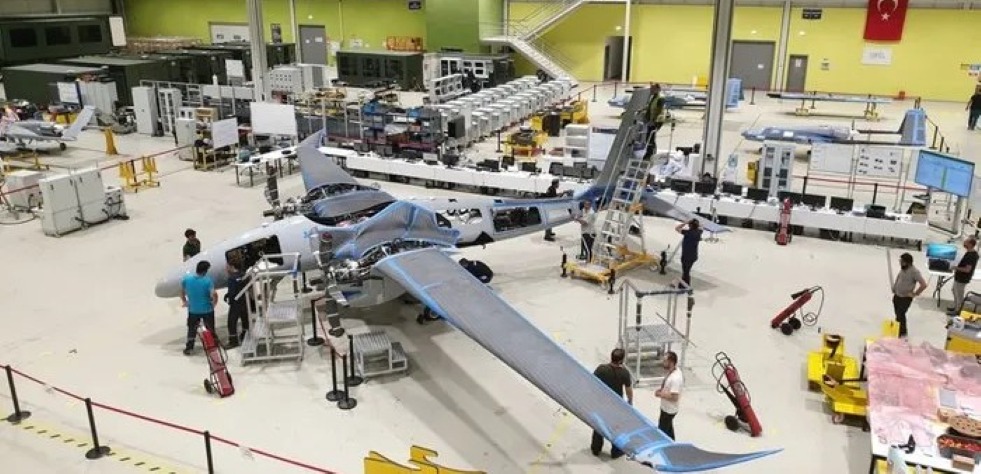
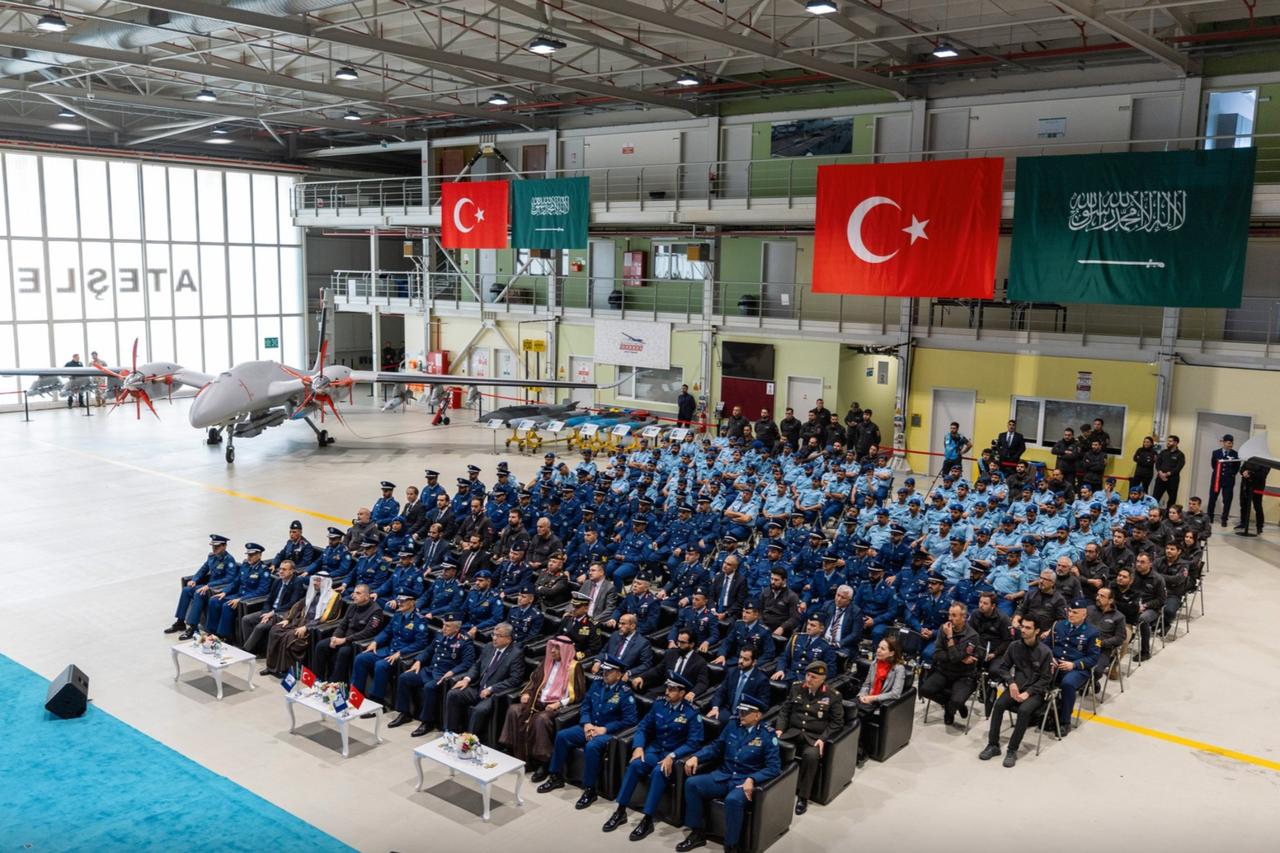
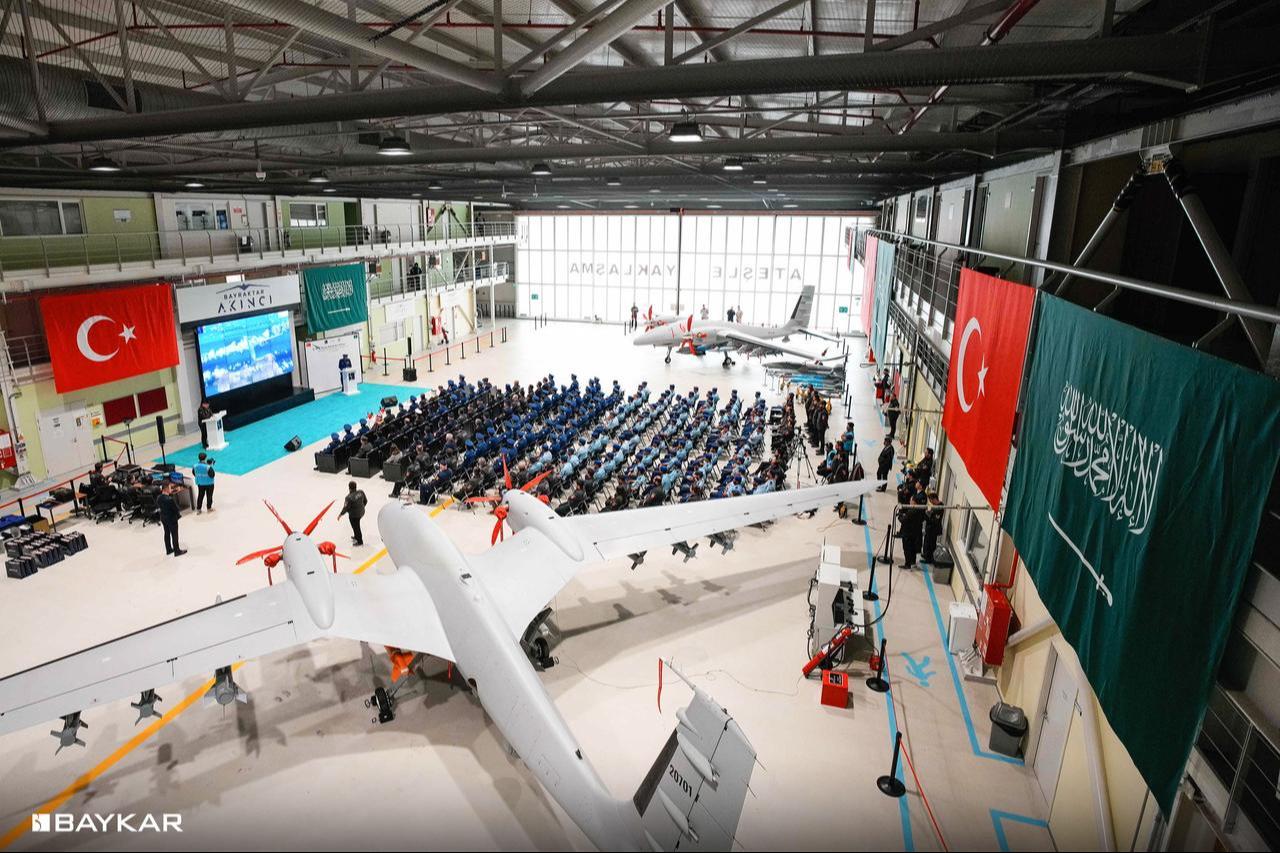
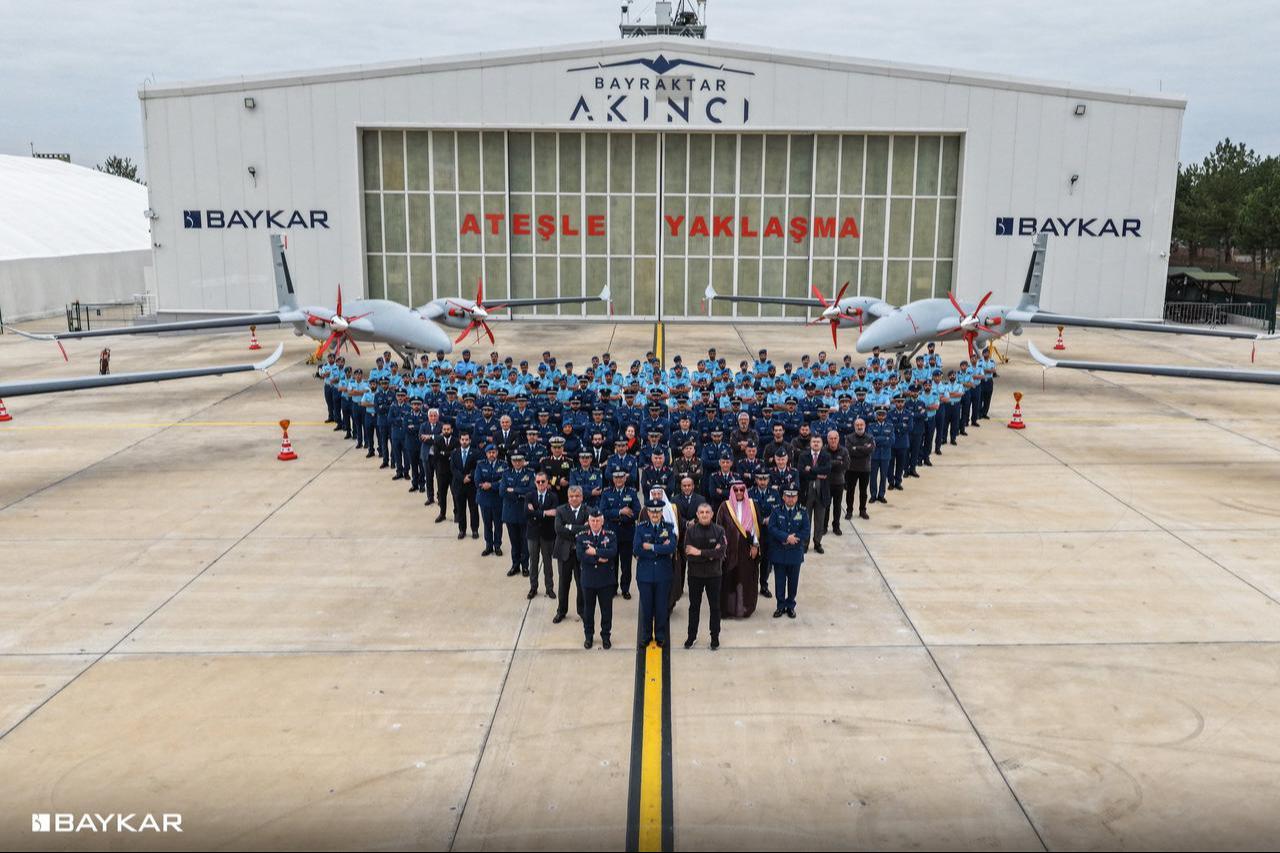
Other smaller acquisitions include 58 patrol boats for the navy and 79 for the maritime division of the Border Guard, as well as an undetermined number of patrol craft from Germany’s Lürssen. The navy also procured 10 anti-submarine warfare helicopters and is set to receive some of the Bayraktar Akinci UAVs, following Saudi Arabia’s 2023 contract with Türkiye’s Baykar.
Table 1: Selected Saudi naval acquisitions since 2014.
Source: Military Balance+, author’s research.
*Not all the Bayraktar Akinci will enter service in the Saudi navy.
The Saudi navy has reportedly allocated at least USD4bn for further acquisitions over the next few years. These include requirements for five light frigates, two replenishment oilers, maritime patrol aircraft, and additional high-speed patrol craft for the Border Guard. The Kingdom is also exploring the acquisition of MQ-9 UAVs (drones) and unmanned surface vessels (USVs, also known as drone boats) for maritime surveillance, and potentially an amphibious assault ship—though this remains unconfirmed.
Meanwhile, Saudi naval personnel are receiving training from a range of international partners, including, among others, the Spanish Navy with support from Navantia, the Indian Navy (which trained 55 cadets in 2023 and 76 in 2024), the US Navy, and the FrenchMinistry for the Armed Forces.
While acquiring advanced vessels remains a key component of Saudi naval modernization, parallel efforts to cultivate a domestic shipbuilding industry are now gaining momentum.
Today, the ecosystem stands at an inflection point with the establishment of Sofon Naval—Saudi Arabia’s new naval shipbuilding champion—set to operate from a new planned shipyard soon to be built in Ras Al-Khair, in the Saudi Eastern Province. Sofon Naval will fall under Sofon Holding, a strategic sector champion tasked with fast-tracking the development of the shipbuilding industry. Although the commercial side of this ambitious initiative is advancing more rapidly than the naval component, Saudi Arabia ultimately hopes to produce most of its navy and coast guard vessels domestically. As of early 2025, Sofon Naval’s shipyard remains in the conceptual design stage. Once completed, it intends to accommodate vessels up to the size of a destroyer.
However, building a shipyard is only one part of the equation. Sofon also needs to hire and train a skilled workforce of marine engineers and technicians. In the short term, this likely means hiring experienced personnel from South and Southeast Asian origin. However, to meet the country’s Saudization targets, developing a capable domestic workforce is essential. For this, institutions such as King Abdulaziz University and the National Maritime Academy (NMA) could play a key role. Although NMA was originally established to train mariners, in 2019 it announced plans to launch a new branch to train shipyard workers—though it remains unclear whether this initiative has been implemented. NMA is also collaborating with several foreign partners to strengthen its engineering and shipbuilding course offering, including BAE Systems SDT, City of Glasgow College, and the International Maritime Industries.
The Kingdom has also benefited from training provided by international defence companies. In 2021, France’s Naval Group announced plans to train over 50 Saudi engineers and technicians over a three-year period, and to recruit around ten local engineers to be mentored by French senior employees, with the aim of integrating them into the company. Navantia has already trained 200 Saudi blue-collar workers in Spain, equipping them with the skills to maintain the five Al-Jubail-class corvettes.[1] Under the new agreement for three additional corvettes, Navantia plans to train 105 Saudi shipbuilding engineers who are expected to join Sofon Naval. MEMR reportedly provides training on MRO for patrol ships.[2]
First, key capabilities remain underfunded as of early 2025—particularly in the areas of logistics and support ships, and mine countermeasures vessels. These gaps could constrain the navy’s ability to conduct both long-endurance missions and demining operations respectively, the latter being especially critical in strategic chokepoints such as the Strait of Hormuz and Bab el-Mandeb.
Second, the long-term sustainability of Saudi Arabia’s naval shipbuilding enterprise remains uncertain. The accelerated nature of its establishment may lead to unexpected obstacles, including challenges to retain skilled personnel and a lack of sustained demand. Strengthening the technical education and training pipeline will also require time and sustained investment. Even then, the shipbuilding sector may struggle to attract local talent due to the shipyard’s remote location in Ras Al-Khair, in addition to competing with more appealing alternatives in sectors like entertainment and technology.
Lastly, the acquisition of all the naval assets listed in Table 1 does not automatically translate into effective military capability. This needs to go hand in hand with rigorous and regular military training—both in live and synthetic environments. Given the ageing condition of several major vessels in the Eastern Fleet, there is concern that at-sea deployments and training may not be occurring with the necessary frequency or intensity.
[1] Author’s communication with an industry professional, January 2025.
[2] Author’s communication with an industry professional, November 2024.
www.ispionline.it
3 Oct 2025

Saudi Arabia is prioritizing international partnerships with NATO members and partners, rather than with China and Russia, in two of the most innovative defence industry segments: the sixth-generation stealth fighter aircrafts and the underwater dimension. On these topics, Riyadh is also pursuing defence collaborations without the US, eying or building complementary partnerships with European and Asian states.
Three priorities are guiding Riyadh, under the framework of Vision 2030. The first is Saudi Arabia’s diversification efforts in defence, while maintaining the special alliance with the US. The second is the capability goal: building national expertise at technical level, focusing on Saudi defence industries and workers, to boost non-oil economy and moving towards long-term defence autonomy. This means, for instance, pushing on local production of defence components, and on domestic military services capabilities for repairing and maintenance. The third priority is promoting groundbreaking technological research to cope with rapidly evolving threats and maximise Riyadh’s middle power status.
On sixth-generation fighters and the underwater, the international partnerships that Saudi Arabia is shaping fit into this strategy.
Two factors would make Saudi Arabia’s participation in the aircraft programme an added value: financial resources and bourgeoning AI investments. In recent years, Saudi Arabia has committed heavily to AI and other disruptive technologies, earmarking 40 billion dollars for AI-related investments. The Saudi government has placed technological alphabetization, and more broadly STEM disciplines,1at the core of education efforts: in 2025, the government allocated 12 billion dollars toward tech innovation in education, comprised STEM labs in school and universities.
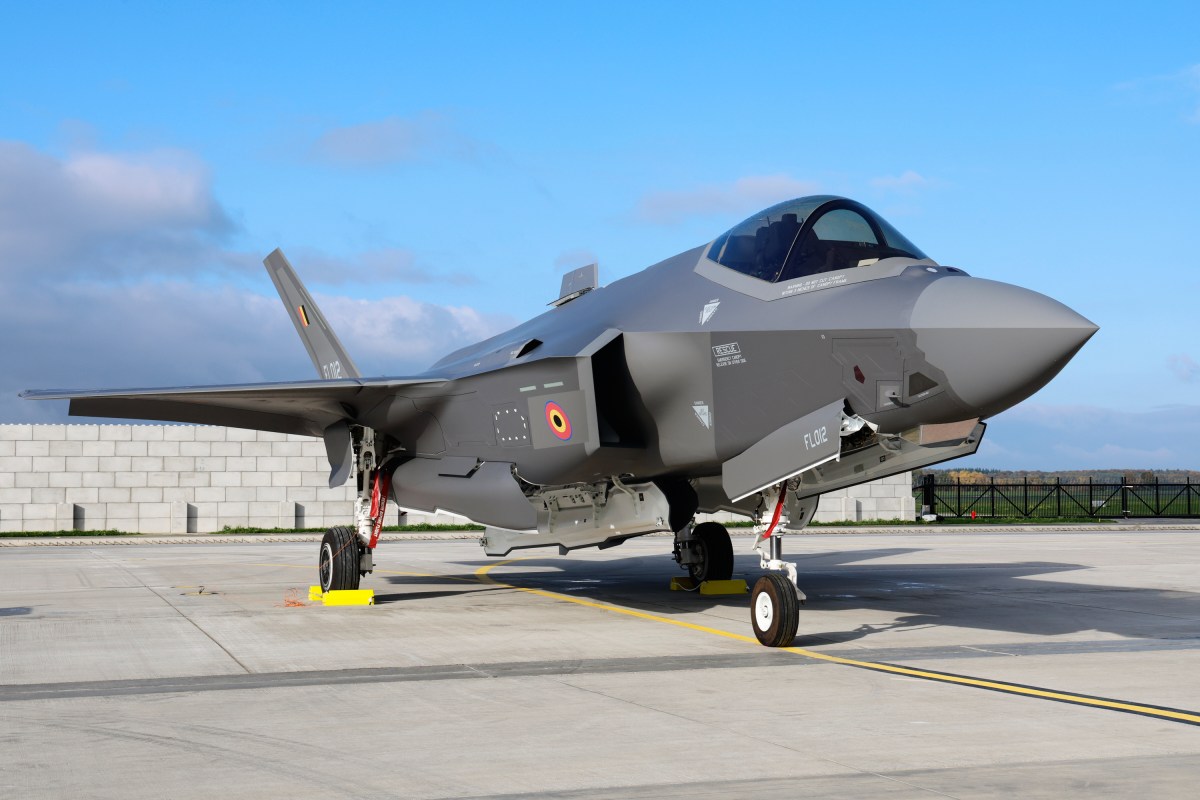
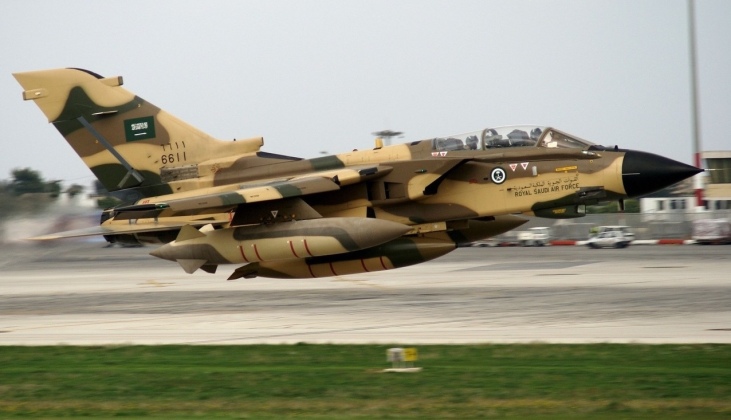
On aircraft cooperation, Riyadh would not start from scratch. The British and the Italian industrial ´legs` of GCAP, BAE Systems and Leonardo, have subsidiaries in Saudi Arabia and train Saudi nationals in fields like engineering, technology and aviation. At a practical level, the Royal Saudi Air Force is already operating the Eurofighter Typhoon (the fourth-generation project among UK, Germany, Italy and Spain), which is interoperable with GCAP and will be replaced by the latter once the sixth-generation aircraft’s production, expected in 2035, will start. Furthermore, the Saudi partnership would favour GCAP’s future access to export markets in the GCC states.
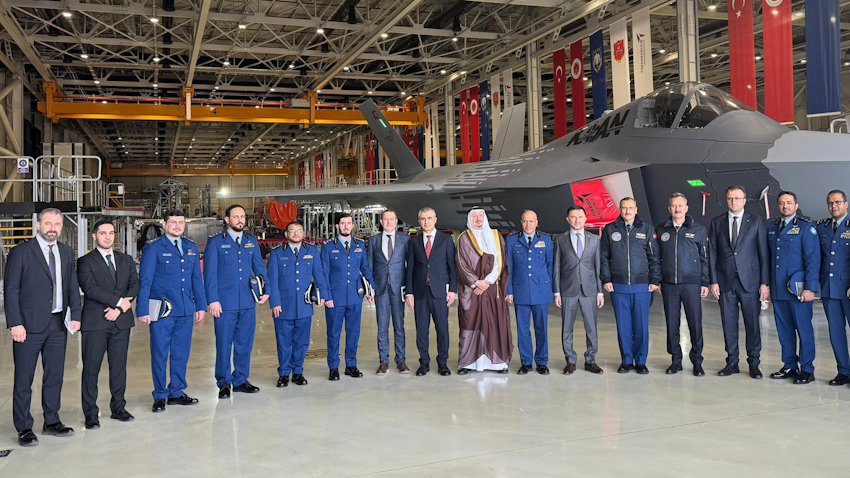
Alongside GCAP, Riyadh is also exploring the possibility to participate to another NATO country-related project: KAAN, the Turkish fifth-generation fighter aircraft, recently joined by Egypt.
For the Saudi strategy, KAAN would not represent an alternative to GCAP, but rather a complementary, ´in-between` programme. Reasons are multiple. First, KAAN production is expected to start in 2028, thus earlier than GCAP; second, the Turkish aircraft programme is developed with BAE Systems, GCAP’s industrial partner; third, the Saudis could replicate Egypt’s collaboration scheme, which comprises technology transfer, collaborative production lines, and future procurement; finally, KAAN could play a role in the Saudi adaptation to more advanced technologies, like a ´belt project` supporting national defence transition from current fourth-generation capabilities (ex. the F-15 jets now operated by the Royal Saudi Air Force), to the fifth-generation and towards the sixth.
The rise of critical underwater infrastructure in Saudi Arabia must be effectively protected: advanced technologies and AI applications can support detection and surveillance systems to prevent below-the-threshold tactics in the seabed, ranging from espionage to disruption and sabotage.
In this context, Riyadh is working to acquire underwater defence products, such as the potential sell of torpedoes by the US to boost Saudi anti-submarine warfare capabilities.
Saudi Arabia is also building international research and development collaborations, with France as main partner. This occurs despite Chinese and Russians having significant experience in both traditional (submarines) and new tools (uncrewed underwater vehicles) of underwater warfare. However, the Saudis are opting for defence cooperation with NATO members and partners to shape their national seabed strategy.
In 2024, the Saudis ordered five Captas-1 sonars from France’s Thales to detect submarines operating in shallow waters. In 2019, Saudi Arabian Military Industries (SAMI) and France’s Naval Group had already signed a memorandum for a joint venture (51:49), to develop and manufacture submarines. Building on that agreement, SAMI and Naval Group are now negotiating the establishment of a research and development centre in Dammam, on the Saudi Gulf shore, focused on underwater warfare capabilities.
Conversely, Riyadh looks less eager than previously to partner with China and Russia on innovative defence industry projects, because of sanctions threat and geopolitical considerations. This adds to the recent pro-US Saudi policy direction on AI (ex. the Nvidia chip deal in May 2025), and critical minerals (the May 2025 US-Saudi memorandum), which are also fundamental for the defence industry field.
Partnering with NATO members and partners, Riyadh can incrementally get closer to the Atlantic Alliance’s know how and, practically, to its military standards in the long run. This may occur even though the Saudis have never joined formal NATO partnerships (the Istanbul Cooperation Initiative, ICI), although participating at selected Atlantic Alliance’s military education initiatives, for instance on counter-improvised explosive devices and maritime security.
Growing Saudi defence collaborations on innovative defence industry segments with some NATO members and partners can gradually impact Saudi international posture, carrying geopolitical implications that warrant careful monitoring.
[1] Science, technology, engineering and mathematics.
www.ispionline.it
3 Oct 2025
A Strategic Business: The Politics of Saudi Arabia’s Defence Transformation
How is Saudi Arabia’s defence transformation reshaping its industrial base, military modernisation, and strategic partnerships while balancing U.S. interoperability with growing ties to European and Asian partners?Eleonora Ardemagni
ISPI Senior Associate Research Fellow MIDDLE EAST AND NORTH AFRICA
For Saudi Arabia, defence transformation is much more than acquiring sophisticated weapons or to diversify the economy. Beneath the surface, it represents a political strategy aimed at creating local industrial value while renovating domestic power dynamics. From land forces to the naval domain, shaping a Saudi specialised workforce is key to the defence industrialisation effort. The challenge, however, is striking an effective industrial, and geopolitical balance between the diversification of defence partners, and US-linked interoperability. This ISPI Dossier delves into the most ambitious Vision 2030’s goal. The more Riyadh teams up with Washington to localise maintenance, repair and components, the more it searches to advance on tech-driven products and capabilities, partnering with European and Asian’s NATO members and partners. Where does Saudi defence industry stand? And Navy’s modernisation? What about Riyadh’s interests in joining the GCAP programme for sixth-generation fighter jets?
A Strategic Business: The Politics of Saudi Arabia's Defence Transformation | ISPI
How is Saudi Arabia’s defence transformation reshaping its industrial base, military modernisation, and strategic partnerships while balancing U.S. interoperability with growing ties to European and Asian partners?
www.ispionline.it
3 Oct 2025
Localising Power: Saudi Defence Industrialisation as Strategic Bargain
Saudi Arabia’s defence industrialisation is less about self-reliance than strategic leverage. Through localisation, capital allocation, and institutional entanglements, Riyadh builds bargaining power and political authority long before achieving full technical autonomy.Emma Soubrier
PRISME Initiative, Université Côte d'Azur
Saudi Arabia’s budding defence industrialisation is first and foremost a political strategy. Long before it delivers any credible industrial self-reliance, it manufactures bargaining power—through capital allocation, storytelling-as-performance, and institutional entanglements. Since 2017, Riyadh has built a two-pillar defence-industrial machine—the General Authority for Military Industries (GAMI) to set the rules, and the Saudi Arabian Military Industries (SAMI) to execute—under a Vision 2030 pledge to localise half of military spending. The steady drumbeat of “local production” announcements and expo-floor MoUs invites a simple reading: capability gaps are closing, and self-sufficiency is within reach.[1] Yet these are wrong—or at least insufficient—benchmarks. What the Saudi project buys most reliably is strategic room, rather than technical autonomy.
That point is sharpened by today’s shifting terrain. The 2023 China-brokered Saudi–Iran rapprochement formalised a de-risking instinct, while NATO’s outreach—marked by the Secretary General’s first-ever visit to Riyadh in December 2023—widened Western venues.[2] At the same time, Riyadh’s distance from Washington has grown as the United States shields Israel’s maximalist, militarised course—from its ongoing war on Gaza, widely characterised as genocidal, to Israel’s June 2025 strikes on Iran’s nuclear programme, condemned by arms-control experts as unlawful. The ensuing twelve-day war, including Iran’s first direct strike toward a US target inside GCC territory, underscored why air-and-missile defence remains critical for the Kingdom even amid efforts to de-escalate. Most recently, Israel’s strike in Doha—denounced at the United Nations as a flagrant violation of Qatar’s sovereignty—both heightened Gulf threat perceptions and reinforced doubts about the reliability of US security guarantees.
This commentary sets out the narrated goals (diversification, localisation, “strategic autonomy”), takes stock of where things stand, and turns to where metrics are most successful—the political economy and financial plumbing organising Saudi “autonomisation”.[3]
What is the narrated goal?
In official discourse, defence industrialisation is cast as an engine of economic diversification: a pipeline for high-skilled jobs, research and development uplift, dual-use spillovers, and prestige manufacturing capable of anchoring new industrial poles. The Saudi Vision 2030 explicitly braids economy and security—defence is portrayed as an enabling platform for the post-oil pivot. Under Mohammed bin Salman (MBS), these efforts and narrative have been very similar to, and credibly inspired by, Mohammed bin Zayed (MBZ) in the United Arab Emirates (UAE). It is worth noting how the biennial World Defense Show (WDS) in 2022, which performs this ambition as much as it builds it, was explicitly marketed as a rival to Abu Dhabi’s IDEX (the International Defence Exhibition & Conference), held for the first time in 1993.[4] The point is to signal investor-readiness and policy seriousness to domestic and external audiences alike.A second element is capability localisation. The language is one of “autonomisation”: taking on larger shares of procurement, insulating against shifts in supplier politics, tailoring systems to local missions, and gradually moving up the value chain. This became especially salient when traditional partners debated freezing or delaying arms exports to Saudi Arabia, underscoring thefragility of dependence.[5] The message projected is that Riyadh can shape its own security future—reinforced through high-profile announcements of local production milestones and integration centres.
Last but not least, defence industrialisation is cast above all as a pursuit of sovereignty—often glossed as strategic autonomy. Localisation is presented as a means to hedge against over-reliance on single partners, particularly the United States, which has appeared less dependable as a security guarantor—most strikingly in its muted response to the 2019 oil facility attacks, feeding speculation about the Carter Doctrine’s demise. Doubts extend to Europe. Industrial policy is thus embedded within a broader diplomatic grammar: de-escalation with rivals, diversification among great powers, and localisation as a political lever in an increasingly multipolar order.
Where do we stand?
On diversification, movement seems real, and official hopes are high. Khaled Ramadan, chairman of the International Center for Strategic Studies in Cairo, recently described Saudi military industries as a “cornerstone” of diversification, projecting a SR14 billion ($3.7 billion) contribution to GDP by 2030 and 40,000 jobs in engineering and electronics.[6] Such optimism reinforces the idea that localisation can spill over into advanced manufacturing and non-oil growth. Yet, evidence remains scant: oil still dominates the Saudi economy, and while non-oil activity grew 4.6 percent in the second quarter of 2025, the defence sector’s diversification impact is still largely aspirational. As Omar al-Ubaydli has argued, defence manufacturing is highly capital-intensive, weakly connected to the wider economy, and generates limited spillovers — making it a poor candidate to drive broad-based diversification when absorptive capacity is the real constraint.[7]On localisation toward self-sufficiency, progress is tangible yet deceptive. GAMI reports localisation rose from 4% in 2018 to 19.35% in 2024.[8] Successes include Maintenance, Repair and Overhaul (MRO), land-systems, C2 software, corvettes, and drone payloads—such as the Hazem combat system for Avante 2200 corvettes, CETC-linked drone components, and, most emblematically, the first locally produced THAAD launcher parts in 2025. Yet these headline figures often mask reliance on export-controlled supply chains: “local” awards mean assembly and integration, not autonomy. Industrial independence remains out of reach, even as localisation delivers bargaining leverage and the optics of capability.
On strategic autonomy, the network of suppliers is wider, but the architecture remains firmly bounded to the United States. Riyadh has multiplied its options, bringing in Korean partners for K9 howitzers and Chinese firms for UAV subsystems, among others. Yet the backbone of its security apparatus is still American—above all in missile defence and operational integration. It is worth underlining that neither China nor Russia seem to have the appetite or credibility to replace the US in its role of security guarantor anyway. This is not a zero-sum game of substitution, but a strategy aimed at gaining room to manoeuvre: a hedging game that Saudi plays with growing efficiency, as alternative metrics reveal.
What lies beneath?
Stepping back from factory counts and localisation percentages, the most immediate function of Saudi defence industrialisation is political. Capital-intensive projects centralise control over budgets, offsets, and licensing; they consolidate authority, distribute patronage through remodelled channels, and symbolically anchor leadership priorities under Vision 2030’s modernising gloss. As Neil Partrick put it, Saudi military reform “boils down to better cash control and a modest domestic defense industry”—with money as a tool to deepen political authority and claim domestic credibility.[9] The diversification claim thus coexists with an internal-power logic: defence industrialisation operates less as an engine of productivity than as a state-led coordination device and nation-branding platform, embedding rentier bargains in militarised form.This political work sustains itself not only through budgets and institutions but also through performance and storytelling. Saudi Arabia’s first pavilion at Eurosatory 2024 in Paris, organised by GAMI, projected technological ascent and industrial credibility, even hinting at export potential. The appearance of capability often is capability: visibility shapes expectations, deters doubt, and—at best—buys time for slower build-up.[10] The parallel with sustainable energy is telling: the announcement of mega-projects performs resilience and attracts capital, regardless of whether they ultimately deliver. Defence industrialisation operates in the same register, where spectacle yields not just symbolic reassurance but reputational assets that can be mobilised diplomatically long before material autonomy is achieved. Narrative, in this sense, is constitutive of power.
A deeper layer lies in the financial architecture that organises Saudi Arabia’s defence “autonomisation.” Much of what passes for localisation is in fact about embedding foreign primes into Saudi markets and governance networks. As Shana Marshall notes, the rise of “landed companies” in the Gulf—subsidiaries like Saab UAE or Raytheon Emirates and, to come back to the Saudi case, BAE Systems Arabian Industries—binds external firms structurally to local priorities. Riyadh’s “regional HQ” policy, pushing multinational corporations to relocate their headquarters in the country, and offset rules serve the same function, folding production into a state-controlled web of capital and licensing. These create institutional entanglements that complicate export bans, redirect flows of finance and expertise, and extend Saudi agency into opaque transnational circuits.[11] What emerges is that defence industrialisation manufactures less independence than interdependence—on Saudi terms, to enlarge its bargaining power and strategic latitude.
[1] Mohammed al-Kinani, “Saudi Arabia’s drive to build a defense powerhouse”, Arab News, August 9, 2025, https://www.arabnews.com/node/2611276/business-economy
[2] Kristian Coates Ulrichsen, “De-Risking the Neighbourhood: The Security Politics of Saudi Vision 2030” (pp. 21-32) and Cinzia Bianco, “Policy Recommendations for the EU: Seizing the Gulf’s Connectivity Momentum” (pp. 133–138), in Eleonora Ardemagni (ed.), The Security Side of Gulf Visions: Adapting Defence to the Connectivity Age (Milan: Ledizioni/ISPI, 2024).
[3] Several themes build on my earlier study—Emma Soubrier, “The Gulf defence industry at the cutting (h)edge of multi-level power strategies”, Defense & Security Analysis (advance online publication, 28 August 2025)—updated and revisited here with a Saudi-specific focus.
[4] Saudi-US Trade Group (SUSTG) Team, “Coming Soon to Saudi Arabia: A ‘World Defense Show’ to Rival Abu Dhabi’s IDEX,” SUSTG.com, https://www.sustg.com/coming-soon-to-saudi-arabia-a-world-defense-show-to-rival-abu-dhabis-idex/.
[5] Shady Mansour, “Diversifying Saudi’s security: Would the US security architecture in the Middle East be threatened?” PRISME Initiative, June 5, 2023, https://prismeinitiative.org/public...rchitecture-in-the-middle-east-be-threatened/.
[6] Cited in Mohammed al-Kinani, “Saudi Arabia’s drive to build a defense powerhouse”.
[7] Omar Al-Ubaydli, “The Potential Drawbacks Associated with Domestic Military Manufacturing in the GCC Countries,” PRISME Initiative, October 19, 2023, https://prismeinitiative.org/public...s-gcc-military-manufacturing-omar-al-ubaydli/.
[8] Saudi Press Agency (SPA), “GAMI Governor: Localization of Military Expenditure Reaches 19.35%, Compared to 4% in 2018,” SPA.gov, November 21, 2024, https://www.spa.gov.sa/en/N2211485.
[9] Neil Partrick, “Saudi Arabia’s Elusive Defense Reform,” Carnegie Sada, November 14, 2019, https://carnegieendowment.org/sada/2019/11/saudi-arabias-elusive-defense-reform?lang=en.
[10] Emma Soubrier, “The Gulf defence industry at the cutting (h)edge of multi-level power strategies”.
[11] Shana Marshall, “The Role of the Gulf States in Expanded Weapons Production in the Global South,” PRISME Initiative, November 29, 2024, https://prismeinitiative.org/public...apons-production-global-south-shana-marshall/.
Localising Power: Saudi Defence Industrialisation as Strategic Bargain | ISPI
Saudi Arabia’s defence industrialisation is less about self-reliance than strategic leverage. Through localisation, capital allocation, and institutional entanglements, Riyadh builds bargaining power and political authority long before achieving full technical autonomy.
www.ispionline.it
3 Oct 2025
Diversifying While Integrating: Industrial Policy Shapes Saudi–US Defense Cooperation
Under Vision 2030, Riyadh is recasting arms deals as industrial policy, shifting its defense ties with Washington from platforms to production.
Amal Altwaijri (Bonus info, the author is a Saudi Arabian lady)
Riyadh is turning arms contracts into industrial policy. The most consequential elements are now workshare and sustainment, not just the bill of sale. Procurement officers and sovereign-fund managers arrive at the table with localization targets, offset schedules, and questions about software rights and sustainment liabilities. Although the United States remains Saudi Arabia’s principal military partner, the currency of their relationship is shifting from platforms to production, from deliveries to domestic value capture. What Washington now offers matters as much in factory build-outs and maintenance know-how as it does in missile range or armor thickness.
Under Vision 2030, Riyadh is recasting defense not only as deterrence, but also as an industrial policy—a vehicle for jobs, technology acquisition, and for retaining some value locally. In this setting, defense cooperation with Washington looks less like a one-way security guarantee and more like industrial bargaining over who captures the economic rents of modernization—through offsets, joint ventures, and licensing. The ambition is clear, so are the risks. While these mechanisms promise localization and capability, U.S. commitment remains under question.
The Ecosystem of Saudi Defense Reform
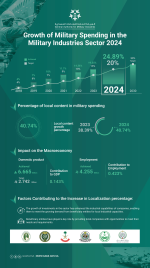
Saudi Arabia’s 2025 budget allocates roughly SAR 272 billion[1] (around USD 72.5 billion) to the military sector, about 21% of total spending[2]. With military outlays occupying a mid-single-digit share of GDP, the sector is not just a matter of national security but also a macroeconomic variable in its own right. Procurement decisions at this scale shape domestic demand, employment, technology acquisition, and industrial competitiveness. Every arms contract carries economic spillover effects, making industrial localization a core element of the Saudi defense policy.As such, the scale of such expenditure makes the design of contracts as important as the systems they procure. It is here that localization emerges not as a peripheral goal but as a structural necessity. This is where the sustainment annex becomes more than a technical add-on: it becomes a strategy. The General Authority for Military Industries (GAMI)-Saudi Arabia’s defense industry regulator-has codified this into binding policy. Under its Industrial Participation Policy, any defense supply contract valued above SAR 150 million (roughly USD 40 million) must include a formal Industrial Participation Proposal, mandating that at least 60% of the contract’s value be localized[3]. This includes domestic Saudi firms. To reinforce compliance, GAMI also operates a valuation-based credit system that rewards contractors for capability development and sourcing from local companies— especially SMEs and sole-source suppliers— thereby aligning financial incentives with national industrial policy[4]. Localization is thus steadily gaining momentum, rising from 4% in 2018 to 19.35% by 2023, with the Kingdom targeting over 50% by 2030[5].
Accordingly, Saudi Arabia’s import profile has eased: it shifted from being the world’s largest arms importer in 2019 to fourth place in 2024[6]. That shift reflects two dynamics. First, the cyclical rhythm of procurement, with peaks when major platforms are delivered and slows as new programs spool up. Second, an early reweighting of value toward domestic sustainment and production, as Riyadh begins to anchor more maintenance, repair, and component manufacturing at home rather than relying solely on imports. With significant deliveries still pending, the Kingdom will remain a major importer in absolute terms—but the trajectory of the ecosystem is clear: the balance of recurring work and spending is steadily migrating inside the Kingdom.
Washington’s role in the Saudi Military Reform
Within this ecosystem, the United States ‘role remains central. Saudi Arabia stays one of Washington’s most significant defense customers, with roughly three-quarters of its recent arms imports sourced from U.S. firms[7]. Yet the relationship has evolved: U.S.–Saudi defense cooperation now functions as a reform instrument as much as a supply channel.In that light, the headline $142 billion U.S.–Saudi defense package announced during President Donald Trump’s 2025 visit takes on deeper strategic meaning[8]. Its significance lies less in the topline figure than in the sustainment architecture it will commit to under the Saudi defense ecosystem; long-term collaboration in training, maintenance, and logistics to ensure that advanced platforms can be operated and supported in the Kingdom over time. In other words, cooperation becomes the mechanism through which interoperability is converted into industrialization, embedding the deal within Saudi Arabia’s localization framework.
Because sustainment spending dwarfs initial procurement over a system’s life cycle (on the order of around70%), the new rules render sustainment the strategic hinge of the Saudi–U.S. defense relationship. Performance-based logistics, local Maintenance, Repair and Overhaul (MRO) hubs, and shared supply chains become the venues where U.S. contractors meet GAMI’s localization targets without compromising U.S. export-control constraints.
That co-production/sustainment logic is already visible. Boeing and Saudi Arabian Military Industries (SAMI) have created a joint venture to localize maintenance, repair, and overhaul for military aircraft and rotorcraft[9]. In parallel, the General Authority for Military Industries (GAMI) signed its first Industrial Participation Agreement (IPA) with Raytheon to localize Patriot deep maintenance, and Lockheed Martin has awarded Saudi subcontracts tied to the Terminal High Altitude Area Defense (THAAD) system[10].
Building on this reform pivot, the U.S. Military Training Mission (USMTM) continues to work with the Saudi forces. However, cooperation is no longer limited to routine training. Increasingly, it has moved into emerging domains of warfare. Joint exercises like Red Sands now focus on countering drones, integrating sensors and shooters through common command and control (C2) frameworks, and testing both kinetic and non-kinetic effects. This shift marks a reform moment: training has evolved from teaching core skills to developing new tactics, techniques, and procedures for the threats Riyadh faces today.
From Dependence to Diversification
Two accelerating trends are changing what “localization” means and where friction with Washington may arise.First, the United States remains risk-averse on technology transfer, so the localization packages reaching Saudi Arabia are tightly scoped-assembly, components, and maintenance with bounded technical data under U.S. International Traffic in Arms Regulations (ITAR)[11][12]. These steps can lift availability, create jobs, and thicken supply-chain resilience, but they fall short of what today’s missile, drone, and electronic-warfare environment demands.
The crown-jewel levers-seekers and guidance, advanced sensors and radar modules, mission software/firmware, engine hot sections, and crypto/COMSEC (the measures taken to protect military communications)-remain U.S.-gated, leaving rapid reprogramming, new threat libraries, to identify scenarios and proper responses, and deep modifications dependent on foreign approvals and timelines. For Riyadh, autonomy is improving in sustainment and cost control yet still bound at the design and upgrade layer.
Moreover, Riyadh’s cooperation with Washington is tempered by a hard lesson about commitment risk. The 2019 attacks against Saudi Aramco’s plants in Al-Abqaiq and Khuraisexposed how missile and drone salvos can impose strategic and economic shocks, and it sharpened questions about external guarantees. In 2021 the United States repositioned Patriot and THAAD batteries out of Saudi Arabia despite being in active war in Yemen, underscoring that U.S. force posture in the Gulf is fluid. Most recently, Israeli airstrikes in Doha jolted the sense of what Washington means for the region, reinforcing Riyadh’s instinct to hedge, even while it keeps U.S. interoperability at the core.
That hedging instinct now extends beyond supplier diversification into formal defense partnerships. Shortly after the Israeli attack on Qatar, Saudi Arabia signed a mutual defense pact with Pakistan in September 2025, a nuclear-armed state, pledging reciprocal protection in case of attack. Statements by Pakistani officials that their nuclear capability could be “made available” to the Kingdom—later softened in clarifications—fueled speculation about Riyadh seeking a de facto nuclear umbrella through a proxy[13]. Whether or not that interpretation holds, the signal is clear: as Washington calibrates its commitments, Saudi Arabia is broadening its own security architecture, layering regional partnerships alongside its U.S. anchor.
Second, the emerging tech landscape reshapes the bargaining environment. In domains like Unmanned Aerial Systems (UAS), counter-UAS, electronic warfare, and C4ISR software[14], entry barriers are lowered, and the supplier pool increases for the Kingdom. These suppliers do not displace the U.S., but they complicate Washington’s dominance. This change erodes America’s monopoly and allows Riyadh to play multiple and diversify inputs in fast-moving niches, signaling a more multipolar market.
This is where U.S. firms’ caution with technology transfer matters. American primes tend to restrict local work to assembly, maintenance, or low-end production. From their perspective, this is prudent, given ITAR rules and concerns about intellectual property. But for Riyadh, it creates frustration and often pushes it toward European and Asian suppliers willing to offer more generous industrial terms.
Saudi Arabia is already acting on that logic. It has expanded its supplier base while also investing heavily in its own defense industry[15]. This dual approach-diversifying sources abroad while scaling local manufacturing-reflects a deliberate hedging strategy: broaden partnerships where software and data packages travel with the systems, while preserving the United States as the integrator of record for critical interfaces and certification.
The Life-cycle paradox of U.S. Systems: The case of Saudi Land Forces Reform
Acquisition costs are only the tip of the iceberg; sustainment, spares, upgrades, and training often represent 60–70 percent of a platform’s total cost over its service life. For Saudi Arabia, which already spends more than a fifth of its budget on defense, ignoring this dimension risks undermining fiscal sustainability.This problem is most visible in U.S.-origin platforms. The M1 Abrams tank and M2 Bradley infantry fighting vehicle are formidable assets, but their engines, fire-control systems, and electronics tie Saudi forces into long, expensive sustainment pipelines dominated by U.S. contractors. These tails often cost more than the acquisition itself.
By contrast, localized systems—such as AK-103 rifles, ammunition, and some armored vehicles—illustrate the opposite dynamic. They are less prestigious but cheaper to sustain, easier to maintain domestically, and aligned with Vision 2030’s goals of jobs and resilience. This juxtaposition highlights the life-cycle paradox: prestige purchases deliver capability but lock in dependency, while humbler systems deliver cost-effectiveness and sovereignty.
The Royal Saudi Land Forces, with about 75,000 personnel, provide a clear illustration of these dynamics. On one side of the ledger are U.S.-supplied Abrams tanks, Bradleys, and artillery-high-end capabilities with costly sustainment chains. On the other side are localized efforts in small arms, ammunition, and armored vehicles-lower-tech but more sustainable, with genuine industrial spillovers.
This contrast reflects a national balancing act: Saudi Arabia is capable of achieving industrial bargaining gains in areas more amenable to localization, while continuing to procuring to the U.S. advanced platforms that carry much of the sustainment burden.
Conclusions
For Riyadh, the challenge is balancing diversification with integration: sourcing from multiple actors without fragmenting its force structure or weakening its U.S.-linked interoperability.Riyadh has already begun to move along this path. The first step has been to push beyond simple assembly toward localized production in land systems, missile components, and electronics.[16] In parallel, Saudi firms are working to build absorptive capacity, such as Centers of Excellence in land systems. Efforts at greater life-cycle discipline are also visible, as sustainment agreements increasingly tie procurement to domestic maintenance and repair platforms. Finally, diversification is being pursued cautiously but deliberately, with new partnerships with Turkey, Spain, and South Korea layered atop continued reliance on U.S. primes, preserving interoperability while expanding options. In practice, the road is challenging, but Saudi Arabia is already sequencing localization, capacity-building, sustainment reform, and diversification in ways that will define the next phase of its defense cooperation with Washington.
[1] Ministry of Finance, Kingdom of Saudi Arabia, Budget Statement FY 2025 , pg. 86
[2] Ministry of Finance, Kingdom of Saudi Arabia, Budget Statement FY 2025 , pg. 88
[3] General Authority for Military Industries (GAMI), Industrial Participation Policy, pg. 8
[4] General Authority for Military Industries (GAMI), Industrial Participation Policy, pg. 12,13
[5] General Authority for Military Industries (GAMI), “Localizing the Sector”
[6] Stockholm International Peace Research Institute (SIPRI), Trends in International Arms Transfers, 2024, fact sheet, March 2025, https://www.sipri.org/publications/2025/sipri-fact-sheets/trends-international-arms-transfers-2024
[7] Stockholm International Peace Research Institute (SIPRI), Trends in International Arms Transfers, 2024, fact sheet, March 2025, https://www.sipri.org/publications/2025/sipri-fact-sheets/trends-international-arms-transfers-2024
[8] [8] The White House, “Fact Sheet: President Donald J. Trump Secures Historic $600 Billion Investment Commitment in Saudi Arabia,” May 13, 2025, https://www.whitehouse.gov/fact-sheets/2025/05/fact-sheet-president-donald-j-trump-secures-historic-600-billion-investment-commitment-in-saudi-arabia/.
[9] “Red Sands 2025: U.S. and Saudi Arabia Test 20 Counter-Drone Systems in Record Middle East Drills,” Army Recognition, September 17, 2025, https://armyrecognition.com/news/army-news/2025/u-s-and-saudi-forces-team-up-for-middle-easts-biggest-counter-drone-exercise
[10] Lockheed Martin, “Lockheed Martin Awards Localization Subcontracts for THAAD Weapon System in the Kingdom of Saudi Arabia,” Lockheed Martin Newsroom, February 5, 2024, https://news.lockheedmartin.com/en-...on-system-in-the-kingdom-of-saudi-arabia.html
[11] The International Traffic in Arms Regulations (ITAR) restrict U.S. defense firms to narrowly scoped transfers—via Technical Assistance or Manufacturing License Agreements—covering assembly, maintenance, or components rather than full technology handover.
[12] U.S. Department of State, Directorate of Defense Trade Controls, “International Traffic in Arms Regulations (ITAR), https://www.pmddtc.state.gov/ddtc_public?id=ddtc_public_portal_itar_landing
[13] Associated Press. “Pakistan Says Its Nuclear Program Can Be Made Available to Saudi Arabia under Defense Pact.” AP News, September 17, 2025. https://apnews.com/article/pakistan-saudi-nuclear-pact-defense-e66e0ded8045812c8aea39e21d764836
[14] “Command, Control, Communications, Computers, Intelligence, Surveillance, and Reconnaissance” systems—software that integrates sensors, networks, and decision-making tools to give armed forces real-time battlefield awareness and coordination.
[15] For example, SAMI is building a land-systems manufacturing base through the SAMI Land Industrial Complex, envisioned as the hub for armored vehicle and weapons production inside the Kingdom.
[16] This is illustrated by SAMI’s new armored vehicle complex, local manufacturing of THAAD missile parts, and the integration of Advanced Electronics Company into the national defense portfolio.
Diversifying While Integrating: Industrial Policy Shapes Saudi–US Defense Cooperation | ISPI
Under Vision 2030, Riyadh is recasting arms deals as industrial policy, shifting its defense ties with Washington from platforms to production.
www.ispionline.it
3 Oct 2025
Shopping for Sea Power: Saudi Arabia’s Naval Transformation
Saudi Arabia is rapidly modernizing its navy while building a domestic shipbuilding industry. Driven by ageing vessels and shifting strategic pressures, Riyadh aims to combine advanced acquisitions with industrial capability, though challenges in logistics, workforce development, and long-term sustainability remain.Albert Vidal
Research Analyst, International Institute for Strategic Studies (IISS)
Saudi Arabia’s recent naval modernization has been driven by two primary factors: an ageing navy and a shifting strategic landscape. In response, Riyadh has ramped up naval procurement and accelerated the development of domestic shipbuilding capabilities, although it continues to face challenges.
Triggers of Modernization
As of 2025, only five of the Kingdom’s sixteen major surface combatants were built after 2010. Eight date back to the early 80s—over four decades ago—and are believed to be in poor condition, as frigates and corvettes reach obsolescence after 35 to 40 years. Additionally, Saudi Arabia’s two main supply ships and its nine Al-Siddiq-class patrol craft are also around 40 years old.At the same time, the Kingdom’s strategic environment is undergoing significant change. Iran continues to expand its regular navy (Nedaja) and the Islamic Revolutionary Guard Corps Navy (IRGCN), commissioning submarines, drone carriers, and hundreds of speed boats. Since 2019, Tehran’s harassment and seizure of merchant vessels around the Strait of Hormuz and in the Gulf of Oman have demonstrated its willingness to use coercive maritime tactics. Meanwhile, under Saudi’s Vision 2030, the country is shifting its economic centre of gravity toward the Red Sea, launching numerous mega-projects, tourist resorts, and ports and logistics hubs—all of which rely on a safe maritime domain. The ongoing Houthi threat further compounds these challenges.
Naval Acquisitions
The Saudi Naval Expansion Programme II (SNEP II) represents Riyadh’s response to these challenges. Table 1 shows the Kingdom’s naval acquisitions during the 2014-2024 decade, the most important of which are eight frigates from Spain’s Navantia (the first five delivered under the Al Sarawat Project) and four frigates from the US’ Lockheed Martin (Tuwaiq Project). While the 2018 purchase of five frigates from Navantia was considered a success, with all vessels delivered on schedule and at a reasonable cost, the larger modified Freedom-class frigates being built in the US are approximately 2.5 times more expensive per ship. Despite the deal being signed at around the same time as the Navantia contract, the first delivery is not expected until 2029.Other smaller acquisitions include 58 patrol boats for the navy and 79 for the maritime division of the Border Guard, as well as an undetermined number of patrol craft from Germany’s Lürssen. The navy also procured 10 anti-submarine warfare helicopters and is set to receive some of the Bayraktar Akinci UAVs, following Saudi Arabia’s 2023 contract with Türkiye’s Baykar.
| Order Date | Class | Type | Qty | Value | Supplier | Status |
| 2014 | Lürssen OPB 40, Plascoa FIC 1650 | Coastal Patrol Craft, Fast Patrol Boat | n.k, 79 | USD1.99bn | Naval Vessels Lürssen, Couach | Partially halted due to arms embargo |
| 2015 | MH-60R Seahawk | Anti-Submarine Warfare Helicopter | 10 | USD1.08bn | Lockheed Martin | Delivered |
| 2018 | HSI 32 | Fast Patrol Boat | 58 | n.k | CMN, Zamil Shipyards | Delivered |
| 2018 | Al-Jubail (Avante 2200) | Frigate | 5 | USD2.13bn | Navantia | Delivered |
| 2019 | MMSC (Freedom LCS mod) | Frigate | 4 | USD6.03bn | Lockheed Martin | Under construction |
| 2019 | Couach 22m | Patrol Boat | 12 | n.k | Couach | Delivered |
| 2023 | Bayraktar Akinci* | UAV | n.k. | ≥ USD3bn | Baykar | Signed |
| 2024 | Al-Jubail (Avante 2200) | Frigate | 3 | USD1.09 | Navantia | Signed |
Source: Military Balance+, author’s research.
*Not all the Bayraktar Akinci will enter service in the Saudi navy.
The Saudi navy has reportedly allocated at least USD4bn for further acquisitions over the next few years. These include requirements for five light frigates, two replenishment oilers, maritime patrol aircraft, and additional high-speed patrol craft for the Border Guard. The Kingdom is also exploring the acquisition of MQ-9 UAVs (drones) and unmanned surface vessels (USVs, also known as drone boats) for maritime surveillance, and potentially an amphibious assault ship—though this remains unconfirmed.
Meanwhile, Saudi naval personnel are receiving training from a range of international partners, including, among others, the Spanish Navy with support from Navantia, the Indian Navy (which trained 55 cadets in 2023 and 76 in 2024), the US Navy, and the FrenchMinistry for the Armed Forces.
While acquiring advanced vessels remains a key component of Saudi naval modernization, parallel efforts to cultivate a domestic shipbuilding industry are now gaining momentum.
Developing a Naval Shipbuilding Capability
Saudi Arabia is developing a domestic naval shipbuilding capability almost from scratch to strengthen its strategic autonomy and satisfy its industrial ambitions. Until recently, the only relevant entities in this sector were Zamil Shipyards and Middle East Maritime Repair (MEMR), an offshoot of German shipyard Lürssen. Zamil has the capacity to build and assemble patrol boats and interceptors but has remained primarily focused on commercial maritime activities. Meanwhile, MEMR specialized in providing maintenance, repair, and overhaul (MRO) services to the Border Guard.Today, the ecosystem stands at an inflection point with the establishment of Sofon Naval—Saudi Arabia’s new naval shipbuilding champion—set to operate from a new planned shipyard soon to be built in Ras Al-Khair, in the Saudi Eastern Province. Sofon Naval will fall under Sofon Holding, a strategic sector champion tasked with fast-tracking the development of the shipbuilding industry. Although the commercial side of this ambitious initiative is advancing more rapidly than the naval component, Saudi Arabia ultimately hopes to produce most of its navy and coast guard vessels domestically. As of early 2025, Sofon Naval’s shipyard remains in the conceptual design stage. Once completed, it intends to accommodate vessels up to the size of a destroyer.
However, building a shipyard is only one part of the equation. Sofon also needs to hire and train a skilled workforce of marine engineers and technicians. In the short term, this likely means hiring experienced personnel from South and Southeast Asian origin. However, to meet the country’s Saudization targets, developing a capable domestic workforce is essential. For this, institutions such as King Abdulaziz University and the National Maritime Academy (NMA) could play a key role. Although NMA was originally established to train mariners, in 2019 it announced plans to launch a new branch to train shipyard workers—though it remains unclear whether this initiative has been implemented. NMA is also collaborating with several foreign partners to strengthen its engineering and shipbuilding course offering, including BAE Systems SDT, City of Glasgow College, and the International Maritime Industries.
The Kingdom has also benefited from training provided by international defence companies. In 2021, France’s Naval Group announced plans to train over 50 Saudi engineers and technicians over a three-year period, and to recruit around ten local engineers to be mentored by French senior employees, with the aim of integrating them into the company. Navantia has already trained 200 Saudi blue-collar workers in Spain, equipping them with the skills to maintain the five Al-Jubail-class corvettes.[1] Under the new agreement for three additional corvettes, Navantia plans to train 105 Saudi shipbuilding engineers who are expected to join Sofon Naval. MEMR reportedly provides training on MRO for patrol ships.[2]
Challenges and Outlook
Despite Saudi Arabia’s substantial investments in modernizing its navy and establishing a domestic naval shipbuilding ecosystem, several challenges persist.First, key capabilities remain underfunded as of early 2025—particularly in the areas of logistics and support ships, and mine countermeasures vessels. These gaps could constrain the navy’s ability to conduct both long-endurance missions and demining operations respectively, the latter being especially critical in strategic chokepoints such as the Strait of Hormuz and Bab el-Mandeb.
Second, the long-term sustainability of Saudi Arabia’s naval shipbuilding enterprise remains uncertain. The accelerated nature of its establishment may lead to unexpected obstacles, including challenges to retain skilled personnel and a lack of sustained demand. Strengthening the technical education and training pipeline will also require time and sustained investment. Even then, the shipbuilding sector may struggle to attract local talent due to the shipyard’s remote location in Ras Al-Khair, in addition to competing with more appealing alternatives in sectors like entertainment and technology.
Lastly, the acquisition of all the naval assets listed in Table 1 does not automatically translate into effective military capability. This needs to go hand in hand with rigorous and regular military training—both in live and synthetic environments. Given the ageing condition of several major vessels in the Eastern Fleet, there is concern that at-sea deployments and training may not be occurring with the necessary frequency or intensity.
[1] Author’s communication with an industry professional, January 2025.
[2] Author’s communication with an industry professional, November 2024.
Shopping for Sea Power: Saudi Arabia’s Naval Transformation | ISPI
Saudi Arabia is rapidly modernizing its navy while building a domestic shipbuilding industry. Driven by ageing vessels and shifting strategic pressures, Riyadh aims to combine advanced acquisitions with industrial capability, though challenges in logistics, workforce development, and long-term...
www.ispionline.it
Eleonora Ardemagni
ISPI Senior Associate Research FellowMIDDLE EAST AND NORTH AFRICA3 Oct 2025
On GCAP and the Underwater, Riyadh Looks At NATO Countries and Partners
Saudi Arabia is prioritizing partnerships with NATO members and allies in cutting-edge defence sectors, from sixth-generation fighter jets to underwater capabilities. These collaborations aim to boost domestic expertise, advance strategic autonomy, and strengthen Riyadh’s geopolitical posture, while reducing reliance on China and Russia.
Saudi Arabia is prioritizing international partnerships with NATO members and partners, rather than with China and Russia, in two of the most innovative defence industry segments: the sixth-generation stealth fighter aircrafts and the underwater dimension. On these topics, Riyadh is also pursuing defence collaborations without the US, eying or building complementary partnerships with European and Asian states.
Three priorities are guiding Riyadh, under the framework of Vision 2030. The first is Saudi Arabia’s diversification efforts in defence, while maintaining the special alliance with the US. The second is the capability goal: building national expertise at technical level, focusing on Saudi defence industries and workers, to boost non-oil economy and moving towards long-term defence autonomy. This means, for instance, pushing on local production of defence components, and on domestic military services capabilities for repairing and maintenance. The third priority is promoting groundbreaking technological research to cope with rapidly evolving threats and maximise Riyadh’s middle power status.
On sixth-generation fighters and the underwater, the international partnerships that Saudi Arabia is shaping fit into this strategy.
The Saudis in the GCAP? The Role of AI and Disruptive Technologies
On airpower, Riyadh aims to be at the forefront, to enhance regional deterrence, defence capabilities, and national prestige. Saudi Arabia may join GCAP, the Global Combat Air Programme (GCAP) among the UK, Italy and Japan: the political and industrial conversation is currently open. GCAP is an unprecedented trilateral partnership among equals formalized by a joint venture and a treaty. It is designed as a crewed platform integrating unmanned systems and satellites, with all the ´pieces` connected by an architecture entailing the most advanced and investments-driven technologies: from artificial intelligence (AI) to cloud computing and quantum.Two factors would make Saudi Arabia’s participation in the aircraft programme an added value: financial resources and bourgeoning AI investments. In recent years, Saudi Arabia has committed heavily to AI and other disruptive technologies, earmarking 40 billion dollars for AI-related investments. The Saudi government has placed technological alphabetization, and more broadly STEM disciplines,1at the core of education efforts: in 2025, the government allocated 12 billion dollars toward tech innovation in education, comprised STEM labs in school and universities.
On aircraft cooperation, Riyadh would not start from scratch. The British and the Italian industrial ´legs` of GCAP, BAE Systems and Leonardo, have subsidiaries in Saudi Arabia and train Saudi nationals in fields like engineering, technology and aviation. At a practical level, the Royal Saudi Air Force is already operating the Eurofighter Typhoon (the fourth-generation project among UK, Germany, Italy and Spain), which is interoperable with GCAP and will be replaced by the latter once the sixth-generation aircraft’s production, expected in 2035, will start. Furthermore, the Saudi partnership would favour GCAP’s future access to export markets in the GCC states.
GCAP and KAAN: Two Complementary Programmes for Riyadh?
The Saudi interest for GCAP rises as prospects to acquire American F-35 decrease. On fifth-generation aircrafts, the sale of the F-35 jets by the US is still on hold: the decision depends on US Congress’ consensus considering also Israel’s military edge. At the same time, Riyadh has reportedly stepped away from acquiring China’s J-35, the Chinese fifth-generation fighter jet, likely due to technical evaluations and, most of all, geopolitical considerations.Alongside GCAP, Riyadh is also exploring the possibility to participate to another NATO country-related project: KAAN, the Turkish fifth-generation fighter aircraft, recently joined by Egypt.
For the Saudi strategy, KAAN would not represent an alternative to GCAP, but rather a complementary, ´in-between` programme. Reasons are multiple. First, KAAN production is expected to start in 2028, thus earlier than GCAP; second, the Turkish aircraft programme is developed with BAE Systems, GCAP’s industrial partner; third, the Saudis could replicate Egypt’s collaboration scheme, which comprises technology transfer, collaborative production lines, and future procurement; finally, KAAN could play a role in the Saudi adaptation to more advanced technologies, like a ´belt project` supporting national defence transition from current fourth-generation capabilities (ex. the F-15 jets now operated by the Royal Saudi Air Force), to the fifth-generation and towards the sixth.
Saudi Investments in Underwater Defence: The Role of Cables
Saudi Arabia aims to build-up its underwater defence. In a few years, the undersea dimension has globally turned into a contested domain due to great powers competition. With coasts bordering both the Gulf and the Red Sea, Riyadh must protect national security vis-à-vis states (e.g. Iran) and nonstate actors (e.g. Yemen’s Houthis), while also seizing economic opportunities related to the blue economy. Connectivity, which includes underwater critical infrastructures such as energy pipelines and internet cables, stands at the core of Vision 2030. The Saudi Vision Cable is set to be the first high-capacity submarine cable in the Red Sea (1,160,000 metres) connecting Jedda to Duba (NEOM). Moreover, the project for the India-Middle East-Europe Economic Corridor (IMEC) signed by Saudi Arabia in 2023, will comprise undersea pipelines and cables.The rise of critical underwater infrastructure in Saudi Arabia must be effectively protected: advanced technologies and AI applications can support detection and surveillance systems to prevent below-the-threshold tactics in the seabed, ranging from espionage to disruption and sabotage.
In this context, Riyadh is working to acquire underwater defence products, such as the potential sell of torpedoes by the US to boost Saudi anti-submarine warfare capabilities.
Saudi Arabia is also building international research and development collaborations, with France as main partner. This occurs despite Chinese and Russians having significant experience in both traditional (submarines) and new tools (uncrewed underwater vehicles) of underwater warfare. However, the Saudis are opting for defence cooperation with NATO members and partners to shape their national seabed strategy.
In 2024, the Saudis ordered five Captas-1 sonars from France’s Thales to detect submarines operating in shallow waters. In 2019, Saudi Arabian Military Industries (SAMI) and France’s Naval Group had already signed a memorandum for a joint venture (51:49), to develop and manufacture submarines. Building on that agreement, SAMI and Naval Group are now negotiating the establishment of a research and development centre in Dammam, on the Saudi Gulf shore, focused on underwater warfare capabilities.
Closer to NATO Members and Partners
In sixth-generation fighters and in the underwater, the Saudis have opened to or have built international defence partnerships ´beyond the US` with NATO members and partners: from European and Asian states (UK, Italy, France, Japan), to Türkiye. This trend can be further enhanced. For instance, Riyadh’s World Defence Show 2026 will see for the first time the participation of Japan as defence industry exhibitioner, as the Saudis are in talks to join GCAP.Conversely, Riyadh looks less eager than previously to partner with China and Russia on innovative defence industry projects, because of sanctions threat and geopolitical considerations. This adds to the recent pro-US Saudi policy direction on AI (ex. the Nvidia chip deal in May 2025), and critical minerals (the May 2025 US-Saudi memorandum), which are also fundamental for the defence industry field.
Partnering with NATO members and partners, Riyadh can incrementally get closer to the Atlantic Alliance’s know how and, practically, to its military standards in the long run. This may occur even though the Saudis have never joined formal NATO partnerships (the Istanbul Cooperation Initiative, ICI), although participating at selected Atlantic Alliance’s military education initiatives, for instance on counter-improvised explosive devices and maritime security.
Growing Saudi defence collaborations on innovative defence industry segments with some NATO members and partners can gradually impact Saudi international posture, carrying geopolitical implications that warrant careful monitoring.
[1] Science, technology, engineering and mathematics.
On GCAP and the Underwater, Riyadh Looks At NATO Countries and Partners | ISPI
Saudi Arabia is prioritizing partnerships with NATO members and allies in cutting-edge defence sectors, from sixth-generation fighter jets to underwater capabilities. These collaborations aim to boost domestic expertise, advance strategic autonomy, and strengthen Riyadh’s geopolitical posture...
www.ispionline.it