Dalit
Elite Member


- Thread starter
- #136
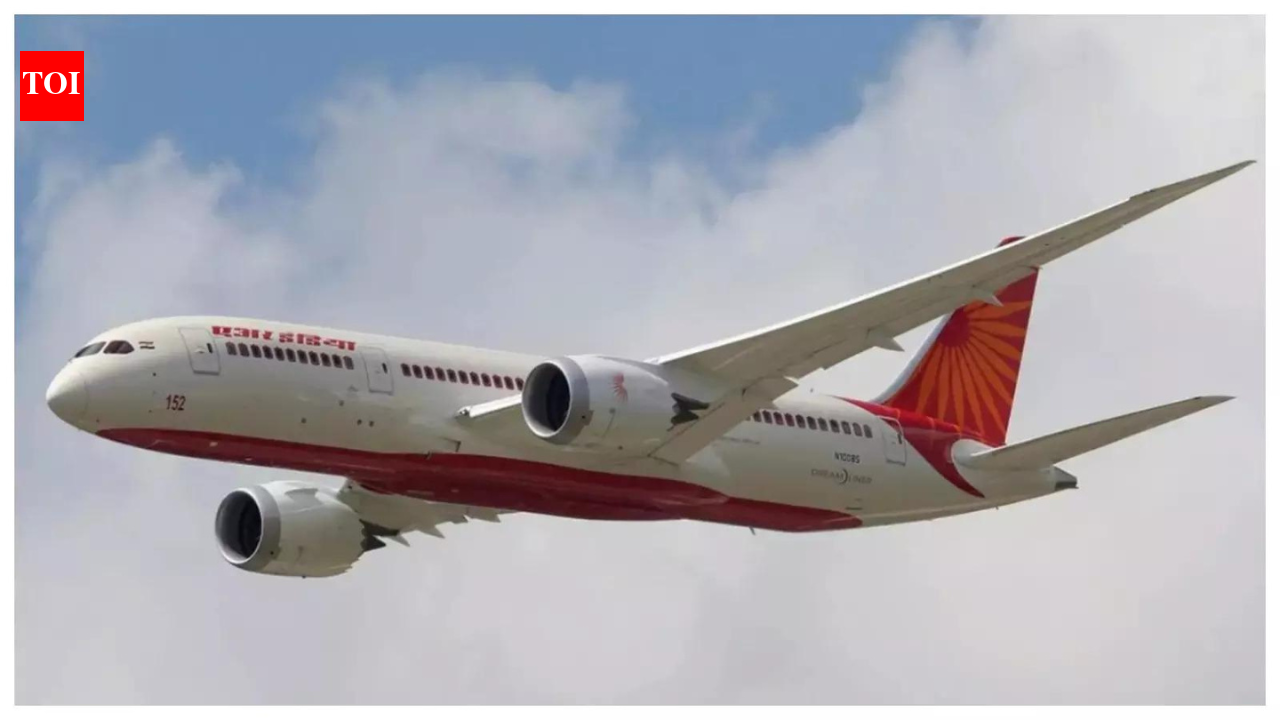
Indian airlines have dropped over 15 international destinations, with Air India and IndiGo leading the cancellations from June-July until the end of September.
The war in West Asia, compounded by Pakistan’s repeated extensions of its airspace ban, has placed stress on the route planning and daily operations of Indian airlines.
IndiGo was forced to suspend operations to Almaty and Tashkent immediately after Pakistan closed its airspace on April 24, 2025. While the airline subsequently launched flights from Mumbai that bypassed the restriction by overflying Iran, it was forced to shut those down this past February as West Asia tensions escalated. With Iranian airspace closed and Pakistan extending its ban yet again, Indian carriers are facing the heat.
When the last financial year began, IndiGo’s investor presentation showed the airline serving 41 international destinations. The airline continued to count its three pre-Covid destinations: Yangon, Chengdu, and Guangzhou. By the close of the financial year, IndiGo’s latest investor presentation had removed Yangon and Chengdu, while the airline launched services to Guangzhou.
The airline’s expansion had previously widened with flights to London, Amsterdam and Manchester, alongside growth into Siem Reap and Athens. Between the two presentations, the airline also launched flights to Copenhagen, only to cancel them later.
For an airline that had not closed a single destination—domestic or international—in its first 19 years of operations, this volatility speaks volumes about the challenges it faces, both internally with rapid growth and externally amidst geopolitical market shifts.
From non-stops to one-stops—and gone
As the world celebrates the opening of the Strait of Hormuz following a historic deal between the US and Iran, India will see not only fewer flights but also fewer destinations connected non-stop, as both IndiGo and Air India scale down operations until the end of September.
IndiGo is suspending operations to Langkawi, Krabi, Ho Chi Minh City, Hong Kong, Shanghai and Siem Reap. Meanwhile, Air India has suspended flights to Chicago, Shanghai and Male. In addition, IndiGo’s flights to Fujairah, Almaty, Tashkent, Tbilisi, Baku and Kuwait remain suspended as of this month; geopolitical uncertainty and the unavailability of air routes mean the airline lacks viable paths to operate them.
Air India has also had to convert most of its North American non-stops into one-stop flights. Operating 50 frequencies to North America, the airline was forced to look for technical stops—initially utilising Vienna, followed by multiple other intermediate routing options, including Kolkata and Seoul. However, the West Asia war completely changed the paradigm, forcing the airline to cancel flights amidst escalating oil prices and record losses.
Converting non-stops to one-stops has operational implications well beyond the commercial side. Aircraft maintenance is scheduled based on calculations of flight hours and flight cycles. When a non-stop route is converted to a one-stop, the number of cycles doubles against original projections, while total flight hours increase as well. Combined with spiked fuel costs, the model becomes difficult to sustain. Aviation Turbine Fuel (ATF) typically comprises 35% to 40% of an airline’s operating costs in India.
Foreign carriers back in control
Indian carriers had been inching toward capturing half of the international traffic market share. However, the slow growth of Air India, airspace closures, and subsequent cancellations have triggered a slippage. Indian carriers, which previously held 46.3% of all international traffic to and from India, slipped to 42.3% this year. The growth of both Air India and IndiGo was expected to reverse this slide—an objective often cited as a key reason for withholding additional bilateral flying rights to foreign carriers, who are now reclaiming that lost ground.
Tail note
While the government has introduced a fuel stabilisation fund for airlines, it remains unclear how many carriers have taken advantage of it. For domestic routes, Oil Marketing Companies (OMCs), under the government’s direction, did not pass on the full increase of oil prices to the airlines. However, current demand scenarios and seasonality mean airlines are acting cautiously and scaling back operations. Both Air India and IndiGo, which together control 90% of the domestic market, have enacted sizable capacity cuts.
IndiGo’s international expansion was originally meant to create a buffer against foreign exchange losses. Geopolitical compulsions have now forced the airline to seek alternative ways to cushion the impact of a falling rupee.
Air India, on the other hand, was expected to have most of its fleet renewed by now and to be expanding to new shores in North America. Instead, its North American schedule sits at its lowest point since privatisation, outside of the Covid-19 restriction period. As Iran and the US move forward, the question remains: when will Indian carriers get their much-needed breather?
The war in West Asia, compounded by Pakistan’s repeated extensions of its airspace ban, has placed stress on the route planning and daily operations of Indian airlines.
IndiGo was forced to suspend operations to Almaty and Tashkent immediately after Pakistan closed its airspace on April 24, 2025. While the airline subsequently launched flights from Mumbai that bypassed the restriction by overflying Iran, it was forced to shut those down this past February as West Asia tensions escalated. With Iranian airspace closed and Pakistan extending its ban yet again, Indian carriers are facing the heat.
When the last financial year began, IndiGo’s investor presentation showed the airline serving 41 international destinations. The airline continued to count its three pre-Covid destinations: Yangon, Chengdu, and Guangzhou. By the close of the financial year, IndiGo’s latest investor presentation had removed Yangon and Chengdu, while the airline launched services to Guangzhou.
The airline’s expansion had previously widened with flights to London, Amsterdam and Manchester, alongside growth into Siem Reap and Athens. Between the two presentations, the airline also launched flights to Copenhagen, only to cancel them later.
For an airline that had not closed a single destination—domestic or international—in its first 19 years of operations, this volatility speaks volumes about the challenges it faces, both internally with rapid growth and externally amidst geopolitical market shifts.
From non-stops to one-stops—and gone
As the world celebrates the opening of the Strait of Hormuz following a historic deal between the US and Iran, India will see not only fewer flights but also fewer destinations connected non-stop, as both IndiGo and Air India scale down operations until the end of September.
IndiGo is suspending operations to Langkawi, Krabi, Ho Chi Minh City, Hong Kong, Shanghai and Siem Reap. Meanwhile, Air India has suspended flights to Chicago, Shanghai and Male. In addition, IndiGo’s flights to Fujairah, Almaty, Tashkent, Tbilisi, Baku and Kuwait remain suspended as of this month; geopolitical uncertainty and the unavailability of air routes mean the airline lacks viable paths to operate them.
Air India has also had to convert most of its North American non-stops into one-stop flights. Operating 50 frequencies to North America, the airline was forced to look for technical stops—initially utilising Vienna, followed by multiple other intermediate routing options, including Kolkata and Seoul. However, the West Asia war completely changed the paradigm, forcing the airline to cancel flights amidst escalating oil prices and record losses.
Converting non-stops to one-stops has operational implications well beyond the commercial side. Aircraft maintenance is scheduled based on calculations of flight hours and flight cycles. When a non-stop route is converted to a one-stop, the number of cycles doubles against original projections, while total flight hours increase as well. Combined with spiked fuel costs, the model becomes difficult to sustain. Aviation Turbine Fuel (ATF) typically comprises 35% to 40% of an airline’s operating costs in India.
Foreign carriers back in control
Indian carriers had been inching toward capturing half of the international traffic market share. However, the slow growth of Air India, airspace closures, and subsequent cancellations have triggered a slippage. Indian carriers, which previously held 46.3% of all international traffic to and from India, slipped to 42.3% this year. The growth of both Air India and IndiGo was expected to reverse this slide—an objective often cited as a key reason for withholding additional bilateral flying rights to foreign carriers, who are now reclaiming that lost ground.
Tail note
While the government has introduced a fuel stabilisation fund for airlines, it remains unclear how many carriers have taken advantage of it. For domestic routes, Oil Marketing Companies (OMCs), under the government’s direction, did not pass on the full increase of oil prices to the airlines. However, current demand scenarios and seasonality mean airlines are acting cautiously and scaling back operations. Both Air India and IndiGo, which together control 90% of the domestic market, have enacted sizable capacity cuts.
IndiGo’s international expansion was originally meant to create a buffer against foreign exchange losses. Geopolitical compulsions have now forced the airline to seek alternative ways to cushion the impact of a falling rupee.
Air India, on the other hand, was expected to have most of its fleet renewed by now and to be expanding to new shores in North America. Instead, its North American schedule sits at its lowest point since privatisation, outside of the Covid-19 restriction period. As Iran and the US move forward, the question remains: when will Indian carriers get their much-needed breather?