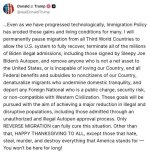
Denaturalization is the process of revoking a naturalized U.S. citizen's citizenship, which can occur if it's found that citizenship was illegally procured or obtained through fraud or misrepresentation. The federal government must bring a case in federal court to denaturalize someone, and if successful, the individual reverts to their pre-naturalization immigration status, which can include deportation. Grounds for denaturalization can include concealing material facts or willful misrepresentation on the naturalization application, such as failing to disclose a serious criminal record, or affiliations with certain organizations like totalitarian or terrorist groups.
How it happens
- Judicial process: The government must file a formal complaint in a federal court to have a citizenship certificate canceled.
- Grounds: Common grounds for denaturalization include:
- Concealment or misrepresentation: Willfully misrepresenting or failing to disclose a material fact on the naturalization application.
- Illegal procurement: Obtaining citizenship illegally.
- Affiliations: Becoming a member of or affiliating with certain organizations, such as a Communist or terrorist party, within five years of naturalization.
- Standard of proof: The government must prove its case with "clear, convincing, and unequivocal evidence" in a civil case, or "beyond a reasonable doubt" in a criminal case.
Consequences
- Loss of citizenship: If denaturalization is successful, the person is stripped of their U.S. citizenship.
- Reversion to previous status: The individual reverts to their previous immigration status, such as a lawful permanent resident.
- Deportation: If the person no longer has a lawful status or is otherwise subject to deportation, they can be removed from the United States.
- No statute of limitations: Civil denaturalization cases can be brought at any time, regardless of how long ago the person was naturalized. However, criminal denaturalization cases must be brought within 10 years of naturalization.