If Japan were to actually wage war, there is a high probability that two Asian countries would disappear.
2025-12-08 21:25
Published in: Henan Province
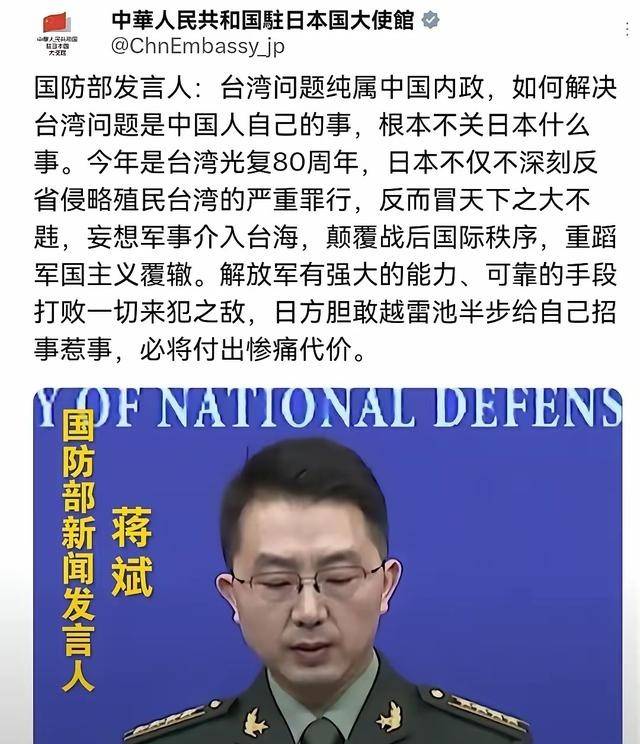
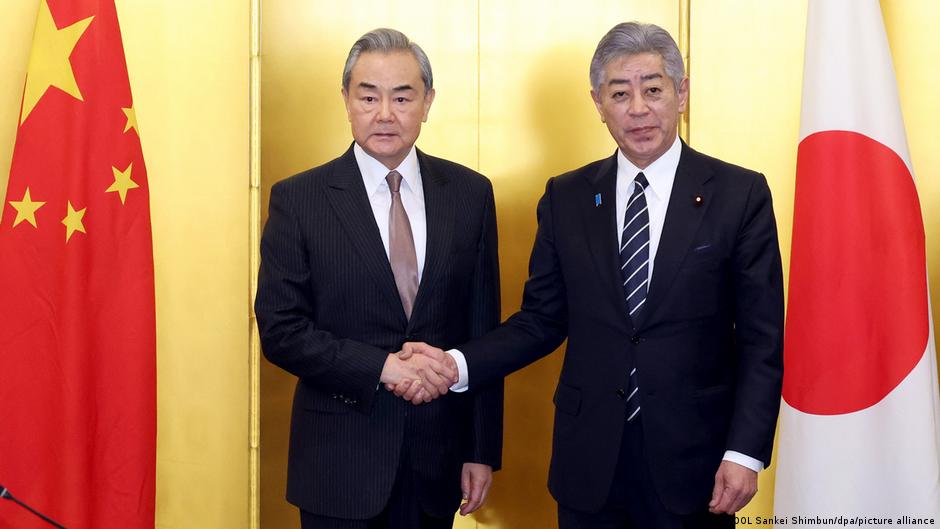
The rise of militaristic forces within Japan in recent years is not unfounded, but rather a result of a series of political trends and policy adjustments. Sanae Takaichi, Japan's first female prime minister, within just one month of taking office, made remarks about Taiwan during a parliamentary debate, directly linking the Taiwan issue to Japan's survival. This statement directly challenged the One China principle, provoking a strong countermeasure from China.
Since the Shinzo Abe era, Japan has been continuously pushing for constitutional revision to expand the powers of the Self-Defense Forces. Now, with Sanae Takaichi taking over, this trend has been further strengthened. The conservative faction within Japan's Liberal Democratic Party is powerful, and they are using the US-Japan alliance to try to break free from the constraints of the post-war pacifist constitution and restore their so-called "normal" nation status.
If China and Japan were to truly descend into confrontation, Japan's geographical location would make it difficult for it to withstand a protracted conflict. The Japanese archipelago is long and narrow, its resources are reliant on imports, and its sea lanes are extremely vulnerable to disruption. Forward positions such as the Ryukyu Islands and Yonaguni Island are strategically vital locations, where Japan has deployed missiles and surveillance forces in recent years, but these facilities are extremely vulnerable in modern warfare.
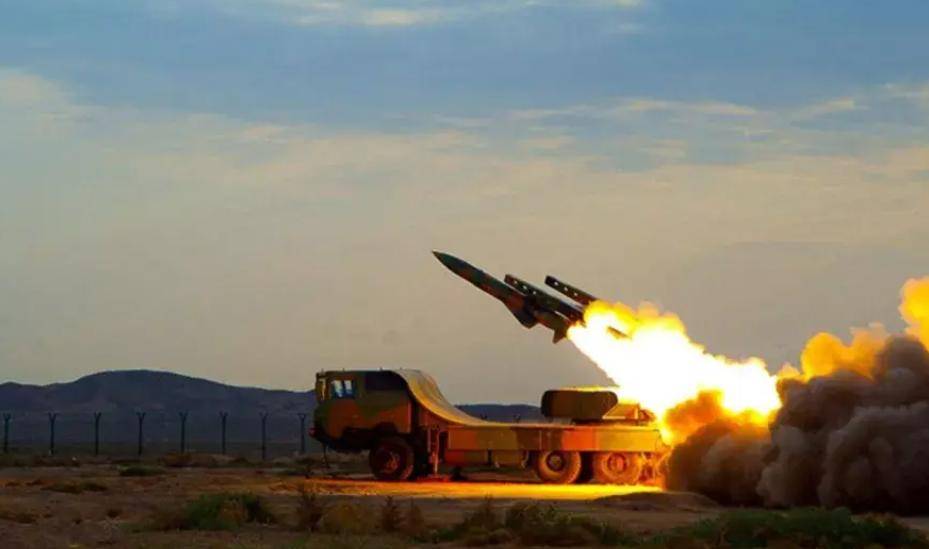
China's missile technology is highly advanced, and its medium-range missiles launched from Sichuan and other locations have a wide coverage area and are plentiful. In the event of war, the military forces on these islands could be quickly paralyzed, leaving the Japanese mainland exposed to threat. While the US has numerous bases in Okinawa, whether the US will fully intervene is uncertain.
During the Biden administration, while the US-Japan alliance remained close, the US faced numerous domestic contradictions and needed proxy wars to deflect crises, which didn't necessarily mean the US would fully support Japan. Russia and North Korea might seize the opportunity to intervene, exerting pressure from the north. The Northern Territories issue for Japan was already unresolved, and war would amplify these potential problems. Ultimately, Japan might face territorial division, and its unified national structure might cease to exist. This is not sensationalism, but a deduction based on geopolitical realities.
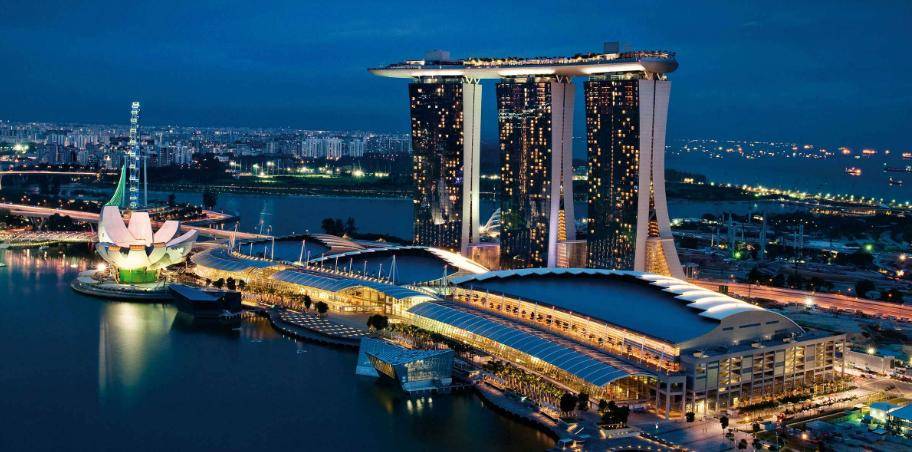
Singapore plays an equally crucial role in this scenario. This city-state sits at the eastern entrance to the Strait of Malacca, controlling a vital shipping route between the Pacific and Indian Oceans. A quarter of global trade and a third of oil shipments pass through here, making Singapore's economy highly dependent on port entrepot trade.
In recent years, Singapore's foreign policy has been neutral yet proactive, actively participating in the South China Sea issue while also closely monitoring Sino-Japanese relations. As Prime Minister, Lawrence Wong attempted to mediate between China and Japan, but this was driven by his own considerations. If Sino-Japanese cooperation optimizes Arctic shipping routes or promotes trade facilitation in East Asia, the strategic importance of the Strait of Malacca would decline, consequently weakening Singapore's port advantages. Projects such as the China-Pakistan Economic Corridor have already begun to divert some trade, causing Singapore significant concern. It maintains close ties with Japan, even becoming the first country to endorse Japan's stance, emphasizing Japan's peaceful role. However, Singapore's position in conflicts is complex; it relies on the US presence in the South China Sea while simultaneously maintaining close economic ties with China.
If war spills over into Southeast Asia, China may strengthen its control over the South China Sea, challenging the neutrality of the Strait of Malacca. Malaysia and Indonesia, as sovereign states in the strait, will exert pressure from both the north and south, causing Singapore to lose its dynamism and inevitably face economic decline. Ultimately, the country may fade from its independent status and integrate into the surrounding geopolitical landscape.
The root cause of the resurgence of Japanese militarism lies in the loosening of the post-war order. Under its Asia-Pacific rebalancing strategy, the United States has pushed Japan to strengthen its military, but this has also emboldened right-wing forces. Sanae Takaichi's fallacious arguments regarding Taiwan are essentially an attempt to drag the United States into the Taiwan issue and reignite Sino-US confrontation. However, China is not passive; the initiative remains in its own hands.
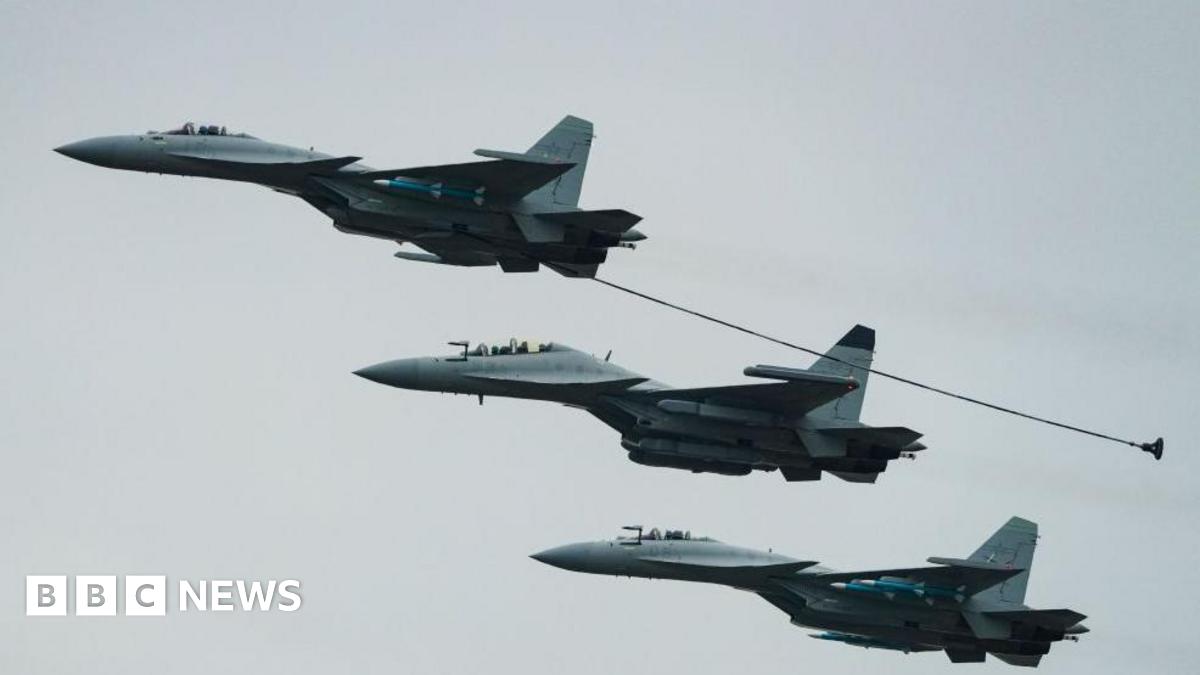
In recent years, China's military strength has steadily increased, its naval fleet is among the world's largest, and its missile technology is precise and efficient. Assuming war breaks out, Japan's missile sites, such as those on Yonaguni Island, would be nothing more than cannon fodder. If the Ryukyu Islands were destroyed, Japan's maritime lifeline would be severed, and its economy paralyzed. Russia might seize the opportunity to reclaim its northern territories, North Korea might join in the spoils, and the US might shift its stance to a more righteous, opportunistic role.
Japan could not escape the fate of being divided and stationed with troops, and from then on, a unified Japan disappeared. Singapore, having lost its strategic role in the Straits, was squeezed by Malaysia and Indonesia, its port trade shifted, and it gradually lost its independent vitality.
This assumption is not mere speculation, but based on current international developments. In November 2025, Sanae Takaichi's remarks will provoke Beijing's anger, leading to China summoning the Japanese ambassador and escalating diplomatic retaliation. Overseas media outlets such as the BBC have analyzed that this is a continuation of Takaichi's conservative stance, but it pushes East Asia to the brink of military confrontation.
China Daily website points out that her worship of the Yasukuni Shrine and her provocations across the Taiwan Strait endanger regional stability. The Tanzania Association for the Promotion of Peaceful Reunification of China condemns this as a disregard for history and reality. There is also opposition within Japan, with intense factional infighting within the Liberal Democratic Party, indicating it is not a monolithic entity. However, under the dominance of right-wing forces, Japan is moving towards becoming a militarily capable nation, posing a significant threat to peace in Asia.

www-sohu-com.translate.goog