Navigation
Install the app
How to install the app on iOS
Follow along with the video below to see how to install our site as a web app on your home screen.
Note: This feature may not be available in some browsers.
More options
Style variation
You are using an out of date browser. It may not display this or other websites correctly.
You should upgrade or use an alternative browser.
You should upgrade or use an alternative browser.
Deportation Operation - News, Discussion
- Thread starter ghazi52
- Start date
More options
Who Replied?

ghazi52
THINK TANK: CONSULTANT


- Thread starter
- #242
Afghans returning from Iran, Pakistan face different challenges: UN report
Amin Ahmed
December 31, 2025
ISLAMABAD: Findings of UNHCR’s “Afghanistan post-return monitoring survey report” released on Tuesday highlighted different challenges for Afghan returnees from Iran versus Pakistan: those from Iran often have more education, better food security, and housing, while returnees from Pakistan face severe economic hardship, relying more on daily wages, and carrying heavier debt burdens.
The returnees from Iran were less likely to have income-generating employment, and more often reported barriers to girls’ education. Those returning from Pakistan after April found more casual income opportunities but struggled to afford rent and maintain sufficient food.
According to the survey, across all groups, returnees continue to settle in areas with fragile conditions marked by deepening poverty and limited access to essential services.
Many cannot return to their areas of origin due to lack of shelter, land, or livelihoods. Over half of households surveyed reported missing essential civil documentation, restricting access to education, healthcare, and housing.
Education remains sharply constrained for all women and girls in Afghanistan: returnees from Iran most often cited policies and laws as the key barrier, while returnees from Pakistan pointed to economic obstacles.
Access to healthcare is limited by cost, distance, and medicine short ages, with women disproportionately affected due to movement restrictions, survey results show.
ghazi52
THINK TANK: CONSULTANT
- Thread starter
- #243
UNHCR says Afghans coming from Iran more educated, have better food security than those returning from Pakistan
Most returnees (88 per cent) reported living in debt, representing a slight decline from the 2024 survey. Indebted households were typically large, averaging six members. Debt was particularly widespread in Nangarhar province, where 96 per cent of returnees reported financial distress.
Returnees from Iran were slightly less likely to hold debt than those from Pakistan, while differences between female-headed (90 per cent) and male-headed (87 per cent) households were minimal.
Almost all indebted households stated that their debt exceeded their monthly income, under scoring widespread, unsustainable debt cycles and the financial pressures that undermine economic reintegration.
In August 2025, the monitoring expanded to include returnees from Iran for the first time, alongside those from Pakistan.
ghazi52
THINK TANK: CONSULTANT
- Thread starter
- #244
This round draws on interviews with 1,658 returnee households from Pakistan and Iran. Two new data sets were introduced for returnees from Pakistan: one for those who returned before April 2025 and one for those who returned after when cash assistance was reduced due to funding shortfalls.
The survey also includes undocumented returnees, allowing analysis of possible differences between returnees with refugee documentation in countries of asylum and those without.
The UN refugee agency says these findings highlight the urgency of sustained, multisectoral support to protect returnees and assist their reintegration. Interventions must be tailored to the differing profiles and needs of returnees from Iran and Pakistan, taking into account their distinct vulnerabilities and circumstances behind their return.
Continued post-return monitoring remains critical to track evolving challenges, adapt programming, and advance long-term stability and protection.
The changes in data sets reflect the need to understand evolving returnee experiences. In 2025, Afghanistan saw massive return movements, with an estimated 2.7 million returns between January and November. These returns reflect changes in the profiles of those coming back.
Many returns occurred under duress and adverse conditions, driven by policies in neighbouring countries and deteriorating conditions for Afghans abroad, particularly in Pakistan and Iran. These mass returns often resulted in abrupt departures and difficult journeys back to Afghanistan.
Food insecurity remains critical despite modest improvements, with returnees from Pakistan disproportionately affected. Shelter, water, and education access further highlight disparities.
Returnees from Pakistan, particularly recent arrivals, are more likely to rent housing and struggle to afford rent, whereas returnees from Iran more often own or inherit their homes. Access to safe water and sanitation is also more limited for returnees from Pakistan.
The survey also includes undocumented returnees, allowing analysis of possible differences between returnees with refugee documentation in countries of asylum and those without.
The UN refugee agency says these findings highlight the urgency of sustained, multisectoral support to protect returnees and assist their reintegration. Interventions must be tailored to the differing profiles and needs of returnees from Iran and Pakistan, taking into account their distinct vulnerabilities and circumstances behind their return.
Continued post-return monitoring remains critical to track evolving challenges, adapt programming, and advance long-term stability and protection.
The changes in data sets reflect the need to understand evolving returnee experiences. In 2025, Afghanistan saw massive return movements, with an estimated 2.7 million returns between January and November. These returns reflect changes in the profiles of those coming back.
Many returns occurred under duress and adverse conditions, driven by policies in neighbouring countries and deteriorating conditions for Afghans abroad, particularly in Pakistan and Iran. These mass returns often resulted in abrupt departures and difficult journeys back to Afghanistan.
Food insecurity remains critical despite modest improvements, with returnees from Pakistan disproportionately affected. Shelter, water, and education access further highlight disparities.
Returnees from Pakistan, particularly recent arrivals, are more likely to rent housing and struggle to afford rent, whereas returnees from Iran more often own or inherit their homes. Access to safe water and sanitation is also more limited for returnees from Pakistan.
ghazi52
THINK TANK: CONSULTANT
- Thread starter
- #245
These findings highlight the urgency of sustained, multisectoral support that addresses both immediate and long-term needs.
Assistance must combine short and medium-term cash support with livelihood opportunities, durable housing solutions, water and health infrastructure, and access to civil documentation, among other key needs and challenges faced by returnees.
Targeted interventions are essential for the most vulnerable groups, including female-headed households and people with disabilities.
Continued monitoring, disaggregated by country and period of return, is critical to adapting programming based on evidence and ensuring that reintegration translates into lasting improvements in stability and protection
Assistance must combine short and medium-term cash support with livelihood opportunities, durable housing solutions, water and health infrastructure, and access to civil documentation, among other key needs and challenges faced by returnees.
Targeted interventions are essential for the most vulnerable groups, including female-headed households and people with disabilities.
Continued monitoring, disaggregated by country and period of return, is critical to adapting programming based on evidence and ensuring that reintegration translates into lasting improvements in stability and protection

Distant_Observer
Trusted Member
Distant_Observer
Trusted Member


Pakistan has been known for giving a place to Afghan refugees since history. and they would maintain passions for these needy people

.
=>
.
=>
Afghanistan, “Angelina Jolie with UNHCR”
“After twice visiting Afghan refugees in Pakistan, and watching the beginnings of their return, I wanted to be a witness to how the over four million people repatriated by the UNHCR have settled. The return of the Afghan families is one of the largest populations movements in recent history. It is the UNHCR’s largest repatriation program ever. These families have been displaced for nearly 30 years,and now many returnees are facing reintegration difficulties, including lack of shelter, water and basic services, such as healthcare and education for their children. They are also facing a drought and serious rises in food prices” -Angelina Jolie-
Jalalabad, Afghanistan - October 22, 2008
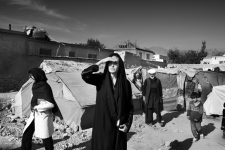
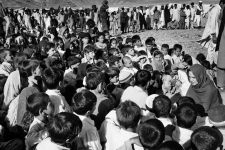
UNHCR (United Nation High Commissioner for Refugee) Good Will Ambassador Angelina Jolie during her visit to Afghan returnees from the recently closed Jallozai camp in Lower Skeikh Mesri.Jalalabad, Afghanistan - October 22, 2008
A United Nation plane carrying UNHCR (United Nation High Commissioner for Refugee) Good Will Ambassador Angelina Jolie is flies over Afghanistan during her visit to Afghan families that recently returned from Pakistan.Jalalabad, Afghanistan - October 22, 2008
UNHCR (United Nation High Commissioner for Refugee) Good Will Ambassador Angelina Jolie on a United Nation plane as she flies from Jalalabad to Kabul during her visit to Afghan families that recently returned from Pakistan in Tangi refugee camp.Jalalabad, Afghanistan - October 22, 2008
UNHCR (United Nation High Commissioner for Refugee) Good Will Ambassador Angelina Jolie is seen during her visit to Afghan families that recently returned from Pakistan in Tangi refugee camp.Jalalabad, Afghanistan - October 22, 2008
An Afghan orphan is seen sleeping on the floor in a skill training project facility for widows during UNHCR (United Nation High Commissioner for Refugee) Good Will Ambassador Angelina Jolie’s visit to Afghan families that recently returned from Pakistan.https://marcodilauro.com/features/angelina-in-afghanistan/
27 Dec 2023 .
we find traditionally it was an open border/free people movement on Pak-Afghan border
ghazi52
THINK TANK: CONSULTANT
- Thread starter
- #250
Around 1 million illegal Afghans repatriated
230,470 were holders of Proof of Registration (PoR) cards, 686,772 were undocumented Afghan nationalsOur Correspondent
January 15, 2026
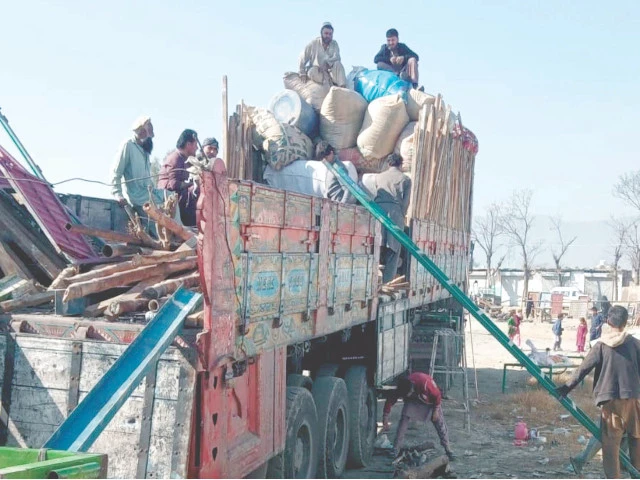
Afghan refugees load their belongings onto a truck in Haripur as they prepare to return to their homeland following the Pakistan government’s directive for all illegal migrants to leave the country. Photo: PPI
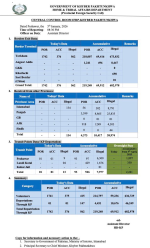
PESHAWAR: The process of returning of illegal Afghan nationals through K-P continues, with a total of 988,812 individuals repatriated to their homeland so far, according to the provincial Department of Interior and Tribal Affairs.
The data shows that among those repatriated, 230,470 were holders of Proof of Registration (PoR) cards, 71,570 held Afghan Citizen Cards, and 686,772 were undocumented Afghan nationals.
On the previous day alone, 2,312 Afghan nationals were sent back through the Torkham border, including 1,522 PoR cardholders, 277 Afghan Citizen Card holders, and 513 undocumented individuals.
ghazi52
THINK TANK: CONSULTANT
- Thread starter
- #251
Afghan Refugees Pose Major Security Challenge for Host Countries
Actions of Arrests and Deportations Against Afghan Refugees Intensifying in Various Countries
Following Germany and Iran, Crackdown on Afghan Refugees Intensifies in Turkey Too, New Wave of Arrests
Eye-Opening Report by Afghan Magazine Afghanistan International Comes to Light
According to Afghanistan International; 14 More Illegal Afghan Asylum Seekers Arrested in Turkey's Şanlıurfa City
Three Facilitators Involved in Transportation of Illegal Afghan Refugees Also Arrested, Transferred to Jail, Afghanistan International
Arrested Afghan Asylum Seekers Were Traveling Illegally Hidden in a Truck, Afghanistan International
Arrested Afghan Residents Immediately Transferred to Deportation Center, Afghanistan International
Earlier, on January 3, 32 Illegal Afghan Asylum Seekers from Diyarbakır, While on January 10, 18 More from Tokat and Bolvadin Were Arrested
Turkey Migration Agency Releases Fresh Statistics, Afghans Top the List of Illegal Migrants
In the Past Year, 152,000 Illegal Asylum Seekers Arrested, Afghan Residents at the Forefront, Turkey Migration Agency
Among the Arrested Illegal Asylum Seekers, 42,000 Are Afghan Residents, Turkey Migration Agency
The Taliban Regime Is Not Running Any Campaign to Prevent Such Behaviors, Making It Clear That There Is No Hope for Improvement in This Situation
Actions of Arrests and Deportations Against Afghan Refugees Intensifying in Various Countries
Following Germany and Iran, Crackdown on Afghan Refugees Intensifies in Turkey Too, New Wave of Arrests
Eye-Opening Report by Afghan Magazine Afghanistan International Comes to Light
According to Afghanistan International; 14 More Illegal Afghan Asylum Seekers Arrested in Turkey's Şanlıurfa City
Three Facilitators Involved in Transportation of Illegal Afghan Refugees Also Arrested, Transferred to Jail, Afghanistan International
Arrested Afghan Asylum Seekers Were Traveling Illegally Hidden in a Truck, Afghanistan International
Arrested Afghan Residents Immediately Transferred to Deportation Center, Afghanistan International
Earlier, on January 3, 32 Illegal Afghan Asylum Seekers from Diyarbakır, While on January 10, 18 More from Tokat and Bolvadin Were Arrested
Turkey Migration Agency Releases Fresh Statistics, Afghans Top the List of Illegal Migrants
In the Past Year, 152,000 Illegal Asylum Seekers Arrested, Afghan Residents at the Forefront, Turkey Migration Agency
Among the Arrested Illegal Asylum Seekers, 42,000 Are Afghan Residents, Turkey Migration Agency
The Taliban Regime Is Not Running Any Campaign to Prevent Such Behaviors, Making It Clear That There Is No Hope for Improvement in This Situation
ghazi52
THINK TANK: CONSULTANT
- Thread starter
- #252
Afghans asked to leave Kohat under govt repatriation plan
Our Correspondent
January 23, 2026
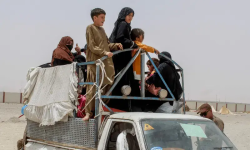
A REFUGEE family boards a vehicle at a holding centre near the border, as they depart for Afghanistan from Chaman.—AFP/File
KOHAT: At a jirga held with Afghan maliks and elders here on Thursady, the district police conveyed to them that all illegal residents must leave the country voluntarily within the set deadline to avoid law and order situation.
ASP headquarters Baydar Bakhsh while addressing them made it clear that they had been given last chance of repatriation under an unambiguous definite policy, stressing that the government writ would be strictly implemented.
He said after the final date legal action would be taken against them by arresting them, however all conveyance and documentation help will be provided to them.
He added that every cooperation would be extended to them so that the whole process was completed in a disciplined, coordinated and peaceful manner.
He said they could re-visit Pakistan after getting a visa from their country.
ghazi52
THINK TANK: CONSULTANT
- Thread starter
- #253
The district administration Kohat launched strict measures to prevent encroachments in and around the Afghan refugee camps.
To curb illegal activities, Section 144 has been imposed on state and provincial properties, prohibiting encroachments.
The move comes as part of efforts to facilitate the orderly repatriation of undocumented residents, deputy commissioner Rahimullah said.
Authorities have emphasised that ownership, trespass or unauthorised use of land within the camps is strictly banned.
The administration warned that any violation will trigger immediate legal action, underscoring that public assets and the rule of law would be rigorously protected.
The citizens have also been urged to cooperate to ensure the repatriation process is conducted efficiently in a transparent manner.
To curb illegal activities, Section 144 has been imposed on state and provincial properties, prohibiting encroachments.
The move comes as part of efforts to facilitate the orderly repatriation of undocumented residents, deputy commissioner Rahimullah said.
Authorities have emphasised that ownership, trespass or unauthorised use of land within the camps is strictly banned.
The administration warned that any violation will trigger immediate legal action, underscoring that public assets and the rule of law would be rigorously protected.
The citizens have also been urged to cooperate to ensure the repatriation process is conducted efficiently in a transparent manner.

Tremain
Registered Member
An example..... My family has been here since at least 800 years. I have "roots".There are afghans who lived in pakistan for more than 3 or 4 decades and established roots in pakistan.
3, 4, decades is NOTHING.

At least 3 generations of family can.. theoretically ... create loyalty for a nation. Not 3 bloody decades.

Correction... Afghan houses. Now empty.Mud houses? Its a shame how certain section of the society is so poor and suffering.
A beautiful sight.
How many Afghans still left in Pakistan? Anyone know?
"Cutting trees"???Afghans, they do hard work, cut grass in the mountains, cut trees
Who gave these termites permission to do that? We need to PLANT more trees, not cut them.
We certainly don't need foreigners cutting down OUR forests.
Babaasif
Registered Member
What about the ones who were born in pakistan and had never been to afghanistan before.What are they going to do there and will they be able integrate into the society.An example..... My family has been here since at least 800 years. I have "roots".
3, 4, decades is NOTHING.
At least 3 generations of family can.. theoretically ... create loyalty for a nation. Not 3 bloody decades.
Users who are viewing this thread
Total: 2 (members: 0, guests: 2)
Pakistan Defence Latest
-

-
-

-

-
The Gunboat That Escaped the Indian Navy - Rajshahi - Escape From Chittagong - Full Documentary (4 Viewers)
- Latest: LHA4210
Country Watch Latest
-
-

-

-
 Turkiye's defense and security spending budget of 111 billion USD by 2029 (5 Viewers)
- Latest: retaxis
-

Latest Posts
-
Makkah Defence Alliance: Turkey, Saudi Arabia, and Pakistan, news & updates (23 Viewers)
- Latest: SoulSpokesman
-
-
Breaking News: Yemen's Houthis strike Saudi Arabia's Abha airport with missiles and drones in a sharp escalation (51 Viewers)
- Latest: SoulSpokesman
-
-