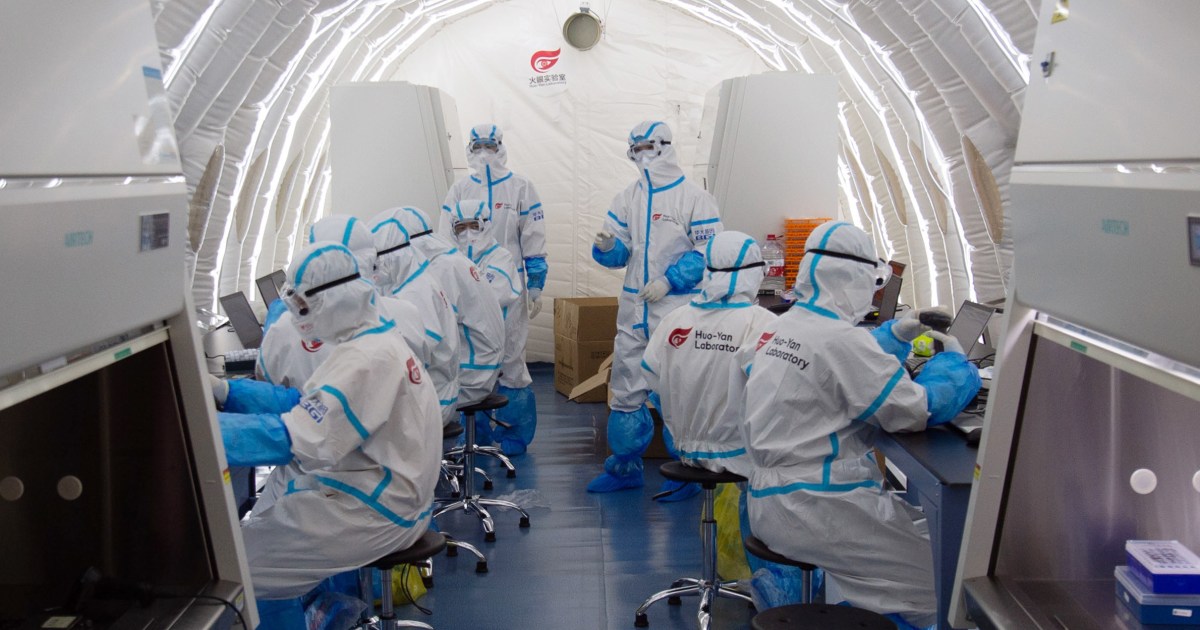
Lawmakers demand answers after suspected biolab discovered in Chinese national's Las Vegas home

Hamartia Antidote

Elite Member
Joined
Nov 17, 2013
Messages
46,994
Reaction score
26,869
Reputation
618.5
Country of Origin
Country of Residence
More Chinese Nationals caught with biological samples in the US

Homeowner was already in federal custody following discovery of unauthorized biolab in California in 2023​


February 5, 2026: Lawmakers are demanding answers and stricter controls on dangerous pathogens after authorities uncovered a suspected unauthorized biolab inside a Las Vegas home, fueling concerns about potential Chinese government ties.

Sen. Josh Hawley, R-Mo., said the most important thing in the wake of the biolab's discovery is to investigate whether the homeowner, who investigators identified as
1770422170857.png
Jia Bei Zhu, has any ties to the Chinese government — especially given that he is already in federal custody following the discovery of an unauthorized biolab in Reedley, California, in 2023.


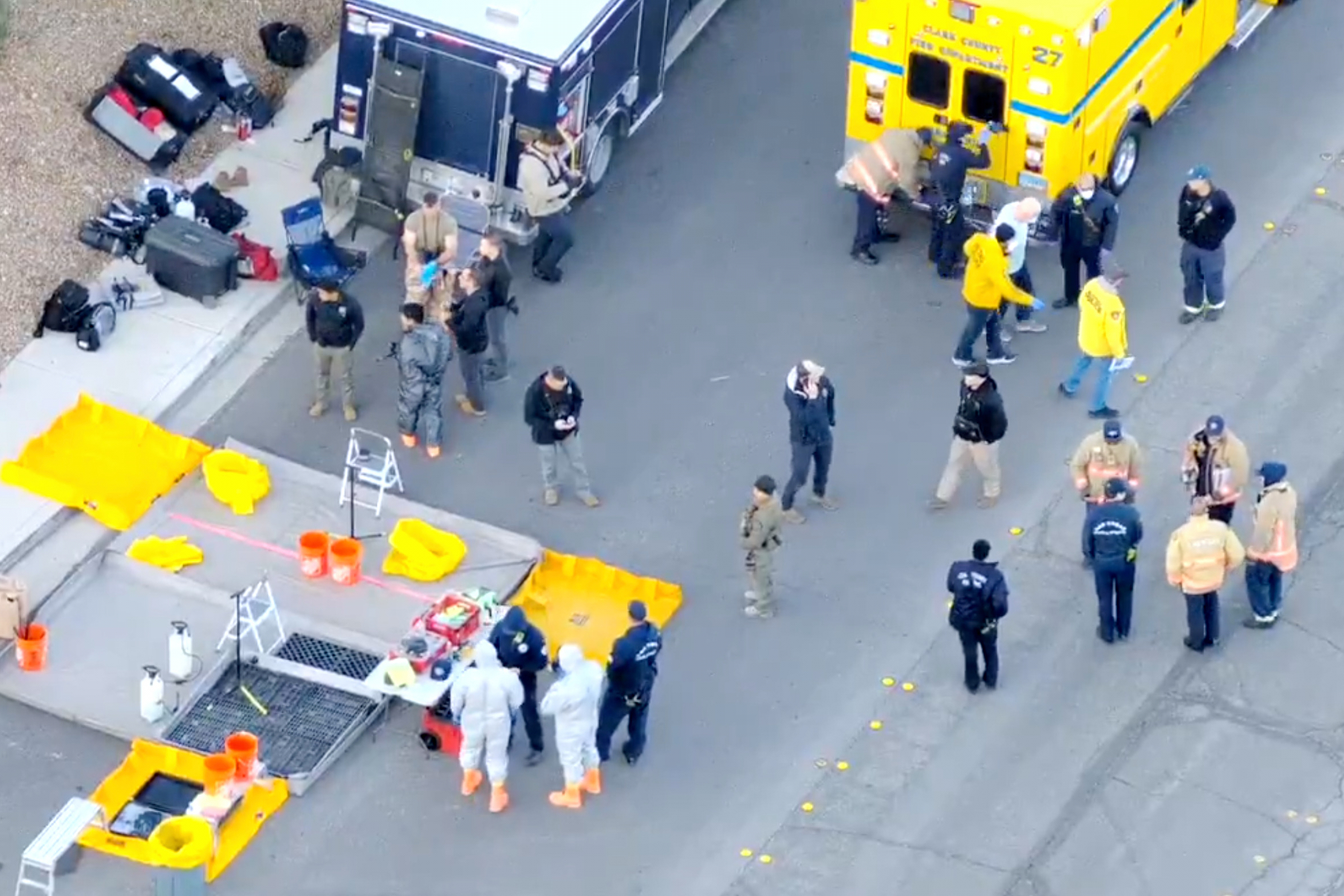
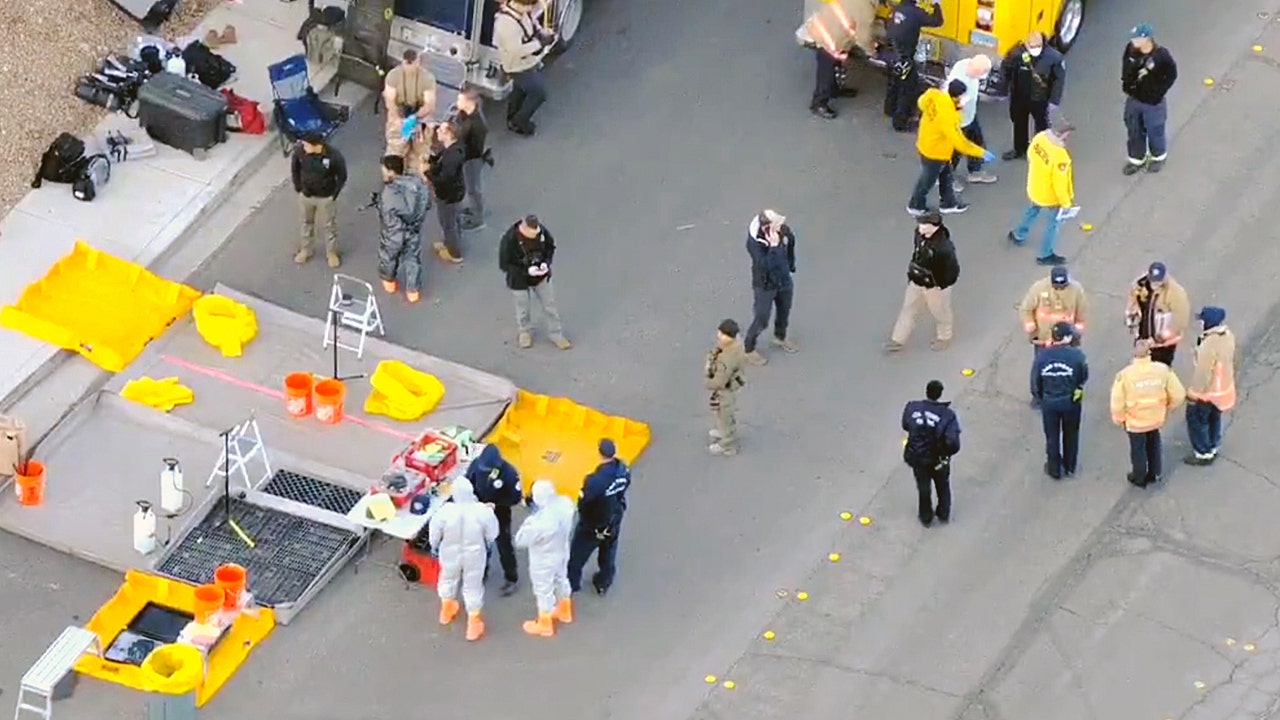
Las Vegas Police Department searches suspected biolab

This image from video provided by the Las Vegas Metropolitan Police Department shows law enforcement searching a house in Las Vegas on Jan. 31. (LVMPD via AP

The property manager of the home, Israeli citizen Ori Solomon, was arrested Saturday and booked into the Clark County Detention Center on charges of disposing and discharging hazardous waste, police said.

"We've got to remember, Bret, that the Chinese government's not our friend," Hawley told Fox News' Bret Baier Wednesday on "Special Report."

"This is a pattern that we've seen where the Chinese government has tried to use Chinese nationals. We don't know if this is true in this case, but we know it's true in other cases — on our university campuses, for example — to try to get access to top research."

Hawley said the Chinese government has "directly funded" these efforts, including trying to "place nationals into sensitive research projects, into sensitive positions at our universities, into sensitive laboratories."

A worker in a hazmat suit searches through material found at the Las Vegas house.

A hazmat-suited worker searches through materials found at a Las Vegas home under investigation. (Las Vegas Metropolitan Police Department)

More than 1,000 pieces of evidence with "potential biological and hazardous materials" were primarily located in a locked garage of Zhu's home, Las Vegas Metropolitan Police Department Sheriff Kevin McMahill said during a press briefing on Monday, raising questions as to how Zhu got access to them.

Suspected agents containing tuberculosis, the dengue virus, HIV and the deadliest known form of malaria were found in the facility for which Zhu was busted in 2023.

"It wouldn't take much of these deadly pathogens to kill thousands of Americans," Sen. Tom Cotton, R-Ark., said on "The Ingraham Angle" Wednesday.

Cotton said there are "very limited controls on the provision of these deadly pathogens to end users," calling for the implementation of stricter checks by providers of these materials "to make sure that [they are] actually being used for proper purposes, not being used for whatever this Chinese national is doing in Reedley and Las Vegas."

The Arkansas senator said he has introduced legislation to this end, pointing to a "clear pattern" of Chinese involvement in potential biosecurity hazards.

Hawley and Cotton both emphasized that it is currently unknown whether there are biolabs in other homes and whether the CCP is directly involved.

"I think we better find out really quick," Hawley said.
 
Last edited:
New Covid strain likely in the works at the other BioLab found back in 2022 in California run by the same guy

Suspected agents containing tuberculosis, the dengue virus, HIV and the deadliest known form of malaria were found in the facility for which Zhu was busted in 2023.


Investigation into the Reedley California Biolab: Findings​


Chairman Mike Gallagher (R-WI) of the House Select Committee on the Chinese Communist Party unveiled a report on its investigation into the illegal People’s Republic of China-tied biolab discovered in Reedley, CA. The members were joined by Rep. Jim Costa (D-CA), whose district includes Reedley, CA, Former Speaker Kevin McCarthy (R-CA), Rep. Dan Newhouse (R-WA), and Rep. Neal Dunn (R-FL).

Reedley city officials Jesalyn Harper and Nicole Zieba joined the event remotely, sharing their experiences and first-hand knowledge on the discovery of the biolab in 2022, and the lack of a CDC response which prompted the Select Committee to issue a subpoena and launch a bipartisan investigation.

Ret. Colonel Robert P. Kaldec M.D., a biosecurity expert, discussed the national security and public health risks of this biolab operating illegally on U.S. soil.

Here's what the Committee found:

  • The illegal biolab was run by a PRC citizen who is a wanted fugitive from Canada with a $330 million Canadian dollar judgment against him for stealing American intellectual property.
  • This PRC citizen was a top official at a PRC-state-controlled company and had links to military-civil fusion entities.
  • The illegal biolab received millions of dollars in unexplained payments from PRC banks while running the illegal biolab.
  • The illegal biolab contained thousands of samples of labeled, unlabeled, and encoded potential pathogens, including HIV, malaria, tuberculosis, and Covid.
  • The illegal biolab also contained a freezer labeled “Ebola,” which contained unlabeled, sealed silver bags consistent with how the lab stored high risk biological materials. Ebola is a Select Agent with a lethality rate between 25-90%.
  • The biolab contained nearly a thousand transgenic mice, genetically engineered to mimic the human immune system. Lab workers said that the mice were designedto catch and carry the COVID-19 virus.”
  • After local officials who discovered the lab sought help from the CDC and others, the CDC refused to test any of the samples.
 
Last edited:
2024

Congress wants to ban China's largest genomics firm from doing business in the U.S. Here's why.​


Intel officials have warned China is grabbing U.S. genetic info that could be used to create targeted bioweapons that would work against one group and not another.


Bipartisan legislation was introduced in both houses of Congress Thursday that would effectively ban China’s largest genomics company from doing business in the U.S., after years of warnings from intelligence officials that Beijing is gathering genetic information about Americans and others in ways that could harm national security.

The bills, backed by leaders of the House Select Committee on the Chinese Communist Party and the Senate Homeland Security Committee, target BGI, formerly known as Beijing Genomics Institute, which in 2021 was blacklisted by the Pentagon as a Chinese military company. Five company affiliates also have been sanctioned by the Commerce Department, which accused at least two of them of improperly using genetic information against ethnic minorities in China.


In an exclusive interview with NBC News, Rep. Mike Gallagher, R-Wis., and Rep. Raja Krishnamoorthi, D-Ill., said their legislation would ban BGI — or any company using its technology — from federal contracts, a move the company said in a statement would “drive BGI from the U.S. market.”

BGI “remains a leading supplier of genetic sequencing equipment within the American market,” Gallagher said. “We think that’s a bad idea. And that’s what we’re trying to stop.”

Similar legislation was introduced in the Senate by Gary Peters, D-Mich., who chairs the Homeland Security Committee, and Bill Hagerty, R-Tenn. With bipartisan, bicameral support, the backers say the bills have a good chance of becoming law.

“This bill will protect Americans’ personal health and genetic information from foreign adversaries who have the ability and motivation to use it to undermine our national security,” Peters told NBC News.

In a statement, BGI said it “fully supports protecting personal data, but the legislation which will effectively drive BGI from the U.S. market will not accomplish this goal, and rather will restrict competition, raise health care costs, and limit access to technologies.”

The company said it “does not operate clinical laboratories or collect patient samples, and has no access to personal or genetic data,” and “none of BGI is in any way controlled by or linked to the Chinese government or the military.”

Krishnamoorthi said the evidence suggests otherwise.

“BGI has extensive collaboration with the People’s Liberation Army,” he said. “They’ve published numerous papers in conjunction with the PLA with regard to their research. And so this type of military civil fusion, which often occurs in the [People’s Republic of China], is of great concern, especially when they’re going to be collecting data, potentially on Americans to be then used in research with the PLA.”

BGI and its subsidiaries spent $420,000 on lobbying in 2023, according to Open Secrets, a group that tracks lobbying expenditures.

An investigation by Reuters in 2021 concluded that BGI’s popular prenatal test, taken by millions of pregnant women around the world — but not in the U.S. — was developed in collaboration with the Chinese military and was being used by the firm to collect genetic data.

The U.S. National Counterintelligence and Security Center reacted to the Reuters report by warning that “non-invasive prenatal testing kits marketed by Chinese biotech firms serve an important medical function, but they can also provide another mechanism for the People’s Republic of China and Chinese biotech companies to collect genetic and genomic data from around the globe,” the center said.

A public bulletin by the counterintelligence center in February 2021 warned that China “has for years been able to gain access to U.S. health care data, including genomic data, through a variety of channels, both legal and illegal.” The bulletin added that this collection “poses equally serious risks, not only to the privacy of Americans, but also to the economic and national security of the U.S.”

Bill Evanina, who retired in 2021 as the top counterintelligence official in the U.S. government, said he worked for years to sound the alarm about BGI and other Chinese companies gathering genetic data. He compared BGI to a Chinese 5G telecom giant banned from the U.S. market over spying risks.

“From a biotech perspective, BGI is no different than Huawei,” he said. “It’s this legitimate business that’s also masking intelligence gathering for nefarious purposes.”

Evanina described multiple layers of risk from genetic data, when combined with other personal data the U.S. says has been stolen by Chinese intelligence services. One is economic — China could leap ahead in the cutting-edge biotech industry, which promises to transform health care.

“Genomics and DNA is the new oil. It’s a $4 trillion industry,” Evanina said.

But Evanina and Gallagher said there is also a concern that China could use genetic data to create targeted bioweapons that would work on one group of people but not another.

“It also ranges up to the threat of bespoke bioweapons that could target either an individual or a class of individuals. And for your [readers] who might think that that’s the stuff of science fiction or in the distant future, it’s not,” Gallagher said. “We know that’s ... a technology that the CCP would love to perfect.”
 
location of lab suspicious
Michael Lucci, CEO and Founder of State Armour, explains that both the Reedley residential lab and the Las Vegas residential lab are located close to military bases. The Las Vegas property is 6.6 miles away from Nellis Air Force Base on Google Maps. Lucci’s company was founded to provide solutions to “help states enact solutions to global security threats” amidst “unprecedented security threats.
“The Airbnb attached to the CCP disease lab isn’t incidental, it’s the point,” Lucci explained. “How do you cripple an Air Force base & catalyze a nationwide outbreak in one stroke? You seed diseases into Vegas tourists around Nellis AFB. Hybrid war with CCP characteristics.”


Nellis AFB is today one of the Air Force's largest, most important bases.
 
Chinese-owned entities own large tracts of land in the US, some near military bases. The Committee on Foreign Investment in the United States (CFIUS) should review these land purchases to see if they pose a security threat.
 
Chinese-owned entities own large tracts of land in the US, some near military bases. The Committee on Foreign Investment in the United States (CFIUS) should review these land purchases to see if they pose a security threat.
U.S. Intelligence Tracks Chinese Military-Linked Purchases of Land Near Strategic Bases

US intelligence concerns are mounting regarding the purchase of strategic US farmland and real estate by former Chinese military officers and other entities linked to China.

January 25, 2026
US intelligence concerns are mounting regarding the purchase of strategic US farmland and real estate by former Chinese military officers and other entities linked to China. These purchases are located near sensitive US military, air, and nuclear bases. Furthermore, US farmland owned by Chinese individuals has been discovered adjacent to a US military base housing US nuclear ballistic missiles. Chinese purchases have been observed near sensitive sites, such as Grand Forks Air Force Base in North Dakota, Laughlin Air Force Base in Texas, and Francis E. Warren National Nuclear Base in Wyoming. American military experts have raised the alarm regarding the ownership of two golf courses by a Chinese intelligence officer located near Barksdale Air Force Base in Louisiana, especially because Barksdale is a vital base that controls aspects of what is known as the “American nuclear triad.”

This has fueled American accusations against China, namely that its massive investment in purchasing thousands of acres of farmland and land across the United States, near vital American military and nuclear bases and facilities, has heightened suspicions that Beijing is using them to spy on American institutions, facilities, and military and nuclear bases. This has sparked a wave of American security and military concerns about espionage and the monitoring of Chinese military movements within Washington. This was echoed by US Secretary of Defense Pete Hegseth, who stated that “foreign ownership, particularly by Chinese individuals, of land near strategic bases and American military installations poses a serious threat to American national security.” The U.S. House Committee on China urged as well a stricter oversight of Chinese acquisitions and purchases of American farmland in particular.

A report issued by the “U.S. Department of Agriculture” (USDA) revealed that Chinese ownership of approximately 384,000 hectares of farmland in the United States is significant. While this represents only one percent of all foreign-owned farmland nationwide, it is twice the size of New York City. The USDA identified the most serious issue as the proximity of Chinese-owned land to U.S. military sites, including 370 hectares near Grand Forks Air Force Base in North Dakota, which houses drones. The Chinese have applied for a permit to build a corn mill just 19 kilometers from the base.

Here, U.S. Agriculture Secretary “Brooke Rollins” expressed concern about Chinese espionage activities through the expansion of Chinese purchases of American farmland and agricultural land. She warned that these purchases could be used to spy on U.S. military and nuclear installations and bases. Rollins announced the “National Action Plan for the Security of American Farms,” emphasizing that “the U.S. administration will work with state and local governments to take swift legislative and executive action to prevent Chinese citizens and other foreign adversaries from purchasing American farmland.”

A series of recent purchases of American farmland by a former Chinese military officer, who acquired thousands of hectares of farmland adjacent to a military base in Texas, has heightened U.S. concerns about Chinese ownership of farmland and its location, further fueling fears of escalating Chinese espionage activities within the United States.

To counter Chinese ownership of American farmland and its use for illicit activities such as espionage, as alleged in the US indictment, Washington has tightened restrictions through the “Committee on Foreign Investment” in the United States, which is known as (CFIUS). CFIUS aims to address these Chinese investments, which are considered a threat to US national security, especially given the increasing volume of Chinese investment within the US. Chinese investors own hundreds of thousands of acres of American farmland. The most serious scenario, however, is the discovery by the CIA that most of this land, whose Chinese ownership is significant, is located in sensitive US locations. Some of this farmland is situated near strategic military, air, and land bases, particularly in the heart of Texas, raising concerns about Chinese surveillance of US military activities.

To counter these challenges and Chinese investments within the United States, which are of an intelligence and military nature, the relevant US intelligence, security, and military agencies have taken several countermeasures, most notably updating the rules of the Committee on Foreign Investment in the United States (CFIUS) to expand its jurisdiction to include real estate purchases by foreign entities. In addition, the US has developed plans to prevent Chinese citizens and foreign adversaries from purchasing agricultural land near sensitive sites. With increased congressional scrutiny and state-level restrictions on foreign real estate investments, these Chinese purchases, in particular, are now viewed as a potential attempt at espionage and undermining US national security, prompting the US administration to take swift legislative and executive action.

Here, Chinese intelligence activities in the United States are considered one of the greatest contemporary security challenges, described by the FBI as “the most serious threat to America’s economic and security future.” The most prominent features of this activity and its recent developments up to the beginning of 2026 can be summarized as follows: (Chinese “Police” Transnational Centers): US authorities have revealed the existence of secret, undeclared police centers run by the Chinese Ministry of Public Security (MPS). One of these centers was located in Manhattan, New York. These secret Chinese police centers aim to monitor and pursue dissidents who have sought refuge in the United States and to track them down within the US. Furthermore, the US has repeatedly accused China of cyber espionage and widespread hacking. In late 2024 and 2025, extensive Chinese hacking targeting major US telecommunications companies, such as AT&T and Verizon, was revealed. Chinese hackers successfully accessed federal surveillance systems and sensitive data belonging to members of Congress and presidential campaigns. Amid US accusations that China is targeting American infrastructure, officials have warned of the Chinese cyber group “Volt Typhoon.”

According to the American accusations, the “Volt Typhoon Chinese cyber group” seeks to implant malware in water, energy, and communications networks to disrupt them in the event of a military conflict between China and the United States. The US has also leveled numerous accusations against China regarding increasing cases of economic and scientific espionage, including intellectual property theft. US officials estimate that China’s theft of technology and trade secrets costs the American economy billions of dollars annually. Furthermore, the US has expressed concerns about China’s infiltration of academic circles. Cases have been documented of scientists and researchers (some Chinese and some American) who have allegedly smuggled sensitive biological materials or technical information from university laboratories, such as the University of Michigan, to Beijing. With other US accusations against China of military espionage and buying land to spy on US military bases and installations: Repeated attempts by Chinese citizens to photograph sensitive US military installations have been detected, and US concerns have been raised about Chinese-linked entities buying farmland near US strategic air and military bases.

In response to repeated accusations that China has infiltrated the United States, the US has attempted to recruit Chinese personnel. The CIA recently released videos in Chinese aimed at recruiting Chinese dissidents and opponents, a move seen as a response to the surge in Chinese attempts to recruit US military personnel and officials. Numerous figures and facts revealed by US authorities highlight the FBI opening a new case related to China approximately every 10 hours. Furthermore, the US has documented, according to its indictment of China, more than 60 cases of espionage linked to the Chinese Communist Party across 10 US states between 2021 and 2025.

During the period from 2024 to 2026, US legislative and regulatory efforts intensified in response to Chinese ownership of agricultural land and real estate near US military installations and sites. A key measure was the expansion of the powers of the Committee on Foreign Investment in the United States (CFIUS).

In November 2024, the US Treasury Department implemented new rules that granted “CFIUS” the authority to review real estate transactions near more than 60 additional military installations. Furthermore, numerous state laws were amended. More than 26 US states, including Texas, Florida, and Idaho, passed laws prohibiting or restricting foreign adversaries from owning agricultural land. In July 2025, Idaho began enforcing a mandatory divestment of such properties by the end of 2025. Concurrently with the preparation of numerous bills and legislation concerning Chinese and foreign ownership of agricultural land and real estate in the US Congress, bills such as the “Protect Our Farms and Homes from China Act” and the “Base Protection Act” were introduced in 2025. These bills aimed to prohibit Chinese ownership within 100 miles of any military installation.

As for the Chinese position on these legal and legislative measures, Beijing criticized these American restrictions, describing them as protectionist and undermining agricultural cooperation. China considered these concerns to be based on “misinformation” and unfairly targeting Chinese farmers and companies.
 
More Chinese Nationals caught with biological samples in the US


Homeowner was already in federal custody following discovery of unauthorized biolab in California in 2023​


February 5, 2026: Lawmakers are demanding answers and stricter controls on dangerous pathogens after authorities uncovered a suspected unauthorized biolab inside a Las Vegas home, fueling concerns about potential Chinese government ties.

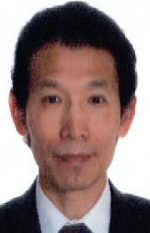
Sen. Josh Hawley, R-Mo., said the most important thing in the wake of the biolab's discovery is to investigate whether the homeowner, who investigators identified as
View attachment 177303
Jia Bei Zhu, has any ties to the Chinese government — especially given that he is already in federal custody following the discovery of an unauthorized biolab in Reedley, California, in 2023.
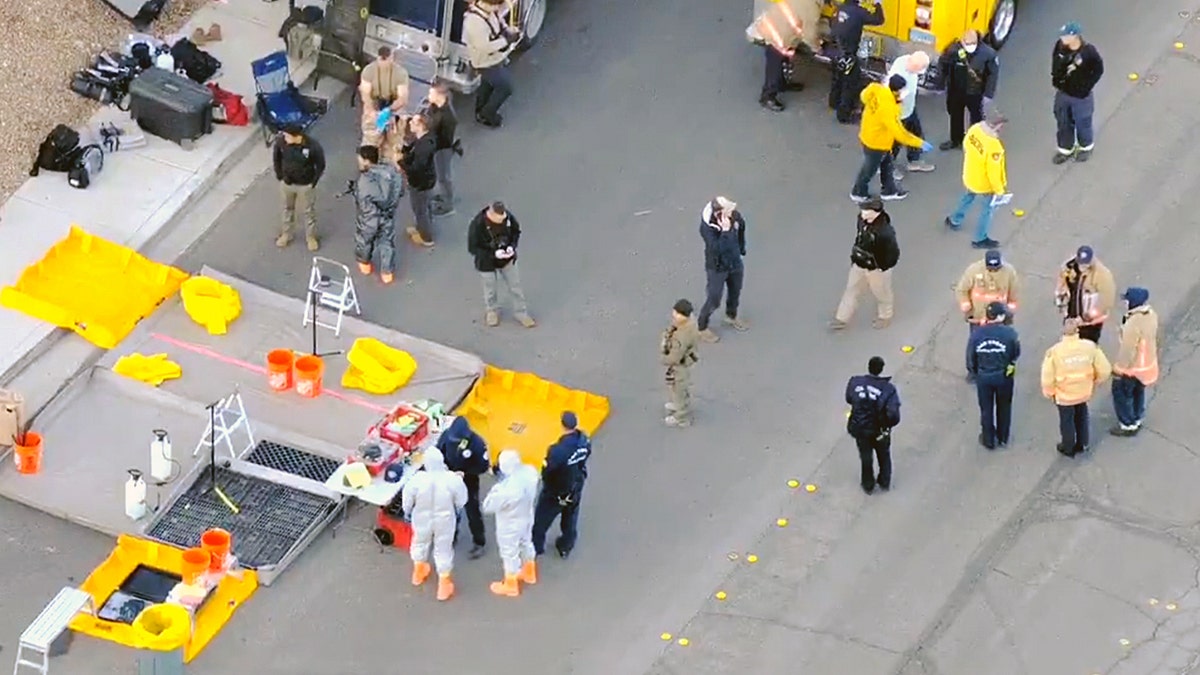

Las Vegas Police Department searches suspected biolab

This image from video provided by the Las Vegas Metropolitan Police Department shows law enforcement searching a house in Las Vegas on Jan. 31. (LVMPD via AP

The property manager of the home, Israeli citizen Ori Solomon, was arrested Saturday and booked into the Clark County Detention Center on charges of disposing and discharging hazardous waste, police said.

"We've got to remember, Bret, that the Chinese government's not our friend," Hawley told Fox News' Bret Baier Wednesday on "Special Report."

"This is a pattern that we've seen where the Chinese government has tried to use Chinese nationals. We don't know if this is true in this case, but we know it's true in other cases — on our university campuses, for example — to try to get access to top research."

Hawley said the Chinese government has "directly funded" these efforts, including trying to "place nationals into sensitive research projects, into sensitive positions at our universities, into sensitive laboratories."
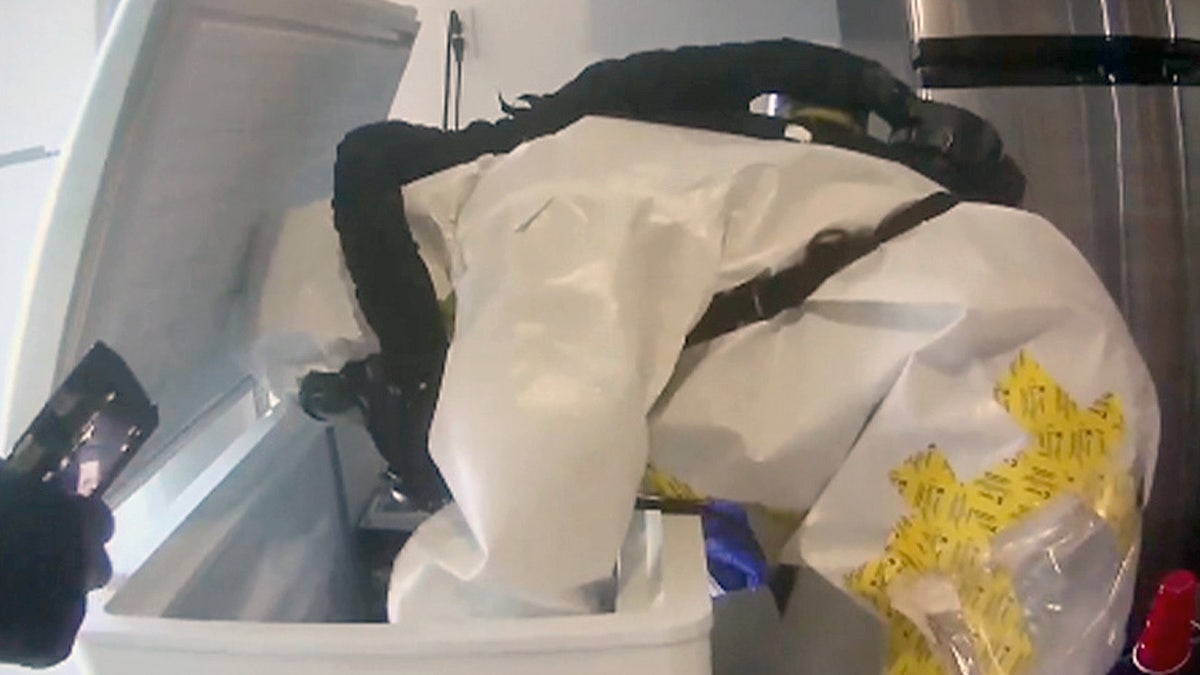
A worker in a hazmat suit searches through material found at the Las Vegas house.

A hazmat-suited worker searches through materials found at a Las Vegas home under investigation. (Las Vegas Metropolitan Police Department)

More than 1,000 pieces of evidence with "potential biological and hazardous materials" were primarily located in a locked garage of Zhu's home, Las Vegas Metropolitan Police Department Sheriff Kevin McMahill said during a press briefing on Monday, raising questions as to how Zhu got access to them.

Suspected agents containing tuberculosis, the dengue virus, HIV and the deadliest known form of malaria were found in the facility for which Zhu was busted in 2023.

"It wouldn't take much of these deadly pathogens to kill thousands of Americans," Sen. Tom Cotton, R-Ark., said on "The Ingraham Angle" Wednesday.

Cotton said there are "very limited controls on the provision of these deadly pathogens to end users," calling for the implementation of stricter checks by providers of these materials "to make sure that [they are] actually being used for proper purposes, not being used for whatever this Chinese national is doing in Reedley and Las Vegas."

The Arkansas senator said he has introduced legislation to this end, pointing to a "clear pattern" of Chinese involvement in potential biosecurity hazards.

Hawley and Cotton both emphasized that it is currently unknown whether there are biolabs in other homes and whether the CCP is directly involved.

"I think we better find out really quick," Hawley said.
I'm pretty sure this is how Dr. William Birken infected Raccoon City in Resident Evil

To view this content we will need your consent to set third party cookies.
For more detailed information, see our cookies page.
 

Homeowner was already in federal custody following discovery of unauthorized biolab in California in 2023​

The property manager of the home, Israeli citizen Ori Solomon, was arrested Saturday and booked into the Clark County Detention Center on charges of disposing and discharging hazardous waste, police said.


Ori Solomon


Photo by: KTNV

LAS VEGAS (KTNV) — Ori Solomon, the property manager who faces charges in connection with an illegal biolab at a Las Vegas short-term rental, will be released from custody while he awaits trial.

Solomon appeared in federal court on Friday afternoon and was released on his own recognizance, with certain conditions.

He has to surrender any passport, is not allowed to leave the country and must notify the court if he plans to leave Clark County, and must not possess a firearm or any other weapon.

Friday's hearing focused on federal firearm charges against Solomon. An Israeli citizen in the U.S. on a non-immigrant visa, Solomon is not allowed to possess firearms. Prosecutors say multiple guns were seized from his home, according to an affidavit obtained by Channel 13.

Solomon also faces a criminal charge in Clark County for the improper disposal of hazardous waste.

He was arrested on Saturday after local and federal investigators discovered what has been called an illegal biological lab inside a home he managed near Washington Avenue and Hollywood Boulevard.

Investigators have recovered suspected biological materials and lab equipment. At this point, authorities tell us testing on those materials is still underway, and it's not yet clear exactly what was found.

Documents obtained by Channel 13 amid this ongoing investigation shed more light on who Solomon is.

Investigators say they were tipped off by someone who worked at the home on Sugar Springs Drive. Days later, police identified Solomon as the property manager.

"We have no knowledge that he had any expertise in that area or he's somewhat of a trained biologist, no," said Chris Delzotto, special agent in charge of the FBI's Las Vegas field office.

Authorities say Solomon works for a Chinese citizen named Jia Bei Zhu, who goes by the alias David He. Property records identified Zhu as the owner of the home on Sugar Springs Drive.

He is jailed in California and faces charges related to the 2023 investigation into an illegal laboratory in Reedley, California, near Fresno. In a warehouse linked to Zhu, investigators found pathogens, including samples of COVID-19 and other diseases, as well as hundreds of transgenic mice and boxes of adulterated and misbranded medical tests, which Zhu is accused of illegally selling.

Investigators say much of what was found in the Reedley warehouse is consistent with materials found in the so-called lab in Las Vegas. They also claim Solomon manages more than 30 rental properties in the valley.

It could take months to find out why the materials and equipment were there, or what they were being used for.

We'll continue to follow up with authorities about this investigation and bring you updates as we learn more.
 
Last edited:

Users who are viewing this thread

Pakistan Defence Latest

Back
Top