Sipahsalar
Registered Member

Ian did not do a single thing to protect itself since 12 day war. No new air defences, no new jets. Just ballistic missiles.
Follow along with the video below to see how to install our site as a web app on your home screen.
Note: This feature may not be available in some browsers.

This is incorrect. You need to research these things before drawing such conclusions.Ian did not do a single thing to protect itself since 12 day war. No new air defences, no new jets. Just ballistic missiles.


a none nuclear power can not conduct preemptive attack to a nuclear power ...
If Iran plans a counter attack instead of a preemptive strike to Usa build up which(counterattack) by the way is a wiser choice(because trump would declare war if Iran attacks first like ww2 Japan and more usa assets will be at risk to be taken out making them more vulnurable as well in a counter attack scenario) there should be several things that needs to be done to absorb the initial potential usa-israel attack with minimal damage for a more effective-deterrant Iranian counter attack. It provides a false sense of security to install more ads radars and ballistic missiles but they are installed at static positions that can be detected by spy satellites and targeted thereafter easily by saturation attacks. Ballistic missile tels detected at the shores would be initial usa-israel targets for example.
- There should be many false targets to reduce the effect of initial attack for a more effective counter attack. wooden copies(recent technology is inflatable balloons that emulate the infrared signature as well but wooden models are better for imitating sharp edges and against visual detection by spy satellites or sar equipped planes) of missile launcher tels towed around rapidly. As well as replicas of radars and ads. False rf emitter decoys can be used with mock ups of ads.
If they stay at the same place they will be filtered out as decoys so these decoys should be carried around rapidly as well. Silo mock ups can be static but can be on many places they are wooden launch doors only.
-Ads are both visible to spy satellites and elint. So they should be moved around very frequently as well. They are not detected real time and attacked from longer ranges immediately but they still need to move to different places very rapidly just like Ukraine does against Ruaf saturation attacks.
Negotiations can be going positively but it shouldnt provide a false sense of security even after a deal is set with usa. israel can still attack anytime. Also last june usa also joined the attack after israel. So alert condition should continue with varying degrees even after the negotiations end.


if we had competent air defences able to intercept > 50% of basic subsonic cruise missiles like the Tomahawk that would be quite useful, but it seems we do notRecent reports regarding the use of Tomahawk cruise missiles, specifically during a December 2025 strike in Nigeria, have indicated an "alarming" failure-to-explode rate, with estimates ranging from 25% to 33%.

Yes preparation for any scenario is necessary. Also we generally talk about ballistic missiles and ads. Now another dimension is added to the scene after Russia-Ukraine war the drone forces. For example naval drones like these can create mayhem over opposing naval assets and ensure control on many strategic naval locationsA preemptive strike from Iran would be foolish... however, preparing and getting themselves enough time for when and where would be wise!
However at this point anything Iran does would be considered defensive in nature and conduct. Since it is US going to the other side of the world to threaten, kill and maim Iranians as declared enemies. The "negotiations" themselves cannot be taken seriously when it was US along with zion who sabotaged the first bout with a known and proven liar... who aimed to decapitate the state in its first go... openly incited violence and take over of government buildings and most importantly walked away from JCPOA while killing Solemani!
In the whole history of US-Iran ties ... it has been Iran on the receiving end... having regimes changed ... getting royalty installed and having one sitting idly as a bench warmer just in case....
In fact the things are clear... zion wants to balkanize Iran... even if baby king may be in play at the beginning...

They killed hundreds of Venezuelans during their operation
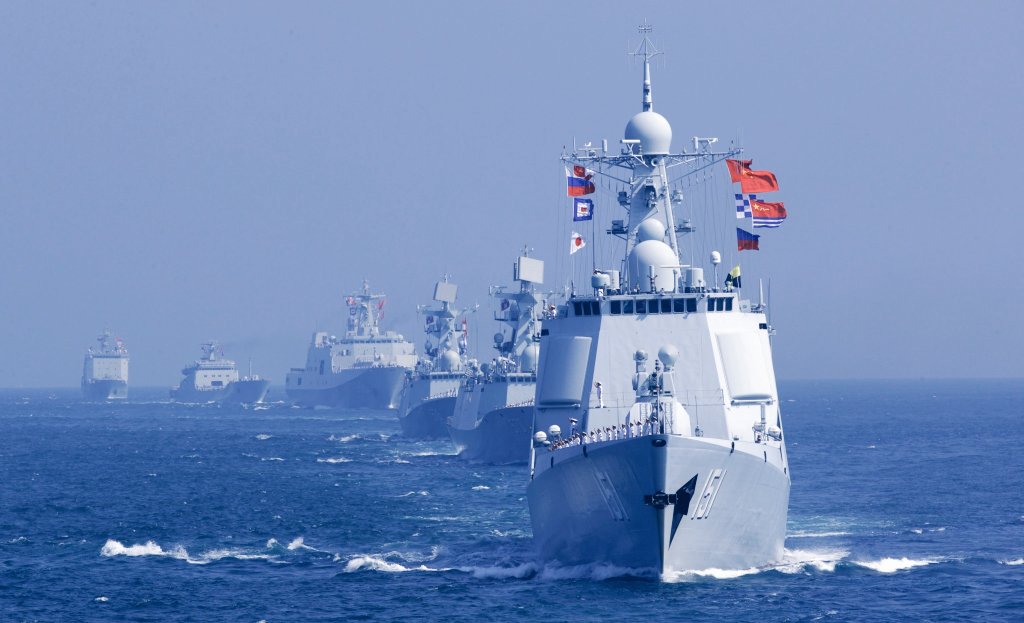
 defencesecurityasia.com
Yes preparation for any scenario is necessary. Also we generally talk about ballistic missiles and ads. Now another dimension is added to the scene after Russia-Ukraine war the drone forces. For example naval drones like these can create mayhem over opposing naval assets and ensure control on many strategic naval locations


