Chinese UAVs News & Discussions

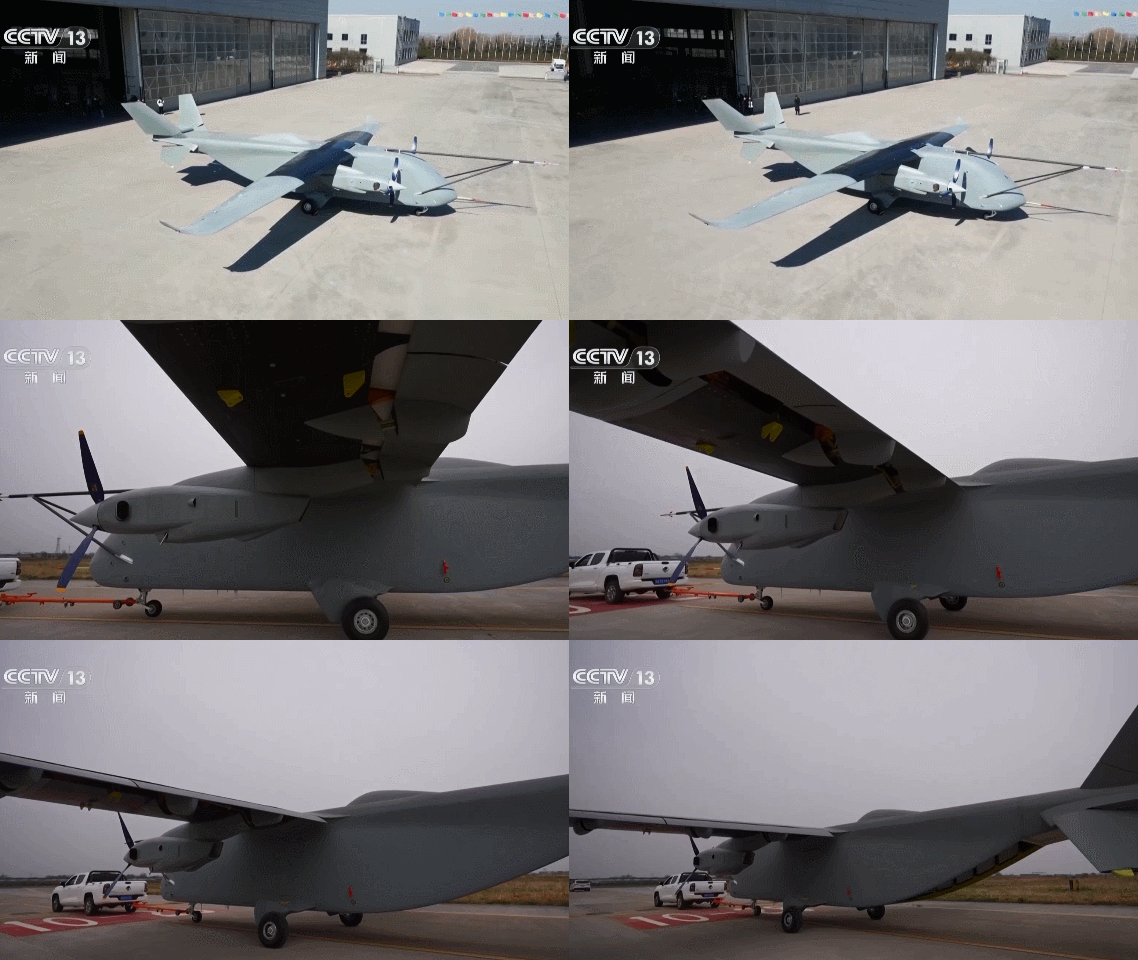
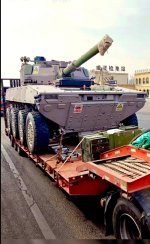
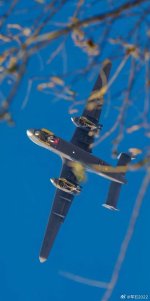
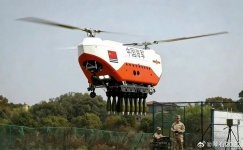
haven't you seen the video from which these screen shots are taken?
Another user claimed that the video was shot in Hainan. If so, these objects are very likely Flankers rather than some unknown UAV.
 

China’s hybrid engine promises stealth, endurance boost for battlefield drones​

The unit is designed to integrate the strengths of both fuel-based and electric power.

ByBojan Stojkovski
MilitaryMar 29, 2026 01:00 PM EST

image

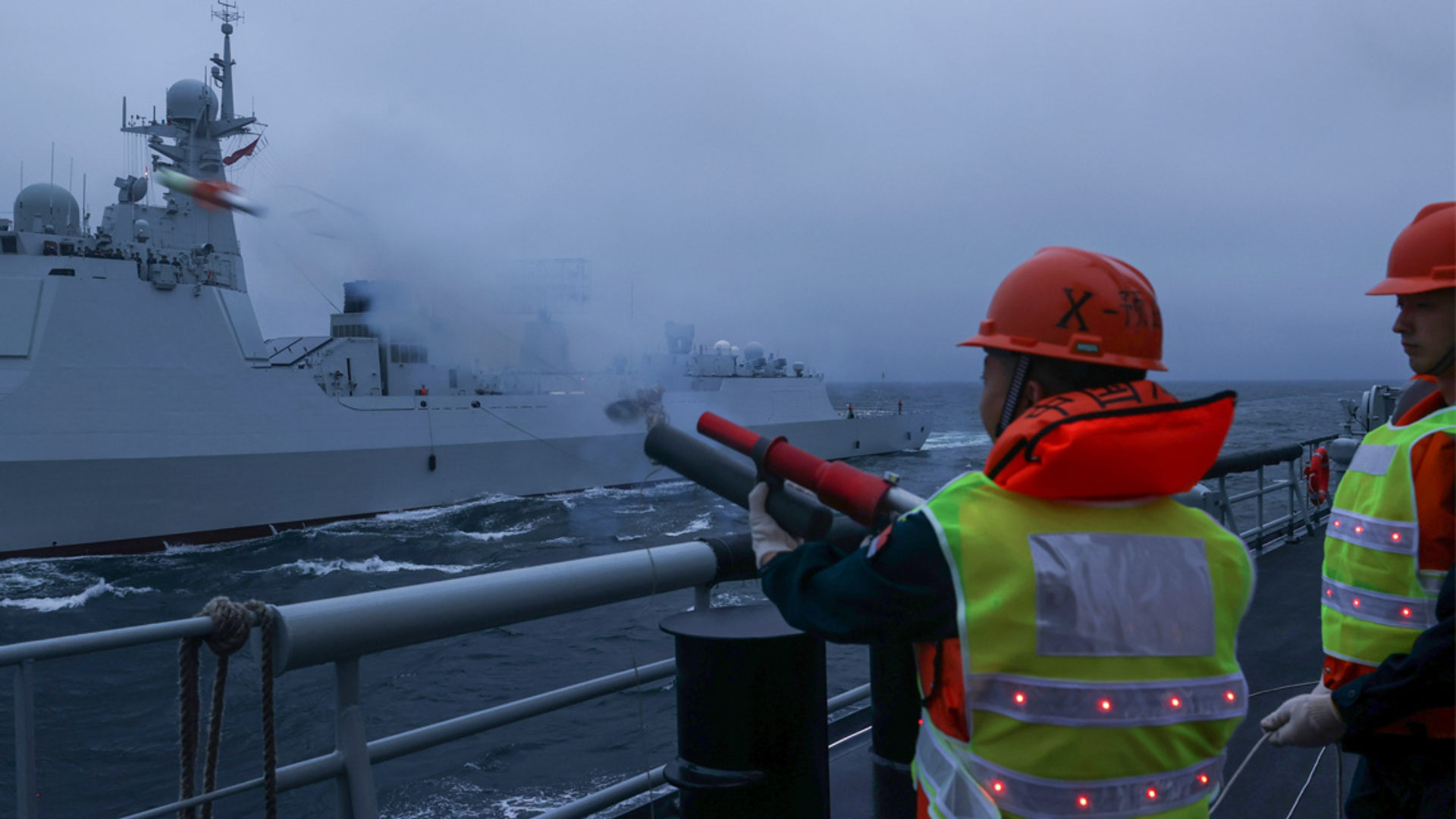
New hybrid unit could power China’s next generation of small battle drones.The Chinese Navy/FB

A Chinese-developed hybrid propulsion approach is combining fuel-based generation with an electric drive to optimize drone performance. In this configuration, a fuel-powered source generates electricity to run the motor, effectively merging the endurance of combustion systems with the low-signature advantages of electric propulsion.

Traditionally, drone propulsion has split along two paths – larger uncrewed aircraft rely on fuel engines, which deliver higher power output and longer range but come with significant noise and heat signatures.
symbol


By contrast, smaller drones typically use battery-electric systems, enabling quieter operation and reduced infrared visibility, though at the cost of limited flight time and operational range.

Engine aims to cut noise and heat signatures​

A 60-kilowatt hybrid propulsion system tested in December marks a step toward more capable small battlefield drones. The unit is designed to integrate the strengths of both fuel-based and electric power, creating a flexible energy architecture suited for contested environments.

By generating electricity from fuel during flight and switching to a quieter electric mode when required, the system allows smaller drones to extend their operational range while minimizing noise and thermal signatures.

This dual-mode capability is particularly relevant for missions where stealth and endurance must be balanced, as highlighted in Stealth Vanguard, an episode from the documentary series UAV Competition. Furthermore, this is also signaling continued progress toward maturing hybrid propulsion technologies for tactical use, the South China Morning Post reports.

The development appears to be part of a broader effort to incrementally improve China’s unmanned aerial vehicle capabilities, particularly in areas like endurance and operational flexibility. It comes at a time when drones are being used more frequently in real-world missions, pushing militaries to refine how these systems perform across different environments and constraints.

Drones take on expanding roles across modern battlefields​

Uncrewed systems are playing a growing role in modern warfare, handling missions from reconnaissance and artillery spotting to precision strikes. Their low cost and ease of deployment have made them widely used across conflicts, increasing their strategic importance.

Recent fighting has shown how drones are being used at scale. Iran has launched large numbers of low-cost drones to overwhelm defenses in the Persian Gulf, while the US has begun deploying one-way attack drones and AI-enabled interceptors, highlighting the rapid evolution of drone warfare.

SCMP adds that newly developed Chinese hybrid system rethinks propulsion for small drones by decoupling power generation from thrust. Built by state-backed Sichuan Tianfu Light Power Technology, a gas turbine drives a generator to charge onboard batteries, while an electric ducted fan delivers the actual thrust, allowing the drone to switch between quiet and high-power modes.

Its compact layout is designed to fit onto smaller platforms without compromising performance, giving drones the ability to fly farther and operate more discreetly. By combining endurance with low visibility, the system targets missions where traditional battery-only or fuel-only setups would struggle.


China's new 7-tonne unmanned cargo drone set for maiden flight​

Technology09:32, 31-Mar-2026
CGTN

China's first 7-tonne-class large transport drone, Changying-8. /CMG


China's first 7-tonne-class large transport drone, Changying-8. /CMG

China's first 7-tonne-class large transport drone, Changying-8, is set to make its maiden flight on Tuesday in Zhengzhou, central China's Henan Province.

All pre-flight preparations have been completed.

Developed independently by China North Industries Groups Corporation, the unmanned cargo aircraft measures 17 meters in length with a wingspan of 25 meters.

It features an ultra-large cargo hold of 18 cubic meters, capable of accommodating multiple types of standard aviation containers as well as specialized cold-chain storage boxes.

It can complete loading and unloading within 15 minutes, significantly improving logistics turnover efficiency.

The drone boasts a maximum takeoff weight of 7 tonnes, a payload capacity of 3.5 tonnes, and a range exceeding 3,000 kilometers.

It is capable of high-altitude takeoffs and landings as well as short takeoffs and landings on runways as short as 200 meters, enabling operations in diverse environmental conditions.

In the future, it is expected to support a wide range of applications, such as domestic regional e-commerce logistics, routine supply of living and infrastructure materials in high-altitude and island regions, emergency rescue operations, and flood control and disaster relief efforts.

 
China’s first 7-ton fully indigenous cargo drone NORINCO LUCA makes successful maiden flight, expanding low-altitude logistics capabilities
By Liang RuiPublished: Mar 31, 2026 10:32 AM

faa90c46-3d8e-47ec-ab15-81c6d56384bc.jpeg

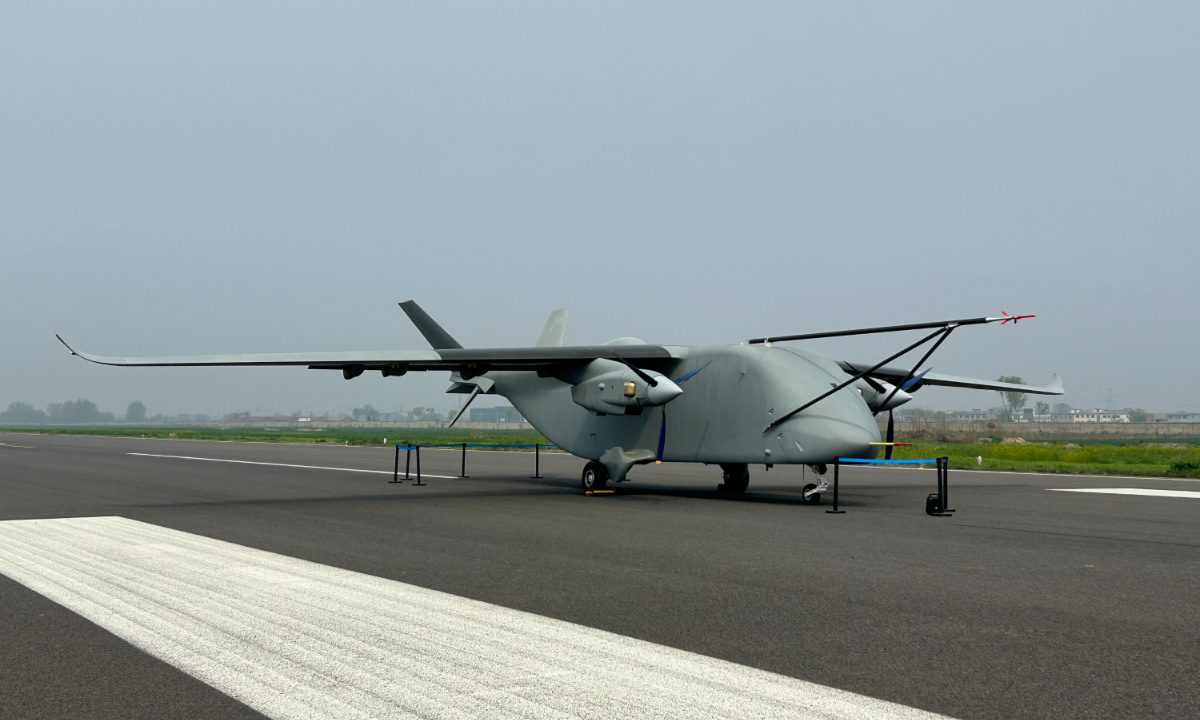
The fully domestically developed large cargo unmanned aerial vehicle NORINCO LUCA parks at a test flight site in Zhengzhou, Central China’s Henan Province, on March 31, 2026. Photo: Liang Rui/GT

The fully domestically developed NORINCO LUCA large cargo unmanned aerial vehicle (UAV) successfully completed its maiden flight on Tuesday in Zhengzhou, Central China's Henan Province. According to its developer from China's state-owned Norinco Group, it is now the largest logistics unmanned cargo aircraft in the world to have achieved a successful first flight, marking the arrival of China's first 7-ton-class fixed-wing "unmanned aerial heavy truck" in the low-altitude economy and expanding the range of potential applications.

At the test site, the Global Times reporter observed the aircraft start up its two domestically produced turboprop engines before accelerating smoothly along the runway and lifting off after just over 200 meters. During the 30-minute maiden flight, the NORINCO LUCA successfully validated key systems, including intelligent flight control, avionics, electromechanical systems, propulsion and fuel systems, and overall flight performance, before returning for a stable landing.

If conventional logistics drones are comparable to small three-wheeled vehicles in the air, the NORINCO LUCA is a true "heavy-duty truck." From the outset, it was designed with large payload capacity and a spacious cargo hold as core objectives. Its imposing dimensions - a 25-meter wingspan, 17-meter length, and 4.5-meter height - highlight its powerful transport capability.

Chief designer Geng Jianzhong told the Global Times that the drone has a maximum payload of 3.5 tons. "In emergency scenarios, it can carry 1,750 winter jackets weighing 2 kilograms each, or 700 standard disaster-relief tents. From an industrial logistics perspective, this capacity is sufficient to transport large mechanical components - even, in some cases, an entire production line," he said.

Beyond payload, accommodating diverse cargo shapes is equally critical. To address this, the NORINCO LUCA features an 18-cubic-meter, fully unobstructed cargo bay. Designed like a mobile warehouse, the interior is cleanly structured without unnecessary obstructions, enabling compatibility with various standard air cargo containers and specialized cold-chain storage units. This allows it to handle a wide range of cargo, from general goods to fresh produce and emergency supplies.

"This design gives the NORINCO LUCA exceptional ground-air integrated transport capability," Geng explained, outlining a future logistics scenario in which ground-based heavy trucks handle container transfers, while the "unmanned aerial heavy truck" manages cross-regional transport, together forming a seamless and intelligent logistics ecosystem.

The aircraft also features front and rear dual cargo doors for rapid loading and unloading, improving operational efficiency.

In addition, supported by a big data-driven intelligent dispatch system, the NORINCO LUCA enables centralized control of multiple aircraft from a single station. AI algorithms dynamically match transport capacity with demand, supporting 24/7 continuous operations and significantly improving responsiveness and execution efficiency.

For large cargo UAVs, solving the challenge of "carrying more" is only part of the equation, "flying farther" and "reaching more places" are equally essential for maximizing efficiency.

NORINCO LUCA boasts an impressive range of over 3,000 kilometers at full load, making it particularly well-suited for transporting fresh produce like lychees and seafood, as well as urgently needed medical supplies. Its point-to-point, cross-provincial delivery capability ensures goods can arrive fresh within 48 hours, effectively overcoming geographic barriers, Geng said.

The drone also features short takeoff and landing capability, requiring as little as 200 meters for takeoff. Unlike conventional airliners that depend on long concrete runways, it can operate from simple airstrips or even well-conditioned roads, enabling access to remote mountainous regions, islands, and high-altitude outposts beyond the reach of traditional air logistics.

As an intelligent aerial platform, the NORINCO LUCA adopts a modular design, allowing rapid reconfiguration for different missions. This flexibility enables strong adaptability across multiple scenarios.

Meanwhile, as a product of Norinco Group, the NORINCO LUCA is not only a logistics platform but also a multi-role "special mission aircraft." Through modular interfaces, it can be rapidly adapted for applications such as emergency communications, weather modification, border patrol, and electronic reconnaissance.

"The successful debut of the NORINCO LUCA marks China's large cargo UAV technology entering the world's leading ranks," Geng said. Looking ahead, efforts will focus on airworthiness certification and commercial deployment, building a full lifecycle, intelligent aviation logistics solution.


China's Atlas Drone Swarm Launches 48 Drones in 3-Second Intervals

CCTV showcases AI-driven swarm system enabling coordinated reconnaissance, electronic warfare, and precision strikes

Published 2026.03.26. 15:01
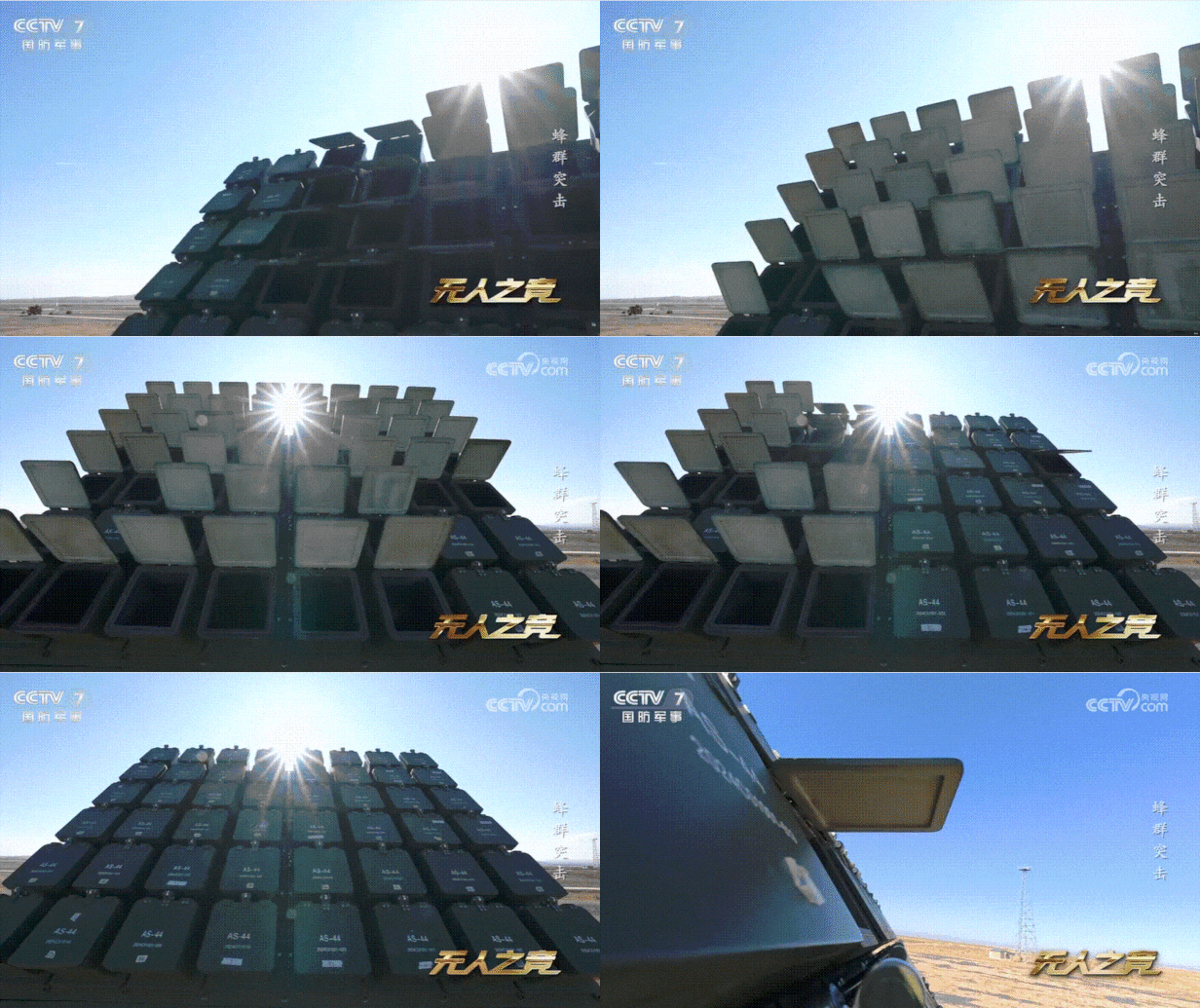
The 48 drone launch tube covers on the Swarm-2 ground combat vehicle open and close collectively. /CCTV


The 48 drone launch tube covers on the Swarm-2 ground combat vehicle open and close collectively. /CCTV

China has unveiled for the first time a demonstration video of the "Atlas Drone Swarm Operation System," designed to integrate and operate multiple drones for reconnaissance and attack missions.

The military channel of Chinese state broadcaster CCTV showcased the demonstration video of the Atlas Drone Swarm Operation System on the 25th under the title "No-Man's Land, Episode 1: Swarm Attack."

The video shows the lids of 48 drone launchers mounted on a ground combat vehicle stationed on a test field opening one by one, followed by drones being launched in succession. The launches occur at approximately three-second intervals, with the drones charging straight toward virtual targets to strike them.

The Atlas Drone Swarm Operation System consists of a Swarm-2 ground combat vehicle equipped with drones, a command vehicle, and a support vehicle. The Swarm-2 ground combat vehicle was first unveiled at Airshow China held in Zhuhai, Guangdong Province, in 2024. A single ground combat vehicle can carry 48 fixed-wing drones, while a command vehicle can simultaneously direct up to 96 drones. The system adopts a mechanism that launches drones at three-second intervals to ensure safe distances and flight paths for each drone.

Each drone can carry various payloads, including reconnaissance equipment, attack equipment, and communication relay devices. According to CCTV, the system allows flexible configuration of drone types and sequences based on mission requirements, enabling responses tailored to diverse combat situations. For instance, reconnaissance drones are first deployed to gather intelligence, followed by electronic warfare drones to disrupt enemy radar and communication systems, and finally attack drones to strike targets. The system reportedly enables dozens of drones to form sophisticated formations based on "swarm intelligence." CCTV stated, "It essentially grants a smart brain, enabling communication, information sharing, and real-time position adjustments."
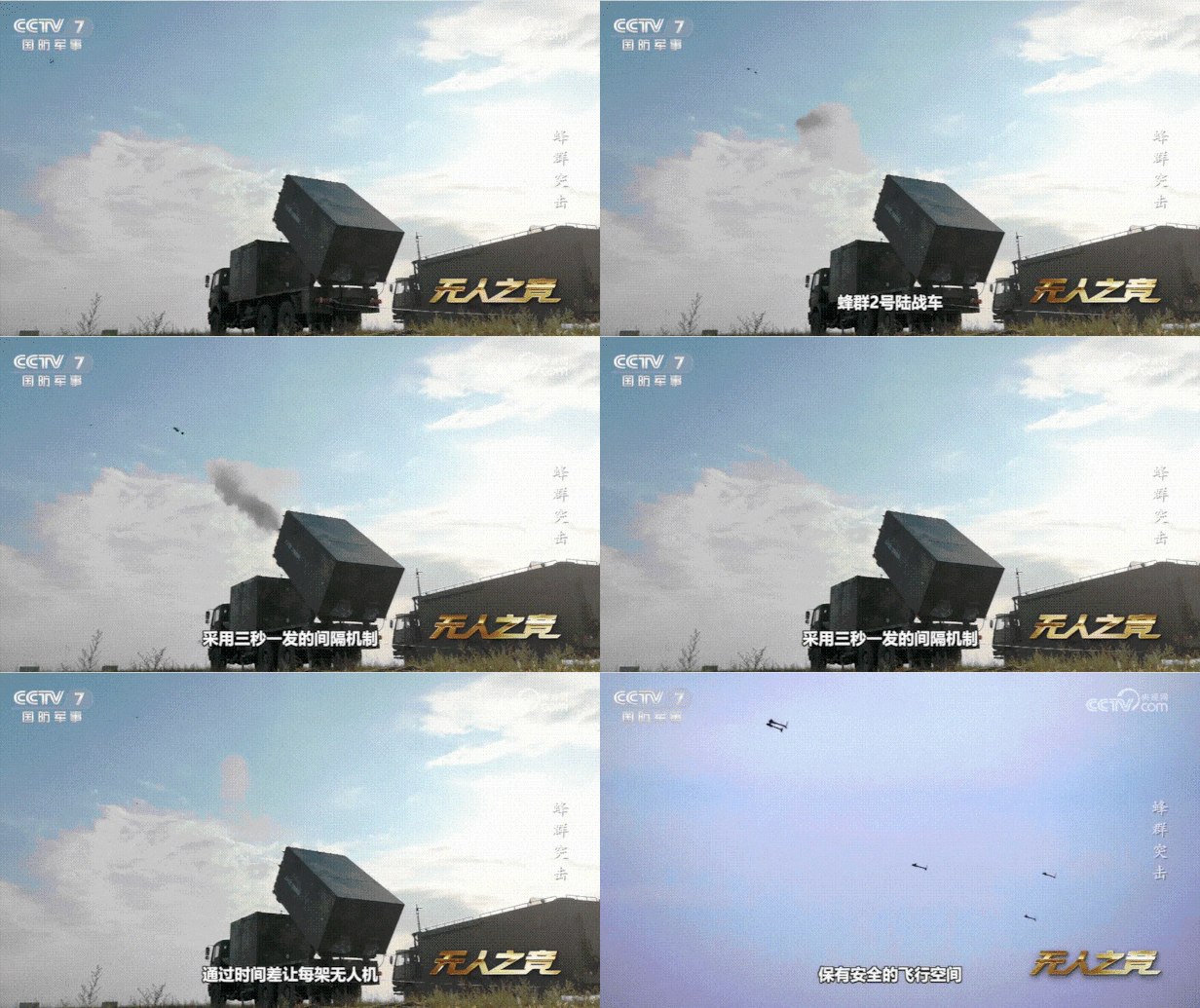
Drones launch at approximately 3-second intervals. /X


Drones launch at approximately 3-second intervals. /X

Regarding this "swarm drone" system, Chinese military expert Wang Winfei told the Global Times, an English-language state-run Chinese media outlet, "The ability to reconfigure drone setups based on missions significantly broadens the range of practical battlefield applications."

He added, "In saturation attacks against enemy air defenses, launching multiple drones in waves from various directions can overwhelm interception capabilities," and "In precision strike missions, drones can achieve higher accuracy than conventional long-range munitions."


Do we know anything about the drones in this system ? Their range and warhead weight/type ? I think Pakistan Sarkash drone seems to be of the similar size and it have range of 700 km for 50 kg warhead version and 1000 km for 25 km version.

By the way the sarkash drone also have foldable wings and it can be canisterized as well.


World's Largest Unmanned Cargo Aircraft Completes Maiden Flight​

To view this content we will need your consent to set third party cookies.
For more detailed information, see our cookies page.
 

Megawatt hydrogen turboprop engine completes maiden flight in central China​

20:04, 05-Apr-2026

To view this content we will need your consent to set third party cookies.
For more detailed information, see our cookies page.


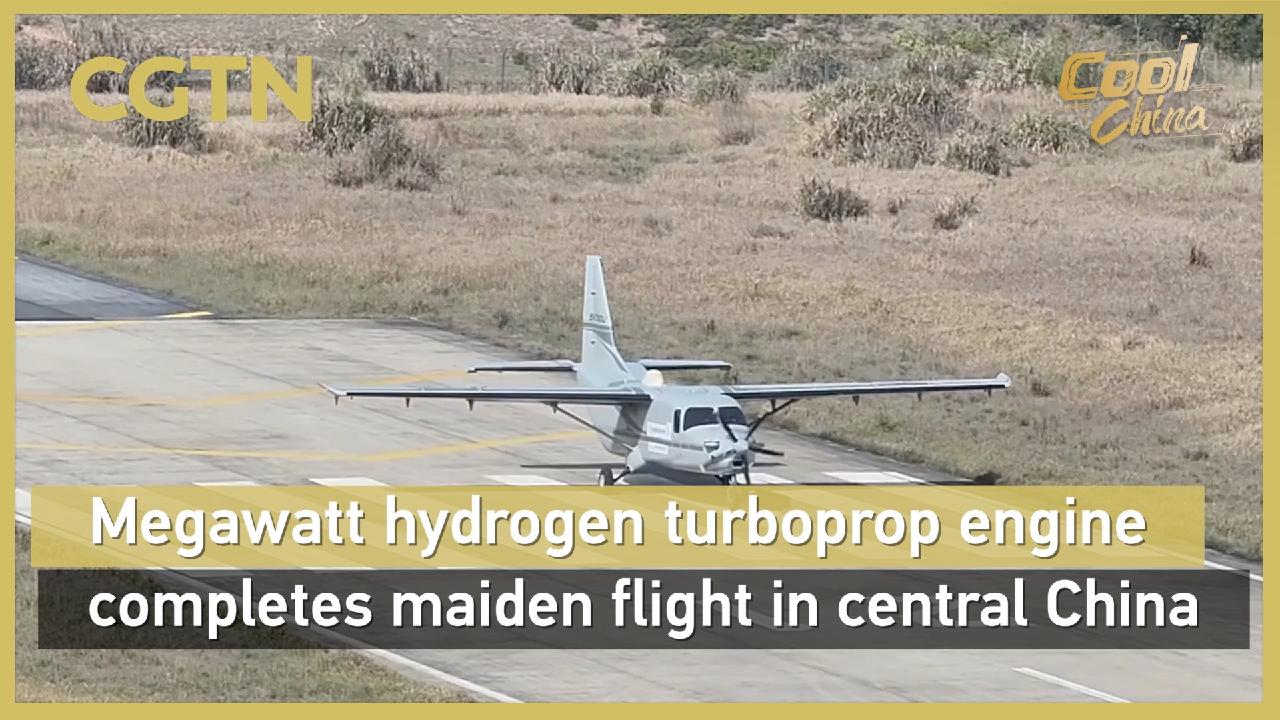
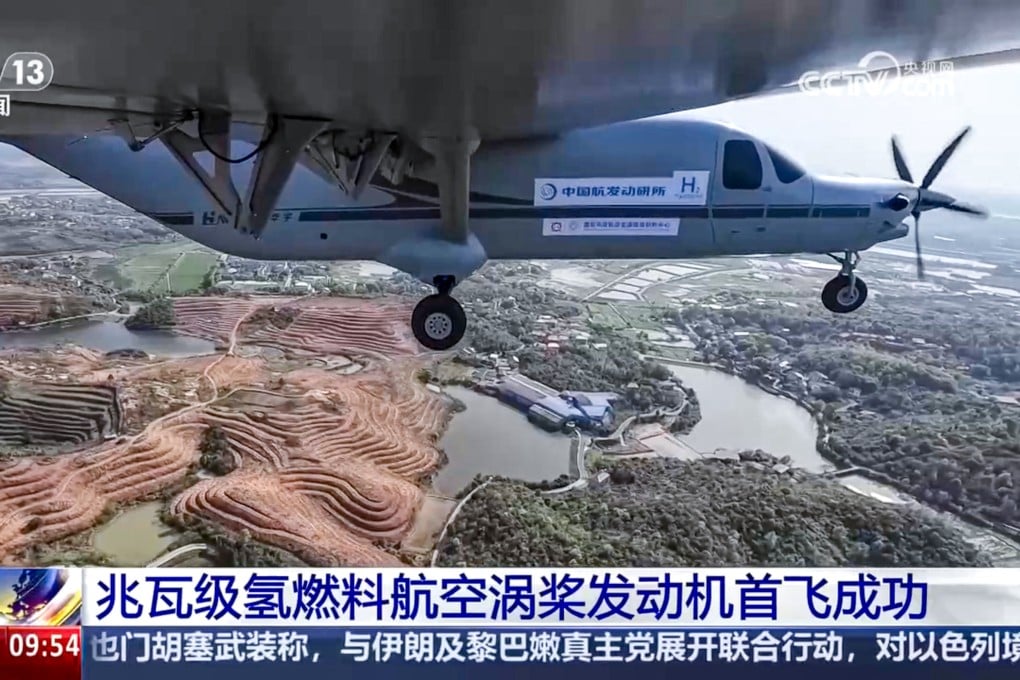
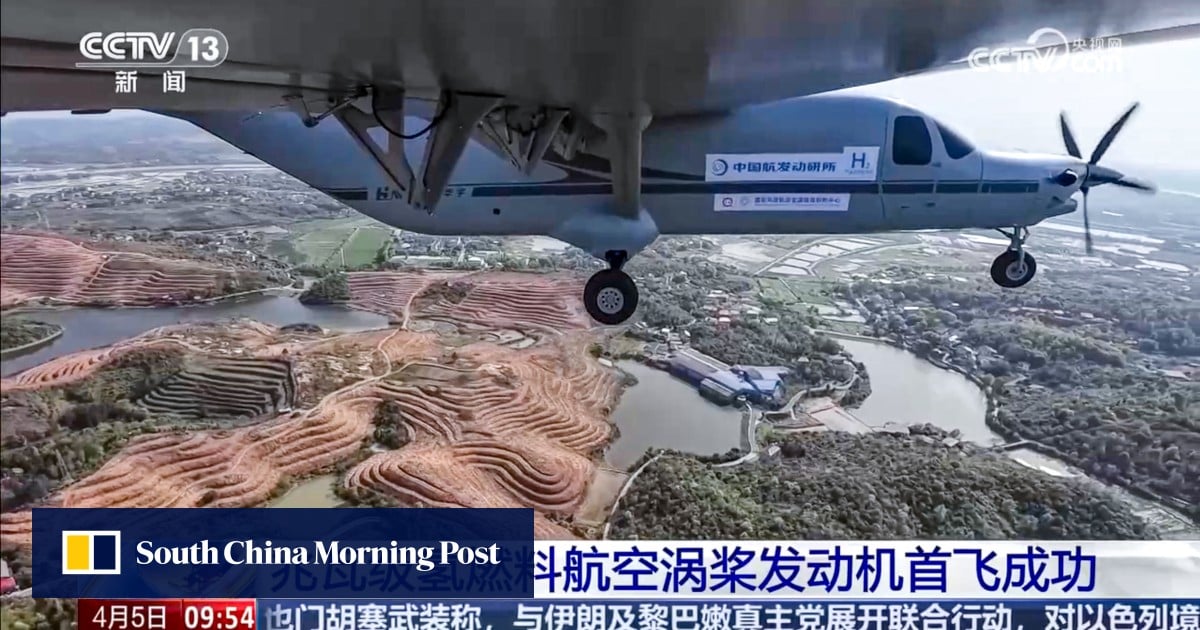
A 7.5-tonne unmanned cargo aircraft powered by China's AEP100, a megawatt-class hydrogen-fueled turboprop engine, completed its maiden flight in Zhuzhou, Hunan Province on April 4.

This marks the world's first test flight of such an engine. The 16-minute flight covered 36 kilometers at 220 km/h, reached an altitude of 300 meters and returned safely after completing all maneuvers.


China’s push for hydrogen-powered planes takes step forward amid Iran energy crisis​

The maiden flight of the most powerful plane of its kind was hailed by state media as establishing a ‘complete technological chain’​

The plane pictured during its maiden flight. Photo: CCTV

William Zheng
Published: 9:00pm, 5 Apr 2026

A Chinese cargo plane powered by a hydrogen-fuelled engine has successfully completed its maiden flight, marking a milestone in China’s push for green aviation.
The 7.5-tonne uncrewed aircraft is powered by the world’s most powerful hydrogen turboprop of its kind, capable of generating more than 1 megawatt.

The engine operated normally and remained in good condition throughout the 16-minute test flight on Saturday, state news agency Xinhua reported, citing the Aero Engine Corporation of China (AECC), its developer.

The aircraft covered 36km (22 miles) at a speed of 220km/h (137mph), flying at an altitude of 300 metres (985 feet). After completing all scheduled manoeuvres, it returned to an airport in Zhuzhou in central Hunan province, according to the report.

The successful maiden flight came days after the turboprop successfully completed full ground-tests on March 29.

Xinhua said the successful maiden flight meant China has established a “complete technological chain” in hydrogen-fuelled aviation engines, covering everything from core components to full engine integration, “laying the foundation for the industrial application of hydrogen energy in aviation”.

 
Maybe I should post it here since it's an unmanned wheeled TD.

Screenshot_2026-04-07-06-54-33-737_tv.danmaku.bili-edit.jpg
 

China tests its new 925 km/h stealth drone, and the first flight of this nearly invisible aircraft sends a message that goes far beyond mere speed​

By Adrian Villellas
Published On: April 9, 2026 at 10:15 AM

china-ch7-stealth-drone-maiden-flight-flying-wing-technology.jpg

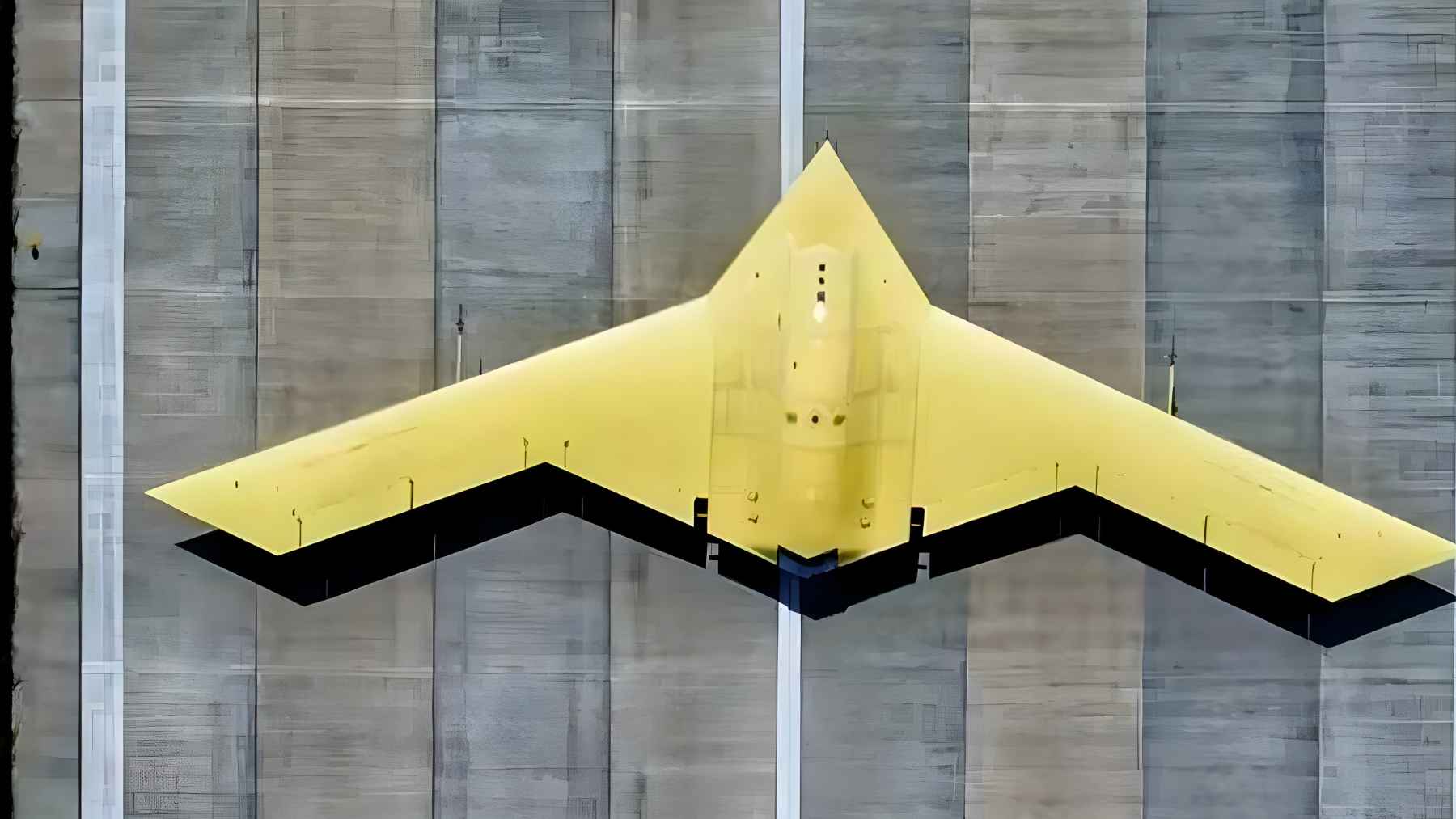
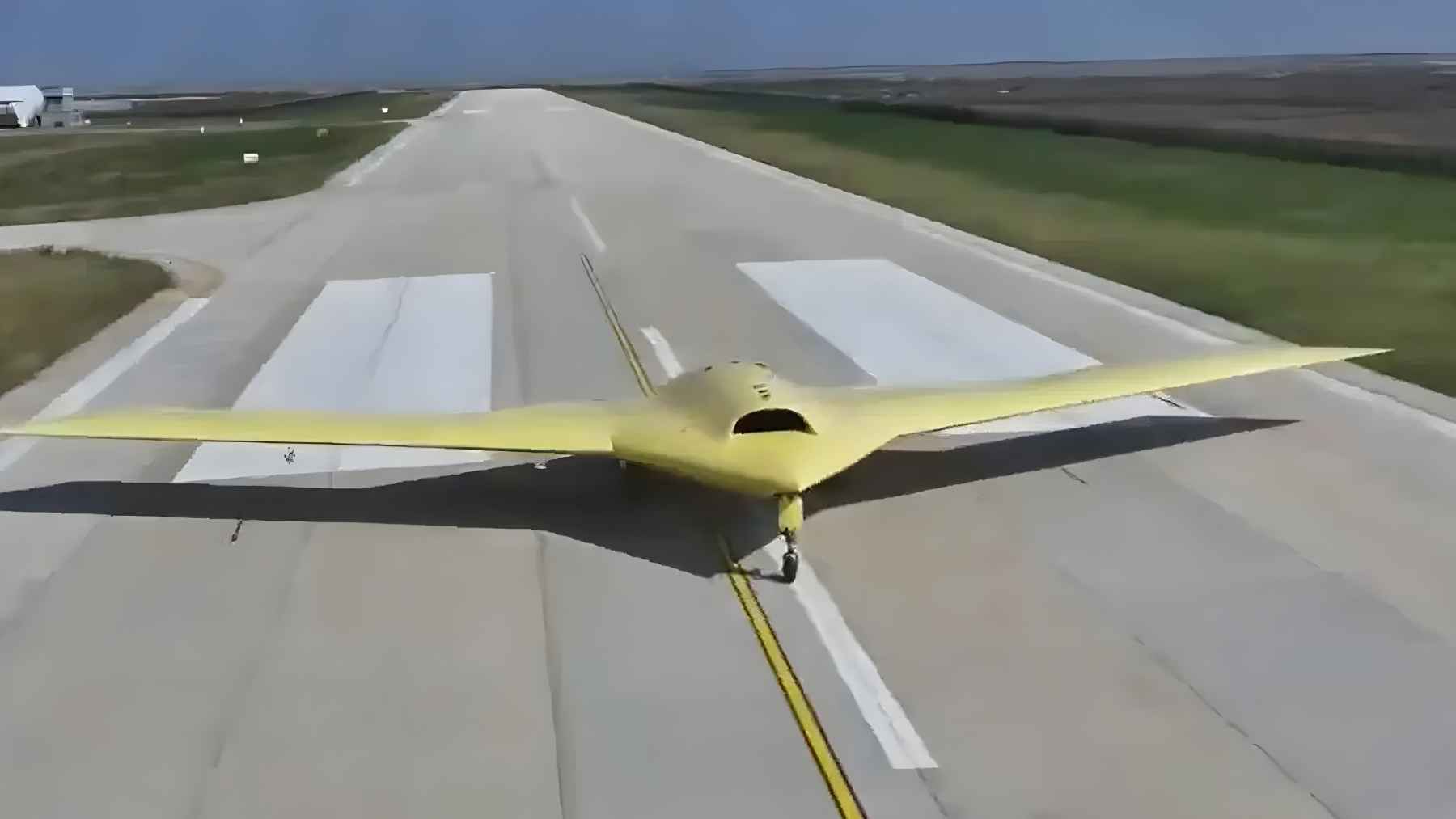
China has completed the first reported flight of the CH-7, an uncrewed stealth drone designed for long-range reconnaissance. Openly published specifications cited in a defense report put its maximum speed at about 926 kilometers per hour (roughly 575 mph), close to the 925 figure reported by some Chinese outlets.

So what did the maiden flight actually prove? Officials say it was about the basics, confirming that the aircraft’s shape and control systems behave as predicted before more demanding tests begin. It is a simple milestone, but it matters.

A test flight that focused on control and safety​

A China Daily report said the China Academy of Aerospace Aerodynamics described the maiden flight as a check of autonomous takeoff and landing, in-flight position control, communications, and tracking at an airfield in northwestern China.

Project leader Li Jianhua said the test achieved the “desired results,” which is especially important for a flying-wing aircraft that depends on computers to stay stable.

Engineers are now expected to expand the “flight envelope,” meaning the safe range of speeds, altitudes, and maneuvers. In practical terms, that is the jump from a careful first drive to pushing the limits, step by step, without breaking anything. Specifications can shift as prototypes evolve.

What “stealth” looks like in plain language​

The CH-7 uses a flying-wing layout, a shape that can reduce radar detection by smoothing the aircraft’s outline and avoiding a traditional tail. Radar works by sending out energy and listening for a bounce-back, and stealth design tries to weaken that return.

Reports describing the drone say it uses radar-absorbing structures and stealth coatings in areas that tend to reflect strongly, including leading edges, access panels, and landing gear doors. Those small surface choices are part of what “low observable” means, and they are aimed at helping the drone slip closer to defended areas.

The aircraft is also described as carrying electro-optical and infrared payloads, which are basically high-end cameras that see visible light and heat.

An official description posted on a China Aerospace Science and Technology Corporation news page said follow-on tests will verify payload performance under “complex conditions,” a broad phrase that can include distance, weather, and electronic interference.

A yellow-primed Chinese CH-7 stealth drone taxiing on a runway during its first autonomous flight test.
Maiden flight success: The CH-7 prototype takes to the runway in northwestern China to verify its flying-wing aerodynamic stability.

Why analysts say it is not a fighter sidekick​

Some Chinese analysts have argued the CH-7 is not well suited to the “wingman” idea, where a drone flies tight formations with a fighter jet in fast, hard turns. Instead, it appears aimed at strategic reconnaissance, including battlefield surveillance and long-range maritime monitoring, such as spotting large ships and relaying what it sees.

That role has drawn comparisons to the still-unconfirmed RQ-180, a stealthy flying-wing aircraft widely linked to Northrop Grumman in Western reporting. A 2013 Aviation Week investigation described it as a highly classified effort that was already moving toward flight testing in the early 2010s, a reminder that some of the most important details remain out of public view.

The main report has been published in Global Times.


Users who are viewing this thread

Pakistan Defence Latest

Latest Posts

Back
Top