China Confirms Boots on the Ground in Pakistan to Support J-10C Fighter Operations Against India
South Asia , Aircraft and Anti-Aircraft
Military Watch Magazine Editorial Staff
May-8th-2026
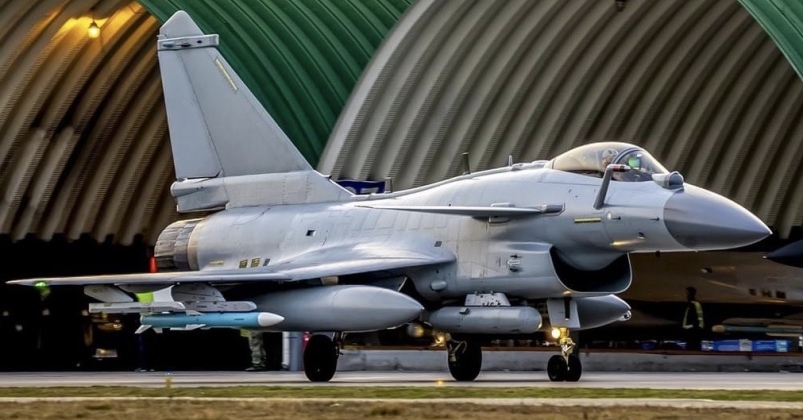
Chinese PLA Air Force J-10C Fighter Equipped For Air-to-Air Combat
Chinese government sources have for the first time reported the deployment of personnel to Pakistan to support combat operations against India in early May, 2025, specifically in the form of on-site technical support for the Pakistan Air Force’s newly procured
J-10C fighters. Chinese state broadcaster CCTV on May 7 broadcast an interview with a Chinese engineer Zhang Heng, from the Chengdu Aircraft Design and Research Institute responsible for developing the J-10, who was among the personnel deployed on the ground during the conflict. The brief Indo-Pakistani war represented the first time the J-10 was deployed for combat operations, and the first time any indigenous Chinese fighter type has engaged in high intensity combat, with the outcome having raised the already fast rising prestige of China’s defence sector considerably further.
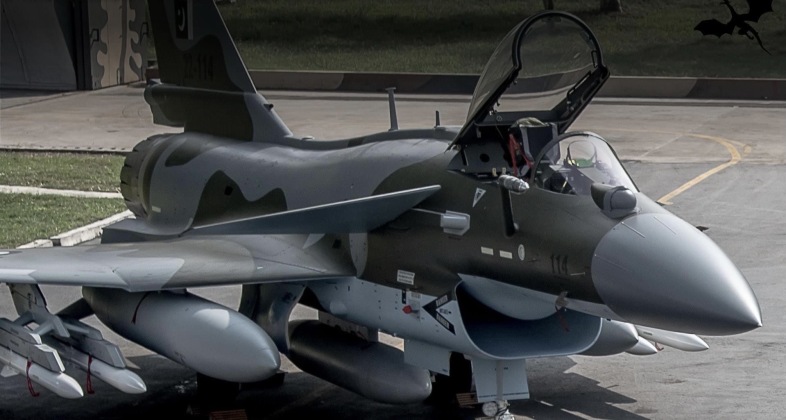
Pakistan Air Force J-10C with PL-15 Air-to-Air Missiles and Three External Fuel Tanks
Commenting on his stationing in Pakistan to support J-10C operations, Zhang Heng reported: “At the support base, we frequently heard the roar of fighter jets taking off and the constant wail of air raid sirens. By late morning, in May, the temperature was already approaching 50 degrees Celsius. It was a real ordeal for us, both mentally and physically.” He added that his team of Chinese specialists in Pakistan were driven by “a desire to do an even better job with on-site support,” and to ensure their equipment could “truly perform at its full combat potential.” Although Pakistan was reported to have lost multiple fighters and a high value support aircraft to
Indian S-400 long range air defence systems, J-10C fighters were credited with
shooting down multiple Indian Air Force fighters, including between one to four newly procured French Rafales, causing a public relations disaster for both the Indian fighter fleet and for the Rafale program.
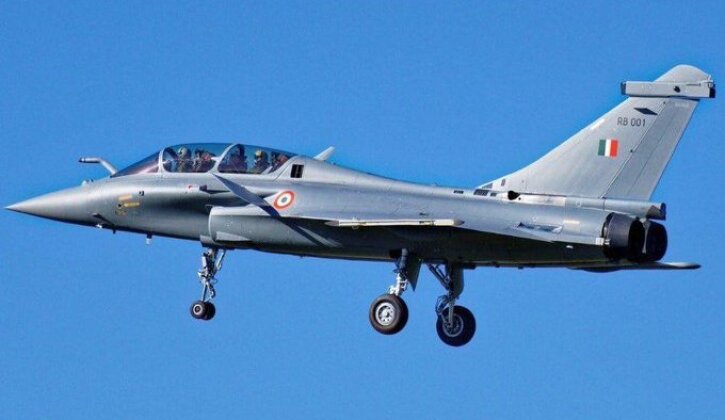
Indian Air Force Rafale Fighter
Providing further insight into the role of Chinese specialists on the ground in Pakistan supporting J-10C operations, Xu Da, another employee of the Chengdu Aircraft Design & Research Institute who was operating in the country compared the fighter jet to a “child.” “We nurtured it, cared for it, and finally handed it over to the user. And now, it was facing a major test,” he stated. “As for the outstanding results the J-10CE achieved, we weren’t very surprised, and it didn’t feel sudden at all. In fact, it felt inevitable. The aircraft just needed the right opportunity. And when that moment came, it delivered exactly as we knew it would,” he added. Regarding the decisive successes Pakistani fighter units achieved during air-to-air engagements, he added: “That wasn't just a recognition of the J-10CE; it was also a testament to the deep bond we formed through working side-by-side, day in and day out.”
Closely coinciding with reports confirming the presence of Chinese personnel in Pakistan to support J-10C combat operations, the Pakistan Air Force announced that it had laid the groundwork for a wide range of procurements from China to revolutionise its combat capabilities. Alongside the procurement of an unnamed next generation fighter type, which is expected to be the J-35, the most significant announcement was the reported procurement of further squadrons of J-10C fighters. The J-10C is currently the lightest and least capable fighter type being procured by the Chinese People’s Liberation Army, but is by far the most capable in Pakistani service, far surpassing the combat potentials of the JF-17 and F-16C/D that formerly equipped its most elite units. The J-35 is a significantly heavier and more complex aircraft, with its operation expected to necessitate a considerably greater presence of Chinese personnel on the ground than did the J-10C. The need for significant numbers of Chinese personnel for support reflects, among other factors, Pakistan’s limited level of economic development which has made the absorption of advanced equipment more challenging.