Pakistan Minerals and Mining Updates

To view this content we will need your consent to set third party cookies.
For more detailed information, see our cookies page.


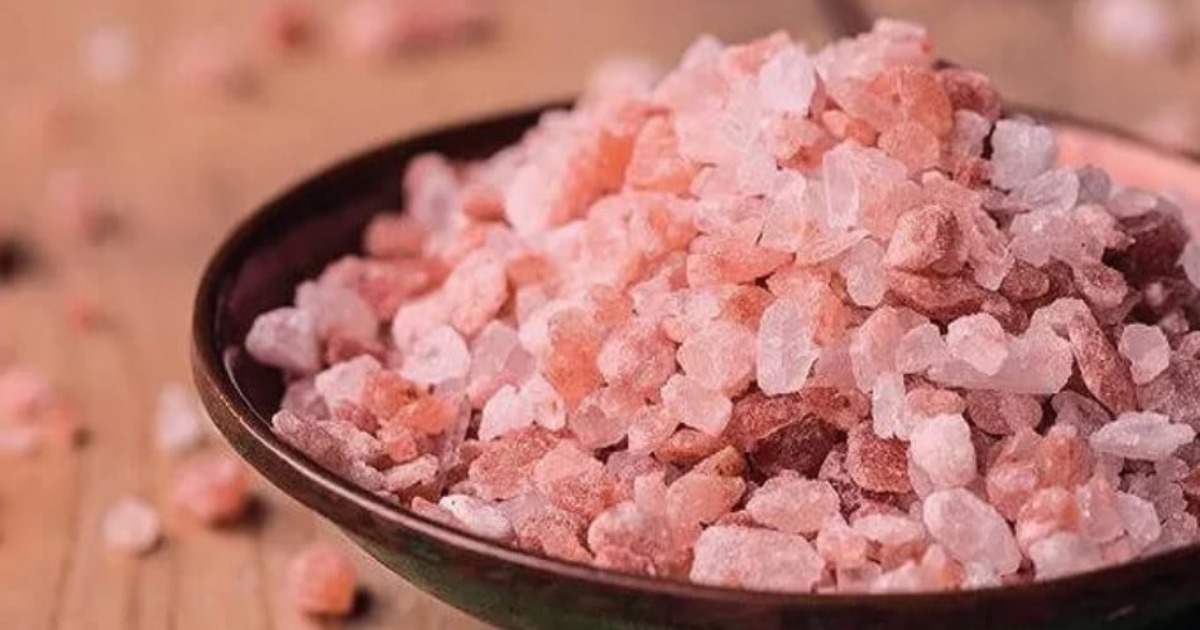
Pakistan is home to the world’s only Himalayan Pink Salt reserves.
Yet most of the value is still captured outside Pakistan.
In this episode of Unlocking Growth, we break down the hidden business opportunity inside Pakistan’s pink salt industry — from edible salt and exports to wellness products, branding, and global e-commerce.
We explore:
• Why Pakistan exports raw pink salt for cents — while branded products sell globally for 10–20x more
• The global Himalayan Pink Salt market and fastest-growing segments
• How India historically captured value through branding and re-exporting
• The impact of the GI Tag, export policy changes, and wellness trends
• The real CAPEX, OPEX, and unit economics of starting a pink salt business
• How entrepreneurs can enter through processing, branding, or exports
This episode is based on real industry numbers, export data, and operational insights.
 
For decades, the "rebranding" of Pakistani pink salt by Indian traders was an open secret in international trade. However, major policy shifts and escalating trade bans between 2019 and 2025 have fundamentally changed how this trade operates.

Here is a breakdown of how the process worked and where things stand today.

1. The Origin: Where "Himalayan" Salt Actually Comes From
Despite being globally marketed as "Himalayan Pink Salt," virtually all of the world's commercial pink salt does not come from the Himalayan mountains. It is mined from the Khewra Salt Range located in the Punjab province of Pakistan.

Because Pakistan historically lacked large-scale, advanced value-added processing and packaging facilities, it exported the salt in its cheap, raw form.

How the Rebranding Loophole Worked

For years, Indian traders bought raw Pakistani pink salt at incredibly low prices (around $60 to $80 per ton). They brought it into India, processed it, packaged it neatly, and exported it to Western and European markets labeled as "Himalayan Pink Salt - Made in India."

Because India had established global supply chains and superior processing infrastructure, Indian exporters reaped massive profit margins on a resource they did not naturally possess.

When India imposed a 200% tariff on Pakistani goods following the 2019 Pulwama attack, direct trade stopped, but the rebranding didn't. Instead, private traders began routing the raw Pakistani salt through third-party hubs like Dubai (UAE) or Sri Lanka. The salt would arrive in the UAE, get documentation changes, ship to India for final processing/packaging, and still hit global markets labeled as an Indian product.

The Current Status: Why the Loophole is Closing

The landscape shifted dramatically due to two major developments:
The 2025 Total Import Ban: Following a major terrorist attack in Pahalgam, India's Directorate General of Foreign Trade (DGFT) enacted a sweeping ban on all direct and indirect imports of Pakistani-origin goods. Unlike previous restrictions, this explicit ban on indirect transit makes it a legal offense for Indian companies to import Pakistani salt even if it is routed through Dubai or Colombo. While some illicit smuggling or highly obscured rerouting by private traders inevitably persists on the black market, official trade data shows that legal pipelines have dropped to near zero.

Pakistan’s Geographical Indication (GI) Protection: To combat this loss of revenue and intellectual property, Pakistan officially registered its salt under its Geographical Indications (GI) Act. Pakistan is aggressively pursuing international legal recognition for the "Khewra Pink Salt" brand (similar to how France protects Champagne or how Pakistan successfully defended Basmati rice). This allows Pakistan to legally challenge international companies that try to market the salt under an incorrect country of origin.

While you may still find older inventory on international shelves labeled as "Indian Himalayan Salt," the loophole has largely been choked off. India's strict ban on indirect Pakistani imports has sent domestic pink salt (Sendha Namak) prices soaring inside India, forcing Indian companies to either look for alternative global sources like Bolivia or Peru, or pivot toward homegrown, non-pink Indian rock salt.
 
Last edited:
For decades, the "rebranding" of Pakistani pink salt by Indian traders was an open secret in international trade. However, major policy shifts and escalating trade bans between 2019 and 2025 have fundamentally changed how this trade operates.

Here is a breakdown of how the process worked and where things stand today.

1. The Origin: Where "Himalayan" Salt Actually Comes From
Despite being globally marketed as "Himalayan Pink Salt," virtually all of the world's commercial pink salt does not come from the Himalayan mountains. It is mined from the Khewra Salt Range located in the Punjab province of Pakistan.

Because Pakistan historically lacked large-scale, advanced value-added processing and packaging facilities, it exported the salt in its cheap, raw form.

How the Rebranding Loophole Worked
For years, Indian traders bought raw Pakistani pink salt at incredibly low prices (around $60 to $80 per ton). They brought it into India, processed it, packaged it neatly, and exported it to Western and European markets labeled as "Himalayan Pink Salt - Made in India."

Because India had established global supply chains and superior processing infrastructure, Indian exporters reaped massive profit margins on a resource they did not naturally possess.

When India imposed a 200% tariff on Pakistani goods following the 2019 Pulwama attack, direct trade stopped, but the rebranding didn't. Instead, private traders began routing the raw Pakistani salt through third-party hubs like Dubai (UAE) or Sri Lanka. The salt would arrive in the UAE, get documentation changes, ship to India for final processing/packaging, and still hit global markets labeled as an Indian product.

The Current Status: Why the Loophole is Closing

The landscape shifted dramatically due to two major developments:
The 2025 Total Import Ban: Following a major terrorist attack in Pahalgam, India's Directorate General of Foreign Trade (DGFT) enacted a sweeping ban on all direct and indirect imports of Pakistani-origin goods. Unlike previous restrictions, this explicit ban on indirect transit makes it a legal offense for Indian companies to import Pakistani salt even if it is routed through Dubai or Colombo. While some illicit smuggling or highly obscured rerouting by private traders inevitably persists on the black market, official trade data shows that legal pipelines have dropped to near zero.

Pakistan’s Geographical Indication (GI) Protection: To combat this loss of revenue and intellectual property, Pakistan officially registered its salt under its Geographical Indications (GI) Act. Pakistan is aggressively pursuing international legal recognition for the "Khewra Pink Salt" brand (similar to how France protects Champagne or how Pakistan successfully defended Basmati rice). This allows Pakistan to legally challenge international companies that try to market the salt under an incorrect country of origin.

While you may still find older inventory on international shelves labeled as "Indian Himalayan Salt," the loophole has largely been choked off. India's strict ban on indirect Pakistani imports has sent domestic pink salt (Sendha Namak) prices soaring inside India, forcing Indian companies to either look for alternative global sources like Bolivia or Peru, or pivot toward homegrown, non-pink Indian rock salt.
So, is India still marketing "Himalayan Pink Salt" when it doesn't have any pink salt? Is it using red salt as a substitute?
 
So, is India still marketing "Himalayan Pink Salt" when it doesn't have any pink salt? Is it using red salt as a substitute?

You can thank our Emirati brothers who buy the Pakistani pink salt and pass it onto India.
 
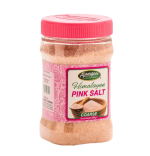
I've just come back from a Pakistani groceries store. I checked the Himalayan Pink Salt section.

I couldn't fully read the label on the larger bottle of where it was packaged but I think it mentioned it was extracted from the Khewra Mines without mentioning where that was located.

The smaller bottle had a UK address belonging to the Alamgeer brand. It mentioned something like Pak National Food Trading Company or something.

From their website, the picture has a Pakistani address.

Screenshot_20260517-163241.eBay.png
 
I've just come back from a Pakistani groceries store. I checked the Himalayan Pink Salt section.

I couldn't fully read the label on the larger bottle of where it was packaged but I think it mentioned it was extracted from the Khewra Mines without mentioning where that was located.

The smaller bottle had a UK address belonging to the Alamgeer brand. It mentioned something like Pak National Food Trading Company or something.

From their website, the picture has a Pakistani address.

View attachment 197602

Over here in The Netherlands the labelling now often displays pink salt from Pakistan.
 
You can thank our Emirati brothers who buy the Pakistani pink salt and pass it onto India.
Nothing wrong with that.

If we're happy to sell it to the Emiratis without imposing any special conditions, it's not their fault. They can do with the product whatever they like.
 

Govt sets up security corridor to protect Balochistan’s mineral projects, deploys Frontier Corps​


New security corridor in Rakhshan division to include FC wings, surveillance systems and highway checkpoints as government seeks to protect mining projects and investor confidence

Prime Minister Shehbaz Sharif on Tuesday directed immediate deployment of the Frontier Corps in Balochistan’s Rakhshan division to establish a dedicated security corridor aimed at protecting mineral projects and maintaining investor confidence in the province.

As per reports, the decision was finalised during a Provincial Apex Committee meeting held under the National Action Plan in Quetta. The meeting was attended by Chief of Army Staff and Chief of Defence Staff Field Marshal Syed Asim Munir and Balochistan Chief Minister Mir Sarfraz Bugti.

According to officials, the proposed security corridor will include additional Frontier Corps wings, highway checkpoints, reinforced border posts and an advanced surveillance system.

Addressing the meeting, the prime minister said Pakistan possessed vast mineral resources and stressed that ensuring security in Balochistan was essential for maintaining the confidence of local and international companies working on mining-related projects.

Shehbaz Sharif also emphasised the importance of integrating modern technology and advanced training into law enforcement efforts to counter terrorism.

During the briefing, officials informed participants that all relevant institutions were actively engaged in counter-terrorism operations across the province.

The meeting was also told that youth welfare initiatives, including skills development programmes, were progressing in different areas of Balochistan.

Officials said no polio case had been reported in the province since November 2024.

The briefing further stated that several healthcare projects, including a cancer institute, dialysis centres and trauma centres, had become operational, while work on additional facilities was continuing.

According to officials, 99% of schools in Balochistan remained open and educational activities were continuing without disruption.

The meeting was also informed that a solar energy initiative had benefited more than 15,000 households and generated savings of around Rs105 billion so far.


The prime minister reiterated the federal government’s commitment to expanding digital skills training, scholarships and vocational opportunities for Balochistan’s youth.

He said special focus was being placed on infrastructure, healthcare, education and communication projects in the province.

The meeting was attended by federal ministers Khawaja Asif, Ahsan Iqbal, Mohsin Naqvi, Attaullah Tarar, Khalid Magsi and Jam Kamal Khan, along with Adviser to the Prime Minister Rana Sanaullah and senior officials.

During his visit to Quetta, Shehbaz Sharif also addressed faculty members and student officers at the Command and Staff College.
 
I've just come back from a Pakistani groceries store. I checked the Himalayan Pink Salt section.

I couldn't fully read the label on the larger bottle of where it was packaged but I think it mentioned it was extracted from the Khewra Mines without mentioning where that was located.

The smaller bottle had a UK address belonging to the Alamgeer brand. It mentioned something like Pak National Food Trading Company or something.

From their website, the picture has a Pakistani address.

View attachment 197602

The term "Himalayan" Pink salt was coined by Indians to circumvent Pakistani control of the real pink salt. The Indians did the same thing with Himalayanrice for Basmati etc.
 

Pakistan, China sign strategic pact to expand rock salt mining and global exports​


Long-term cooperation agreement aims to boost processing, technology transfer and integration of Pakistan’s salt sector into international supply chains
By
Monitoring Desk

China and the nations of the world. A series of images with an Chinese flag

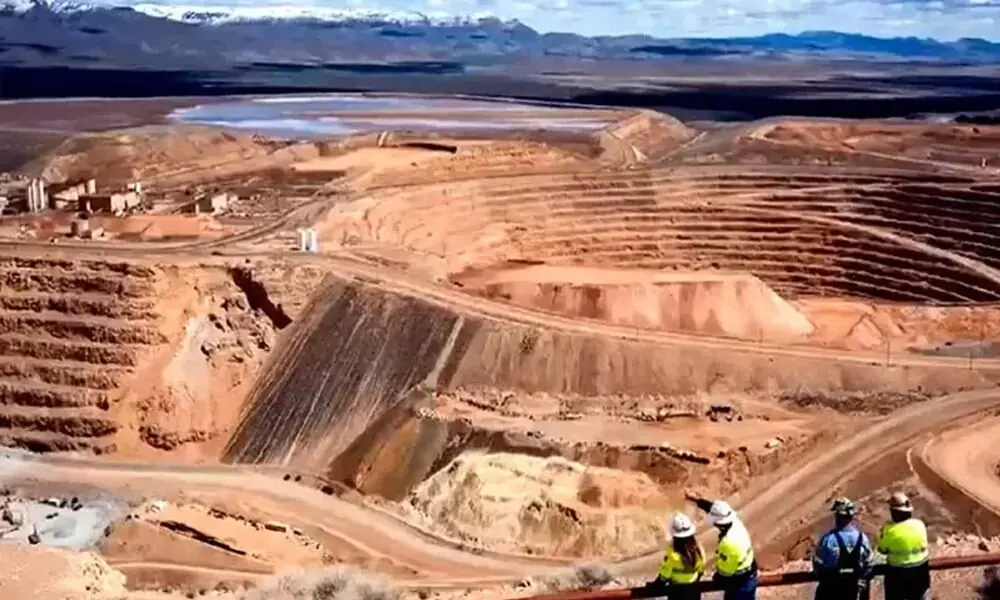
Pakistan’s mineral sector received a boost on Sunday after Pak Salt Corporation signed a long-term strategic cooperation agreement with the China National Salt Industry Group to expand mining, processing and global exports of Pakistan’s rock salt resources.


The agreement was finalised with facilitation from the Special Investment Facilitation Council and support from the Petroleum Division of the Ministry of Energy, according to an official statement.

Under the deal, Pakistan and China will collaborate to integrate Pakistani rock salt into global supply chains, with a focus on technology transfer, modern mining techniques, local processing and value addition to enhance export competitiveness.

Officials said the partnership aims to improve the international market presence of Pakistani salt products through industrial modernisation and advanced processing capabilities.

Pak Salt Corporation described itself as a platform combining Chinese, Pakistani and North American expertise, investment and technology in the mineral sector.


Chairman of the China National Salt Industry Group Shen Xiaojun said the agreement reflected the longstanding friendship between Pakistan and China and highlighted strong potential for cooperation in the salt industry.

He said the deal would open new avenues for mutual growth and industrial collaboration.

Chairman of Pakistan Salt Company Ahmad Nadeem Khan said the partnership would help develop Pakistan’s salt resources using advanced Chinese technology and elevate their output to international standards.

Chief Executive Officer of Miracle Salt Development Corporation Muhammad Mubarak Khan said the agreement marked a significant milestone by bringing North American and Chinese stakeholders together under the Pak Salt Corporation framework.

He added that the initiative was made possible through support from the SIFC, which he said had strengthened investor confidence and contributed to modernising Pakistan’s industrial and mineral sector framework.

The agreement is expected to enhance Pakistan’s position in global salt markets by improving extraction methods, processing capacity and export-oriented value chains.
 

Pakistan, China sign strategic pact to expand rock salt mining and global exports​


Long-term cooperation agreement aims to boost processing, technology transfer and integration of Pakistan’s salt sector into international supply chains
By
Monitoring Desk

China and the nations of the world. A series of images with an Chinese flag

Pakistan’s mineral sector received a boost on Sunday after Pak Salt Corporation signed a long-term strategic cooperation agreement with the China National Salt Industry Group to expand mining, processing and global exports of Pakistan’s rock salt resources.


The agreement was finalised with facilitation from the Special Investment Facilitation Council and support from the Petroleum Division of the Ministry of Energy, according to an official statement.

Under the deal, Pakistan and China will collaborate to integrate Pakistani rock salt into global supply chains, with a focus on technology transfer, modern mining techniques, local processing and value addition to enhance export competitiveness.

Officials said the partnership aims to improve the international market presence of Pakistani salt products through industrial modernisation and advanced processing capabilities.

Pak Salt Corporation described itself as a platform combining Chinese, Pakistani and North American expertise, investment and technology in the mineral sector.


Chairman of the China National Salt Industry Group Shen Xiaojun said the agreement reflected the longstanding friendship between Pakistan and China and highlighted strong potential for cooperation in the salt industry.

He said the deal would open new avenues for mutual growth and industrial collaboration.

Chairman of Pakistan Salt Company Ahmad Nadeem Khan said the partnership would help develop Pakistan’s salt resources using advanced Chinese technology and elevate their output to international standards.

Chief Executive Officer of Miracle Salt Development Corporation Muhammad Mubarak Khan said the agreement marked a significant milestone by bringing North American and Chinese stakeholders together under the Pak Salt Corporation framework.

He added that the initiative was made possible through support from the SIFC, which he said had strengthened investor confidence and contributed to modernising Pakistan’s industrial and mineral sector framework.

The agreement is expected to enhance Pakistan’s position in global salt markets by improving extraction methods, processing capacity and export-oriented value chains.

This should end raw export of Pakistan salt for good.
 

Users who are viewing this thread

Pakistan Defence Latest

Latest Posts

Back
Top