This defence Pact and Pakistani military deployment in Saudi Arabia is being exaggerated by Pakistani analysts and westerners.
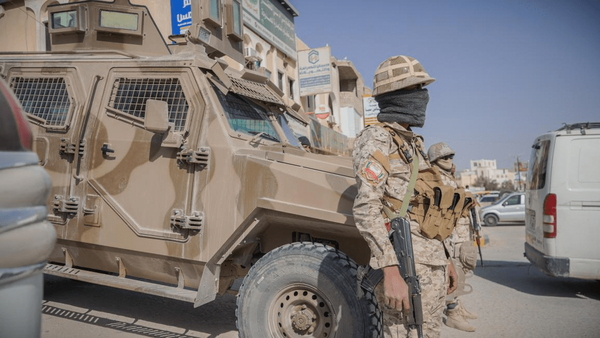
Pakistan had already deployed 5/6 times more troops for 10 years in Saudi 1979 to 1989 under the same security agreement.
What is unusual now?
True, the issue now is, considering the demonstrated capabilities and professionalism of the Pakistan military in military and diplomatic affairs, now is the time to figure out what kind of force it wants to host. What kind of force it wants to build up and equip, as well as what other means of power should be built. It’s no longer just military, but also infrastructure/economic/industrial.
For example the Saudis could help Pakistan procure a mix of AH-1Z (with APKWS II) and Z-10ME, as well as transport helicopters (to fast resupply these attack helicopters in the field) to put up a defense, in Saudi Arabia, against Kamikaze drones or loitering munitions targeting vital infrastructure and/or personnel.
They could funding the build of their own missile cities as well as missile cities in Pakistan’s Baluchistan, and equip them with Pakistan’s Fatah series of missiles, to cover Iran from the West, South and East.
All of this is easily possible for the Saudis if they are willing to put in the funding.
Having a Pakistan Military contingent there, not adequately modernized to fight the kind of war we just saw, would be a disservice to them and us as well. Large numbers of tanks and tube artillery, as well as even 4.5th gen jets may no longer be adequate for the mission. The force the Pakistani troops had to potentially content with in the 90s till the mid 2010s was one of masses of ground troops from threats like Iraq. Even the Yemenis have demonstrated missiles that can strike Saudi oil and gas infrastructure, with cruise missiles.
Pakistani troops equipped with AH-1Z and APKWS II, could fire volleys of GUIDED rockets, up to 72 against mass swarms of enemy cruise missiles. Z-10ME could accompany the AH-1Z to fly ahead and help better detect pop-up or camouflaged threats, while employing longer range weapons.
What is unusual now is the threat has evolved beyond what previous generation of weapons and doctrines could handle.

atlaspress.news

www.middleeasteye.net


