peacemaker99
SpeedLimited

I don't agree with most of it.
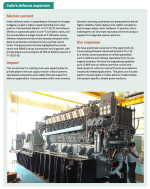
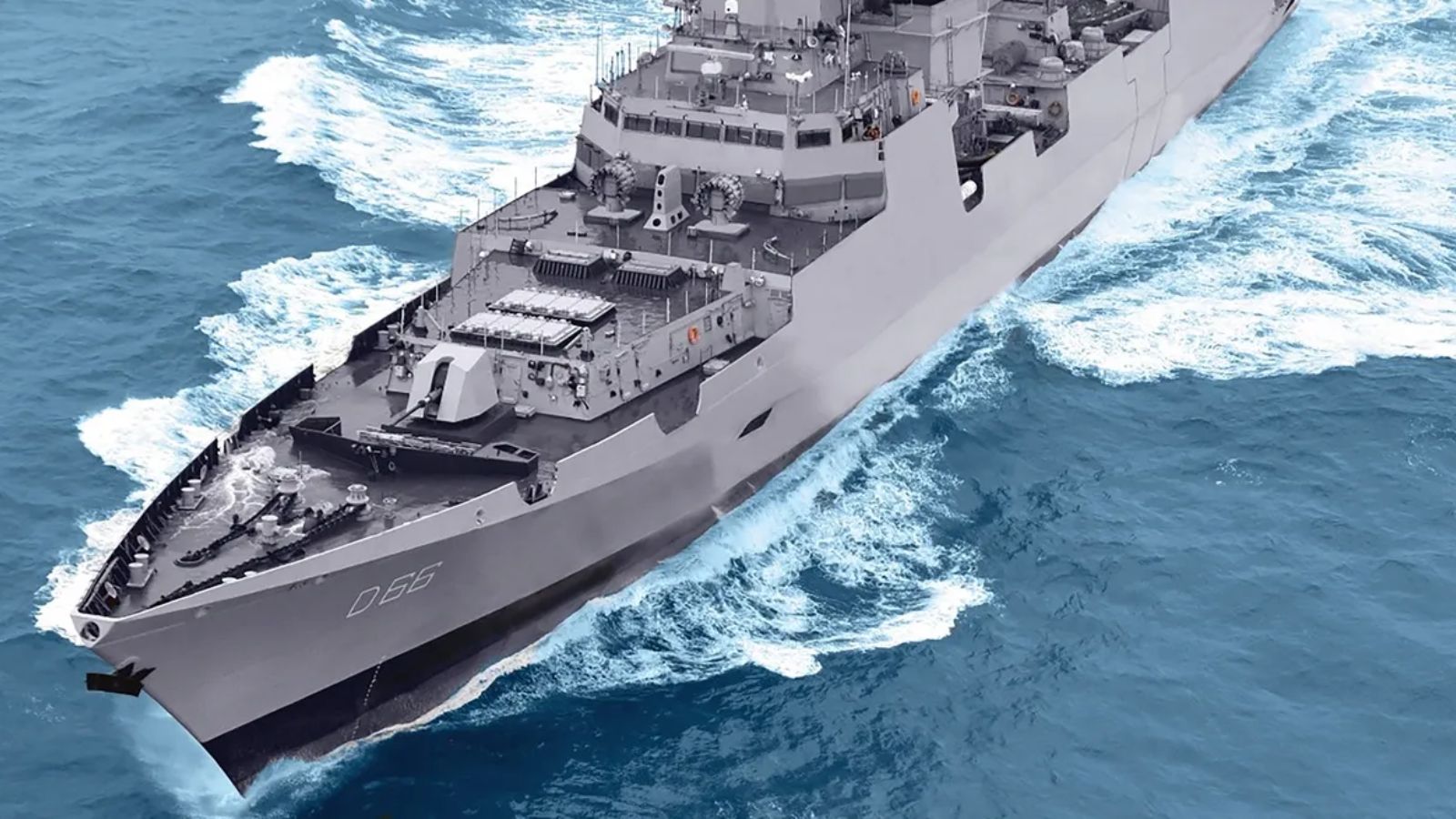
The propulsion part is probably the only section that's mostly correct. But the rest has quite a few factual mistakes. Take the Kolkata class DDGs, for example. India is finally replacing the old Wärtsilä WCM-1000 generator sets with indigenous 1.25 MW gas turbine generator sets from Bharat Forge.
Navy to get 12 sets of indigenous 1.25 MW gas turbine generators for Kolkata-class ships
Rs 425-crore contract signed with Bharat Forge Ltd, to be executed over a period of five years.indianexpress.com
MAN makes some of the best marine diesel engines in the business. There's a reason they're used across the world. Even the Chinese Navy relies on MAN engines built under licence for platforms like the Type 054A frigates and several of its conventional SSKs.
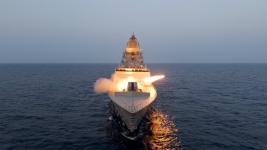
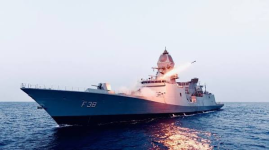
And when it comes to combat dynamics, the video's analysis is completely off the mark. People often focus only on the maximum Mach number, but that's not what defines Barak-8. Its design philosophy is about how much energy the missile still has at the interception point not how fast it flies throughout its entire flight.
People often think an interceptor simply flies at the target but that's not how it works. It flies to where the target is expected to be a few seconds later. That's why Barak-8 uses a dual-pulse solid rocket motor. The first pulse gets the missile close to the target and the 2nd pulse kicks in near the end to give it another burst of energy for the final intercept. The commonly quoted Mach 3 figure refers to the missile's cruise flight not what it is doing during the final seconds of an engagement.
The clever part is that Barak-8 does all this without using a ramjet. A dual-pulse rocket motor keeps the missile smaller, creates less drag, reacts faster after launch and lets a ship carry more missiles in the same VLS space.
Another thing that hardly gets discussed is the Minimum Intercept Range. This is one of Barak-8's biggest strengths. Its very short MIR comes from its low weight, high agility, canard and fin control surfaces, active radar seeker and the fact that it doesn't need continuous radar illumination from the ship. Because of this, it can engage threats at very short distances, covering an area that is normally left to close-in weapon systems.
The radar is just as important. MF-STAR uses fixed AESA panels, so there is no delay caused by a rotating antenna. It can track over air targets, has excellent high angle coverage, filters out heavy sea clutter and supports cooperative engagement. Barak-8 flies towards the target using INS and 2 way datalink updates before switching to its own active radar seeker in the final stage making mid-course retargeting possible.
Its just AI slop. He has shared a nonsense video