
Navigation
Install the app
How to install the app on iOS
Follow along with the video below to see how to install our site as a web app on your home screen.
Note: This feature may not be available in some browsers.
More options
Style variation
You are using an out of date browser. It may not display this or other websites correctly.
You should upgrade or use an alternative browser.
You should upgrade or use an alternative browser.
Arabic Coffee shop
- Thread starter The SC
- Start date
More options
Who Replied?
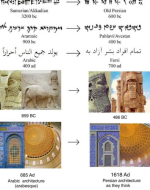
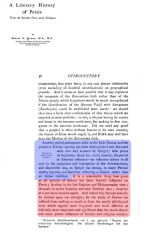
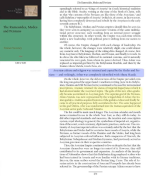
_Arabia_
Trusted Member
Continued:
Of course learned people like myself (not self-praise - just a fact) have been repeating this always and none of those historical facts can be argued against. Which is why it is always hilarious to see an Iranian (regardless of ethnic origin) claim to be "superior" or other such nonsense when they are not even in the same league and when it is evidently clear for everyone who studies history (pre-Islamic and Islamic) that Arabs and Semitic people influenced Iran and Iranians on an untold magnitude greater than the other way around. On every imaginable level. Influences that are living and continue to this very day in almost every field as well.
@The SC
Of course learned people like myself (not self-praise - just a fact) have been repeating this always and none of those historical facts can be argued against. Which is why it is always hilarious to see an Iranian (regardless of ethnic origin) claim to be "superior" or other such nonsense when they are not even in the same league and when it is evidently clear for everyone who studies history (pre-Islamic and Islamic) that Arabs and Semitic people influenced Iran and Iranians on an untold magnitude greater than the other way around. On every imaginable level. Influences that are living and continue to this very day in almost every field as well.
@The SC
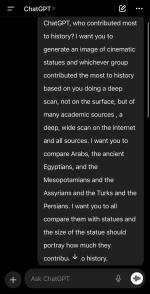
_Arabia_
Trusted Member
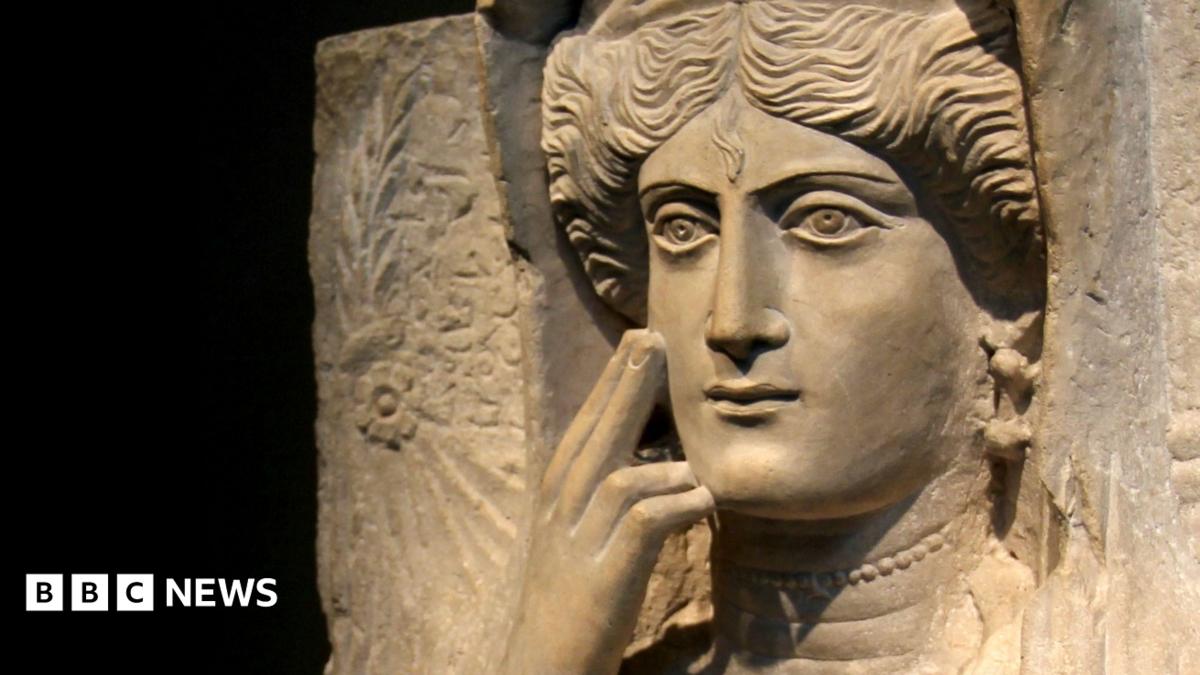
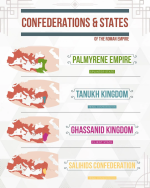
Palmyra: Ruins that inspired the architecture of power
A new exhibit aims to connect US audiences with antiquities under fire in Syria's civil war.
 www.bbc.com
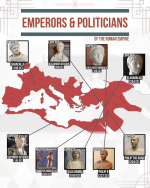
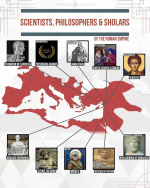
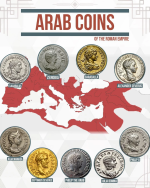
_Arabia_
Trusted Member
Continued:
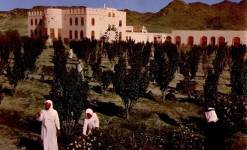
Christianity is an Arab/Jewish/Semitic religion - nothing to do with the West/Europe that now claims it. Hence why most of its earliest Popes, scholars, Biblical figures etc. were Arab or Jewish. Same with the oldest Christian communities and churches etc.
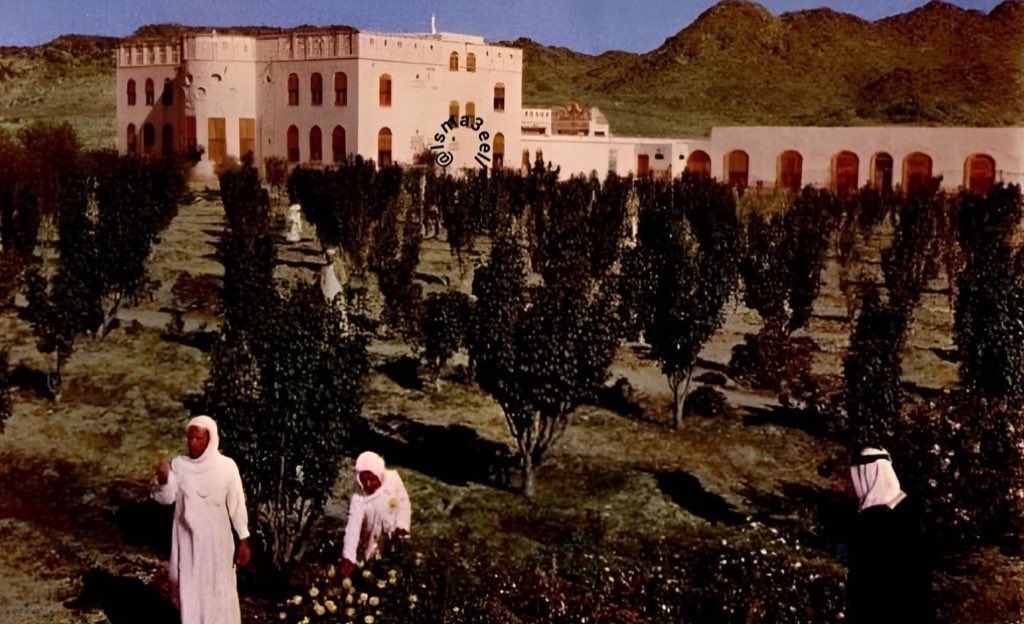
For instance the House of Saud (who have been ruling areas of Najd since 300 + years ago and who unified KSA) are a part of the ancient Banu Hanifa tribe who was mostly Christian before Islam.

 en.wikipedia.org
A reminder that most of the most famous Jewish rulers were actually Arabs - Herod the Great a good example of this.
Or the fact that 2/3 of all his fellow Israeli Jews are Arab Jews and 20-25% of all Israelis Arab Israelis (Palestinian Arabs - Negev Bedouins included).
Not so tiny (actually the first Muslim community in the UK were Arab Yemenis) actually and among the wealthiest communities in the UK with Arabs in the UK owning some of the most desired and wealthy real estate in London and elsewhere.
355.000 and among them some very highly succesfull people in all walks of life.
 en.wikipedia.org
Christianity is an Arab/Jewish/Semitic religion - nothing to do with the West/Europe that now claims it. Hence why most of its earliest Popes, scholars, Biblical figures etc. were Arab or Jewish. Same with the oldest Christian communities and churches etc.
For instance the House of Saud (who have been ruling areas of Najd since 300 + years ago and who unified KSA) are a part of the ancient Banu Hanifa tribe who was mostly Christian before Islam.
Banu Hanifa - Wikipedia
A reminder that most of the most famous Jewish rulers were actually Arabs - Herod the Great a good example of this.
Or the fact that 2/3 of all his fellow Israeli Jews are Arab Jews and 20-25% of all Israelis Arab Israelis (Palestinian Arabs - Negev Bedouins included).
Not so tiny (actually the first Muslim community in the UK were Arab Yemenis) actually and among the wealthiest communities in the UK with Arabs in the UK owning some of the most desired and wealthy real estate in London and elsewhere.
355.000 and among them some very highly succesfull people in all walks of life.
British Arabs - Wikipedia
Last edited:
_Arabia_
Trusted Member
I had zero idea that KSA had many upcoming MMA and professional boxers ("taboo sports" in some ways - which is strange as Arabs and Arabia had a millennia old tradition of martial arts and the oldest recorded examples of martial art in the world were/are recorded in the Arab world) during the Sahwa era - let alone as a way of living, that are emerging.
However I don't like that some of our women are involved in such sports. Unbefitting.
However since KSA has started to host many of the largest MMA and boxing events in the world even, we might do with a much larger and more succesfull local boxing and MMA infrastructure.
I suggest importing retired Dagestani and Chechen etc. fighters (who are not physically bigger than Saudi Arabians on average - in fact like many other people living in mountains they tend to be of a smaller stature) whom we have great and close historical relations with (DNA wise as well btw), and even local communities within KSA (now nationalized). Religious and cultural connection as well. They could help build such an infrastructure.
Most difficult thing would be to convince a local Saudi Arabian (not from some marginalized economically family or the usual 1 or 2 "unusual" people out there) to make this their living.
Much easier for Dagestanis, who are living in one of the poorest regions of Russia, with very little economic perspective, to pick that career as a way out of poverty etc. Not to mention the marginalization that many Caucasus Muslims face in Russia.
Unless the goal is simply to host such global boxing and MMA events as a way (among others) to attract tourists and visitors (so far very succesfull) and put KSA on the map in those sports.
I would personally not be against some mandatory martial arts training in public and private schools across the country. Not everyone would like it but at least they would have some kind of idea and exposure to it.
If not just to improve the general health - which was been improving massively in KSA in recent years with obesity rates falling sharply (continuing to do so) and more and more people participating in sports and physical activity and more sporting infrastructure (world class) appearing everywhere. No more excuses either as people now have the opportunity (no laws that prevent this - even for women) and infrastructure and knowledge (exercise = a healthy and good thing).
However I don't like that some of our women are involved in such sports. Unbefitting.
However since KSA has started to host many of the largest MMA and boxing events in the world even, we might do with a much larger and more succesfull local boxing and MMA infrastructure.
I suggest importing retired Dagestani and Chechen etc. fighters (who are not physically bigger than Saudi Arabians on average - in fact like many other people living in mountains they tend to be of a smaller stature) whom we have great and close historical relations with (DNA wise as well btw), and even local communities within KSA (now nationalized). Religious and cultural connection as well. They could help build such an infrastructure.
Most difficult thing would be to convince a local Saudi Arabian (not from some marginalized economically family or the usual 1 or 2 "unusual" people out there) to make this their living.
Much easier for Dagestanis, who are living in one of the poorest regions of Russia, with very little economic perspective, to pick that career as a way out of poverty etc. Not to mention the marginalization that many Caucasus Muslims face in Russia.
Unless the goal is simply to host such global boxing and MMA events as a way (among others) to attract tourists and visitors (so far very succesfull) and put KSA on the map in those sports.
I would personally not be against some mandatory martial arts training in public and private schools across the country. Not everyone would like it but at least they would have some kind of idea and exposure to it.
If not just to improve the general health - which was been improving massively in KSA in recent years with obesity rates falling sharply (continuing to do so) and more and more people participating in sports and physical activity and more sporting infrastructure (world class) appearing everywhere. No more excuses either as people now have the opportunity (no laws that prevent this - even for women) and infrastructure and knowledge (exercise = a healthy and good thing).
ChineseTiger1986
Trusted Member


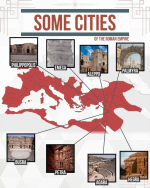
That's why one more reason to dislike the west is that they keep hijacking the Roman legacy, yet ignore the fact that the historical Roman Empire did view the Arabs with more affinity than they did with the Germanic people.
That's why the Hollywood version of the Roman Empire was historically inconsistent.
Whether it is the current DEI/woke one or the classic one with white/nordic supremacy anticipated by the MAGA crowd; they are all inaccurate.
Last edited:

_Arabia_
Trusted Member
Excellent two videos:
Forgotten Wars - The Roman Invasion of Arabia (26 BC) DOCUMENTARY
https://www.youtube.com/watch?v=Yz5ocjR-GXo

Desert
Registered Member

Excuse me , but isn't Egypt arabized ( as many saudis say) , what has the Egyptian army and Qotoz who defeated the mongols to do with arab gulf?
anyway, it's a nice thread , filled with good info but some of them are not accurate like Salah el din origin , of course he was of kurdish origin and went to Egypt in his late 20s.
anyway , he didn't mention his origin as he cared more about his identity as a MUSLIM.
_Arabia_
Trusted Member
Why the stupid questions?Excuse me , but isn't Egypt arabized ( as many saudis say) , what has the Egyptian army and Qotoz who defeated the mongols to do with arab gulf?
anyway, it's a nice thread , filled with good info but some of them are not accurate like Salah el din origin , of course he was of kurdish origin and went to Egypt in his late 20s.
anyway , he didn't mention his origin as he cared more about his identity as a MUSLIM.
It is incredible how ignorant many Arabs (people in general) are despite knowledge today being more readily available to everyone than ever before.
Who are Saudi Arabians? There are 35 million Saudi Arabians - each with their own personal opinions. Whatever you write here or elsewhere is not the opinion of all Egyptians either.
As for Arabization - I suggest you read up about what that even means. Pre-Islam most of Arabia did not speak only Arabic (far from it).
I also suggest you take a look at how closely related (DNA wise - DNA predates religion and any ethnicity by millennia of years) Saudi Arabians and Egyptians are. Also try to take a look at a world map and realize that KSA and Egypt sit next to each other.
Also every single Egyptian (maybe outside of Black Nubians and 1-2 isolated Berber villages in the Western Desert) has Arab ancestry (to a large, medium or smaller degree) which every DNA test confirms. Let alone Sinai and much of Eastern Egypt having "pure" Arabs in the millions.
In fact Semitic (predecessors of Arabs) dynasties from South Levant/North Arabia ruled Egypt already 4500 + years ago.
Pharaonic DNA has been studied and they claim that they were very close to Semitic-speaking peoples of West Asia (Arabia, Levant and Mesopotamia - all 3 regions homelands of Arabs). Today for instance (compared to back then) modern-day Egyptians have more Black DNA among them.
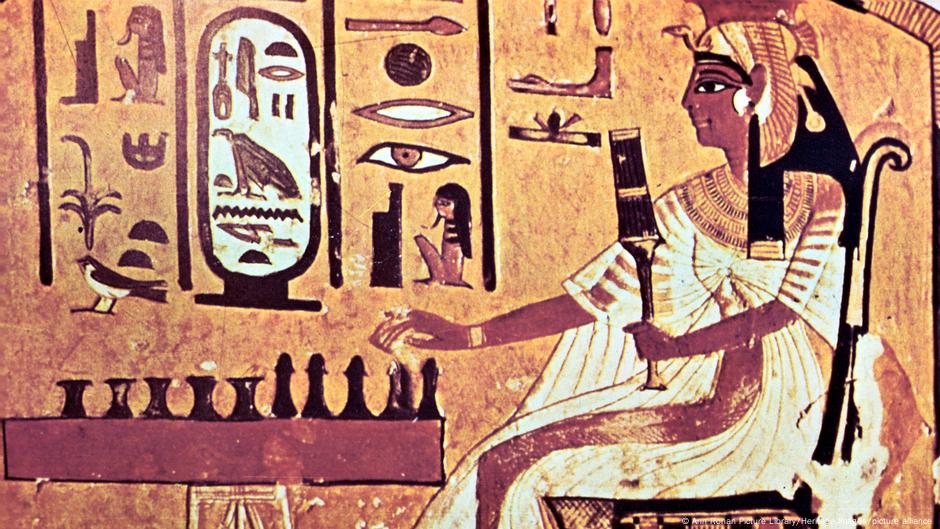
DNA shows ancient Egyptians had surprising foreign roots
Scientists have sequenced the oldest known DNA from ancient Egypt. It belonged to a potter who lived 4,500 years ago. This rare genetic snapshot offers new insights into the diverse ancestry of early Egyptians.
 www.dw.com
Ancient Egyptian mummy genomes suggest an increase of Sub-Saharan African ancestry in post-Roman periods - PMC
Egypt, located on the isthmus of Africa, is an ideal region to study historical population dynamics due to its geographic location and documented interactions with ancient civilizations in Africa, Asia and Europe. Particularly, in the first ...
 pmc.ncbi.nlm.nih.gov
No, it is not clear about Salad ad-Din's ethnic origin at all. He was most likely an Arab as most contemporary sources claimed and he never said that he was Kurdish. In fact his family claimed Arab ancestry proudly. He was at most a Kurdified Arab. Even his tribe was originally Arab but Kurdified because they had lived among Kurds for centuries and ruled that area.
This Arab dynasty (later Kurdified somewhat) which ruled modern-day Northern Iran, Azerbaijan etc. was Arab originally and Salah ad-Din belonged to it.

Rawwadid dynasty - Wikipedia
Besides of that during that time Kurd (an Arabic word originally) mean nomad and they had various of origins - people who were called that.
Lastly, his descendants are all Arabs today and mostly live in KSA and Syria.

Al-Ayoubi family - Wikipedia
We have had ministers from this family and they are a quite known family in KSA.
@The SC posted that in this thread (Arabic coffee shop thread) because Egypt is an Arab country and Arab soldiers from the entire region were involved. As well as Turkic soldiers. Muslims in other words.
Lastly KSA is not a Khaleeji country (still incredible that most Arabs outside the region do not understand this simple thing). We are a continent of our own. Only a tiny minority in the Eastern Province even speak a Khaleeji Arabic but many more speak it in Iran (among Iranian Arabs) and South Iraq next door.
80% of all Arabs in Arabia (Arabian Peninsula) do not speak Khaleeji Arabic dialects. More people speak it in Iraq and it heavily influenced Iraqi (Mesopotamian Arabic - Baghdadi - standard Iraqi Arabic) as well.
Due to the size of KSA all of our historical regions differ in most ways, even dialects, and depending on the region locals are closer to Egypt, Levant, Iraq, Eastern Arabia (Gulf), Yemen etc. I thought that an educated (you speak and write English at least) would know such simple things.
No wonder that our region is a mess. Ignorance is one of the many things to blame for this along with stupid rivalries and focusing on the little that sets us apart rather than the 100's of things that unite us.
BTW the Fatimids (an Arab Hejazi dynasty) were the dynasty (Shia Ismailis) who first treated Egypt as a separate entity rather than just a province of a larger empire since the time of local rule (millennia earlier). But we are looking at history from the concept of modern day nation states which is ignorant.
Otherwise Saudi Arabians alone can claim all of the first 1000's years of Islamic history (Rashidun, Umayyad, Abbasid, Fatimid, Al-Andalus and all the other Arab Muslim dynasties in Africa, Asia, Europe etc., most of the Arab scholars and scientists) but obviously the reality is a bit more complex. Which is why famous Arab historical figures, even if of Hejazi etc. origin from modern-day KSA but born elsewhere in for example next door modern-day Iraq or Syria, can be claimed by every Arab by virtue of being part of the Arab heritage and family. Just like we can claim previous pre-Islamic civilizations native to the Arab world (Semitic and other Afro-Asiatic speaking peoples - ancient Egyptians included) which is also confirmed by modern-day Arab DNA which all link us together. Remember, DNA predates the concept of known civilizations by many millennia.
There is a reason why the entire Arab world was Arabized, Arabia included, this relatively easily - because Arabic was a long line of Semitic languages that was easy and familiar to adopt for locals (previously languages like the Semitic Aramaic was the lingua franca of the region for the very same reasons). But anyway historians, linguists etc. have already written books about this topic so I am not writing something groundbreaking here.
Last edited:
Anatolia
Registered Member

Saladin was a Turk.Why the stupid questions?
It is incredible how ignorant many Arabs are despite knowledge today being more reliable available to everyone than ever before.
Who are Saudi Arabians? There are 35 million Saudi Arabians - each with their own personal opinions. Whatever you write here or elsewhere is not the opinion of all Egyptians either.
As for Arabization - I suggest you read up about what that even means. Pre-Islam most of Arabia did not speak only Arabic (far from it).
I also suggest you take a look at how closely related (DNA wise - DNA predates religion and any ethnicity by millennia of years) Saudi Arabians and Egyptians are. Also try to take a look at a world map and realize that KSA and Egypt sit next to each other.
Also every single Egyptian (maybe outside of Black Nubians and 1-2 isolated Berber villages in the Western Desert) has Arab ancestry (to a large, medium or smaller degree) which every DNA test confirms. Let alone Sinai and much of Eastern Egypt having "pure" Arabs in the millions.
In fact Semitic (predecessors of Arabs) dynasties from South Levant/North Arabia ruled Egypt already 4500 + years ago.
Pharaonic DNA has been studied and they claim that they were very close to Semitic-speaking peoples of West Asia (Arabia, Levant and Mesopotamia - all 3 regions homelands of Arabs). Today for instance (compared to back then) modern-day Egyptians have more Black DNA among them.
DNA shows ancient Egyptians had surprising foreign roots
Scientists have sequenced the oldest known DNA from ancient Egypt. It belonged to a potter who lived 4,500 years ago. This rare genetic snapshot offers new insights into the diverse ancestry of early Egyptians.
Ancient Egyptian mummy genomes suggest an increase of Sub-Saharan African ancestry in post-Roman periods - PMC
Egypt, located on the isthmus of Africa, is an ideal region to study historical population dynamics due to its geographic location and documented interactions with ancient civilizations in Africa, Asia and Europe. Particularly, in the first ...
No, it is not clear about Salad ad-Din's ethnic origin at all. He was most likely an Arab as most contemporary sources claimed and he never said that he was Kurdish. In fact his family claimed Arab ancestry proudly. He was at most a Kurdified Arab. Even his tribe was originally Arab but Kurdified because they had lived among Kurds for centuries and ruled that area.
This Arab dynasty (later Kurdified somewhat) which ruled modern-day Northern Iran, Azerbaijan etc. was Arab originally and Salah ad-Din belonged to it.
Rawwadid dynasty - Wikipedia
Besides of that during that time Kurd (an Arabic word originally) mean nomad and they had various of origins - people who were called that.
Lastly, his descendants are all Arabs today and mostly live in KSA and Syria.
Al-Ayoubi family - Wikipedia
We have had ministers from this family and they are a quite known family in KSA.
@The SC posted that in this thread (Arabic coffee shop thread) because Egypt is an Arab country and Arab soldiers from the entire region were involved. As well as Turkic soldiers. Muslims in other words.
Lastly KSA is not a Khaleeji country (still incredible that most Arabs outside the region do not understand this simple thing). We are a continent of our own. Only a tiny minority in the Eastern Province even speak a Khaleeji Arabic but many more speak it in Iran (among Iranian Arabs) and South Iraq next door.
80% of all Arabs in Arabia (Arabian Peninsula) do not speak Khaleeji Arabic dialects. More people speak it in Iraq and it heavily influenced Iraqi (Mesopotamian Arabic - Baghdadi - standard Iraqi Arabic) as well.
Due to the size of KSA all of our historical regions differ in most ways, even dialects, and depending on the region locals are closer to Egypt, Levant, Iraq, Eastern Arabia (Gulf), Yemen etc. I thought that an educated (you speak and write English at least) would know such simple things.
No wonder that our region is a mess. Ignorance is one of the many things to blame for this along with stupid rivalries and focusing on the little that sets us apart rather than the 100's of things that unite us.
BTW the Fatimids (an Arab Hejazi dynasty) were the dynasty (Shia Ismailis) who first treated Egypt as a separate entity rather than just a province of a larger empire since the time of local rule (millennia earlier). But we are looking at history from the concept of modern day nation states which is ignorant.
Otherwise Saudi Arabians alone can claim all of the first 1000's years of Islamic history (Rashidun, Umayyad, Abbasid, Fatimid, Al-Andalus and all the other Arab Muslim dynasties in Africa, Asia, Europe etc., most of the Arab scholars and scientists) but obviously the reality is a bit more complex. Which is why famous Arab historical figures, even if of Hejazi etc. origin from modern-day KSA but born elsewhere in for example next door modern-day Iraq or Syria, can be claimed by every Arab by virtue of being part of the Arab heritage and family. Just like we can claim previous pre-Islamic civilizations native to the Arab world (Semitic and other Afro-Asiatic speaking peoples - ancient Egyptians included) which is also confirmed by modern-day Arab DNA which all link us together. Remember, DNA predates the concept of known civilizations by many millennia.
There is a reason why the entire Arab world was Arabized, Arabia included, this relatively easily - because Arabic was a long line of Semitic languages that was easy and familiar to adopt for locals (previously languages like the Semitic Aramaic was the lingua franca of the region for the very same reasons). But anyway historians, linguists etc. have already written books about this topic so I am not writing something groundbreaking here.
The clue is in his brothers name. And his children names. All Turkic.
He was called a Turk by everyone . up until the Kurds and Arabs wanted to claim him as their own around 1800s(with help by jealous Westerners too).
Desert
Registered Member
too much talking and writing , Egypt is originally arabian now? u r a moron and i'm sorry to say that , stupid. if you gonna keep spread BS lies about Egypt again am gonna report you.Why the stupid questions?
It is incredible how ignorant many Arabs (people in general) are despite knowledge today being more readily available to everyone than ever before.
Who are Saudi Arabians? There are 35 million Saudi Arabians - each with their own personal opinions. Whatever you write here or elsewhere is not the opinion of all Egyptians either.
As for Arabization - I suggest you read up about what that even means. Pre-Islam most of Arabia did not speak only Arabic (far from it).
I also suggest you take a look at how closely related (DNA wise - DNA predates religion and any ethnicity by millennia of years) Saudi Arabians and Egyptians are. Also try to take a look at a world map and realize that KSA and Egypt sit next to each other.
Also every single Egyptian (maybe outside of Black Nubians and 1-2 isolated Berber villages in the Western Desert) has Arab ancestry (to a large, medium or smaller degree) which every DNA test confirms. Let alone Sinai and much of Eastern Egypt having "pure" Arabs in the millions.
In fact Semitic (predecessors of Arabs) dynasties from South Levant/North Arabia ruled Egypt already 4500 + years ago.
Pharaonic DNA has been studied and they claim that they were very close to Semitic-speaking peoples of West Asia (Arabia, Levant and Mesopotamia - all 3 regions homelands of Arabs). Today for instance (compared to back then) modern-day Egyptians have more Black DNA among them.
DNA shows ancient Egyptians had surprising foreign roots
Scientists have sequenced the oldest known DNA from ancient Egypt. It belonged to a potter who lived 4,500 years ago. This rare genetic snapshot offers new insights into the diverse ancestry of early Egyptians.
Ancient Egyptian mummy genomes suggest an increase of Sub-Saharan African ancestry in post-Roman periods - PMC
Egypt, located on the isthmus of Africa, is an ideal region to study historical population dynamics due to its geographic location and documented interactions with ancient civilizations in Africa, Asia and Europe. Particularly, in the first ...
No, it is not clear about Salad ad-Din's ethnic origin at all. He was most likely an Arab as most contemporary sources claimed and he never said that he was Kurdish. In fact his family claimed Arab ancestry proudly. He was at most a Kurdified Arab. Even his tribe was originally Arab but Kurdified because they had lived among Kurds for centuries and ruled that area.
This Arab dynasty (later Kurdified somewhat) which ruled modern-day Northern Iran, Azerbaijan etc. was Arab originally and Salah ad-Din belonged to it.
Rawwadid dynasty - Wikipedia
Besides of that during that time Kurd (an Arabic word originally) mean nomad and they had various of origins - people who were called that.
Lastly, his descendants are all Arabs today and mostly live in KSA and Syria.
Al-Ayoubi family - Wikipedia
We have had ministers from this family and they are a quite known family in KSA.
@The SC posted that in this thread (Arabic coffee shop thread) because Egypt is an Arab country and Arab soldiers from the entire region were involved. As well as Turkic soldiers. Muslims in other words.
Lastly KSA is not a Khaleeji country (still incredible that most Arabs outside the region do not understand this simple thing). We are a continent of our own. Only a tiny minority in the Eastern Province even speak a Khaleeji Arabic but many more speak it in Iran (among Iranian Arabs) and South Iraq next door.
80% of all Arabs in Arabia (Arabian Peninsula) do not speak Khaleeji Arabic dialects. More people speak it in Iraq and it heavily influenced Iraqi (Mesopotamian Arabic - Baghdadi - standard Iraqi Arabic) as well.
Due to the size of KSA all of our historical regions differ in most ways, even dialects, and depending on the region locals are closer to Egypt, Levant, Iraq, Eastern Arabia (Gulf), Yemen etc. I thought that an educated (you speak and write English at least) would know such simple things.
No wonder that our region is a mess. Ignorance is one of the many things to blame for this along with stupid rivalries and focusing on the little that sets us apart rather than the 100's of things that unite us.
BTW the Fatimids (an Arab Hejazi dynasty) were the dynasty (Shia Ismailis) who first treated Egypt as a separate entity rather than just a province of a larger empire since the time of local rule (millennia earlier). But we are looking at history from the concept of modern day nation states which is ignorant.
Otherwise Saudi Arabians alone can claim all of the first 1000's years of Islamic history (Rashidun, Umayyad, Abbasid, Fatimid, Al-Andalus and all the other Arab Muslim dynasties in Africa, Asia, Europe etc., most of the Arab scholars and scientists) but obviously the reality is a bit more complex. Which is why famous Arab historical figures, even if of Hejazi etc. origin from modern-day KSA but born elsewhere in for example next door modern-day Iraq or Syria, can be claimed by every Arab by virtue of being part of the Arab heritage and family. Just like we can claim previous pre-Islamic civilizations native to the Arab world (Semitic and other Afro-Asiatic speaking peoples - ancient Egyptians included) which is also confirmed by modern-day Arab DNA which all link us together. Remember, DNA predates the concept of known civilizations by many millennia.
There is a reason why the entire Arab world was Arabized, Arabia included, this relatively easily - because Arabic was a long line of Semitic languages that was easy and familiar to adopt for locals (previously languages like the Semitic Aramaic was the lingua franca of the region for the very same reasons). But anyway historians, linguists etc. have already written books about this topic so I am not writing something groundbreaking here.
there were no saudi arabians before 1900 so please can you put your racism outside this forum because we aren't ignorant .
numbers of saudi citizens are 19 millions btw not 35.
Kurd word derieved from the sumerian word kur or the persian kwart which means the bedoiuns ( bedouins doesn't mean arabs all time , there can be bedouins in europe or asia or africa).
Users who are viewing this thread
Total: 4 (members: 0, guests: 4)
Pakistan Defence Latest


Country Watch Latest
-

-
Iran - Israel/US War: Israel-US declare war on Iran, Iran responds (120 Viewers)
- Latest: BananaRepublic
-
-

-
Latest Posts
-
-

-

-
Makkah Defence Alliance: Turkey, Saudi Arabia, and Pakistan, news & updates (45 Viewers)
- Latest: Ali_Baba
-