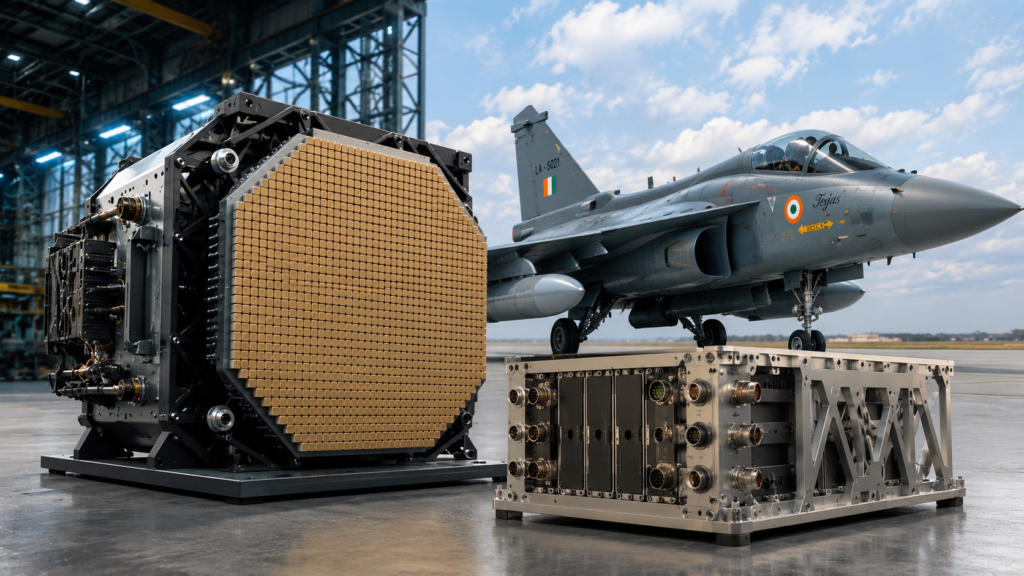
Initially, Tejas was intended to replace MiG-21. However, with the introduction of the Mk1A, IAF recognised its potential to replace MiG-27 and Jaguar as well. The reason the IAF continues to operate and upgrade the Jaguar is its unique low-level penetration capability. It can fly extremely close to the ground, allowing it to approach targets near the Pakistani border while reducing its exposure to enemy radar detection. No other fighter, including Tejas, can replicate this capability to the same extent.
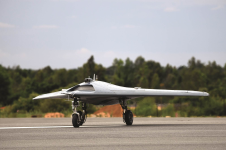
The aircraft that could eventually replace Jaguar's specialised strike and bomber role is the Ghatak UCAV, a stealth unmanned combat aircraft powered by the dry variant of the Kaveri engine—the same engine technology originally developed for the Tejas Mk1A. Over the next 8–10 years, if BrahMos Aerospace successfully develops Kaveri 2.0 with wet thrust, it could potentially power much larger bomber platforms with payload capacities comparable to the B-52 and significantly greater operational range.
View attachment 217148
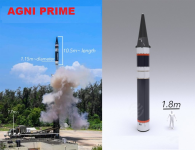
A long-range stealth bomber capable of carrying heavy bunker-busting munitions would give India greater flexibility in targeting deeply buried and hardened military infrastructure, including Pakistan's nuclear-related facilities. Such a capability is relevant to India's first-strike options. While India has also developed the Agni-P variant for hardened-target missions, a stealth bomber would offer additional flexibility in terms of payload, deployment options and mission profiles.
View attachment 217149