


İran ticaret rotasını karaya çevirdi: Gürbulak’tan ihracat yüzde 250 arttı - Dünya Gazetesi
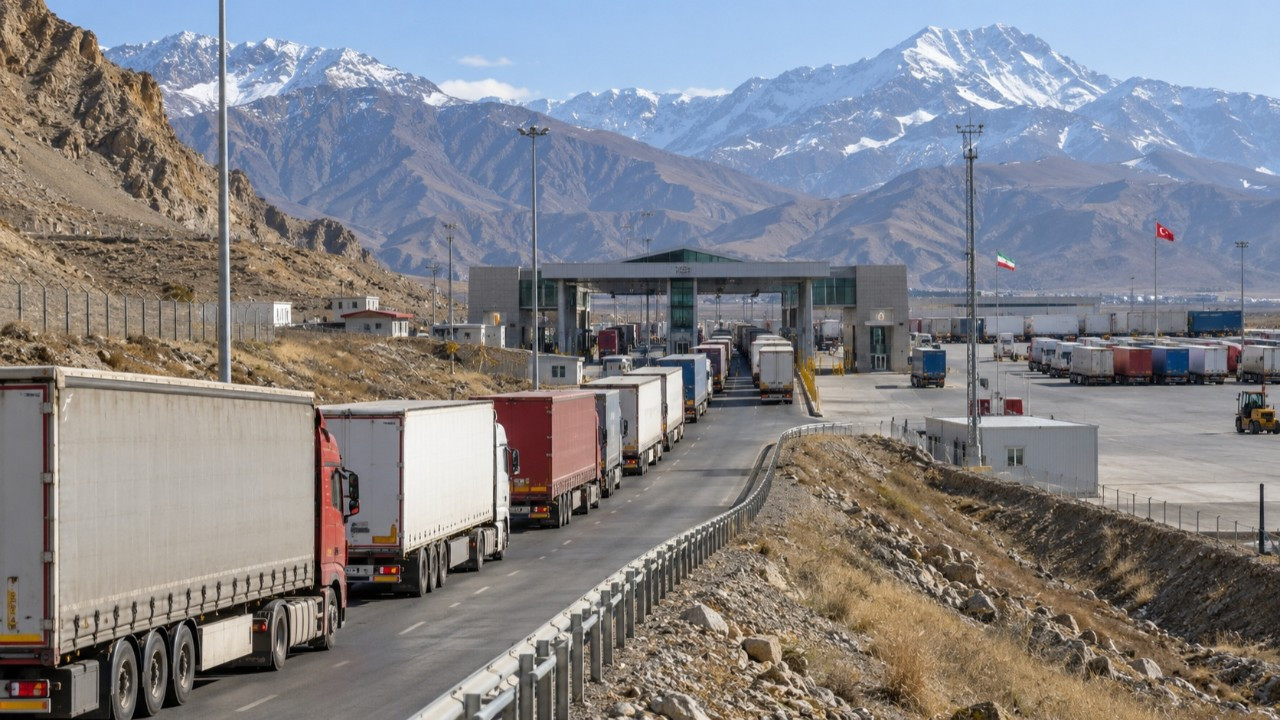
ABD'nin deniz ablukası ve Hürmüz'deki aksama İran'ı kara ticaretine yöneltti. Gürbulak üzerinden İran'a yapılan ihracat beş ayda yüzde 250 arttı, Türkiye-İran ticareti ise yılın ilk yarısında yüzde 19 yükselerek 3,2 milyar dolara çıktı.
 www.dunya.com
İran ticaret rotasını karaya çevirdi: Gürbulak’tan ihracat yüzde 250 arttı - Dünya Gazetesi
ABD'nin deniz ablukası ve Hürmüz'deki aksama İran'ı kara ticaretine yöneltti. Gürbulak üzerinden İran'a yapılan ihracat beş ayda yüzde 250 arttı, Türkiye-İran ticareti ise yılın ilk yarısında yüzde 19 yükselerek 3,2 milyar dolara çıktı.
Iran Shifts Trade to Land Routes as Exports via Gürbulak Surge 250%
1.
- Before the conflict, more than 80% of Iran's foreign trade—approximately 180 million tonnes annually—passed through southern seaports.
- Disruptions in the Strait of Hormuz and pressure on maritime shipping have made traditional sea routes more difficult to use.
- Iran is responding by increasing its use of land borders with neighboring countries.
- Turkey is particularly important because it provides access to European markets and has established road and rail infrastructure.
2.
- Exports from Turkey to Iran through the Gürbulak–Bazargan border crossing rose by 250% in the five-month period ending August 12.
- In early September, approximately 500 trucks per day were reportedly entering Iran from Turkey.
- Consumer products
- Animal feed
- Ingredients used in pharmaceutical manufacturing
- Goods moving from Iran to Turkey include aluminum, bitumen, and construction materials.
3.
- Total trade between the two countries reached approximately $3.2 billion in January–June 2026.
- This represents a 19% increase compared with the same period in 2025.
- Turkey and Iran have had a preferential trade agreement since 2015.
- The changing geopolitical situation is increasing the economic importance of their shared border.
4.
- The increase in truck traffic has caused long queues, sometimes stretching for kilometers.
- Truck drivers have faced waiting times of several days.
- In August, Turkish and Iranian officials agreed to establish a joint commission to investigate delays and identify solutions.
- Gradually increasing daily truck-crossing capacity.
- Expanding the use of TIR Carnets, which facilitate international road freight customs procedures.
- Introducing an electronic TIR system between the two countries.
5.
- The Gürbulak customs facility reopened in April 2026 following extensive modernization.
- The investment exceeded 3 billion Turkish lira.
- Improvements include expanded vehicle and passenger capacity, upgraded inspection systems, and better logistics infrastructure.
- The crossing reportedly handles approximately $1 billion in annual import and export transactions.
6.
- US sanctions against Iran can expose foreign businesses providing services to Iranian companies to additional compliance risks.
- Companies involved in banking, insurance, freight, customs, and potentially restricted goods must carefully check their transactions and counterparties.
- Land routes cannot fully replace the enormous volumes of goods previously transported by sea.
- The long-term benefits for Turkey will depend on whether border capacity can expand while companies manage sanctions-related risks.


