Iran continues its threats after launching an unprecedented attack on Israel last night. Here's what you need to know.
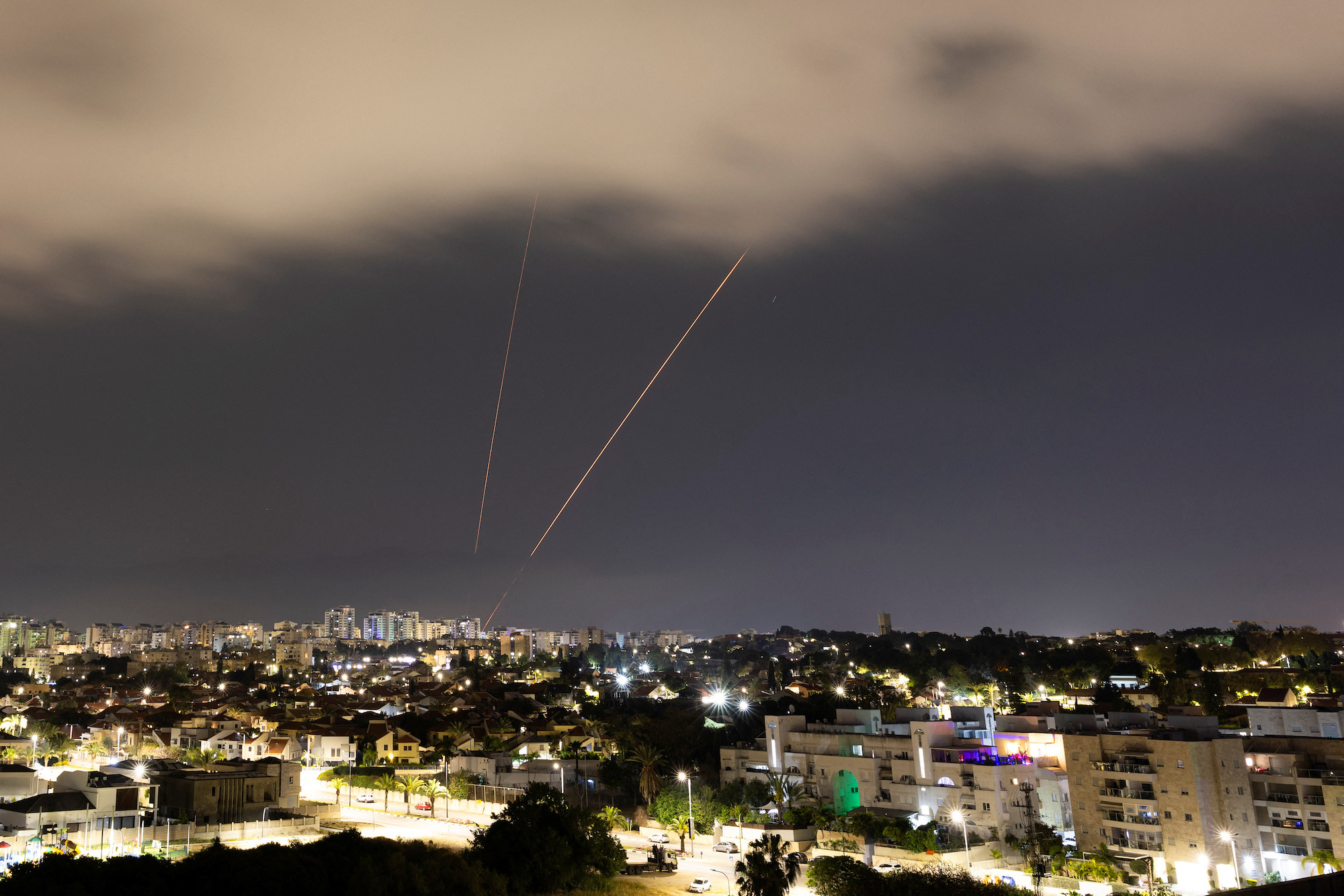
An anti-missile system operates as seen from Ashkelon, Israel, on Sunday. Amir Cohen/Reuters%
Iran launched an unprecedented large-scale drone and missile attack at Israel overnight on Saturday, in retaliation for a suspected Israeli strike on an Iranian diplomatic complex in Syria.
The reprisals marked the first time the Islamic Republic has launched a direct assault on Israel from its soil, marking a dangerous new inflection point in the fast-widening Middle East conflict.
In the aftermath of the attack, Tehran has continued to make threats against Tel Aviv and its Western allies, warning that its response will be "stronger and more resolute" if Israel continues to commit "military aggression."
Below are the latest developments:
- Projectiles intercepted: More than 300 projectiles – including around 170 drones and over 120 ballistic missiles – were fired toward Israel in the immense aerial attack overnight. However, “99%” of them were intercepted by Israel’s aerial defense systems and its “partners,” according to the Israeli military. Only “a small number” of ballistic missiles reached Israel, with the remaining ballistic missiles, all cruise missiles and all drones being intercepted before reaching Israeli territory, IDF spokesperson Rear Admiral Daniel Hagari said.
- Biden-Netanyahu phone call: After the attack, US President Joe Biden spoke by phone with Israeli Prime Minister Benjamin Netanyahu, making it clear that the US would not participate in any offensive operations against Iran, a senior White House administration official told CNN. However, Biden has also reiterated that the US's commitment to Israel's security against threats from Iran and its proxies remains "ironclad."
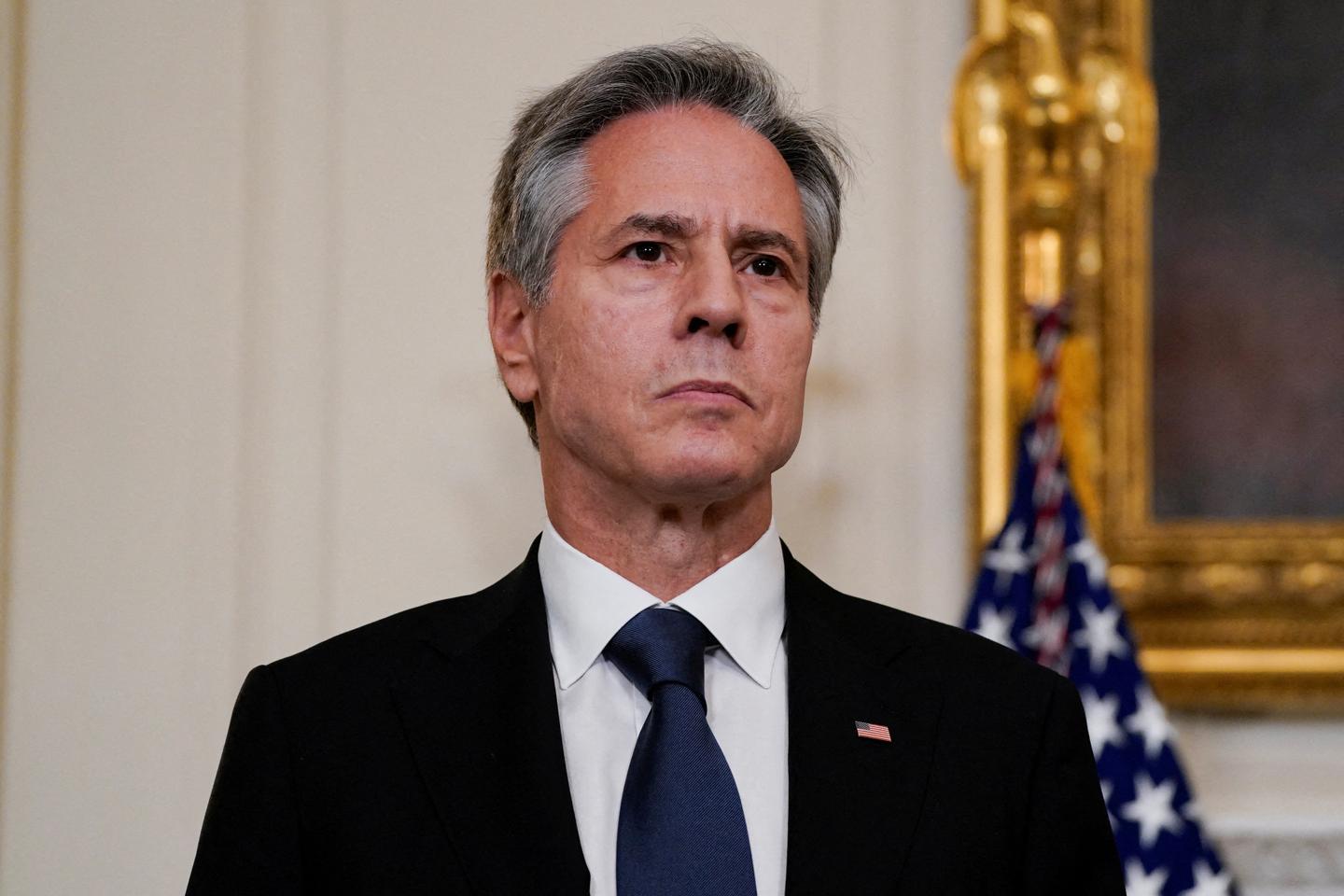
- US to consult with allies: Israel and its Western allies are now deciding how best to proceed. US Secretary of State Antony Blinken said he "will be consulting with allies and partners in the region and around the world in the hours and days ahead." "The United States condemns Iran’s attack on Israel in the strongest terms," he said in a statement on Sunday. "While we do not seek escalation, we will continue to support Israel’s defense, and as the President made clear, we will defend US personnel."
- Iranian threats: Iran’s IRGC leader has warned that a “new equation” was created after its attack on Israel, and that it will now respond directly whenever Israel attacks its interests, assets or people. Iran's Chief of Staff has also threatened the US and Israel against any future attacks. Sardar Bagheri, the Chief of Staff of Iran's Armed Forces, said Iran sent a message to the US through the Swiss embassy warning Washington if it cooperates with Israel in their possible next actions, US bases will "not have any security" and will be "dealt with."
- Concern on the world stage: A wide range of foreign leaders, in the Middle East and beyond, have expressed concern over last night's attack and called for deescalation. Saudi Arabia, a major regional rival to Iran, stressed the importance of “preventing any further exacerbation” of the crisis, while Qatar, which enjoys close economic relations with Iran, expressed "profound concern." Several Latin American countries also condemned the incident, while China in the statement called "on relevant parties to exercise calm and restraint to prevent further escalations." Australia issued a strong condemnation of the overnight attacks, labeling the actions as "reckless and a grave threat" to regional security.