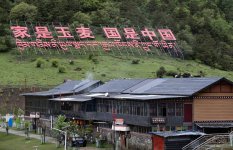
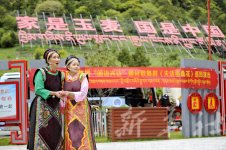
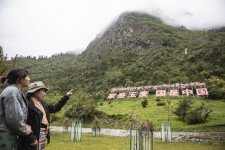
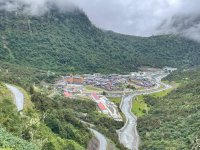
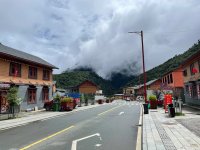
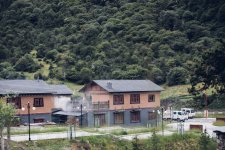
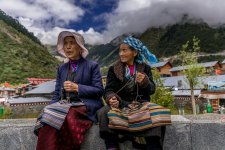
Tibet border defence village, free house and $10,000 per person a year

The Yume village now, the sisters are both top official administrators of the village now
1e18d16b4dfe4b07a6794016cce13d8b-jpeg.5694

e9f807083bef406eaa2798db94883123-jpeg.5695

diao-zheng-da-xiao-006bjbjcgy1grxu4s77m2j31jk110x6q-jpg.5801

diao-zheng-da-xiao-007os5a9gy1grmht2ff47j31900u0wnk-jpg.5802

diao-zheng-da-xiao-49f22969gy1giv7jz1l75j243w2qj7wh-jpg.5803

28f9-c6619778645895fb52bfc249ce405a7b-jpg.5759
 
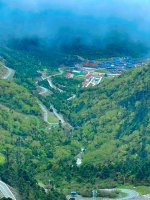
Yume village today

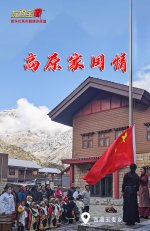
"The home is in Yume, the country is China"
0ce7f470a05b4709863d57be1f0ea3fd.jpeg
W020240321397046095592_ORIGIN.jpegac680a1fabca487fa76e0f5053f972da.jpeg
2021060118052935636853.jpg
 
India is a net exporter in foodgrains and self sufficient unlike china who depends on import of various foods,
India provides free foodgrains for 800 million of its population otherwise much of foodgrains will simply go waste.
Do you really think anyone in India believes these biased western indexes from democracy, press freedom and food etc. 🤣
To be honest, I feel that Indians think like Chinese 20 years ago. China is now an industrial exporter, while many of our emerging markets are agricultural or mineral resource countries, which is a kind of benefit exchange. Our domestic food is sufficient to meet the needs of the population. We mainly import food for raising various livestock, and we also import various types of meat. Our rural basic livelihood is guaranteed. It benefits from the cheap industrial products of industrialization and the government's subsidy policies for rural areas, but the reason for the low upper limit is that growing food cannot make a big fortune. The annual grain output only needs to meet the needs of the population. Further efforts to drive industries such as animal husbandry to make big money through the large-scale production of various agricultural products cannot be achieved, and there are always various imports to balance it. It's interesting to see that the thinking of Indians always stays at the most basic level of self-sufficiency
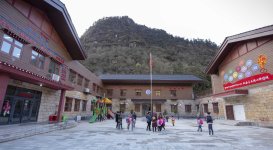
 
The heoric Tibetan family of 3 who defended the vast land of China was adapted to a movie

【Eng Sub】EP 30丨Yumai is hometown and China is the motherland丨Faith Makes Great丨理想照耀中国之家是玉麦,国是中国
To view this content we will need your consent to set third party cookies.
For more detailed information, see our cookies page.
 
To be honest, I feel that Indians think like Chinese 20 years ago. China is now an industrial exporter, while many of our emerging markets are agricultural or mineral resource countries, which is a kind of benefit exchange. Our domestic food is sufficient to meet the needs of the population. We mainly import food for raising various livestock, and we also import various types of meat. Our rural basic livelihood is guaranteed. It benefits from the cheap industrial products of industrialization and the government's subsidy policies for rural areas, but the reason for the low upper limit is that growing food cannot make a big fortune. The annual grain output only needs to meet the needs of the population. Further efforts to drive industries such as animal husbandry to make big money through the large-scale production of various agricultural products cannot be achieved, and there are always various imports to balance it. It's interesting to see that the thinking of Indians always stays at the most basic level of self-sufficiency
He is just a troll

21209.jpeg


India just starves its own people and sells its food to get money to buy foreign weapons
 
Their land? All their land belong to han China! Didn't realize Tibet was an "independent" nation. Nice comic timing though.
I think you need to learn Tibetan history. Before 1950 all land belong to the Monastery and the Noble. The average people are tenant farmer or slave to either noble or Monastery. almost 95% are either slave or tenant farmers.

The CCP confiscated all that land and divided it among the tenant farmers and the slaves working on those estates. for the first time giving the land to people who worked on that land

Those land reforms sparked rebellions that resulted in the ruling class fleeing to India. Before the 1950's the average lifespan of Tibetan is only 30 years old. Now is around 76. Most of the people are illiterate. Now almost 95% received 13 years of schooling and by all indices life has improved a lot.

Aside from the Writing system India never has any influence in the past. Tibetan Buddhism is influenced by both Nepalese and Chinese Buddhism. and old Bon religion. Only in modern times British try to incorporate Tibet and the new republic India continue this policy
 
Last edited:
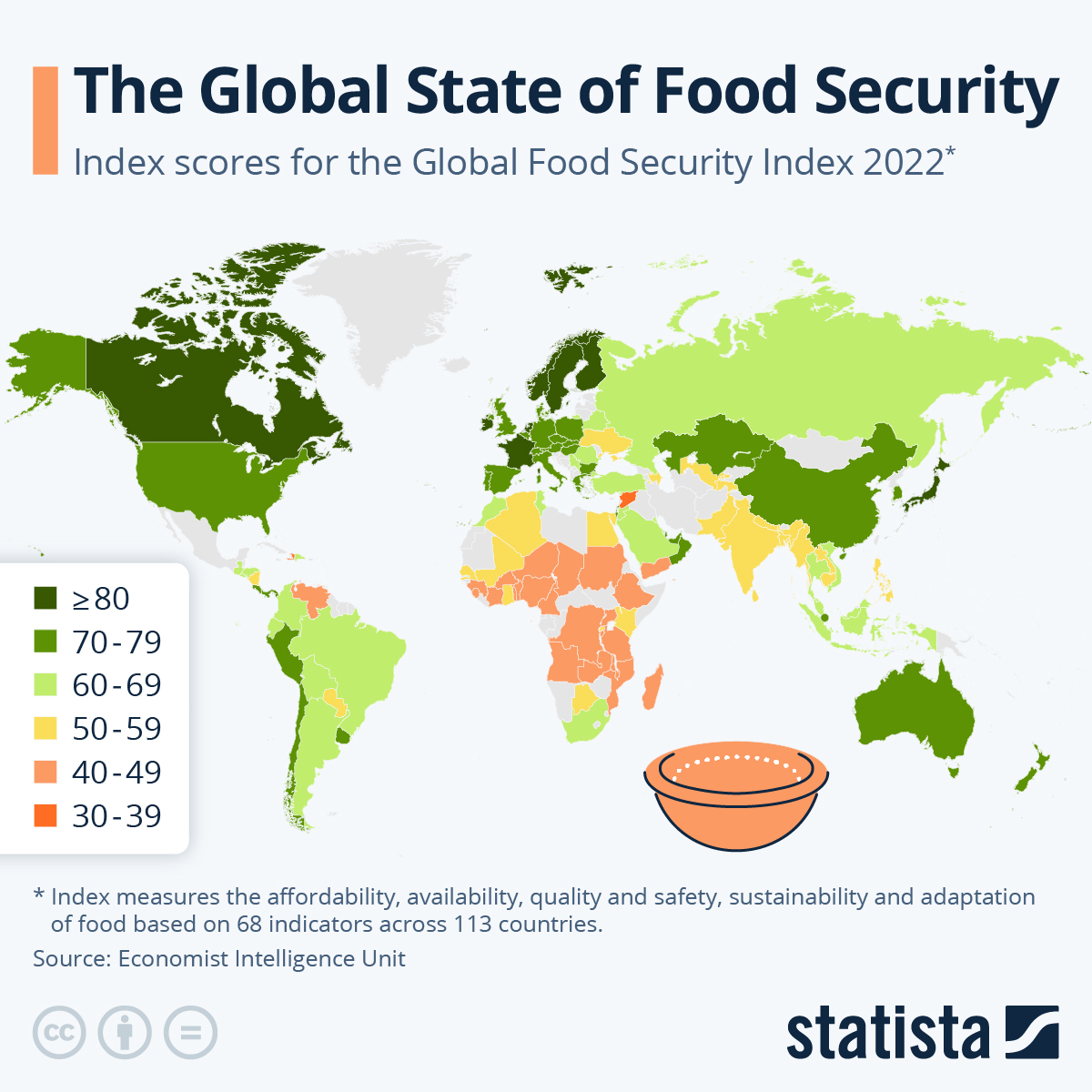
The map you are putting is again based on western perceptions, when India govt literally supplies foodgrains free for 800 million ppl, including vegetable oil and spices with subsidies LPG, the question of affordability doesn’t even rise.
If west compare affordability of meat etc where in India people by choice are majority vegetarian the match doesn’t exists.
Indians dont believe eating meat makes some one healthy its the opposite which in coming years will some day west will
Accept.
India is the most ancient civilization on planet our food habits are based on most optimised way of living a fullest life.
Many Indians are currently influenced by west soon they will come back to fold.
 
"The home is in Yume, the country is China"

截至2020年12月,玉麦乡共有67户234人。
As of December 2020, there are 67 households with 234 people in Yume Village

有时候,一辈子只要做一件事就够了!_1_升级打boss中_来自小红书网页版.jpg
9e78-8ec4ffdc9f6f86efe9cf9ad278781daf.jpg
_1_高兴_来自小红书网页版.jpg_5_高兴_来自小红书网页版.jpg
 
20241001_161449.jpg
mmexport1727847631214.jpg
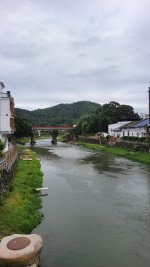
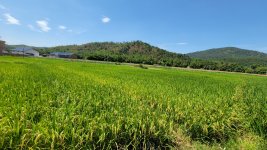
This is a typical rural area that I recently captured while passing through a mountainous region. It has clean water sources, sufficient electricity, and decent housing. It's not a problem for people to eat enough and wear warm clothes. But people still go to the city to work and consume because of this imported agricultural policy, which ensures that people's clothing, food, housing, and transportation are sufficient. However, it is unrealistic for many ordinary rural people to rely solely on village agriculture to make their families rich and prosperous. I think every country in the world has its own way of survival, and so does civilization.
 
Does India also give their border Tibetan villagers a large modern free single house per family, $10,000 per person/ year ?
 
Does India also give their border Tibetan villagers a large modern free single house per family, $10,000 per person/ year ?


Did you give them home and 10000 USD in year 1970 or 80 or 90 or 2000 or 2010 or...?
 

Users who are viewing this thread

Country Watch Latest

Latest Posts

Back
Top