Beijingwalker
VIP Member
- Thread starter
- #16
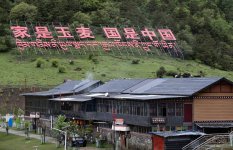
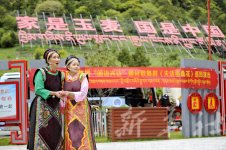
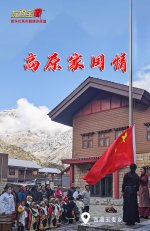
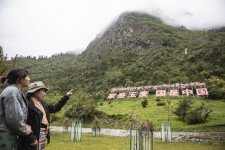
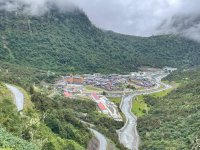
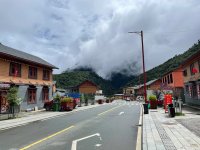
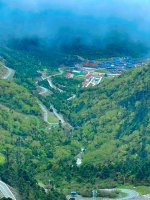
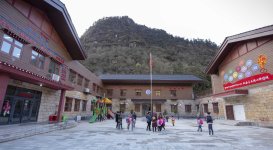
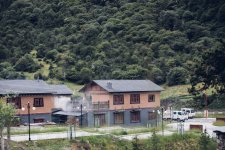
The Yume village now, the sisters are both top official administrators of the village now
Follow along with the video below to see how to install our site as a web app on your home screen.
Note: This feature may not be available in some browsers.
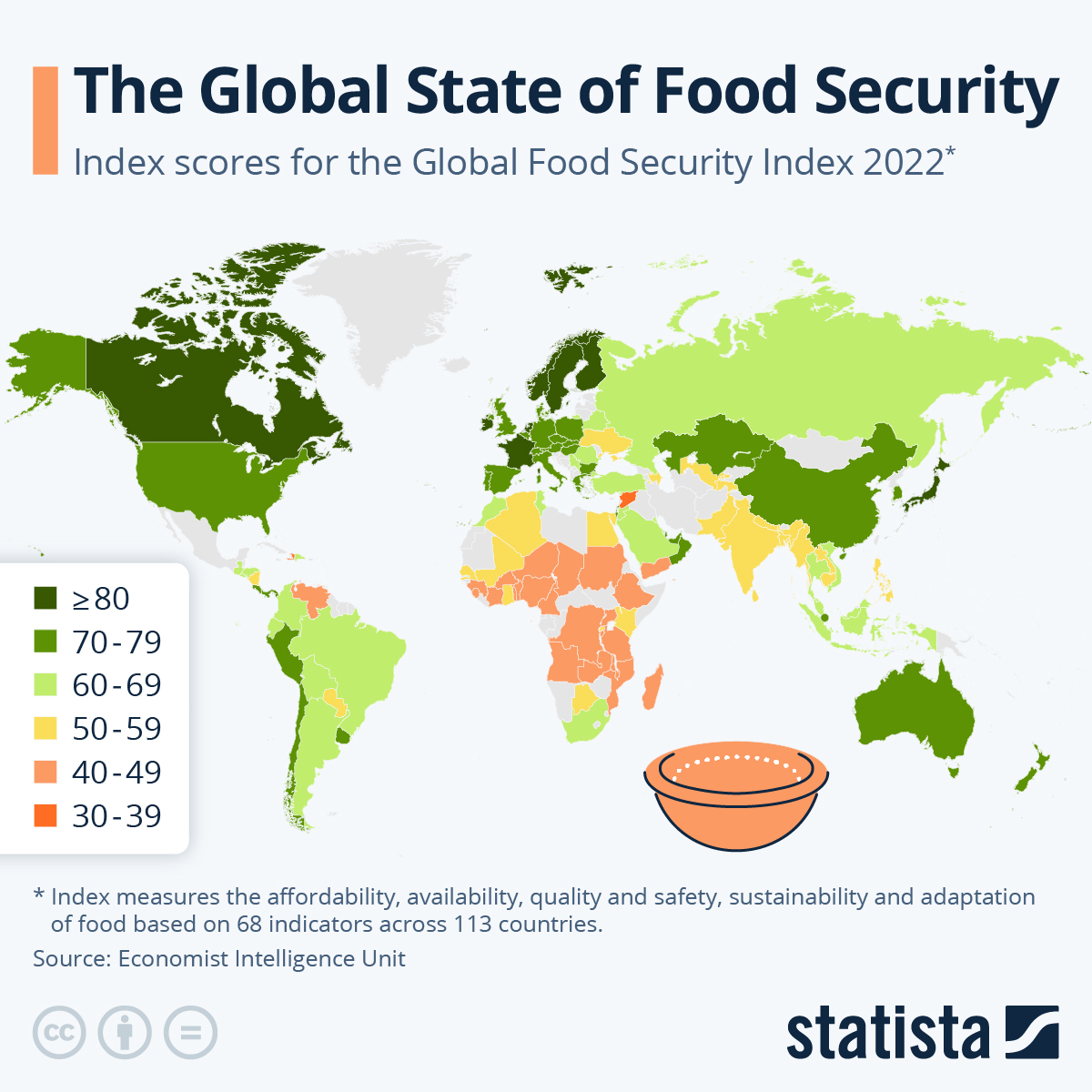
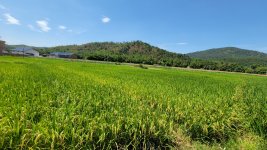
To be honest, I feel that Indians think like Chinese 20 years ago. China is now an industrial exporter, while many of our emerging markets are agricultural or mineral resource countries, which is a kind of benefit exchange. Our domestic food is sufficient to meet the needs of the population. We mainly import food for raising various livestock, and we also import various types of meat. Our rural basic livelihood is guaranteed. It benefits from the cheap industrial products of industrialization and the government's subsidy policies for rural areas, but the reason for the low upper limit is that growing food cannot make a big fortune. The annual grain output only needs to meet the needs of the population. Further efforts to drive industries such as animal husbandry to make big money through the large-scale production of various agricultural products cannot be achieved, and there are always various imports to balance it. It's interesting to see that the thinking of Indians always stays at the most basic level of self-sufficiencyIndia is a net exporter in foodgrains and self sufficient unlike china who depends on import of various foods,
India provides free foodgrains for 800 million of its population otherwise much of foodgrains will simply go waste.
Do you really think anyone in India believes these biased western indexes from democracy, press freedom and food etc.![]()
He is just a trollTo be honest, I feel that Indians think like Chinese 20 years ago. China is now an industrial exporter, while many of our emerging markets are agricultural or mineral resource countries, which is a kind of benefit exchange. Our domestic food is sufficient to meet the needs of the population. We mainly import food for raising various livestock, and we also import various types of meat. Our rural basic livelihood is guaranteed. It benefits from the cheap industrial products of industrialization and the government's subsidy policies for rural areas, but the reason for the low upper limit is that growing food cannot make a big fortune. The annual grain output only needs to meet the needs of the population. Further efforts to drive industries such as animal husbandry to make big money through the large-scale production of various agricultural products cannot be achieved, and there are always various imports to balance it. It's interesting to see that the thinking of Indians always stays at the most basic level of self-sufficiency
I might be able to give you an idea
Most people In the north and western india( majority of the population) don't eat rice as staple food they prefer wheat and millets
And only eat rice As a small part of their meal
Southern an eastern people traditionally eat rice as part of every meal They only eat wheat on special occasions
We are leading in exports because we grow one of the best varieties of rice - BASMATI considered the best and the production of this variety is best suited to our northern and eastern climate
There are more than 1100 varieties of rice grown in india but still...
This may be related to the level of development of his country, as his eyes can only see where they can seeHe is just a troll
![]()
I think you need to learn Tibetan history. Before 1950 all land belong to the Monastery and the Noble. The average people are tenant farmer or slave to either noble or Monastery. almost 95% are either slave or tenant farmers.Their land? All their land belong to han China! Didn't realize Tibet was an "independent" nation. Nice comic timing though.


Does India also give their border Tibetan villagers a large modern free single house per family, $10,000 per person/ year ?
No, I m talking about now, do you give them houses and free money now?Did you give them home and 10000 USD in year 1970 or 80 or 90 or 2000 or 2010 or...?
We use essential cookies to make this site work, and optional cookies to enhance your experience.