Few tears shed for Assad after lightning regime collapse
James Landale
Diplomatic correspondent
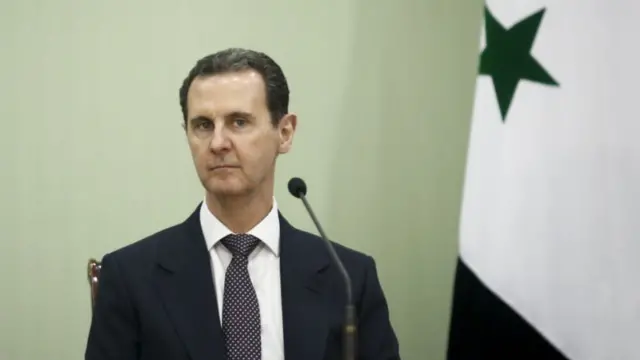
There’ve been few tears shed for the Assad regime. President Macron of France said a barbaric state had fallen.
Chancellor Scholz of Germany said the Syrian people had suffered appallingly and the end of Assad was good news. But that satisfaction was outweighed by concern about what might come next.
The United Nations’ special envoy to Syria, Geir Pedersen, said it was a moment of only “cautious hope” and emphasised the need for a stable transition.
Arab countries in the Gulf - which had repaired relations with Assad in recent years – looked on nervously at the prospect of an Islamist-led Syria.
Qatar’s foreign ministry voiced “great concern” and called for Syria’s unity to be protected.
A senior Emirati diplomat, Anwar Gargash, told the Manama Dialogue Syria was “not out of the woods” and hoped different groups there could work together.
Countries with a direct stake emphasised continuity.
The US has military forces in eastern Syria and a senior Pentagon official said they would remain there to combat the Islamic State group which, he admitted, could exploit the chaos to step up its operations.
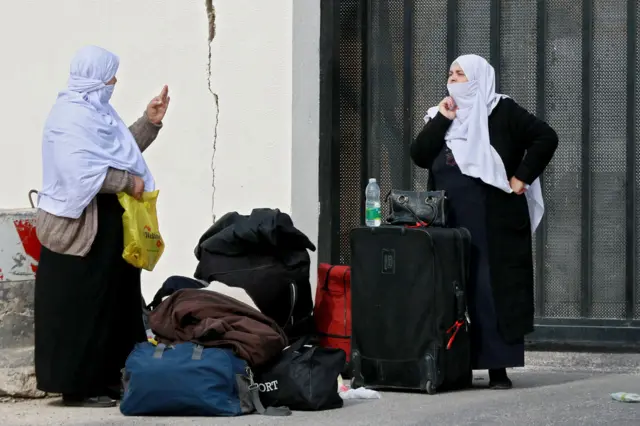
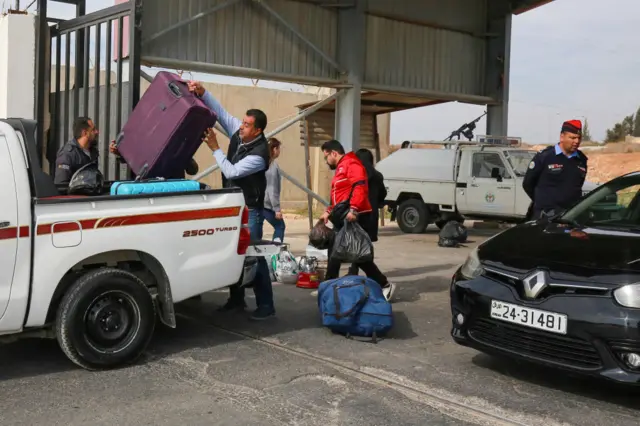
Turkey hosts more than three million Syrian refugees and the country’s foreign minister, Hakan Fidan, said they could now return home.
He also said Turkey would continue to fight Kurdish groups in Syria that his country brands terrorists.
As for Assad’s allies, Russia and Iran, the EU foreign affairs chief, Kaja Kallas, said both were weakened. Russia’s foreign ministry said its two military facilities in Syria were on high alert but there was no serious threat.
President-elect Donald Trump said the fall of Assad meant President Putin should agree an immediate ceasefire in Ukraine.
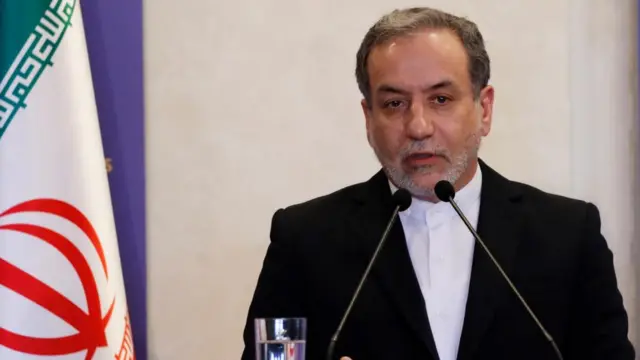
Iran - which has lost its territorial link to Hezbollah in Lebanon - said, without irony, the Syrian people should determine their future “without any destructive interference or external imposition”.