General Economic Updates

@Fatman17 @ghazi52

Fatman/Ghazi sb,

If these numbers are correct, the short-term outlook appears pretty grim
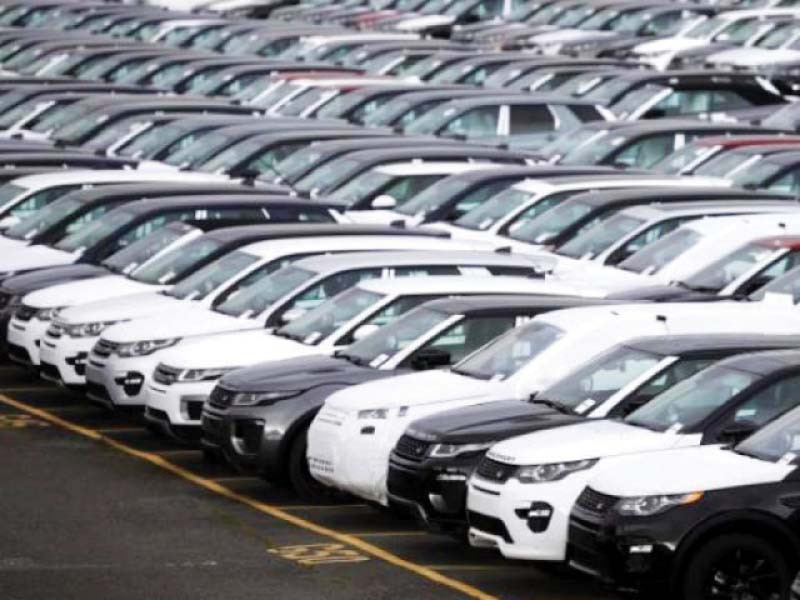
tribune.com.pk

Big industries' growth in the red | The Express Tribune

LSM sector contracts 1.9% in Jul-Dec due to high cost of business
tribune.com.pk
tribune.com.pk

The growth in Pakistan's major industries – the largest contributors to taxes and employment – shrank nearly 2% during the first half of the current fiscal year, indicating the adverse impact of high cost of doing business and economic stabilisation.

The large-scale manufacturing (LSM) sector registered a negative growth of 1.9% during the July-December period of fiscal year 2024-25 compared with the same period of last year, Pakistan Bureau of Statistics (PBS) reported on Thursday.

It is the third consecutive year when big industries are facing a contraction due to the policies implemented by the government to avoid sovereign default.

Interest rate has been reduced by 10 percentage points but it will take time before businesses start borrowing. The prevailing political, security and economic instability are also impacting the investment climate.

The 1.9% LSM contraction is also in line with the overall low economic growth. Pakistan's gross domestic product (GDP) grew only 0.9% in the first quarter of FY25. The country has been in the economic stabilisation phase since June 2023, which has impacted almost every household and industry.

However, the government has not yet been able to bring fundamental changes to the structure of the economy and has not ended anti-export biases from its policies.

The last budget adversely impacted formal sectors of the economy, when the government put undue burden on those who were already paying more than their capacity. The high cost of electricity and gas are other impediments to the country's economic growth.


Industries like food, petroleum products, chemicals, minerals, iron and steel, furniture and machinery faced negative growth during the first half of the current fiscal year.

The situation was also grim in December 2024 alone. Large-scale industries recorded a 3.7% contraction in the month over the same period of last year, according to the PBS. Sugar production was lower by 13% in December compared to the same month of the previous year. Iron and steel production dipped over 11% while cement output fell 5.5%.

The government had given a winter electricity tariff reduction package to both industrial and residential consumers. But the package has not helped much and power generation decreased 2% in January.

Production increased in H1 for industries such as tobacco, textile, clothing, automobile and transport equipment. But a major slump was seen in food, coke and petroleum products, chemical products, non-metallic mineral products, iron and steel products, electrical equipment, machinery and equipment, and furniture.

PBS has announced production numbers at a time when the government is facing pressure to abandon the path of economic stabilisation and let the economy grow. However, discussions are focused on areas such as real estate, which does not have any meaningful contribution to the economic growth.

The food sector is heavily impacted by the government's decision to impose 18% sales tax on packaged milk, liquid and powder. This, in turn, has reduced packaged milk sales by 20% during the first half, impacting both farmers and the milk processing industry.

Pakistan's industries are heavily dependent on imported raw material to produce finished goods. The government had been keeping a tight lid on imports, which it relaxed in December. The relaxation immediately resulted in a nearly $5.5 billion monthly import bill that has started impacting the external account position.

The rupee is also coming under pressure and members of the Economic Advisory Council on Wednesday urged Prime Minister Shehbaz Sharif to let the rupee gain its market value to keep exports competitive.

However, the industry's dilemma is that it has very limited technological edge and exportable surplus and is mostly relying on a weak rupee to remain profitable.

Regards
 
@Fatman17 @ghazi52

Fatman/Ghazi sb,

If these numbers are correct, the short-term outlook appears pretty grim

tribune.com.pk

Big industries' growth in the red | The Express Tribune

LSM sector contracts 1.9% in Jul-Dec due to high cost of business
tribune.com.pk
tribune.com.pk

The growth in Pakistan's major industries – the largest contributors to taxes and employment – shrank nearly 2% during the first half of the current fiscal year, indicating the adverse impact of high cost of doing business and economic stabilisation.

The large-scale manufacturing (LSM) sector registered a negative growth of 1.9% during the July-December period of fiscal year 2024-25 compared with the same period of last year, Pakistan Bureau of Statistics (PBS) reported on Thursday.

It is the third consecutive year when big industries are facing a contraction due to the policies implemented by the government to avoid sovereign default.

Interest rate has been reduced by 10 percentage points but it will take time before businesses start borrowing. The prevailing political, security and economic instability are also impacting the investment climate.

The 1.9% LSM contraction is also in line with the overall low economic growth. Pakistan's gross domestic product (GDP) grew only 0.9% in the first quarter of FY25. The country has been in the economic stabilisation phase since June 2023, which has impacted almost every household and industry.

However, the government has not yet been able to bring fundamental changes to the structure of the economy and has not ended anti-export biases from its policies.

The last budget adversely impacted formal sectors of the economy, when the government put undue burden on those who were already paying more than their capacity. The high cost of electricity and gas are other impediments to the country's economic growth.


Industries like food, petroleum products, chemicals, minerals, iron and steel, furniture and machinery faced negative growth during the first half of the current fiscal year.

The situation was also grim in December 2024 alone. Large-scale industries recorded a 3.7% contraction in the month over the same period of last year, according to the PBS. Sugar production was lower by 13% in December compared to the same month of the previous year. Iron and steel production dipped over 11% while cement output fell 5.5%.

The government had given a winter electricity tariff reduction package to both industrial and residential consumers. But the package has not helped much and power generation decreased 2% in January.

Production increased in H1 for industries such as tobacco, textile, clothing, automobile and transport equipment. But a major slump was seen in food, coke and petroleum products, chemical products, non-metallic mineral products, iron and steel products, electrical equipment, machinery and equipment, and furniture.

PBS has announced production numbers at a time when the government is facing pressure to abandon the path of economic stabilisation and let the economy grow. However, discussions are focused on areas such as real estate, which does not have any meaningful contribution to the economic growth.

The food sector is heavily impacted by the government's decision to impose 18% sales tax on packaged milk, liquid and powder. This, in turn, has reduced packaged milk sales by 20% during the first half, impacting both farmers and the milk processing industry.

Pakistan's industries are heavily dependent on imported raw material to produce finished goods. The government had been keeping a tight lid on imports, which it relaxed in December. The relaxation immediately resulted in a nearly $5.5 billion monthly import bill that has started impacting the external account position.

The rupee is also coming under pressure and members of the Economic Advisory Council on Wednesday urged Prime Minister Shehbaz Sharif to let the rupee gain its market value to keep exports competitive.

However, the industry's dilemma is that it has very limited technological edge and exportable surplus and is mostly relying on a weak rupee to remain profitable.

Regards
Unfortunately yes.
 
Finance Minister Muhammad Aurangzeb said on Tuesday that for the first time, sugar sent to Afghanistan was not smuggled but exported with the help of all law enforcement authorities deployed at the border.

While providing updates on the country’s economic progress, the minister said the remittance inflow for Feb 2025 had reached an impressive $3.1 billion.

“We estimate an all-time high remittance inflow of $36bn by the end of the fiscal year,” he said while addressing a press conference along with Federal Information Minister Attaullah Tarar.

While expressing gratitude to the Pakistani diaspora, Aurangzeb acknowledged their invaluable contribution to the nation’s economy.

“On behalf of the prime minister, the government, and the cabinet, we extend our heartfelt thanks to all our Pakistani brethren and sisters working abroad and sending remittances back home,” he said.

The finance minister also shared the results of several independent surveys conducted in the past quarter, including those by Gallup, ICC, Overseas Shapers, Ipsos, PricewaterhouseCoopers and a recent one by the State Bank of Pakistan, all of which showed a noticeable uptick in business and consumer confidence.

“This confidence is reflected in increased business activity, and it is promising to see these positive trends taking root across various sectors,” he noted.

Despite daily fluctuations in the stock market index, Aurangzeb expressed optimism about the market’s overall direction.

Notably, he pointed out that 52,000 new investors had entered the market in recent months, signaling a growing interest in Pakistan’s financial sector.
 
Finance Minister Muhammad Aurangzeb said on Tuesday that for the first time, sugar sent to Afghanistan was not smuggled but exported with the help of all law enforcement authorities deployed at the border.

While providing updates on the country’s economic progress, the minister said the remittance inflow for Feb 2025 had reached an impressive $3.1 billion.

“We estimate an all-time high remittance inflow of $36bn by the end of the fiscal year,” he said while addressing a press conference along with Federal Information Minister Attaullah Tarar.

While expressing gratitude to the Pakistani diaspora, Aurangzeb acknowledged their invaluable contribution to the nation’s economy.

“On behalf of the prime minister, the government, and the cabinet, we extend our heartfelt thanks to all our Pakistani brethren and sisters working abroad and sending remittances back home,” he said.

The finance minister also shared the results of several independent surveys conducted in the past quarter, including those by Gallup, ICC, Overseas Shapers, Ipsos, PricewaterhouseCoopers and a recent one by the State Bank of Pakistan, all of which showed a noticeable uptick in business and consumer confidence.

“This confidence is reflected in increased business activity, and it is promising to see these positive trends taking root across various sectors,” he noted.

Despite daily fluctuations in the stock market index, Aurangzeb expressed optimism about the market’s overall direction.

Notably, he pointed out that 52,000 new investors had entered the market in recent months, signaling a growing interest in Pakistan’s financial sector.
Begging bowl 🥣 policy continues. IOW beg with pride.
 

SBP pauses rate cuts, but likely not for long


Reuters
March 12, 2025

With inflation cooling, the State Bank of Pakistan (SBP) hit pause on its multiple rounds of monetary easing that might have risked destabilising its currency or worsening the trade deficit.

Economists said the government should shift its focus to implementing economic reforms as interest rate cuts are not the elixir for growth, after the central bank on Monday unexpectedly kept interest rates unchanged at 12 per cent.

“The rate cuts alone may not meet growth targets,” said Vaqar Ahmed, economist and team lead with Oxford Policy Management. “They need to be complemented by prudent fiscal measures, such as tax reforms, energy sectorviability and privatisation of state-owned enterprises, to encourage private sector investment and prevent crowding out.”

The central bank’s rate hold snapped the largest easing cycle in country’s history, disappointing some businesses burdened by high borrowing costs.

Economists had expected a cut on Monday, following a series of cuts totalling 1,000 basis points from a record high of 22pc in June last year to revive the economy.

The economy, which grew 0.9pc in the first quarter, is expected to gain momentum for the rest of the fiscal year, according to central bank chief Jameel Ahmad. Though first-quarter growth is well below its 2.5pc-3.5pc target for the year, the economy is not stalling.

However, Pakistan’s energy tariffs and the need for fiscal austerity measures under the International Monetary Fund (IMF) programme pose significant challenges to reviving demand.
 
Most economists expect the central bank to resume cuts soon, either later this fiscal year or at the start of the next one despite concerns around the trade deficit and impact on the currency. Pakistan’s trade deficit in January increased 18pc year on year to $2.313 billion.

The central bank is “likely to wait for more clarity on the external front or until they are confident about achieving their medium-term inflation target of 5-7pc”, said Saad Hanif, head of research at Ismail Iqbal Securities.

“Once that happens, I expect them to resume rate cuts, though at a slower pace.”

Ehsan Malik, CEO of Pakistan Business Council (PBC), warned that cutting rates on Monday would have necessitated a reversal soon, as monetary easing raises imports and trade deficits, which put pressure on the exchange rate, fuelling inflation.

The cash-tight nation is navigating reforms under a $7 billion IMF programme approved in September. The first instalment of the loan is under review, and if successful, Pakistan will receive a tranche of $1bn
 

Revive demand and investments​

Inflation in Pakistan soared to around 40pc in May 2023, driven by currency devaluation and subsidy removals for IMF approvals. But inflation dropped to a near-decade low of 1.5pc in February, providing room for the central bank to boost growth.

Economists also warn of the risk of the government taking advantage of lower interest rates to increase borrowing for an expansionary budget. That would potentially destabilise the progress made under the IMF programme and crowd out the private sector.

Pakistan’s central bank reported government borrowing has rebounded, while private sector credit jumped 9.4pc in the second quarter of the current fiscal year.

However, purchasing power constraints were expected to remain a deterrent to revived borrowing and investment.

“Consumer purchasing power will take time to recover from the 75pc+ price surge between 2021-2024,” said Mustafa Pasha, executive director at Lakson Investments.

Asfandyar Farrukh, chairman of the Chainstore Association of Pakistan, said stagnant incomes and increased taxes have reduced consumer spending power.

Retail volumes of renowned brands fell 10-15pc over the past year and a half, with “razor-thin profit margins” due to frequent discounts, he said, adding that medium and large retailers were consolidating to cope, or were shutting down, leaving only a few “deep-pocketed players” investing in growth.
 

High debt​

Pakistan’s banking sector holds the world’s largest proportion of government securities relative to its total assets, according to an October 2024 IMF report.

The high domestic debt, mainly financed by banks, crowds out private sector credit, hindering policy transmission, reducing the impact of interest rate changes on the private sector, the IMF said in its report.

Reza Baqir, former chief of the State Bank of Pakistan, stressed the importance of foreign exchange stability for sustaining economic growth in Pakistan, given its history of current account issues after periods of high consumption and import-led growth.

Pakistan usually sets its budget for the year in June, with the fiscal new year running July 1 to June 30.

“Where there is fiscal dominance, there is relatively little that monetary policy will be able to do to prevent a current account deficit blow-out” if political or other developments lead to populist budgetary policies,“ he warned.
 

Users who are viewing this thread

Pakistan Defence Latest

Country Watch Latest

Latest Posts

Back
Top