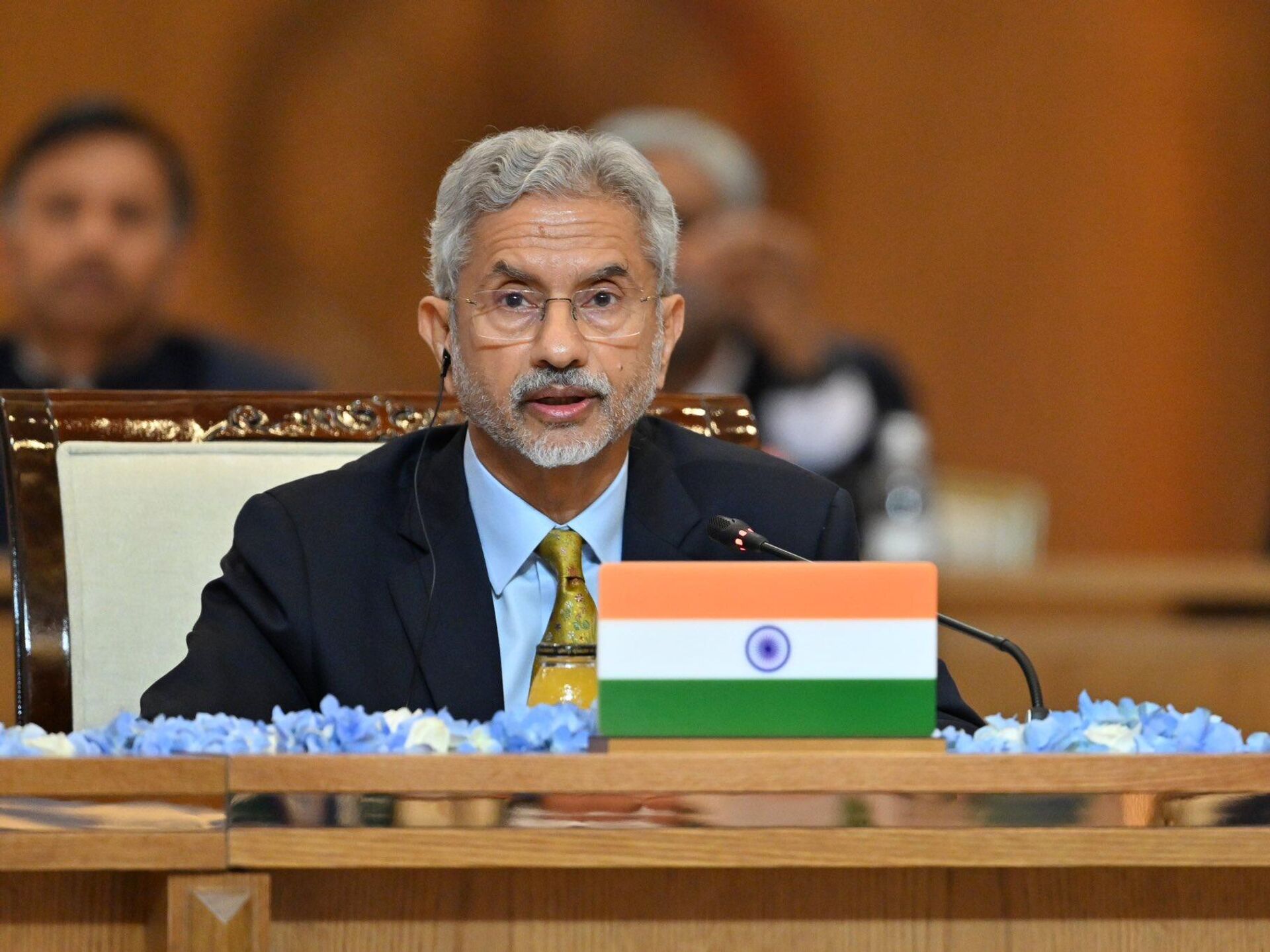
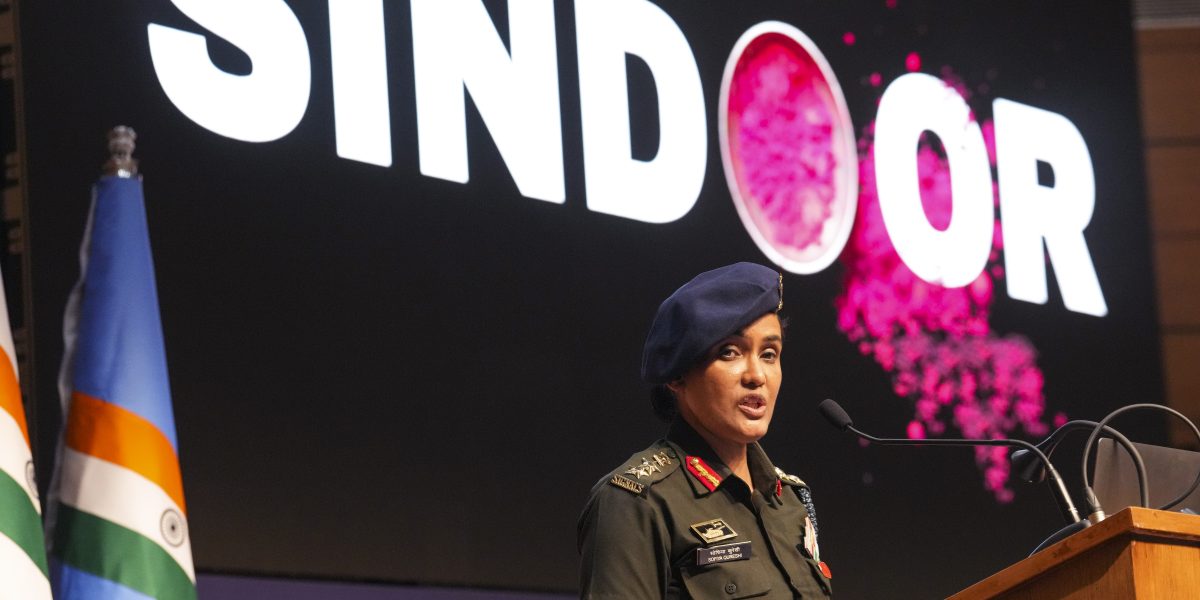
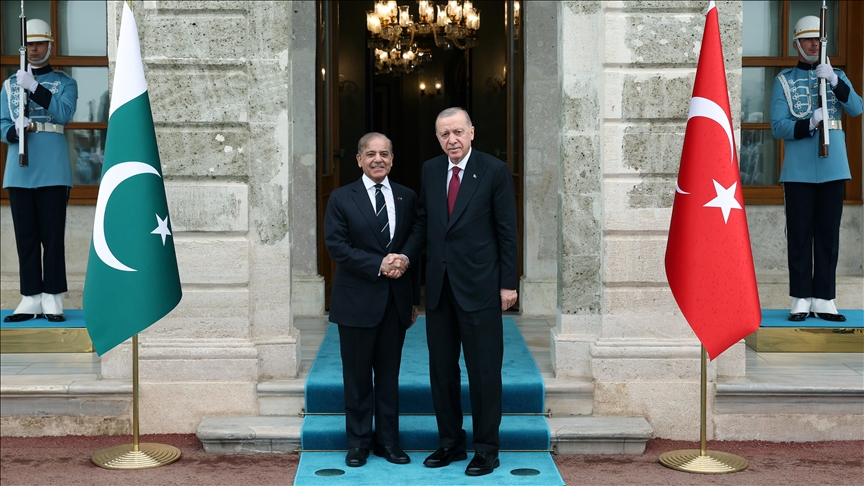
To what I was saying earlier, Jaishanker's balancing act of foreign relations and keeping domestic BJP audience happy is falling apart....
Dr. Jaishankar’s Doctrine of Denial: When ‘Your Problem is Yours’ Backfires on the Global Stage
-By: A Special Correspondent
(Lanka-e-News -25.May.2025, 11.00 PM) There’s a certain diplomatic grace in saying absolutely nothing of substance with an air of philosophical grandeur. Dr. S. Jaishankar, India’s eternally unflappable External Affairs Minister, has turned this art into an Olympic event. But alas, even the best tightrope walkers occasionally wobble—and Dr. Jaishankar is now dangling, awkwardly, between Washington’s fury and New Delhi’s pride.
At the heart of the debacle is his once-celebrated, now-regretted foreign policy mantra:
“Your problem is yours. Our problem is ours.” Simple. Stoic. And, as it turns out, spectacularly shortsighted.
Enter: The Phalgam Incident—a brief but blistering cross-border confrontation with Pakistan that began with the usual diplomatic muscle-flexing and ended, rather abruptly, with a ceasefire. But not just
any ceasefire. No. This one, according to several well-placed American officials, was brokered by none other than former US President Donald J. Trump in a late-night call marathon that reportedly included threats, flattery, and an ill-timed anecdote about golf.
Trump’s Trumpeting, Jaishankar’s Sulking
President Trump, never one to miss an opportunity to insert himself into international headlines (even post-presidency), claimed he personally “defused the Indo-Pak bomb situation.” Naturally, in Trumpian tradition, he added that both Modi and Shehbaz Sherieff, “thanked him profusely,” and that “no one ever saw such beautiful diplomacy.”
Except Dr. Jaishankar.
India’s top diplomat, in a manner that can only be described as passive-aggressive grandmastery, publicly downplayed Trump’s role, stating that the ceasefire was “a mutual understanding between India and Pakistan’s military leaderships” and “not orchestrated by any external power.”
That statement, seemingly crafted to resemble a standard diplomatic shrug, landed in Washington like a diplomatic slap. The State Department, not known for issuing press releases in response to foreign ministers trying to ghost their President, released a rare clarification: “The United States played a constructive role in facilitating dialogue.” Translation:
Stop lying, we have the call logs.
Diplomatic Fallout & Business Backlash
In an ideal world, this would have been a mere blip in the perpetual soap opera of international diplomacy. But India, it seems, has found itself locked in a PR war not just with Islamabad, but inadvertently with Washington.
The American Chamber of Commerce in India, otherwise happy to sip chai and ink deals, is now privately lobbying Prime Minister Narendra Modi to “reassess” Dr. Jaishankar’s position. One particularly blunt American CEO reportedly told a Modi aide: “Your man insulted our man. Fix it—or we’ll fix our investments elsewhere.”
Business leaders in Mumbai and Delhi are quietly echoing the sentiment. With Indo-US trade talks stalling and murmurs of a delay in semiconductor collaborations, Jaishankar’s bravado is starting to cost rupees. And when the rupees bleed, the knives are unsheathed.
Modi’s Dilemma: To Sack or Not to Sack?
For Prime Minister Modi, this is now a matter of managing egos—both foreign and domestic. Jaishankar is no lightweight. A former diplomat to China and the US, he commands respect within the foreign service and among nationalist circles. But no one is indispensable—not when they're making Donald Trump look like the grown-up in the room.
Rumours swirl in South Block that Modi is “reviewing all aspects” of his foreign policy team. Translation: someone’s head may roll, and Jaishankar’s is sticking up the highest.
Insiders say that the Prime Minister was “deeply displeased” with how the ceasefire narrative unfolded, especially the fact that it allowed Pakistan and China to frame the skirmish as a joint victory over Indian aggression—and let Trump claim the moral high ground. A diplomatic triple-whammy.
The Doctrine Dilemma
It’s worth revisiting Jaishankar’s doctrine of “problem compartmentalisation.” In the drawing rooms of Delhi, it once sounded like Confucius with a PhD. But global diplomacy, especially in Asia, doesn’t allow for philosophical detachment when missiles are flying and economies are tethered.
The world, as it turns out, cares deeply about everyone else’s problems—especially when those problems involve two nuclear neighbours with a shared history of hostility and hubris.
By rejecting the idea that the US had any influence in the ceasefire, Dr. Jaishankar wasn’t just diminishing Trump—he was also telling the West:
We don’t need you. Unfortunately, the West controls the boardrooms that fund the tech corridors of Bengaluru and the mega defence deals signed in Washington hotel lobbies.
A Growing Credibility Crisis
Perhaps the most ironic twist is that, in trying to preserve India’s strategic autonomy, Jaishankar may have damaged its strategic credibility. Western allies now ask: if India can’t even acknowledge assistance from its supposed strategic partner, how dependable is that partnership?
British officials, too, are said to be quietly bemused. One diplomat at the Foreign Office quipped, “If Jaishankar thinks telling the truth is too inconvenient, perhaps we should stop sharing intelligence as well. After all, our problem is ours, no?”
Jaishankar, the Philosopher Without a Plan?
There’s no denying Dr. Jaishankar’s intellect. But in today’s hyper-connected world, high-minded detachment is not diplomacy—it’s denial. The line between preserving national dignity and self-sabotaging credibility is a thin one, and it appears Dr. Jaishankar has done a triple somersault off it.
As Modi prepares for yet another round of foreign summits, he now carries an additional burden: explaining why his foreign minister insists on rewriting ceasefire history while everyone else is trying to avoid World War III.
In the end, perhaps the most damning verdict comes not from Trump or Biden, but from an Indian industrialist overheard in a Delhi golf club:
"Next time, let Jaishankar philosophise at an ashram. Let someone else do the diplomacy."
(Lanka-e-News -25.May.2025, 11.00 PM) There’s a certain diplomatic grace in saying absolutely nothing of substance with an air of philosophical grandeur. Dr. S. Jaishankar, India’s eternally unflappable External Affairs Minister, has turned this art into a

www.lankaenews.com