Haleem
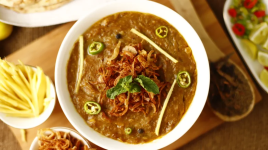
Haleem is perhaps one of the most eminent dishes associated with Muslim communities across Pakistan, India, and Bangladesh. It's a unique dish made by slow-cooking wheat (or barley), meat (beef, mutton, or goat), and lentils with copious amounts of ghee, spices, rose petals, and nuts until richly fragrant and thick. Once garnished with julienned ginger, crispy caramelized onions, and zesty cilantro, it's irresistible to those who know its delights.
This nutritious and hearty dish has a lengthy history. It originated in Iran, but haleem — as we would recognize it — arose in Hyderabad, India, during the reign of the sixth Nizam, Mahbub Ali Khan (per Brown History). Later, Muslims fleeing India for Pakistan during partition would bring the dish to Karachi, where it still enjoys much popularity today.
Chapli kebab
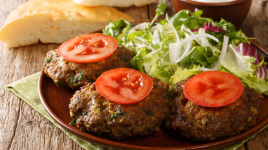
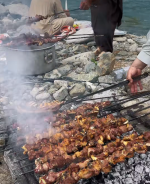
No kebab shops in America can compare to the juicy, succulent, and crispy chapli kebab straight off the skillets of Peshawari street vendors. Imagine tender minced beef mince mixed with tomatoes, onions, tangy pomegranate seeds, green chili peppers, citrusy lemon juice, fresh herbs, eggs, and plenty of fresh spices: That's chapli kebab. It's best served with fluffy naan to soak up the juices and a crisp fresh salad.
According to The Localist, chapli kebabs derive their name from the local Pashto language, in which chaprikh means "flat" — mimicking the flat, round shape of the kebabs. We suggest you head to Peshawar, the capital of the Khyber Pakhtunkhwa province, for the best offerings. Many shops founded in the 1950s still draw crowds today, especially in the historic "Storyteller's Market," where it's tradition for locals to gather and dictate stories from the paste while eating kebabs.
Peshwari naan
Possibly the most eminent of all bread varieties across Southeast Asia, naan recipes come in many shapes and sizes. The origin of naan can't be easily attributed to one location — per Tower Tandoori, a multitude of languages such as Turkish, Kazakh, and Uzbek dub flatbreads as "nan," indicating that no one country can lay conclusive claim. What is certain, though, is that one of the most unique and delicious varieties, Peshwari naan, arose from Peshawar, a city in north-western Pakistan. It's now garnered worldwide fame and has cult status in western countries like the U.K.
Beloved due to its fluffy dough stuffed with a sweet filling consisting of slivered nuts, toasted coconut, dried fruits, brown sugar, creamy butter, and warming spices, Peshwari naan is traditionally savored at breakfast.
Nihari
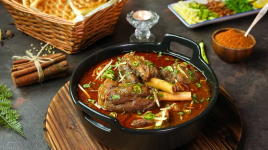
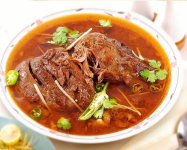
No dish exemplifies Pakistan's love of meat more than nihari. Richly flavored with freshly toasted and ground whole spices, spoonful's of ghee, and plenty of peppery ginger, nihari utilizes inexpensive cuts of meat. Although mutton and beef shank are notorious for being tough, they transform into tender, succulent chunks ready to fall off the bone when cooked overnight. Atta (stone-ground wheat flour) helps to thicken the curry, making it perfect for mopping up with naan.
The name nihari derives from the Arabic "nahar," meaning "morning" (via Lahore Karahi). Stories tell that the Nawabs of Old Delhi would enjoy the dish in the early morning, after fajr (sunrise prayers). The curry was so hearty it was typical to nap after indulging! After Pakistan's independence in 1947, immigrants from Delhi brought nihari to Karachi, where it developed such a reputation it's now widely regarded as Pakistan's national dish.
Read More:
https://www.tastingtable.com/1178559/traditional-pakistani-dishes-everyone-needs-to-try-once/





 Federal cabinet gives nod to imposition of emergency in KP; summary sent to president (39 Viewers)


