Raj-Hindustani
Banned

Everything is connected. Americans are experts in using pressure and weak points.
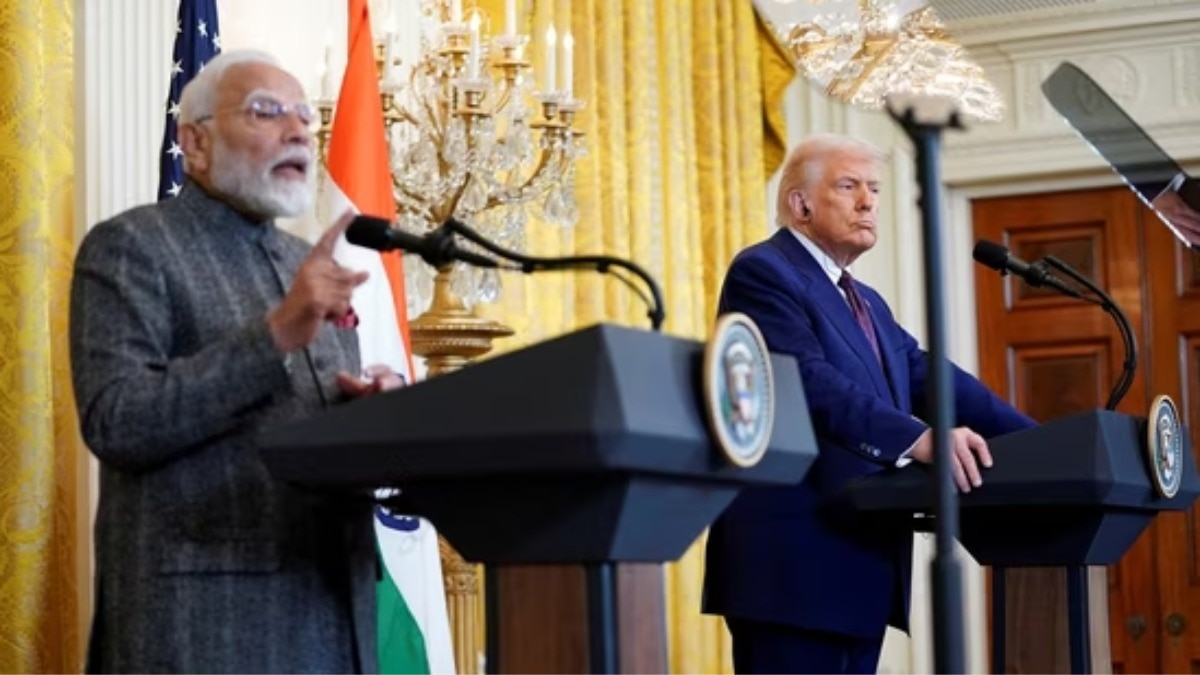
But, okay, India is totally free to defy Trump. Something not even Netanyahu dares. We will know before long the good and bad out of this tussle between Modi and Trump. My guess is that Trump can punish India more than vice versa--far more.
Will see it—anyway, just to clarify it more.
Pakistan: A Tactical Asset
The U.S. views Pakistan primarily through the lens of geopolitical access and military utility. It’s strategically located, bordering Afghanistan, Iran, and China. The U.S. often relies on Pakistan’s airspace and military bases for operations in Afghanistan or potentially against Iran. Historically, Pakistan has been more flexible and cooperative with U.S. military demands, often in exchange for:
Financial aid
Military support
Diplomatic backing
India: A Strategic Partner
India is important to the U.S. for economic and geopolitical reasons: A massive and growing market economy and A counterbalance to China’s influence in the Indo-Pacific However, the U.S. also knows:
India is firmly non-aligned and will not offer its airspace or military bases for U.S. strikes against third countries. India is unlikely to fight wars on behalf of the U.S., especially against China. The relationship is based more on technology, trade, and shared concerns about China, not on military dependence.
==================================================
The India-Pakistan conflict has nothing to do with the current U.S.-India trade tensions. Even if both countries fought, it wouldn’t serve U.S. interests. Each side would claim victory in its own way, but that’s unrelated to this new trade drama.
==================================================
The current trade issues between the U.S. and India are rooted in a trade imbalance and India’s refusal to spend billions on U.S. weapons and nuclear plant deals. Instead, India continues to buy oil from Russia, deepen ties with Iran, and pursue independent foreign policy decisions — which doesn’t align with U.S. expectations.




 ️
️


