China boosts naval firepower by adding YJ-20 hypersonic missiles to 7,500-ton destroyer fleet
Previously limited to the Type 055, the YJ-20 is now confirmed on the more numerous Type 052D destroyer.
Jul 30, 2026 11:23 AM EST
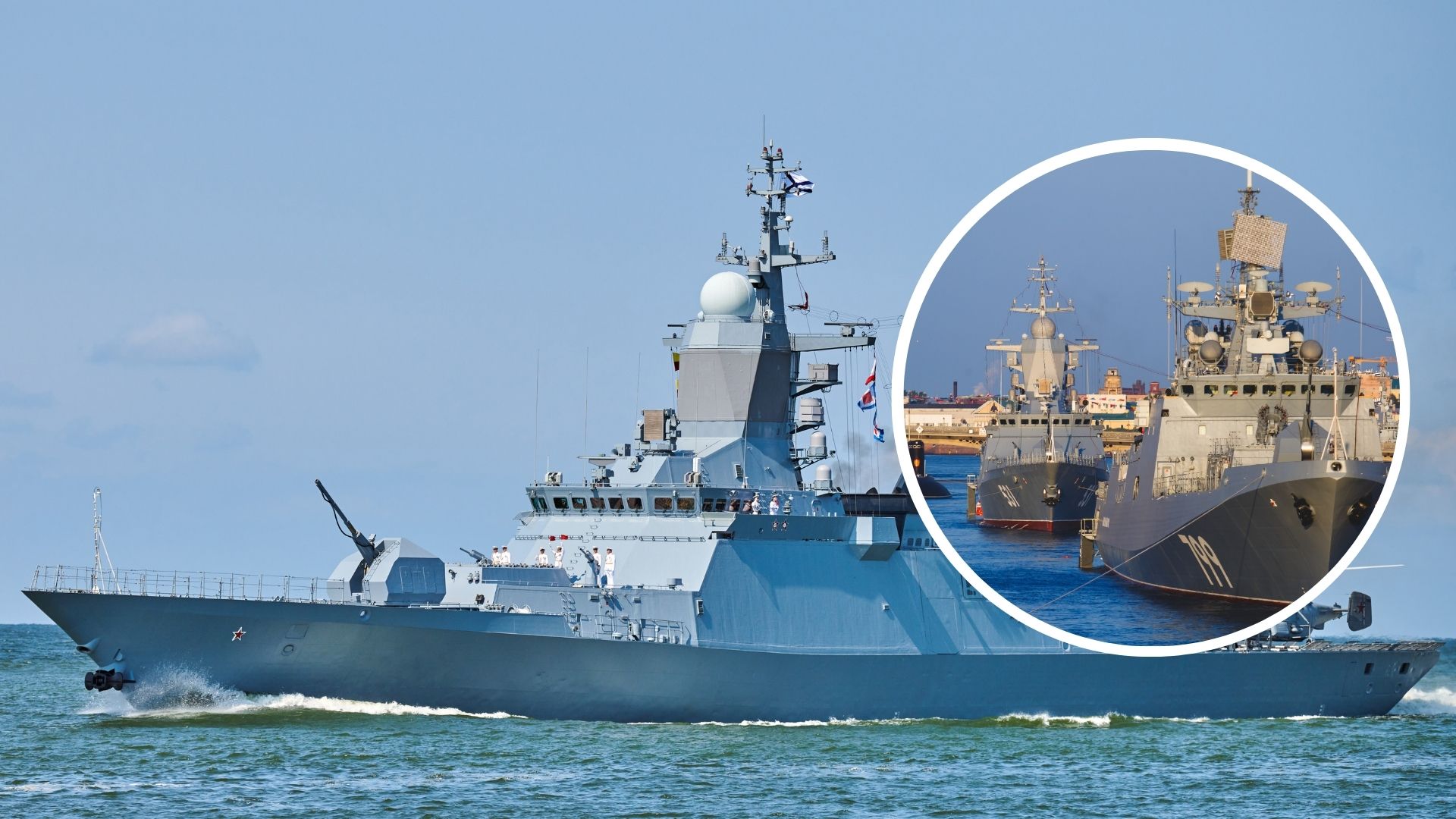
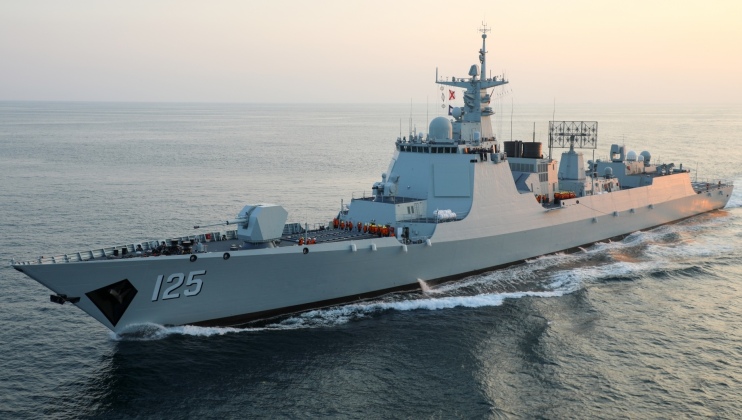
China operates about 35 Type 052D destroyers. (Representational image)
Travelarium/Nikolay
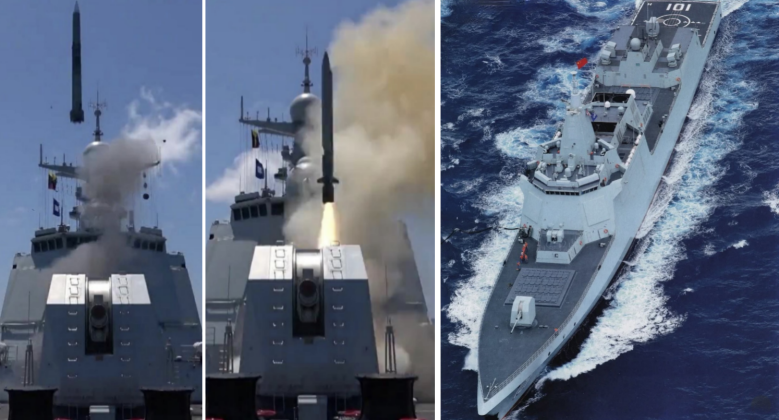
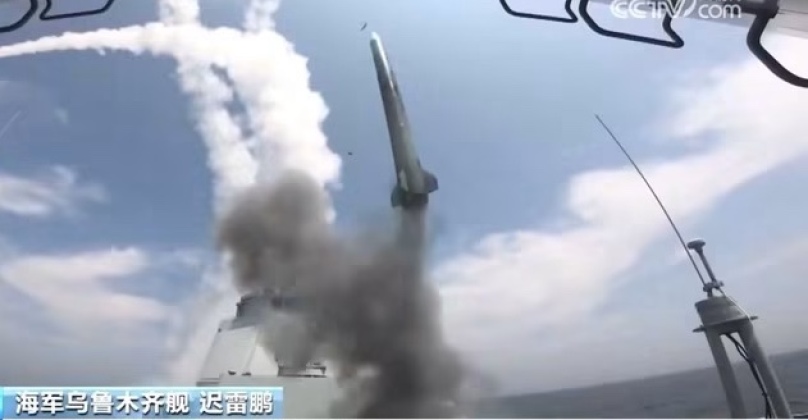
China has released the first official video showing an advanced destroyer launching its YJ-20 hypersonic anti-ship missile.
The move suggests Beijing is expanding its long-range strike capability across a much larger fleet instead of limiting it to a few advanced vessels.
China operates about 35 Type 052D destroyers, making the missile a more widespread threat in the Western Pacific.
Experts point out the development could make it harder for the US and its allies to track Chinese warships and protect aircraft carriers during a conflict.
Hypersonic fleet expansion
The YJ-20 is regarded as one of the most significant additions to China’s anti-ship missile arsenal because it greatly expands the striking power of the People’s Liberation Army Navy.
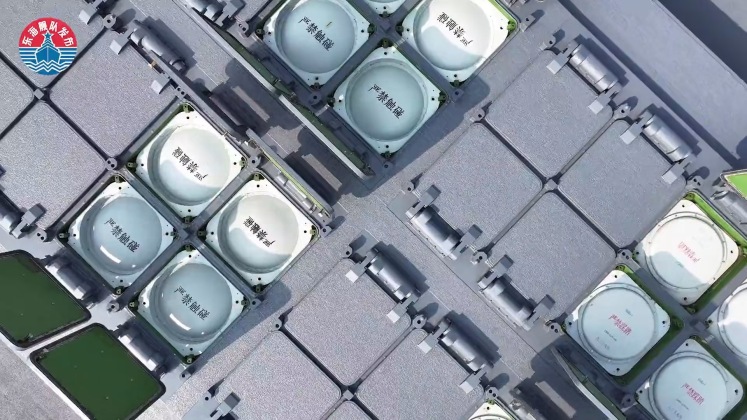
According to experts, its compact design allows it to fit inside the standard vertical launch cells used on modern Chinese destroyers, enabling more warships to carry the weapon without major modifications, reports Military Watch Magazine (MWM).
The
missile was previously seen only on the larger Type 055 destroyer, but the latest footage confirms it can also be launched from the more numerous Type 052D destroyer. Both
warship classes use the same universal vertical launch system and are equipped with missiles such as the HHQ-9 long-range surface-to-air missile, the YJ-18 anti-ship cruise missile, and the YJ-100 land-attack cruise missile.
The YJ-20 reportedly has a range of 930 to 1,240 miles (1,500 to 2,000 kilometers). It is said to cruise at speeds above Mach 6 and accelerate to around Mach 10 during its final approach, making it one of the fastest ship-launched anti-ship missiles in service.
According to
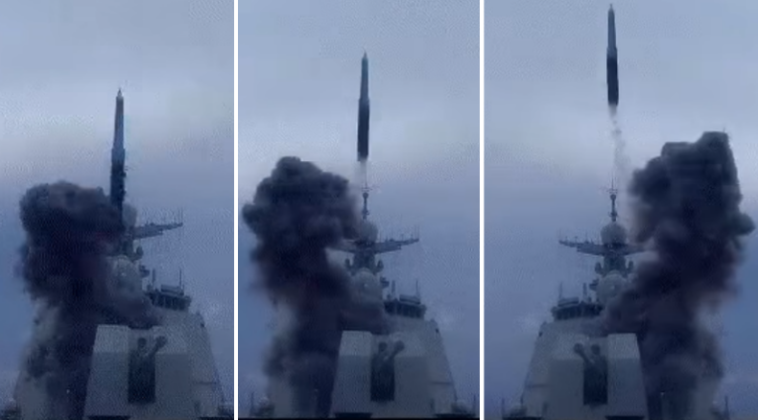
MWM, the YJ-20 uses a cold-launch system because of its large size. Compressed gas ejects the missile from its vertical launch cell before its main engine ignites above the ship. This method reduces heat and stress on the launch system while enabling larger missiles to be safely fired from standard vertical launch cells.
China extends reach
The latest footage suggests China is expanding the YJ-20 hypersonic anti-ship missile beyond its largest Type 055 destroyers to the more numerous Type 052D class, increasing the number of warships that could carry the weapon. Analysts say this strengthens Beijing’s anti-access and area-denial strategy by making it more difficult for rival navies to operate close to China’s coastline or Taiwan.
The Type 055
destroyer carries 112 universal vertical launch cells, while the smaller Type 052D uses the same compatible launch system, allowing both classes to fire many of the same missiles. The YJ-20 is designed to fit these standard launch cells without requiring external launchers, making it easier to deploy across a larger fleet, reports
Defense Security Asia.
According to the report, China currently operates about 35 Type 052D destroyers and 10 Type 055 destroyers, providing more than 40 potential launch platforms for the missile. However, the newly released footage confirms integration only on at least one Type 052D, not across the entire fleet.
Experts say even limited deployment complicates military planning for potential adversaries, as they must determine which ships carry the missile and track them across wide areas. Chinese authorities have not disclosed how many YJ-20 missiles have entered service or how widely they have been deployed.
China's Type 052D destroyer launches the YJ-20 hypersonic missile, signaling a wider naval strike capability in the Pacific.

interestingengineering.com


 Morning Overview