
PK781
Trusted Member


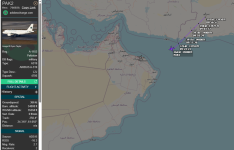
It's a dangerous build up , if there's no compromise reached in the next 48 hours it will be Armageddon.
Are you talking Armageddon for iran or entire mideast?
I seriously hope it doesn't come to that.
Follow along with the video below to see how to install our site as a web app on your home screen.
Note: This feature may not be available in some browsers.
It's a dangerous build up , if there's no compromise reached in the next 48 hours it will be Armageddon.
Guys just want to bring to your attention that was tuned into BBC World Service - speaking to head of Aramco - for the first time a Saudi used the words "We have a security pact with USA and with Pakistan" "this can be activated", "but for now, we have agreed to focus on a defensive posture and focus on stabalising energy markets".


 www.facebook.com
It is extremely unwise to underestimate the juggernaut that is the US war machine. Emotions can run high, but respect, even if begrudging, for the capability of the parties at war is important. So long as the engagement does not involve close quarter combat Iran is at a tremendous disadvantage. Closing the strait of hormuz may well be an attempt to force that situation in some capacity. Iran's appetite for a long term toe to toe war is likely exponentially greater than the US because fundamentally, this isnt really the war of the US people.Their logistics capability is incredible.


Agreed! Should have never started in the first place. I wish against all wishes that this war would end nowIts not going to end anytime soon, and not in the way many people are thinking. The region and the world will never be the same.

damn bombing 160 children is freedom huh . also to believe the country who has never brought peace and prosperty to any country it attacks will do the same is just next level delusion .Googoosh: Iran’s Freedom Is Within Reach
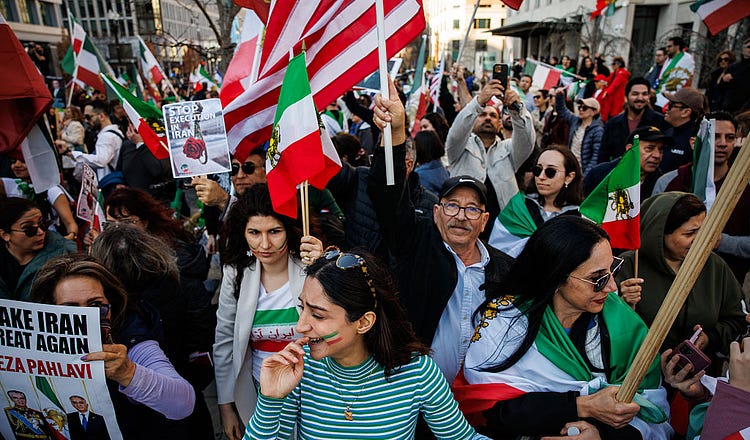
Demonstrators hold a rally in support of regime change in Iran near the White House on March 7, 2026. (Samuel Corum via Getty Images)
The Iranian singer outlines what a secular, democratic Iran could look like after decades of repression.
By Googoosh
03.11.26 —International
Nearly 47 years ago, Iran became the Islamic Republic. I was in New York City when the shah’s reign collapsed, clearing the way for Ruhollah Khomeini to return from exile to dismantle the old world. My loved ones begged me not to go back to Iran. As Googoosh, a 28-year-old pop star, I was a walking symbol of everything the new regime despised. But I chose the risk of a quick death at home over fading away in a foreign land. I wasn’t killed. I was silenced.
After going back, I remained in Iran for 21 years, banished from the stage while sharia law reshaped our society and reduced women to half citizens. I watched my country bleed through eight years of war with Iraq. I finally left in 2000 to reclaim my voice, but my heart remained. For all these years, I have watched helplessly from thousands of miles away as those who claimed to speak for God slowly destroyed the country I love. Now, this regime seems to be gasping for its last breaths.
For far too long, the Iranian people have been trapped in a cage. But freedom is finally within reach. On December 28, 2025, Iranians again took to the streets, unflinching under the glare of the regime’s cold gun barrels. What began as protests over a collapsing currency quickly became a unified cry for the end of the Islamic Republic. They defiantly shouted, “Free Iran!” while facing live bullets. Then the internet was cut off, and the massacre began.
Read
How Iran’s Biggest Pop Star Was Imprisoned, Silenced, and Then Escaped
On January 8 and 9 alone, the regime slaughtered over 36,500 of our people, including infants—though many Iranians believe the true death toll is far higher. Thousands were later arrested, many of whom were killed in the shadows. The regime even hunted the wounded, executing them in their hospital beds. The truth is, the regime is terrified of its own citizens. They are right to be.
We are a resilient people. We have guarded our Persian language and held on to our pre-Islamic traditions, like Nowruz—the Persian new year—through centuries of foreign rule. And this is the unbreakable spirit that the regime has tried to crush, deploying military-grade weapons and foreign mercenaries in an attempt to crush the spirit of a nation that refuses to die.
As U.S. and Israeli air strikes target the regime’s repressive infrastructure, I feel a familiar ache. I know what war looks like. I have lived through the rain of rockets. I have stood beside terrified mothers and children with nowhere to hide, huddled under a sky torn apart by missiles. My heart is with them again, even though I am thousands of miles away, praying that all innocent lives are spared from fires that the regime has spent decades provoking.
Despite its warmongering, Iran’s leaders built no shelters—creating only human shields—and blinded the population with an internet blackout. Civilians aren’t protected; instead, they are shot at by security forces on the faintest suspicion of opposition. Even as foreign missiles fall, the people know their true enemy sits in Tehran. When the time comes, I have no doubt that Iranians will reclaim the streets and the country, and cast the Islamic Republic and its death cult into the dustbin of history.
The glare of gun barrels will be replaced with the sanctity of the ballot box.
When that happens, it will not just be the end of a nightmare. It will be the beginning of a healthy, secular democracy. Under the transitional leadership of Prince Reza Pahlavi, the son of the late shah, whose name was called en masse in the streets of Iran, the country will move toward free elections, where the people’s vote will decide the preferred political system and leadership.
The glare of gun barrels will be replaced with the sanctity of the ballot box. Security forces will exist to protect citizens, not ideology. There will be guaranteed freedom of speech, ensuring that executions in the shadows and fabricated charges of espionage for those who dare speak out are gone forever.
The silence that defined life for more than three generations will be shattered. Sharia, which clipped the wings of artists and restricted the rights of women, will be replaced by a secular constitution that includes gender equality and freedom of religion. Singing and dancing will no longer be crimes. The country that inspired Rumi and Hafez will again cherish its artists. We will see a thriving cultural renaissance where women record, perform, and lead, and where universities prioritize inquiry over censorship. The “brain drain” that tore families apart will reverse as our talented youth return to build a society grounded in creativity and intellectual liberty.
The Islamic Republic chose “Death to America” and “Death to Israel” while hospitals crumbled and rivers dried. Billions were spent on foreign proxies while our people went hungry. In a healthy democracy, Iran will choose welfare over war.
Oil wealth will be funneled into modern hospitals, world-class schools, and infrastructure, rather than missiles. Instead of shutting down the internet, a democratic government will invest in the technology of the future, connecting Iranians to the global economy. Our taps will once more run with water, wetlands will be restored, and rolling blackouts will become the distant memory of a dark age. The next generation of Iranians will have the chance to be young—growing up in a stable country where they can use their talents to build a future instead of just trying to survive.
The fall of this regime will mean the return of the Iran we lost—and hopefully, the birth of an even better one. An Iran that is a partner to the world, not a pariah in it. It will mean finally looking into the eyes of my compatriots on Iranian soil and celebrating our long-sought freedom while honoring thousands upon thousands of our fallen—people like Neda Agha-Soltan, Mahsa Amini, and 2-year-old Ali Mohammad Sadeghi.
Long live Iran.
 www.facebook.com
Love the authors spirit of hope and optimism. But I have become too jaded with all these wars. Milk and honey are not flowing from Iraq, Afghanistan and Libya.Googoosh: Iran’s Freedom Is Within Reach
Demonstrators hold a rally in support of regime change in Iran near the White House on March 7, 2026. (Samuel Corum via Getty Images)
The Iranian singer outlines what a secular, democratic Iran could look like after decades of repression.
By Googoosh
03.11.26 —International
Nearly 47 years ago, Iran became the Islamic Republic. I was in New York City when the shah’s reign collapsed, clearing the way for Ruhollah Khomeini to return from exile to dismantle the old world. My loved ones begged me not to go back to Iran. As Googoosh, a 28-year-old pop star, I was a walking symbol of everything the new regime despised. But I chose the risk of a quick death at home over fading away in a foreign land. I wasn’t killed. I was silenced.
After going back, I remained in Iran for 21 years, banished from the stage while sharia law reshaped our society and reduced women to half citizens. I watched my country bleed through eight years of war with Iraq. I finally left in 2000 to reclaim my voice, but my heart remained. For all these years, I have watched helplessly from thousands of miles away as those who claimed to speak for God slowly destroyed the country I love. Now, this regime seems to be gasping for its last breaths.
For far too long, the Iranian people have been trapped in a cage. But freedom is finally within reach. On December 28, 2025, Iranians again took to the streets, unflinching under the glare of the regime’s cold gun barrels. What began as protests over a collapsing currency quickly became a unified cry for the end of the Islamic Republic. They defiantly shouted, “Free Iran!” while facing live bullets. Then the internet was cut off, and the massacre began.
Read
How Iran’s Biggest Pop Star Was Imprisoned, Silenced, and Then Escaped
On January 8 and 9 alone, the regime slaughtered over 36,500 of our people, including infants—though many Iranians believe the true death toll is far higher. Thousands were later arrested, many of whom were killed in the shadows. The regime even hunted the wounded, executing them in their hospital beds. The truth is, the regime is terrified of its own citizens. They are right to be.
We are a resilient people. We have guarded our Persian language and held on to our pre-Islamic traditions, like Nowruz—the Persian new year—through centuries of foreign rule. And this is the unbreakable spirit that the regime has tried to crush, deploying military-grade weapons and foreign mercenaries in an attempt to crush the spirit of a nation that refuses to die.
As U.S. and Israeli air strikes target the regime’s repressive infrastructure, I feel a familiar ache. I know what war looks like. I have lived through the rain of rockets. I have stood beside terrified mothers and children with nowhere to hide, huddled under a sky torn apart by missiles. My heart is with them again, even though I am thousands of miles away, praying that all innocent lives are spared from fires that the regime has spent decades provoking.
Despite its warmongering, Iran’s leaders built no shelters—creating only human shields—and blinded the population with an internet blackout. Civilians aren’t protected; instead, they are shot at by security forces on the faintest suspicion of opposition. Even as foreign missiles fall, the people know their true enemy sits in Tehran. When the time comes, I have no doubt that Iranians will reclaim the streets and the country, and cast the Islamic Republic and its death cult into the dustbin of history.
The glare of gun barrels will be replaced with the sanctity of the ballot box.
When that happens, it will not just be the end of a nightmare. It will be the beginning of a healthy, secular democracy. Under the transitional leadership of Prince Reza Pahlavi, the son of the late shah, whose name was called en masse in the streets of Iran, the country will move toward free elections, where the people’s vote will decide the preferred political system and leadership.
The glare of gun barrels will be replaced with the sanctity of the ballot box. Security forces will exist to protect citizens, not ideology. There will be guaranteed freedom of speech, ensuring that executions in the shadows and fabricated charges of espionage for those who dare speak out are gone forever.
The silence that defined life for more than three generations will be shattered. Sharia, which clipped the wings of artists and restricted the rights of women, will be replaced by a secular constitution that includes gender equality and freedom of religion. Singing and dancing will no longer be crimes. The country that inspired Rumi and Hafez will again cherish its artists. We will see a thriving cultural renaissance where women record, perform, and lead, and where universities prioritize inquiry over censorship. The “brain drain” that tore families apart will reverse as our talented youth return to build a society grounded in creativity and intellectual liberty.
The Islamic Republic chose “Death to America” and “Death to Israel” while hospitals crumbled and rivers dried. Billions were spent on foreign proxies while our people went hungry. In a healthy democracy, Iran will choose welfare over war.
Oil wealth will be funneled into modern hospitals, world-class schools, and infrastructure, rather than missiles. Instead of shutting down the internet, a democratic government will invest in the technology of the future, connecting Iranians to the global economy. Our taps will once more run with water, wetlands will be restored, and rolling blackouts will become the distant memory of a dark age. The next generation of Iranians will have the chance to be young—growing up in a stable country where they can use their talents to build a future instead of just trying to survive.
The fall of this regime will mean the return of the Iran we lost—and hopefully, the birth of an even better one. An Iran that is a partner to the world, not a pariah in it. It will mean finally looking into the eyes of my compatriots on Iranian soil and celebrating our long-sought freedom while honoring thousands upon thousands of our fallen—people like Neda Agha-Soltan, Mahsa Amini, and 2-year-old Ali Mohammad Sadeghi.
Long live Iran.
How did one Israeli writer put it a day or two back?Love the authors spirit of hope and optimism. But I have become too jaded with all these wars. Milk and honey are not flowing from Iraq, Afghanistan and Libya.

Has a solution been found? Or is opening threads still risk a deletion? I was interested in opening that particular military thread in the pak strategic sectionI am not sure who this moderator is who is doing this to multiple threads. I will speak to you in DM and will have a word with admin about it and get back to you.
" Projecting our own motivations onto others" ....this is what this shmuck of a writer and Israel as a nation is doing.....revel in your glory till the sunset and sunset is not too far into the futureHow did one Israeli writer put it a day or two back?
...Projecting our own motivations onto others—without taking the time to understand their worldview, goals, and ideology—is naïve at best. Often, it reflects arrogance. Worst of all, it leads to deadly miscalculations.
In Hebrew, there is a saying: “A person is shaped by the landscape of the place he comes from.”
The Middle Eastern mindset was shaped long before Islam, from the experiences of desert tribal life. The Western mindset emerged from the fusion of Jerusalem and Athens: biblical morality, justice, democracy, individual responsibility, and the pursuit of knowledge.
Two very different psychological frameworks.
The sands of the desert shift constantly, and yet the desert itself remains unchanged.
How can those focused on the here and now fully grasp a worldview built around eternity?
The people of the desert outwardly resemble people of the here and now—urban professionals with nice cars, Instagram accounts, and TikTok videos. That surface similarity tempts outsiders to assume that the internal motivations are the same.
They are not.
And today, in societies where many have attempted to replace God with secular ideologies—capitalism, communism, progressivism—the mindset of the desert people doesn’t register.
Without understanding that mindset, it becomes extraordinarily difficult to navigate the region—much less to win a war.
Israeli Jews knew it would be necessary to go back to Iran to finish the job. Israeli Arabs are still talking about their desire to stop the war to attain “quiet”.
But quiet is not victory. In the Middle East, quiet is the time to prepare for the next war.
To survive a conflict, you must understand what the fight is truly about. If you do not understand what your enemy actually believes and desires, you cannot defeat him. And if you try to build peace on comforting assumptions instead of reality, you will only guarantee the next war.
Discuss this on my wall please brother. I will speak to Admin later; I have been busy with RL work in between.Has a solution been found? Or is opening threads still risk a deletion? I was interested in opening that particular military thread in the pak strategic section
Will do, forgot about that feature, take your timeDiscuss this on my wall please brother. I will speak to Admin later; I have been busy with RL work in between.


