M. Sarmad
THINK TANK: CONSULTANT

I watch all the available BBC media and scrutinise it rigorously. I have seen this clip also. I observe the quiet "updates" made to reports an hour after release, 2 hours after release, a day after release, all in order to keep the most important "stakeholders" happy. I watch this process unfold live in front of my eyes.
In the past, I would document such changes rigorously and write pages of text to their complaints departments demanding equivalent treatment in line with the law and internationally accepted definitions.
I could happily bore you to death with the blatant discrepancies and double standards deployed by the BBC editorial team when it comes to Pakistan.
That is mostly off topic and beyond the scope of this thread.
Nevertheless, this "reporting ecosystem" all does contribute to the defining journalistic standards of a media organisation. These tend to be the reasons why we trust certain media as truly impartial while we question other media. To be more specific, we assume a "default starting point" for a given media house along the available narrative spectrum and if that media house deviates from that starting point, we can infer the reasons that might explain said deviation.
My observations hitherto have placed BBC and AJ at a very similar default starting position regarding Pakistani interests, both influenced by a clandestine Delhi centric influence, to varying degrees.
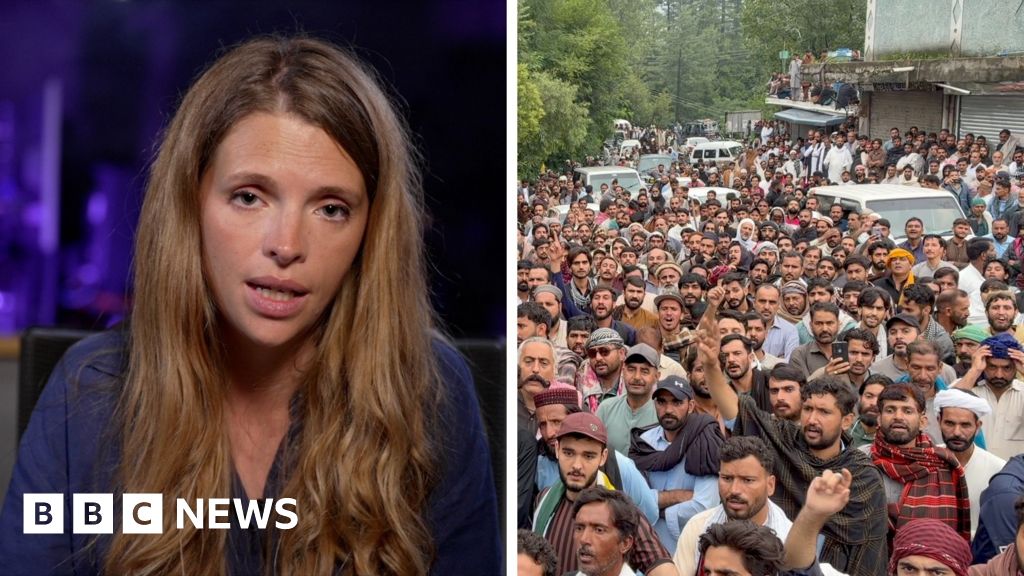
How are perceptions modified by media? Well.....The specific content of any report matters but the headline also matters, the wording matters, the thumbnail matters, the look on the face of the reporter in the screen grab matters, the very fact that this is being reported at all as some ghastly headline news in the South Asia section also matters. Why is this reported and other episodes around the world and in our neighbourhood summarily ignored?
Which brings me neatly back to a comment I made to @Owaiz on a different thread -
Truth in journalism is not solely the reporting of the truth of any matter, but must encompass reporting of the WHOLE truth, reporting of NOTHING BUT THE truth, and a concerted REFUSAL TO OMIT other relevant truths pertinent to said matter. And that's all assuming that these various components of truth are free from bias or manipulation in the first place.
BBC and AJ fail this standard. Caroline Davies is a great example of why.
I can certainly name you more trustworthy journalists, whose opinion, even while wearing a BBC lanyard, I would sooner trust. If the ever sceptical (and cynical to a fault!) Jeremy Bowen were deployed to south Asia, free from hindustani editorial "oversight" I assure you, BBC's reputation would improve overnight in my eyes at least.
I agree with most of that, and I have no illusions about the BBC or AJ or any other international media house for that matter being impartial on Pakistan..... They all carry a slant and bias against us....
But that is not the point here..... A biased outlet can still report a true thing, and bias does not make the dead alive (or vice versa) or switch the blackout back on...
Things in AJK are bad...... We mishandled it badly, and that is exactly what handed the fuel to every anti Pakistan detractor out there..... They did not manufacture this..... We fed it to them.
Fix the house first...... Shooting the messenger changes nothing while the thing being reported is real.