
F-22Raptor
Elite Member

- Thread starter
- #676
Follow along with the video below to see how to install our site as a web app on your home screen.
Note: This feature may not be available in some browsers.


Probably.Riiiiight "telescope" with likely another package from NRO.

 orbitalradar.com
 arstechnica.com
I have learned my lesson of selling stocks out of panic, i will wait until it goes up again... i don't have a lot but if the price goes up i would be able to pay of some small debts which will be a good win.

 europeanspaceflight.com

I secure some more, i am not selling for now but waiting for a day when and if it hit 200 or more, I did put some money in Charter communication and that took a dive, i regret not buying 10 or so Nvidia when i had the chance, i only bought 1 @ 101$ per share, now it sits at 210 or so. I am hopping SpaceX shoots up good, at least enough so i can pay off 1-2 of my debts.Well SpaceX's Starlink is doing so well they are turning away customers and keeping up the Starlink satellite launches.
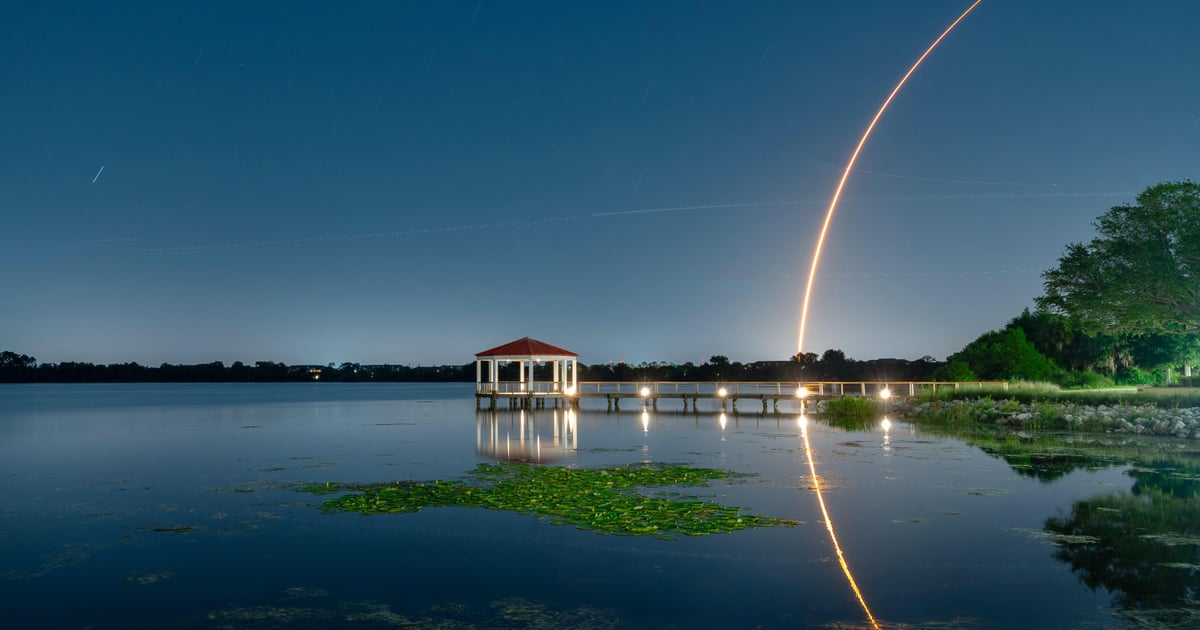
Avio CEO Reports Influx of Customers Turned Away by SpaceX - European Spaceflight
Avio CEO Giulio Ranzo says the company is seeing an increase in customers turned away by SpaceX and looking for alternative launch options.Avio CEO Reports Influx of Customers Turned Away by SpaceX
Italian launch services provider Avio has seen an influx of customers who were unable to secure launch opportunities with SpaceX, according to CEO Giulio Ranzo.
“I can tell you SpaceX has already gone captive because we have a whole bunch of customers coming to us and saying, oh my God, can you fly us?” Ranzo said during the company’s 10 September earnings call.
Reports in June and July suggested the company was no longer accepting some future Falcon 9 rideshare reservations and had begun turning away customers seeking dedicated launches beyond 2028. SpaceX itself also acknowledged the possibility in a June securities filing, warning that it “may prioritize our own launch payloads over additional U.S. government contracts or third-party customers.” That shift now appears to be taking effect, with Space Intel Report’s Peter de Selding reporting this week that SpaceX had told multiple prospective customers that it was no longer accepting new orders for commercial Falcon 9 launches.
I secure some more, i am not selling for now but waiting for a day when and if it hit 200 or more, I did put some money in Charter communication and that took a dive, i regret not buying 10 or so Nvidia when i had the chance, i only bought 1 @ 101$ per share, now it sits at 210 or so. I am hopping SpaceX shoots up good, at least enough so i can pay off 1-2 of my debts.
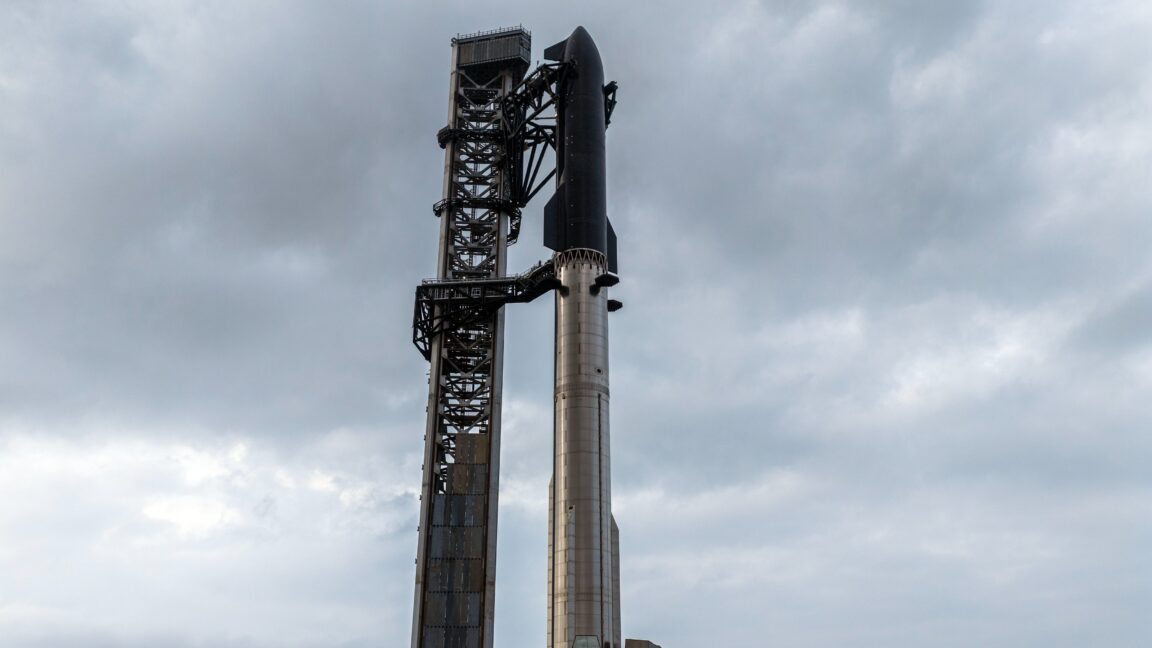
SpaceX declares Starship ready for orbit, sets launch date next week
Reaching orbit would mark a significant milestone.SpaceX declares Starship ready for orbit, sets launch date next week
Pending regulatory approval, SpaceX said today it intends to launch its 14th Starship mission as early as September 22. This flight is notable, as it will be the first time that SpaceX attempts to launch the experimental vehicle into orbit.
The company set a target liftoff time of 7:15 am local in Texas (12:15 UTC), with a 75-minute launch window. Sunrise in Brownsville, Texas, is 7:17 am CT, so the launch could make for some striking imagery.
The super heavy lift rocket will be carrying 26 of the larger V3 Starlink satellites into an orbit 275 km above the Earth. In an update on its website, SpaceX said the Starship upper stage will seek to complete six orbits around the Earth before completing its mission after about 10 hours.
Reaching orbit would mark a significant milestone in the company’s Starship development campaign, which conducted its first test flight on April 20, 2023, and has since made progress in fits and starts. With the upcoming mission, SpaceX continues to make modifications to the Starship vehicle as it seeks to improve the third iteration of the Super Heavy booster and Starship upper stage. After recent successes, the company appears to be closer to developing a fully reusable, super heavy lift rocket.
First-stage modifications
During the most recent Starship test flight on July 24, the vehicle’s first stage performed nominally during ascent. However, after a successful boostback burn, the vehicle experienced problems during the return through Earth’s atmosphere.
“In the terminal phase of the burn, the three center [V3] engines showed signs of ice clogging, which triggered an early end to the maneuver,” SpaceX said in its update on Tuesday. “The booster went on to attempt a landing burn, with 8 of the 13 planned engines reigniting before the booster made a hard splashdown in the Gulf. The Super Heavy on this upcoming flight has hardware modifications to improve filtering to the engines and software changes to enhance relight reliability.”
Accordingly, this first stage will not attempt to return to the launch site. Rather, it will attempt to make a controlled landing in the Gulf of Mexico. If successful, this could set up a first-stage catch on the subsequent flight of Starship.
Second stage will again be ocean-bound
During the upcoming test flight, the upper stage will attempt to reach orbit for the first time and deploy operational payloads. These Starlink satellites, significantly more capable than V2 mini Starlink satellites launched on a Falcon 9 mission, will then use onboard propulsion to raise their orbits.
Despite a largely successful ocean landing of the Starship upper stage during the July test flight, this mission will not attempt a return of the upper stage to the launch site in Texas. Instead, SpaceX plans to gather more data about heat shield performance. The company said it had made several upgrades since the mission two months ago, based on data gleaned from the vehicle both in flight and once recovered in the Indian Ocean, largely intact.
“[The upgrades] include additional retention mechanisms added to tiles in areas deemed to be at highest risk of falling off during ascent, addressing recently discovered areas that offer flow paths behind tiles for plasma, and flying multiple areas with a curved tile design that has shown the ability to reduce heating in the gaps between tiles,” the company said.
Additionally, two tiles recovered from Ship 40 are planned to be reflown on Ship 41, marking the first tile reuse for Starship.


