hydrabadi_arab
SpeedLimited

Bangladesh Looks to Pakistan as Alternative to India for $6 Billion Medical Tourism Market
Dhaka seeks easier visas, better connectivity and access to Pakistani hospitals.
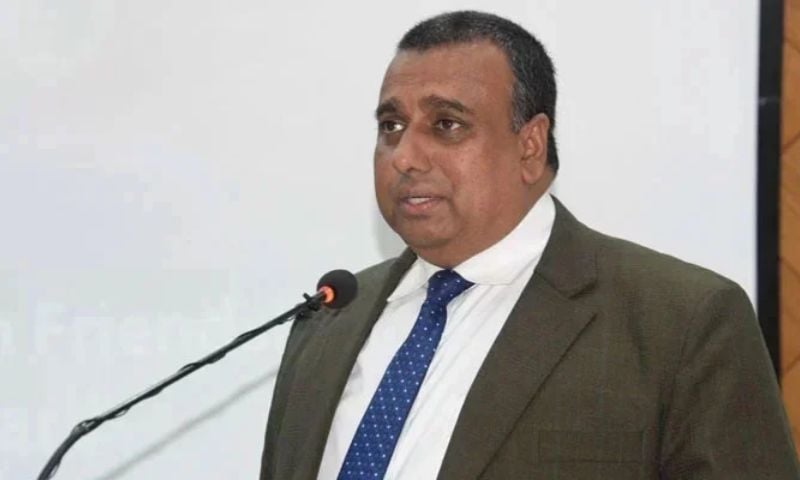
ISLAMABAD: Bangladesh is considering Pakistan as an alternative destination for patients who traditionally travel to India for medical treatment, with nearly 800,000 Bangladeshis spending more than $6 billion abroad on healthcare each year, officials said.
The development comes as Islamabad and Dhaka seek to strengthen bilateral ties and broaden cooperation in various fields following a shift in Bangladesh’s political landscape in 2024 that affected its traditionally close relations with New Delhi.
Bangladesh High Commissioner to Pakistan Md Iqbal Hussain Khan shared details of Bangladesh’s outbound medical market during a high-level meeting with Federal Health Secretary Muhammad Aslam Ghauri and Muhammad Arshad Qaim Khani, Chief Executive Officer of the Prime Minister’s Sehat Card Programme and chairman of Pakistan’s National Health Tourism Working Group.
The Bangladeshi envoy highlighted the potential for Pakistani healthcare providers to cater to patients seeking affordable and quality treatment outside their country. The delegation sought assistance in facilitating medical visas, improving air connectivity and developing mechanisms through which Bangladeshi patients could identify suitable healthcare facilities in Pakistan.
India has traditionally been a preferred destination for Bangladeshi medical tourists because of its geographical proximity, relatively affordable treatment and established links between hospitals and patients.
However, strained relations between Dhaka and New Delhi following the ouster of former prime minister Sheikh Hasina in August 2024, coupled with disruptions to Indian visa services, have affected medical travel and created an opportunity for other destinations.
The Pakistani health secretary assured the Bangladeshi high commissioner that the government would extend full cooperation and coordinate with relevant institutions to address obstacles faced by Bangladeshi patients travelling to Pakistan for treatment.
The two sides also agreed to accelerate work on a proposed Pakistan-Bangladesh Health Cooperation Memorandum of Understanding (MoU). The agreement is intended to provide an institutional framework for cooperation in healthcare, health tourism and universal health coverage.
Pakistan proposed promoting its leading hospitals and specialised healthcare facilities in Bangladesh to increase awareness among potential patients. It also suggested establishing a dedicated patient facilitation and grievance-redressal mechanism to assist Bangladeshi patients before, during and after their treatment in Pakistan.
As part of the proposed strategy, Pakistan plans to organise healthcare roadshows in Bangladesh to showcase its hospitals, specialised treatment facilities and medical expertise.
The initiative would also seek to establish direct links between Pakistani healthcare providers and Bangladeshi patients, medical facilitators and other stakeholders.
Qaim Khani said Bangladesh’s estimated 800,000 outbound medical patients and annual overseas healthcare expenditure of more than $6 billion represented a substantial opportunity for Pakistan.
He estimated that if Pakistan succeeded in attracting even 25 per cent of Bangladesh’s outbound patients, around 200,000 people could potentially travel to Pakistan for treatment, generating approximately $1.5 billion in medical tourism revenue.
He said Pakistan was developing a National Health Tourism Policy, Strategy and Roadmap under the government’s “Heal in Pakistan” initiative.
However, he stressed that attracting international patients would require improvements in several areas, including air connectivity, medical visa procedures, hospital accreditation, international marketing and patient facilitation.
Pakistan also offered to share its experience of the Prime Minister’s Sehat Card Programme with Bangladesh as part of broader health-sector cooperation.
Dr Zakiuddin Ahmed, a medical tourism expert and member of the National Health Tourism Working Group, said Pakistan had considerable potential to attract Bangladeshi patients as they explored alternatives for overseas treatment.
He said Pakistan possessed highly trained doctors, qualified specialists and hospitals capable of providing advanced medical care at comparatively lower costs.
However, he stressed that the country needed a well-organised international marketing strategy to compete effectively in the global medical tourism sector.
Efforts to promote Pakistan as a medical tourism destination were already under way through platforms such as Health Asia conferences, he added.
Drawing lessons from Türkiye’s experience, Dr Zakiuddin said medical expertise alone was insufficient to develop a successful medical tourism industry.
Easier medical visa procedures, improved international air links, internationally recognised hospital accreditation, effective marketing and sustained government support were equally important.
He said Bangladesh could emerge as a significant market for Pakistan if prospective patients were connected with accredited Pakistani hospitals through reliable and transparent facilitation mechanisms.
Bangladesh Looks To Pakistan As Alternative To India For $6 Billion Medical Tourism Market - WE News English
ISLAMABAD: Bangladesh is considering Pakistan as an alternative destination for patients who traditionally travel to India for medical treatment, with nearly
 wenewsenglish.com