China Auto Thread

China's NEV Market Share Nears 60%

Exports Surge 19.7% as Chinese Automakers Target Global Markets Amid Subsidy Reductions

By Jung Han-kook
Published 2026.01.10. 12:20
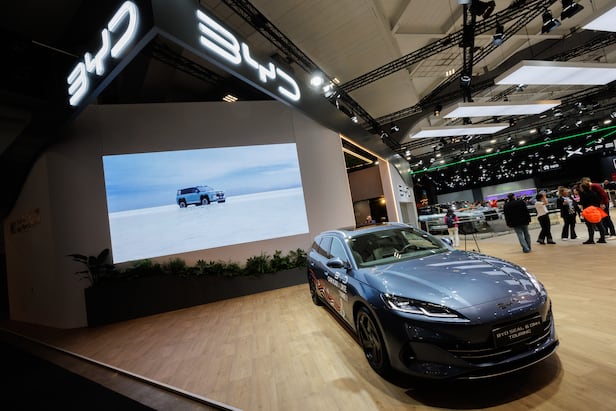
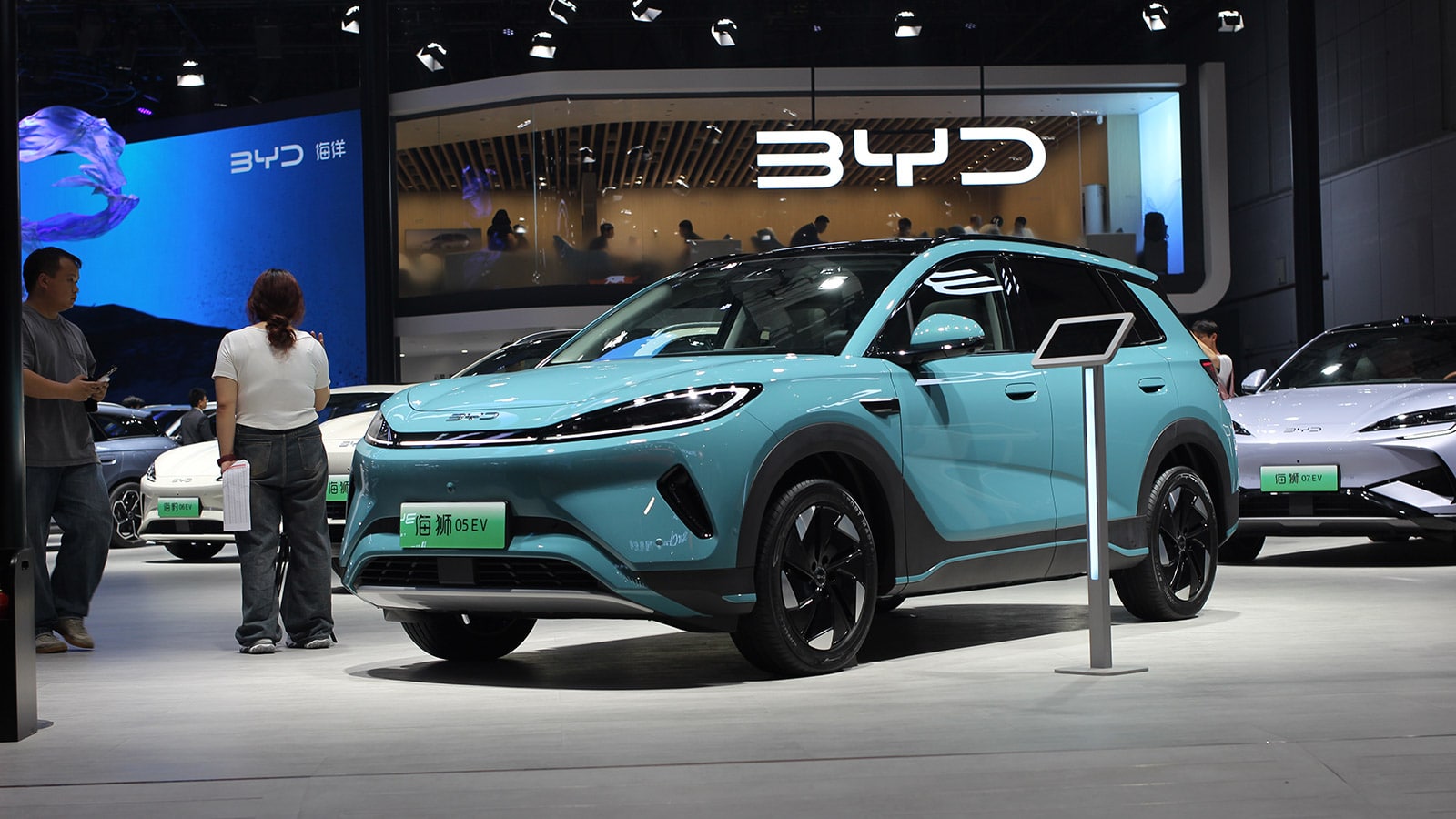
The BYD 'Build Your Dreams' SEAL 6 DM-i Touring car is on display during the Brussels Motor Show 2026 press day in Brussels, Belgium, on 9 January 2026. /EPA/OLIVIER MATTHYS


The BYD 'Build Your Dreams' SEAL 6 DM-i Touring car is on display during the Brussels Motor Show 2026 press day in Brussels, Belgium, on 9 January 2026. /EPA/OLIVIER MATTHYS
In 2025, sales of new energy vehicles (NEVs) in China, including electric vehicles and plug-in hybrids, reached 12,809,000 units, marking a 17.6% increase compared to the same period last year. Notably, NEVs accounted for 59.1% of total sales last month, nearly approaching 60%. On an annual basis, the proportion of NEVs stood at 54%.

According to provisional data released on the 9th by the China Passenger Car Association (CPCA), NEV sales in China for 2025 were more than 2.5 times the combined annual sales of the United States (approximately 1.8 million units) and Europe (approximately 3.3 million units).

In December, NEV sales in China amounted to 1,337,000 units, a 2.6% increase from the same month last year. Although the government ended its new energy vehicle purchase tax exemption policy, a form of electric vehicle subsidy, at the end of last year, purchases surged ahead of the policy’s expiration.

Exports of Chinese passenger vehicles in 2025 increased by 19.7% year-on-year to 5,739,000 units, with NEVs accounting for 46.4% of this total. While global automakers with production bases in China, such as Tesla, have seen rising exports, the data also reflects an intensified global offensive by Chinese electric vehicles. As the U.S. slows its transition to electric vehicles following policy shifts after the presidential election and Europe reduces subsidies, China appears to be widening the gap through aggressive price competitiveness and new model launches.

Chery Automobile (Chery) exported over 1 million units, followed by SAIC’s MG brand and BYD. Chinese automakers are expanding their export territories by strengthening efforts to target third markets such as Mexico, South America, the Middle East, Russia, and Southeast Asia.

According to CPCA’s confirmed sales data for January–November, the top 10 export destinations for Chinese vehicles were Mexico (90,212 units), Russia (61,881 units), the United Arab Emirates (53,114 units), and Brazil (29,231 units).


Singapore Motor Show 2026: Chinese electric vehicles take centre stage​

Jan 10, 2026

Electric vehicles from China are front and centre at one of Asia's biggest motor shows in Singapore.
Chinese carmakers are charging ahead of their European and American competitors, even as they deal with tariffs and geopolitical tensions.
To view this content we will need your consent to set third party cookies.
For more detailed information, see our cookies page.
 

BYD Just HUMBLED Tesla (This Will Change The Car Industry FOREVER…)​


To view this content we will need your consent to set third party cookies.
For more detailed information, see our cookies page.
 

EU and China are close to deal on electric cars, as Chinese EVs surge even with tariffs in Europe​

Fred Lambert | Jan 12 2026 - 6:31 am PT
EU-China-EV-deal.png

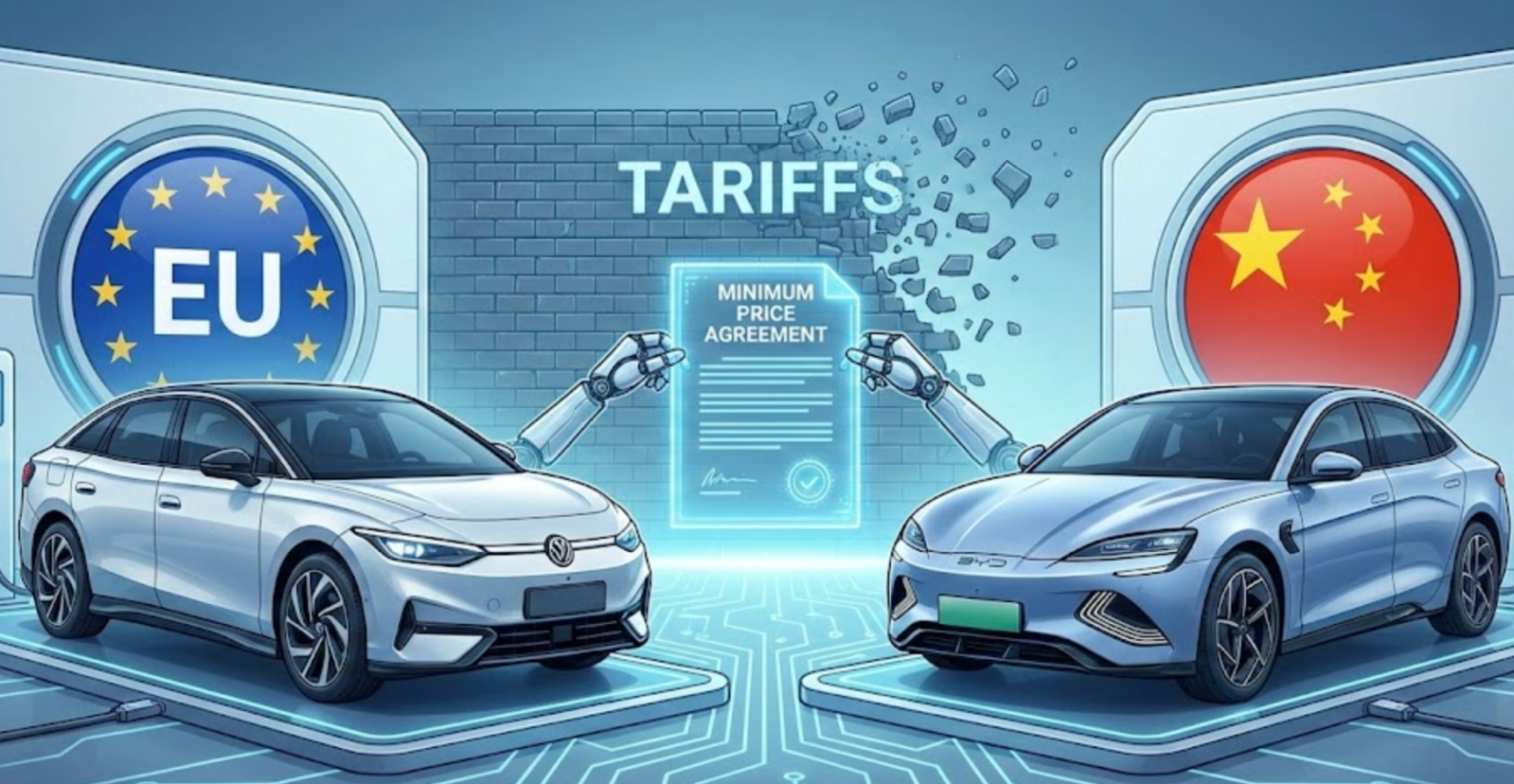
After months of back-and-forth and the looming threat of a full-blown trade war, the European Union and China are reportedly nearing a deal that would replace the EU’s controversial tariffs on Chinese electric vehicles with a minimum price undertaking.

It looks like sanity might prevail, or at least, a “soft landing.”

According to a new report from Associated Press, the European Commission and the Chinese government have agreed on a framework that allows Chinese automakers to avoid the punitive duties, which climbed as high as 35.3% for some manufacturers, by committing to a minimum import price for their EVs sold in Europe.

The European Commission published a guidance document on Monday detailing how these “price undertakings” will work. Essentially, instead of paying a tariff at the border, Chinese manufacturers like BYD, Geely, and SAIC can agree to sell their vehicles at or above a certain price floor. This floor is intended to offset the “unfair subsidies” that Brussels claims Beijing has been pouring into its domestic EV industry.

The report notes that the deal isn’t a blanket pass; each manufacturer has to submit its own offer, which the EU will assess individually. The criteria include ensuring the price is high enough to remove the “injurious effects” of subsidies and potentially detailing future investments within the EU.

China’s Ministry of Commerce seems pleased with the progress, calling it an “important breakthrough” that reflects a willingness to resolve differences through dialogue. This is a significant shift from the rhetoric we saw late last year when Beijing was threatening retaliatory tariffs on everything from European pork to brandy.

Furthermore, even with the tariffs on electric vehicles in place, Chinese automakers have been able to grow rapidly in Europe in 2025 and held over 10% of the market for several months during the second half of the year.

Some automakers are also not waiting for politics. For example, BYD is about to open its factory in Hungary, which is going to get around the tariffs or the possible new minimum pricing system.

Electrek’s Take​

This is the logical conclusion to a tariff war that wasn’t really going to help anyone in the long run.

As we’ve stated before, tariffs are rarely the answer when it comes to EV adoption. The goal should be to get as many electric vehicles on the road as possible to displace internal combustion engines. Artificially inflating the price of affordable EVs from China just to protect legacy European automakers, who, frankly, dragged their feet on electrification for way too long, hurts the consumer and the planet.

Also, if they aren’t competing with Chinese EVs in their home market, they are going to become less competitive on the global stage.

A minimum price undertaking is a slightly better compromise. It prevents “dumping” (if you believe that was happening to the extent claimed) but keeps the market open. More importantly, it might encourage Chinese automakers to simply build factories in Europe to avoid this whole mess entirely, something BYD is already doing.


China's EV exports to EU expected to grow 20% annually over next 3 years, says CPCA head​

Jan 13 2026
  • The outcome of China-EU negotiations — replacing high tariffs with price undertakings —has preserved core market access for Chinese EVs in the EU, Cui said.
  • During the initial implementation phase of the mechanism, some automakers may experience short-term sales fluctuations as they adjust product pricing and portfolios.

Cui Dongshu, secretary-general of the China Passenger Car Association (CPCA), projected that Chinese electric vehicle (EV) exports to the EU will maintain an average annual growth rate of about 20% between 2026 and 2028, despite potential short-term fluctuations.

This forecast follows the China-EU agreement on price undertakings to resolve their EV trade dispute. On Monday, China's Ministry of Commerce announced that both sides had agreed to provide Chinese exporters of battery electric vehicles (BEVs) to the EU with common guidance on price commitments.

The outcome of China-EU negotiations to replace high tariffs with price undertakings represents a significant pragmatic breakthrough for mutual benefit, preserving core market access for Chinese EVs in the EU, Cui said in a commentary published Monday.

Chinese brands have already captured over 10% of Europe's EV market share in 2025, with domestic automakers experiencing rapid growth in the EU, and this achievement will further solidify that momentum, he noted.

At the same time, price constraints will force automakers to move away from low-price competition, accelerating their transition toward premium positioning and localized production in Europe, according to Cui.

Cui believes that during the initial implementation phase of the price commitment mechanism, some automakers may experience short-term sales fluctuations as they adjust product pricing and portfolios.

As automakers adapt to the new rules, localized production capacity ramps up, and product competitiveness improves, their sales will gradually rebound, he said.

Cui emphasized that differentiation will become a key competitive factor for automakers in Europe. Examples include Nio Inc's (NYSE: NIO, HKG: 9866) battery swap model, BYD's (HKG: 1211, OTCMKTS: BYDDY) CTB (Cell to Body) technology, and Xpeng's (NYSE: XPEV, HKG: 9868) smart driving systems.

These Chinese automakers will attract EU consumers through unique technological and service advantages, moving beyond pure price competition to achieve a shift from "price advantage" to "value advantage," he said.

The price undertakings will replace the EU's previously imposed high anti-subsidy duties. In October 2024, the European Commission decided to implement additional tariffs for a five-year period, with rates ranging from 7.8% to 35.3% for different manufacturers, layered on top of a 10% base tariff.

China exported 2.07 million BEV models from January to November 2025, with 580,000 units — or 28% — destined for the EU, according to CPCA data.

During the same period, China exported 940,000 plug-in hybrid electric vehicles (PHEVs), with the EU accounting for 250,000 units, or 27%.


Xiaomi to top Tesla in China sales, Chairman Lei Jun says​

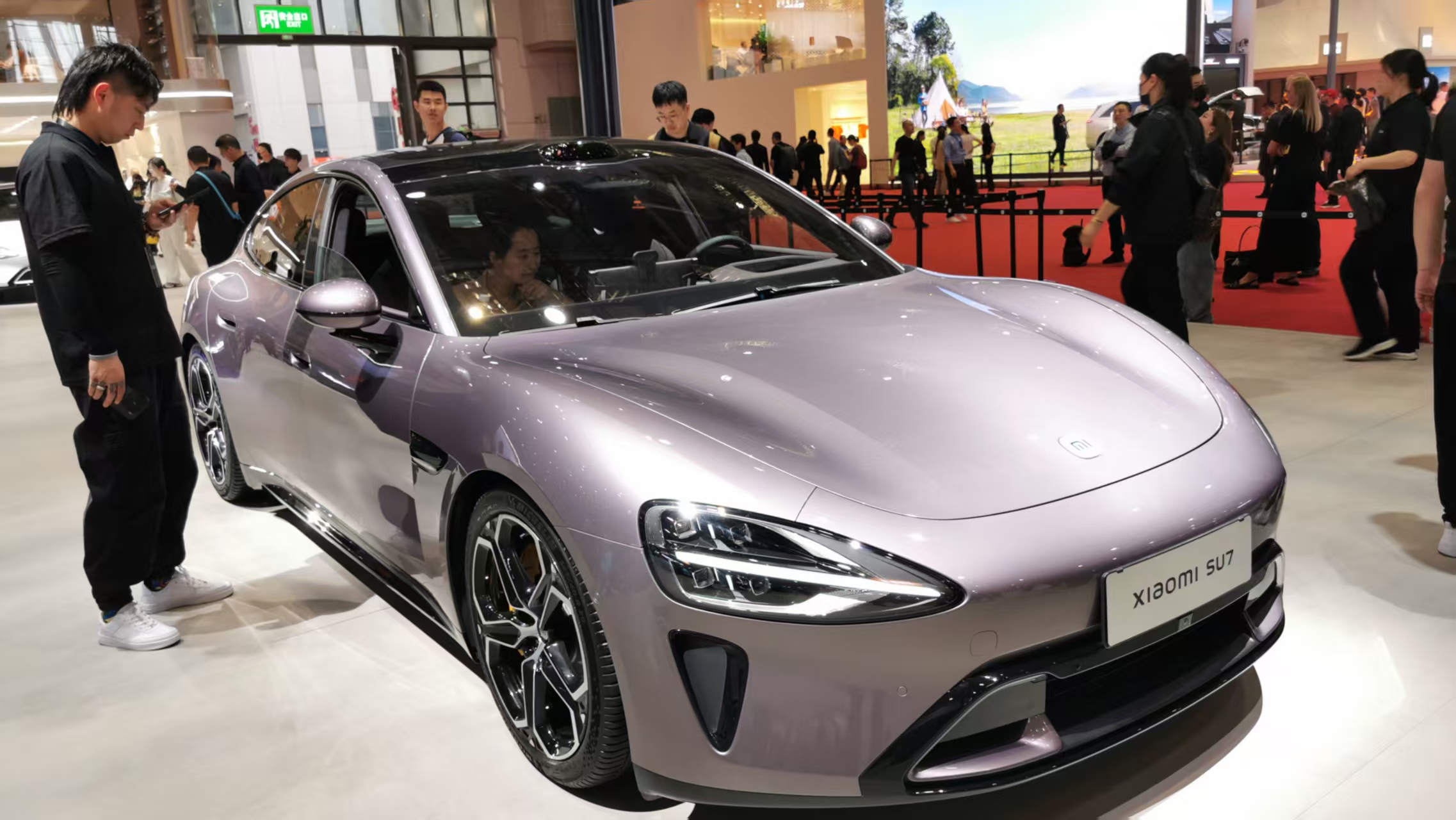
Xiaomi exhibited the SU7, its first electric model, at the Shanghai auto show in April 2025.

Xiaomi exhibited the SU7, its first electric model, at the Shanghai auto show in April 2025. (YANG JIAN/AUTOMOTIVE NEWS)

SHANGHAI – Xiaomi, the Chinese smartphone maker taking on electric vehicles, aims to outsell Tesla in domestic sales on the back of high-tech models already outselling some rival Tesla nameplates, founding Chairman Lei Jun says.


Road test and review of the 2026 Chinese Leapmotor C10 EV​


To view this content we will need your consent to set third party cookies.
For more detailed information, see our cookies page.
 

2026 iCaur 03 - The RM 130k Chinese BEV that thinks differently​


To view this content we will need your consent to set third party cookies.
For more detailed information, see our cookies page.
 
Tesla still doing well in China

China’s 2025 EV Sales Top 10: Tesla Model Y Loses Top Spot​


2025 witnessed a transformative reshuffle in China’s battery electric vehicle (BEV) market.

According to data from the China Passenger Car Association (CPCA), the annual retail sales of BEVs reached 7.877 million units in 2025, a year-on-year increase of 24.4%. BEVs accounted for 61.5% of the total new energy vehicle market, maintaining their fundamental role.

With the addition of several popular new models, the competitive landscape of the sales rankings has also undergone significant changes.

Referencing sales figures provided by Yiche, let’s examine the top 10 best-selling battery electric vehicle models in China for 2025:

  1. Geely Galaxy Xingyuan (465,775 units)
    2505264241.jpg


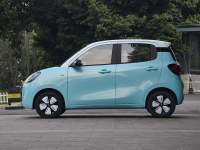
  2. SAIC-GM-Wuling Hongguang MINIEV (435,599 units)
    Wuling-Hongguang-Mini-EV-4-Doors_4.png


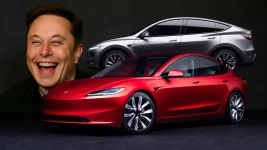
  3. Tesla Model Y (425,337 units)
    teslamodel3.webp


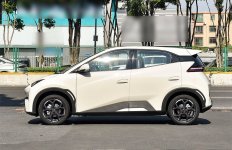
  4. BYD Seagull (310,956 units)
    bydseagull.jpg


  5. Xiaomi SU7 (258,164 units)
    hero-image.fill.size_1248x702.v1767862215.webp


  6. Tesla Model 3 (200,361 units)
    teslamodel3.webp
  7. BYD Yuan UP (189,277 units)
  8. Xpeng MONA M03 (175,345 units)
  9. Changan Lumin (162,362 units)
  10. Geely Panda (162,098 units)

image-246.png
 
Last edited:

CAAM: China-EU electric-vehicle case achieves "soft landing"​

Editor Team From Gasgoo|January 14 , 2026 17:48 BJT

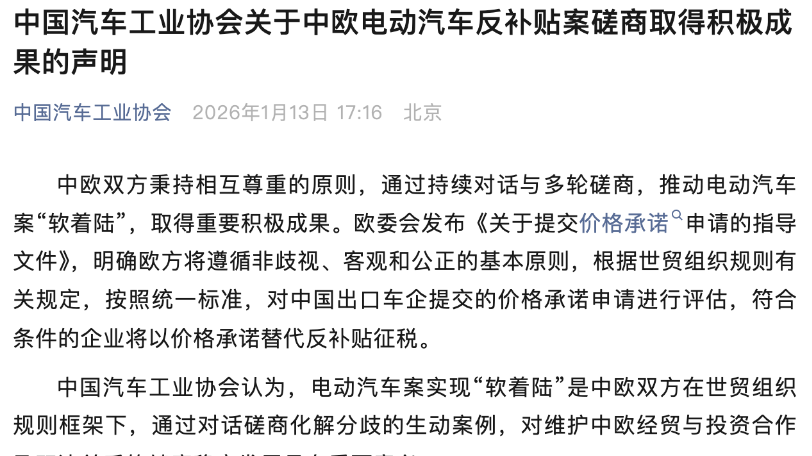
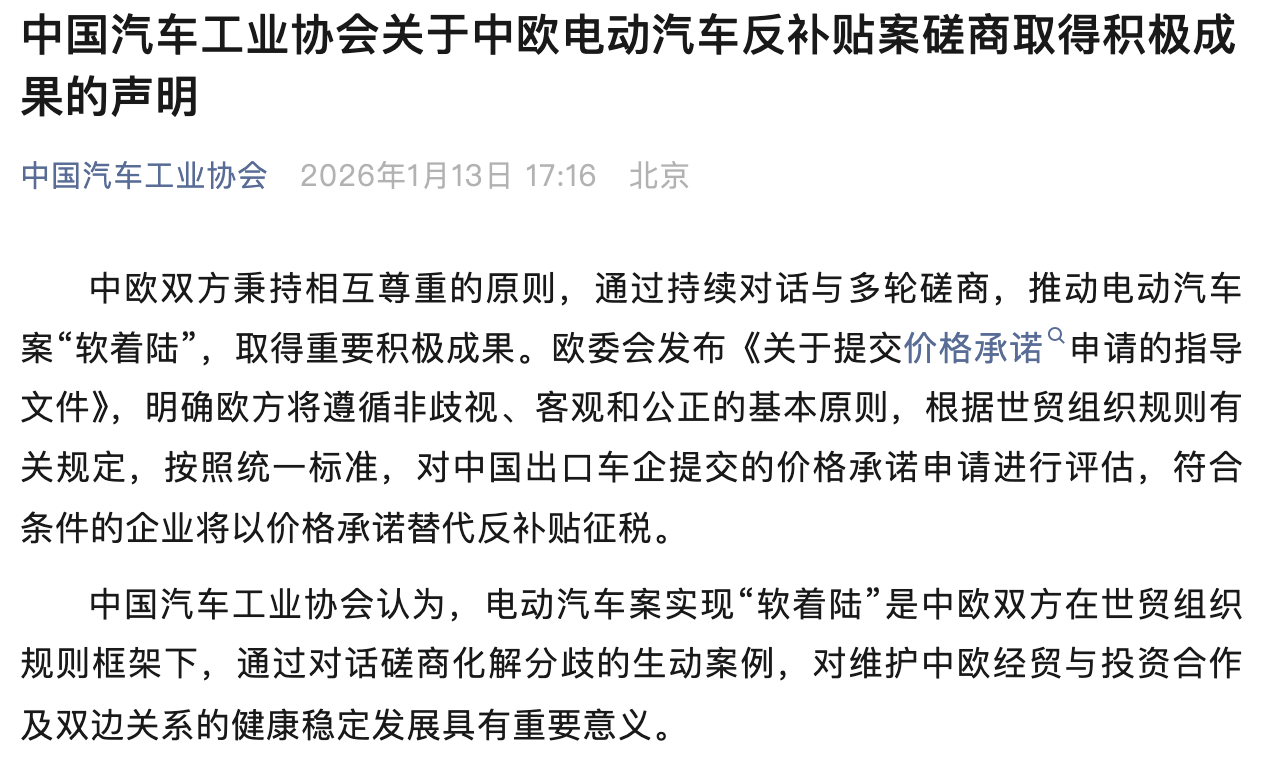
Shanghai (Gasgoo)- On January 13, the China Association of Automobile Manufacturers (CAAM) issued a statement titled "Statement on the Positive Results from Consultations in the China-EU Electric Vehicle Anti-Subsidy Case."

The statement said the two sides, upholding the principle of mutual respect, have steered the electric-vehicle case toward a "soft landing" through sustained dialogue and multiple rounds of consultations. They achieved important positive results.

image.png


Image source: CAAM

CAAM believes the "soft landing" offers a vivid example of how differences can be resolved through dialogue within the framework of World Trade Organization (WTO) rules. It carries significant weight for safeguarding the healthy, stable development of China-EU economic and investment cooperation, as well as broader bilateral ties.

China's EV competitiveness, CAAM said, stems from relentless innovation across the supply chain. Thanks to the scale of its domestic market, cost and technology advantages were forged by full competition, rather than subsidies. The association will support relevant companies, in line with their own circumstances and operating needs, in securing their export interests to the EU.

That same morning, the Ministry of Commerce said both sides recently held multiple rounds of consultations. The aim is to implement the consensus reached at the China-EU leaders' meeting and properly address the EU's anti-subsidy investigation into Chinese electric vehicles. Both agreed it is necessary to provide general guidance on price undertakings for Chinese exporters of battery electric vehicles to the EU. The aim is to address EU concerns in a manner consistent with WTO rules.

To that end, the European Commission will issue "Guidance on Submitting Applications for Price Undertakings." The document confirms the EU side will adhere to the principle of non-discrimination and, in line with WTO rules, apply the same legal standards to every price undertaking application. It will conduct objective and impartial assessments.

Based on details disclosed so far, Chinese battery-electric exporters that choose to participate will be required to submit a price undertaking to the EU. It will cover export prices, sales channels and other information.
 

NEW Volvo EX60 Gets 810 KM Range By Using Tesla Innovation​


To view this content we will need your consent to set third party cookies.
For more detailed information, see our cookies page.
 

Canada breaks with US, slashes 100% tariffs on Chinese EVs to 6%

Fred Lambert | Jan 16 2026 - 6:56 am PT

Canada China trade deal

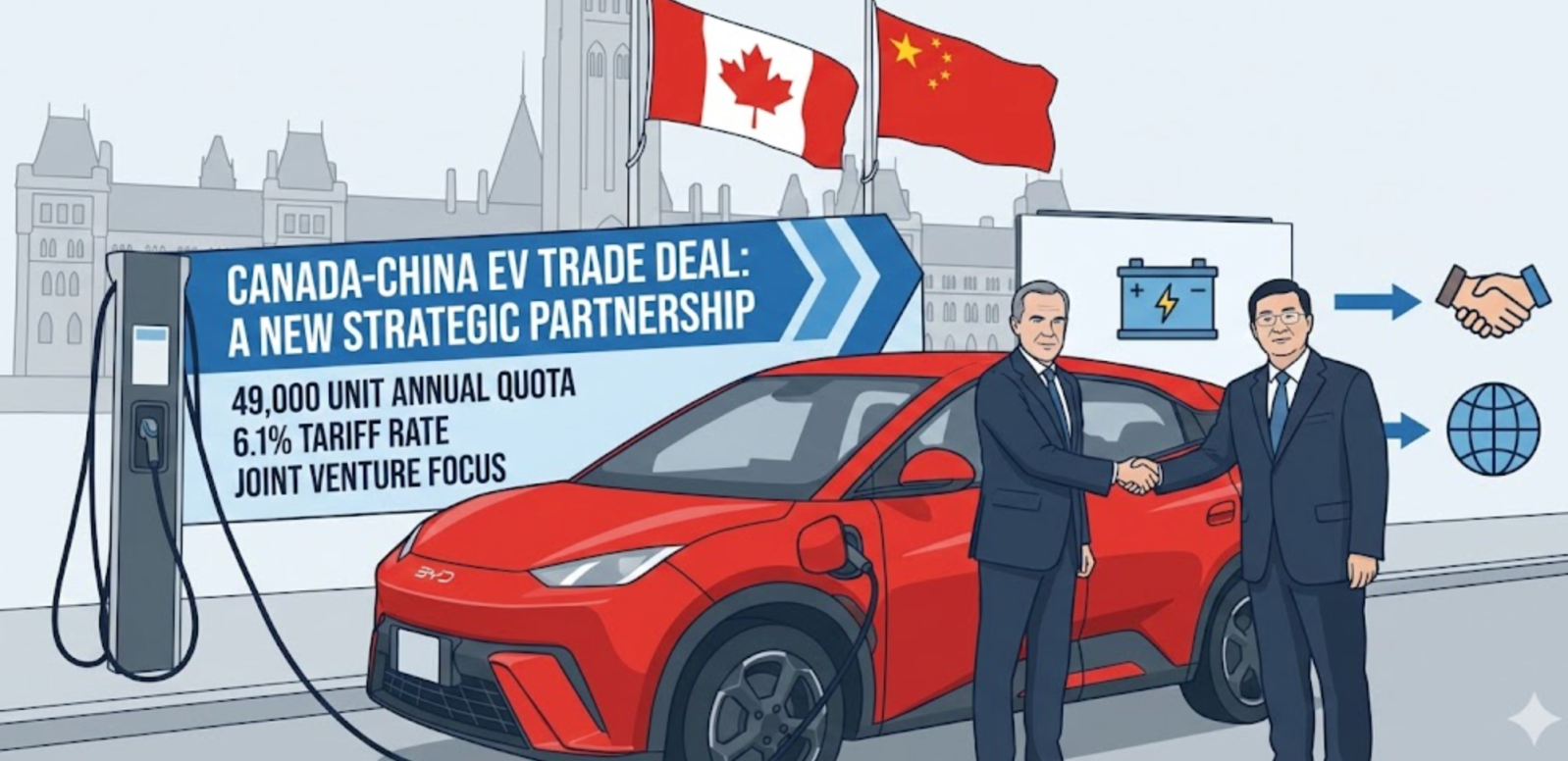
In a massive shift in North American trade policy, Prime Minister Mark Carney announced today a new “strategic partnership” with China that effectively reopens the Canadian border to Chinese electric vehicles.

The move marks a significant departure from the United States’ hardline protectionist stance and could bring affordable EV options like the BYD Seagull to Canadian roads as early as this year.

For the last two years, Canada has largely walked in lockstep with the US regarding Chinese EV tariffs. Following the Biden administration’s move to impose 100% tariffs on Chinese EVs, Canada implemented similar surtaxes, effectively freezing companies like BYD, Nio, and Zeekr out of the market.

Today, that ice is breaking.

As part of a broader trade agreement secured by Prime Minister Carney in Beijing this week, Canada has agreed to allow an annual quota of 49,000 Chinese electric vehicles into the country at the tariff rate of just 6.1%.

According to the Prime Minister’s office, this volume represents less than 3% of the Canadian new vehicle market. However, the deal explicitly targets the low end of the market, with the government anticipating that within five years, “more than 50% of these vehicles will be affordable EVs with an import price of less than $35,000.”

In exchange for opening the EV floodgates (or at least starting to break the dam), China has agreed to lower tariffs on Canadian canola seed from roughly 85% to 15% and to lift restrictions on Canadian lobster and crab.

The Canadian government claims this isn’t just about imports. The text of the agreement states that the deal is expected to “drive considerable new Chinese joint-venture investment in Canada” to build out the domestic EV supply chain.

Electrek’s Take​

While 49,000 vehicles might sound like a small number compared to the total market, it’s a specific, targeted wedge that changes the entire dynamic of the North American EV market.

For years, we at Electrek have argued that protectionism, while perhaps protecting legacy automaker jobs in the short term, ultimately hurts consumers and slows down the transition to sustainable transport.

Meanwhile, protecting domestic automakers from Chinese competition in their home market makes them less competitive on the global stage, virtually giving the global market to China.

The reality is that Chinese automakers are currently building some of the best, most affordable EVs in the world. Keeping them out entirely not only hurts consumers but also hurts innovation.

Of course, this is going to make Washington furious. The US has been trying to build a “Fortress North America” against Chinese EVs. By letting 49,000 units in tariff-free (or near tariff-free), Canada is effectively saying it values affordable climate solutions (and canola exports) more than complete alignment with US industrial policy, which is understandable since the US was the one to go hostile on trade with Canada.

The interesting detail here is the “Joint Venture” language. It looks like Carney is taking a page out of China’s own playbook. Canada seems to be using this quota as a carrot to get companies like BYD or CATL to set up shop in Canada and maybe help Canadian companies learn from those giants.


Trump Is Ready For Chinese EVs: 'Let China Come In'​

Plus, three automakers named most innovative in EVs and Ford explains its $19.5 billion writedown.

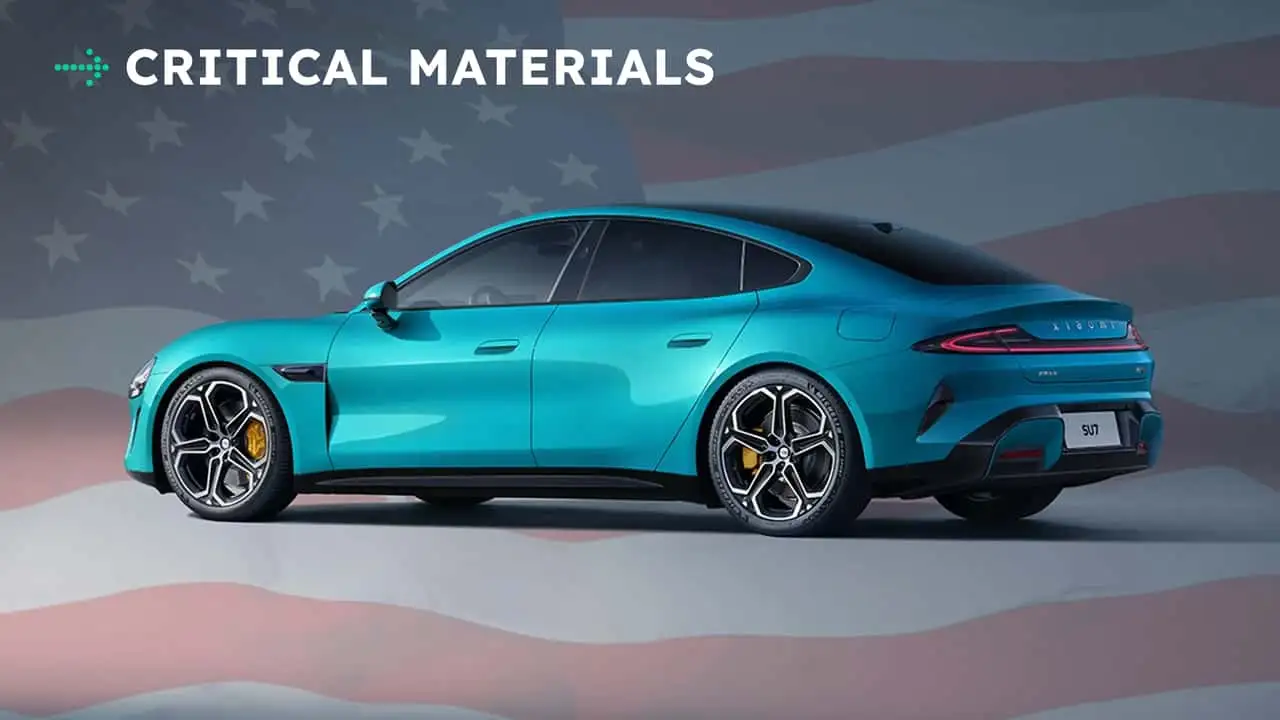
xiaomi-su7-us-flag-hero.webp

Photo by: Xiaomi

Jan 15, at 9:00am ET

Less than a year ago, automakers found themselves on the cusp of tariff hell. Car companies were suddenly hit with a gut-punch of tariffs on their supply chains and completed vehicles.

The U.S. imposed some hefty import duties on all things China in the hopes of protecting domestic manufacturers. Now President Trump is welcoming Chinese cars into the U.S.—as long as they build them here.

Welcome back to Critical Materials, your daily roundup for all things electric and tech in the automotive space. Also on deck: which three automakers were crowned as EV innovators and inside Ford's multi-billion-dollar EV reversal. Let's jump in.

During a speech at the Detroit Economic Club this week, President Donald Trump made it clear that he's perfectly fine with Chinese automakers setting up shop in the States. With just four words, he effectively welcomed brands like BYD and Xiaomi to compete with Detroit in their own backyard: "Let China come in."

On one condition, of course: These companies are welcome as long as they build a plant in America and hire Americans to work the factory floor.

Automotive News spills the details:

“If they want to come in and build a plant and hire you and hire your friends and your neighbors, that’s great, I love that,” Trump said during remarks at a Jan. 13 meeting of the Detroit Economic Club. “Let China come in, let Japan come in.”

Notably, Chinese car companies have been eyeing the U.S. for ages—after all, we have the world's second-largest car market after China itself. Some of the firms were in attendance at CES in Las Vegas last week, apparently testing the waters for their products.

Geely, the parent company of Volvo and Polestar, confirmed at CES that it was “actively evaluating” a U.S. launch and planned an announcement within the next few years. This would mark the first major Chinese car company to bring its vehicles to Americans without obfuscating them behind a more familiar brand name.

The Big Three know just how disruptive this could be. Ford's Jim Farley admitted to loving China's Apple car (the Xiaomi SU7), and Americans are beginning to warm up to the idea of buying EVs on both side of the political aisle. In fact, new car buyers under 44 are more open to buying a Chinese EV than ever, and that could spell big trouble for little Detroit.

Trump's plan is a bet that Americans win either way. Between more jobs and potentially cheaper cars, it looks like a victory when sketched out on paper. But for Detroit, it spells the possibility of more competition at home than ever before.


Ranked: Battery Manufacturing Investment by Country

December 22, 2025

Battery-Manufacturing-Investment-by-Country_website_Dec11.webp

Key Takeaways​

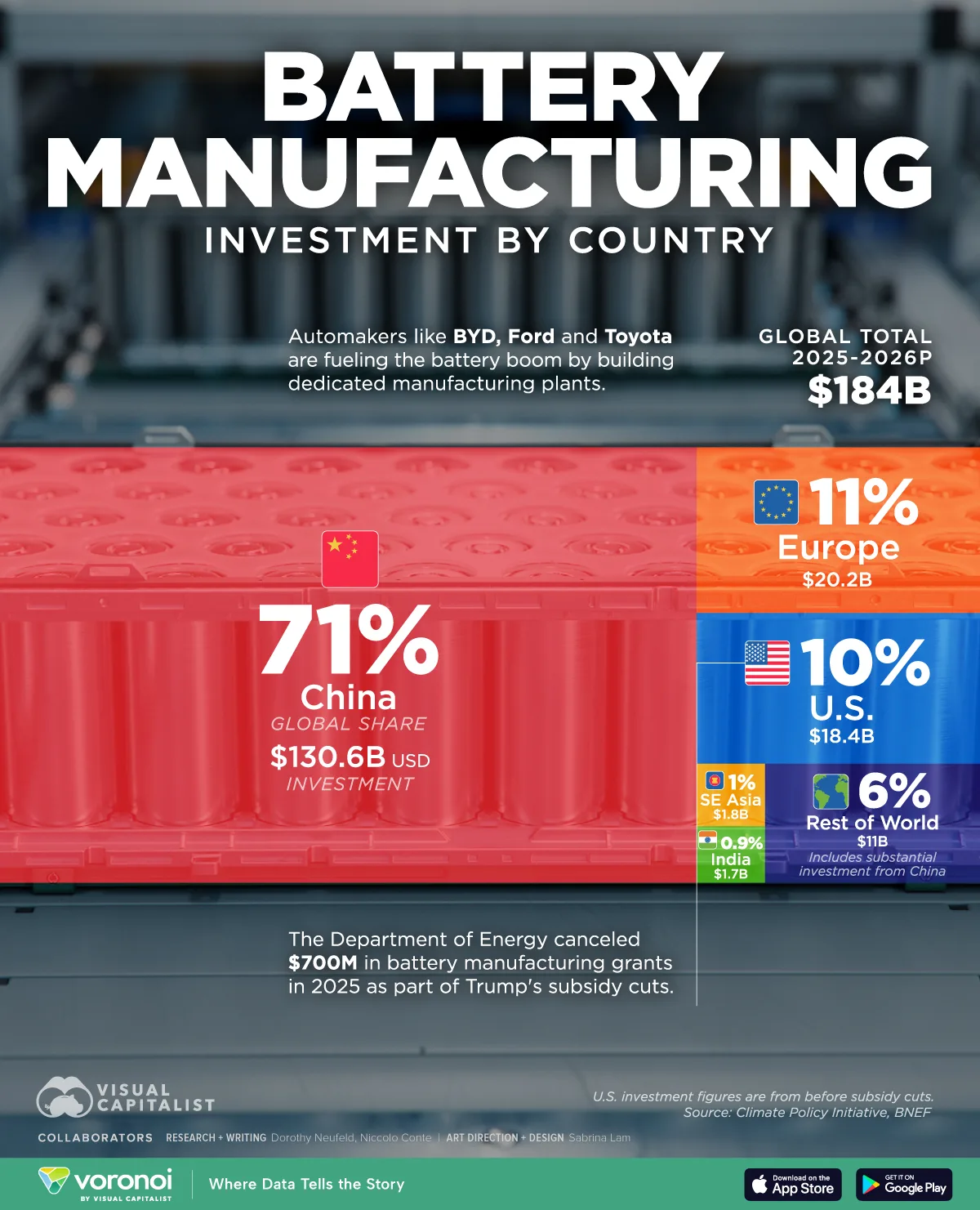
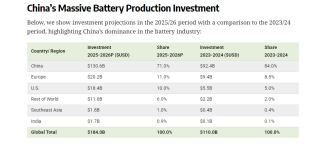
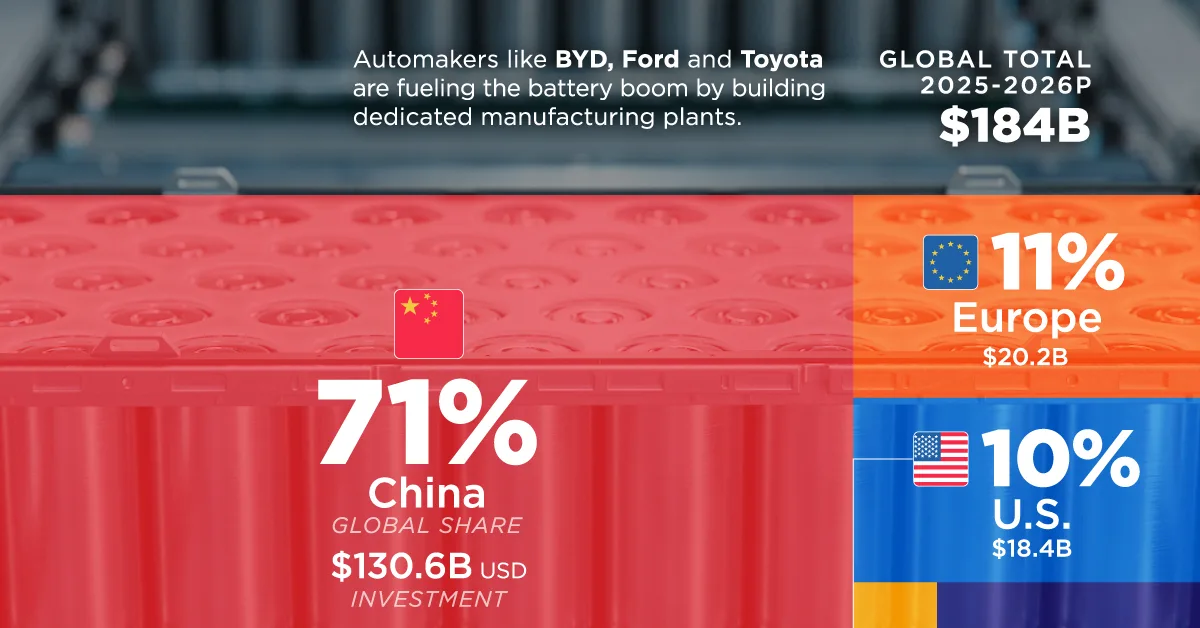
  • China is projected to drive 71% of global battery manufacturing investment between 2025 and 2026, more than sevenfold that of America.
  • Europe is forecast to account for 11% of the total investment, although domestic battery-makers face stiff competition from lower-cost products in China.
Battery manufacturing investment is surging as EVs expand to a fifth of car sales worldwide.

Additionally, energy storage for grids plays another key role in battery demand. Here, large grid batteries store excess energy and release it when the energy supply is low.

This graphic shows the global leaders in battery manufacturing investment, based on data from the Climate Policy Initiative and BNEF.

微信图片_2026-01-17_225110_990.png

With 71% of the global share, China is forecast to pour nearly $131 billion into battery manufacturing in 2025 and 2026.

CATL, the world’s largest battery-maker, commands a significant share of the industry. Not only does it provide 30% of the batteries used in EVs globally, about a third of global grid energy-storage systems use CATL batteries.

Meanwhile, BYD also produces a notable share of batteries as part of the EV maker’s vertical integration strategy.

Europe ranks in second, supported by ambitious government policies. However, production costs are roughly 50% higher compared to China, making it challenging to compete. Moreover, the region’s largest domestic battery-maker, Northvolt, declared bankruptcy in March after missing production targets and losing key customers.

In the U.S., manufacturing investment was projected to reach over $18 billion, however these figures were prior to Trump’s subsidy cuts. So far in 2025, at least $700 million in battery manufacturing grants have been canceled, ultimately slowing national production.


These Chinese EVs Coming to Canada in 2026 | Ban Is Over!​


To view this content we will need your consent to set third party cookies.
For more detailed information, see our cookies page.
 

Users who are viewing this thread

Pakistan Defence Latest

Back
Top