冖_冖
Registered Member

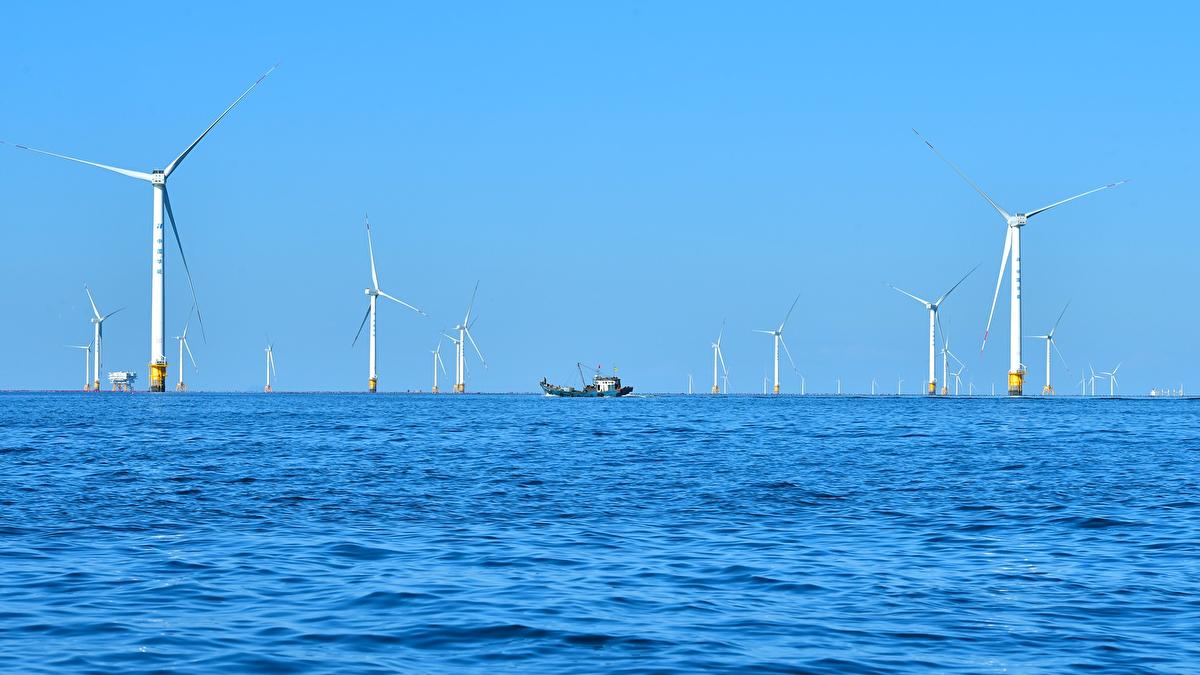
China ranks first globally in offshore wind power connected to national grid
China had built and connected 39.1 million kilowatts of offshore wind power to its national grid by the third quarter of 2024, ranking first globally, according to a conference on offshore wind power industrial chain cooperation.
China ranks first globally in offshore wind power connected to national grid

NANNING - China had built and connected 39.1 million kilowatts of offshore wind power to its national grid by the third quarter of 2024, ranking first globally, according to a conference on offshore wind power industrial chain cooperation.
China has formed relatively complete technological and industrial chains of offshore wind power, covering design, manufacturing, construction, operations and maintenance, according to the conference held Saturday in Beihai, South China's Guangxi Zhuang autonomous region.
Participants at the conference discussed issues such as strategic innovation, key offshore wind power technologies, as well as international cooperation on modern offshore wind power industrial chains.
Rich in its offshore wind energy resources, China has seen fast development in the industrial chains. China's installed offshore wind power capacity grew from under 5 million kilowatts in 2018 to 37.7 million kilowatts as of 2023, accounting for 50 percent of the global total.
The localization rate of offshore wind turbines in China has surpassed 90 percent.
In the future, the offshore wind power industry should innovate in its industrial integration models, strengthen core technology research and deepen coordinated industrial development, so as to form internationally competitive industrial clusters, said Shu Yinbiao, an academician of the Chinese Academy of Engineering.
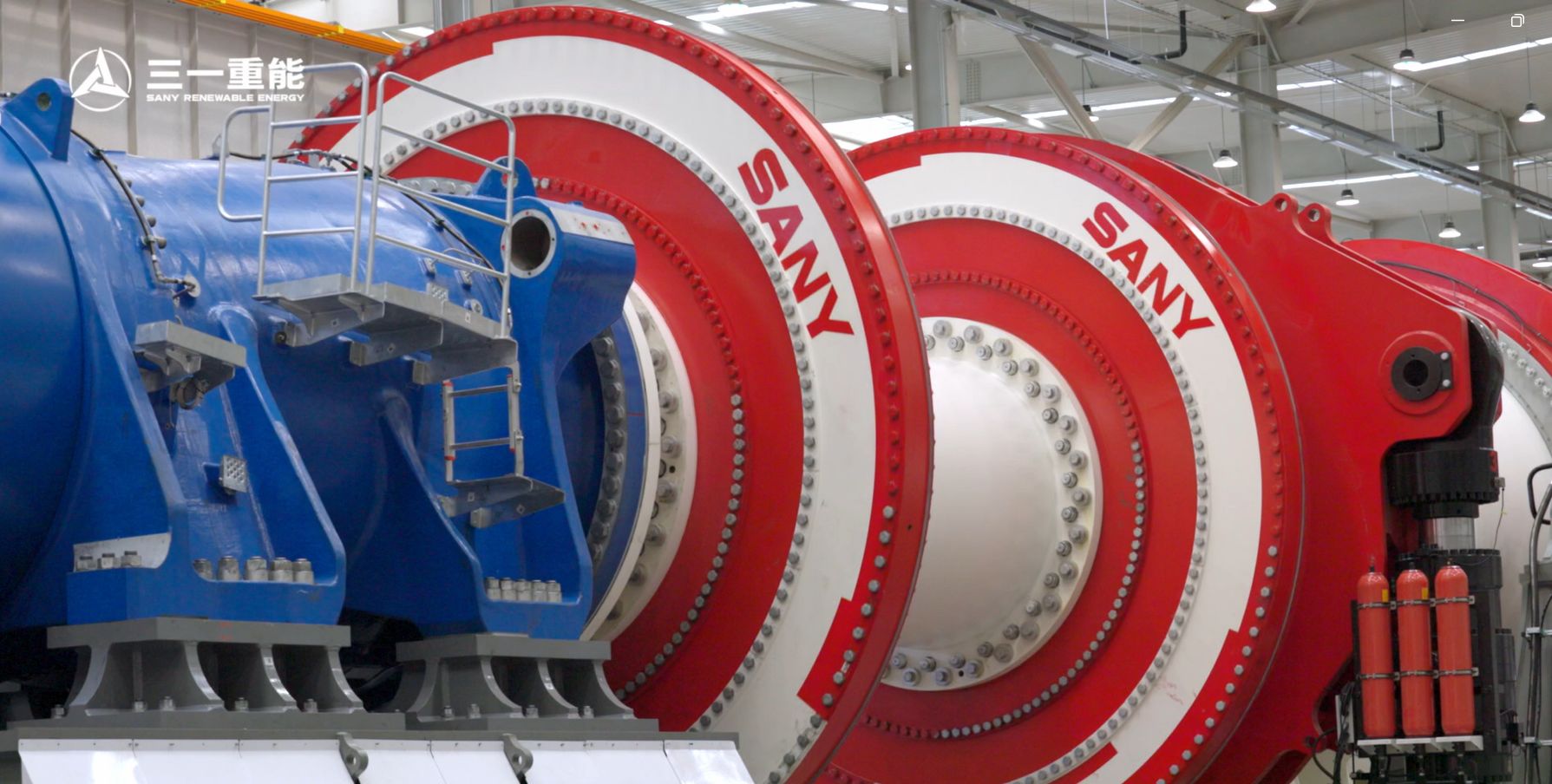
Test Bench for 35 MW Wind Turbines Goes Into Operation in China
Shortly after Dongfang reported that the company produced the world's first 26 MW offshore wind turbine, China's Sany Renewable Energy announced a test rig for turbines of up to 35 MW was put into operation at the firm's wind power testing centre.
 www.offshorewind.biz
Test Bench for 35 MW Wind Turbines Goes Into Operation in China
Shortly after Dongfang reported that the company produced the world's first 26 MW offshore wind turbine, China's Sany Renewable Energy announced a test rig for turbines of up to 35 MW was put into operation at the firm's wind power testing centre.
www.offshorewind.biz
Test Bench for 35 MW Wind Turbines Goes Into Operation in China
October 17, 2024Shortly after Dongfang reported that the company produced the world’s first 26 MW offshore wind turbine, China’s Sany Renewable Energy announced a test rig for turbines of up to 35 MW was put into operation at the firm’s wind power testing centre.
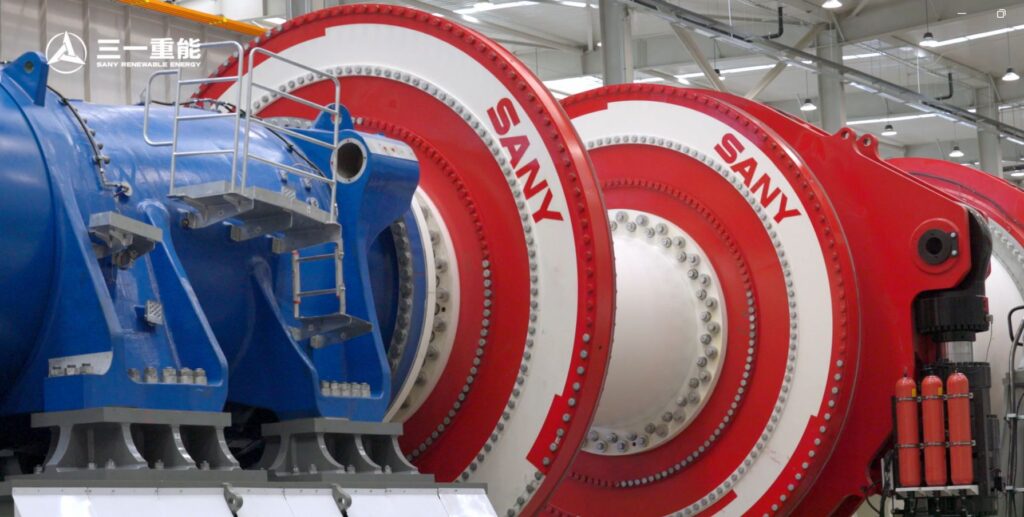
Source: Sany Renewable Energy
Sany said that “China’s first and the world’s largest” test bench utilises a 100 per cent domestic supply chain and is capable of simulating the full lifecycle of wind turbines up to 35 MW.
Equipped with six 100-tonne hydraulic cylinders, it applies multi-directional, coordinated loads across six degrees of freedom, allowing for extreme, multi-axis stress testing, according to the company.
With a maximum driving torque of 36 MNm and a bending moment of up to 80 MNm, the test bench accurately simulates complex weather conditions and extreme working environments, withstanding typhoon-level winds, said Sany.
By utilising high-intensity accelerated fatigue tests, it simulates 20 years of wind farm operation in just one year.
The test bench can simultaneously perform functional tests, failure limit verification, and design model validation on the entire turbine and key components such as generators, gearboxes, and main shafts.
In other news from China this week, Dongfang Electric Corporation (DEC) rolled a 26 MW offshore wind turbine off its production line.
A single unit could lead to a 30,000-tonne reduction in coal use and an 80,000-tonne cut in CO2 emissions. According to DEC, the wind turbine is the world’s largest in both capacity and size.
Source:
/
/