
Beijingwalker
VIP Member

China’s J-16 Fighter Demonstrated Overwhelming Air-to-Air Superiority in Exercises
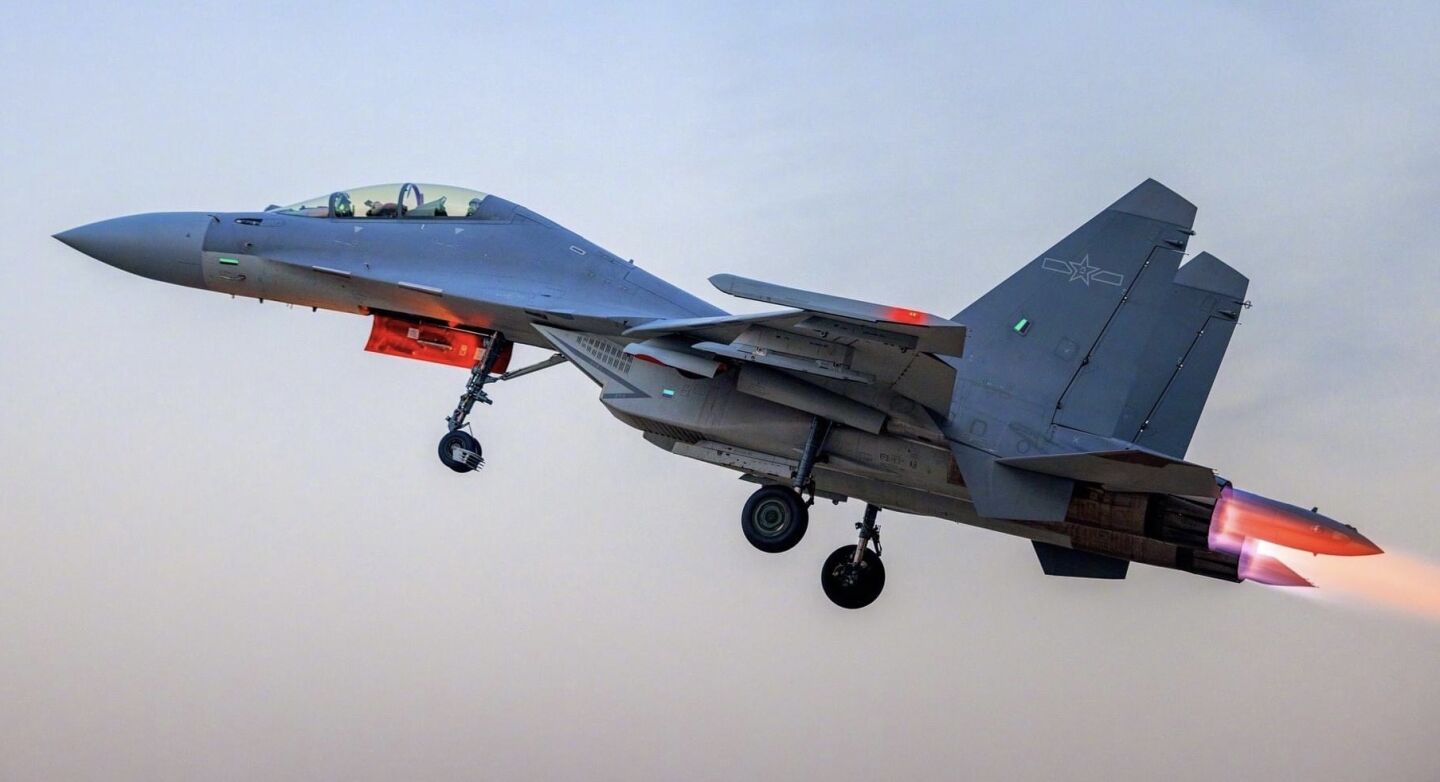
Chinese PLA Air Force J-16 Fighter
August-21st-2026
Multiple sources have reported that Chinese People’s Liberation Army Air Force J-16 fighters deployed to Pakistan in 2019 to participated in the Shaheen air-combat exercises demonstrated vast superiority over other participating aircraft in simulated engagements. The J-16 currently forms the backbone of China’s fighter fleet, alongside its lighter single engine counterpart the J-10C, and the newer J-20 stealth fighter. The aircraft reportedly achieved 51 simulated kills involving five different fighter types, including the J-10C, J-11B, and Pakistan Air Force JF-17, J-7 and Mirage III.
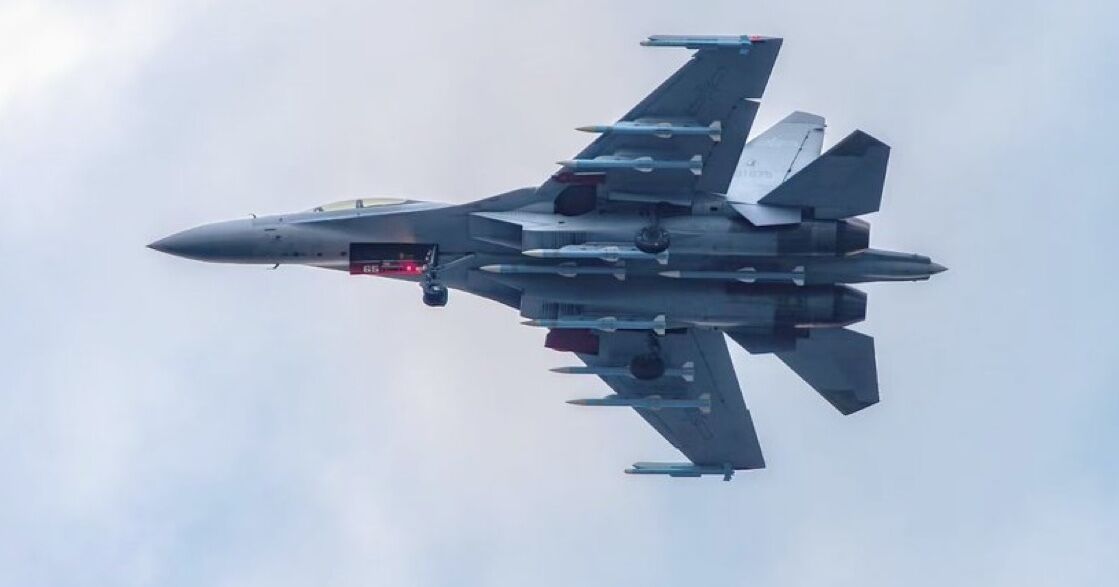
Chinese PLA Air Force J-16 with Eight PL-15 and Two PL-10 Air-to-Air Missiles
Reported shootdowns by J-16s included 14 J-10C, 4 J-11B, 11 PAF JF-17, 9 J-7 and 11 Mirage III fighters, with the fighters ordered in descending order of combat potential. Although the J-16 was expected to have significant performance advantages over all fighter types involved, the extent of its advantages over the J-11B and particularly the J-10C were surprising to a number of observers. While the J-11B and J-16 are both advanced derivatives of the Soviet Su-27, the J-16 is a significantly more modern and costly design integrating a wide range of technologies that were developed for the J-20 program. Its high composite airframe, reduced radar cross section, and integration of fifth generation level avionics including what is likely the world’s most powerful AESA radar provide it with a distinct advantage, as do its PL-10 and PL-15 missiles.
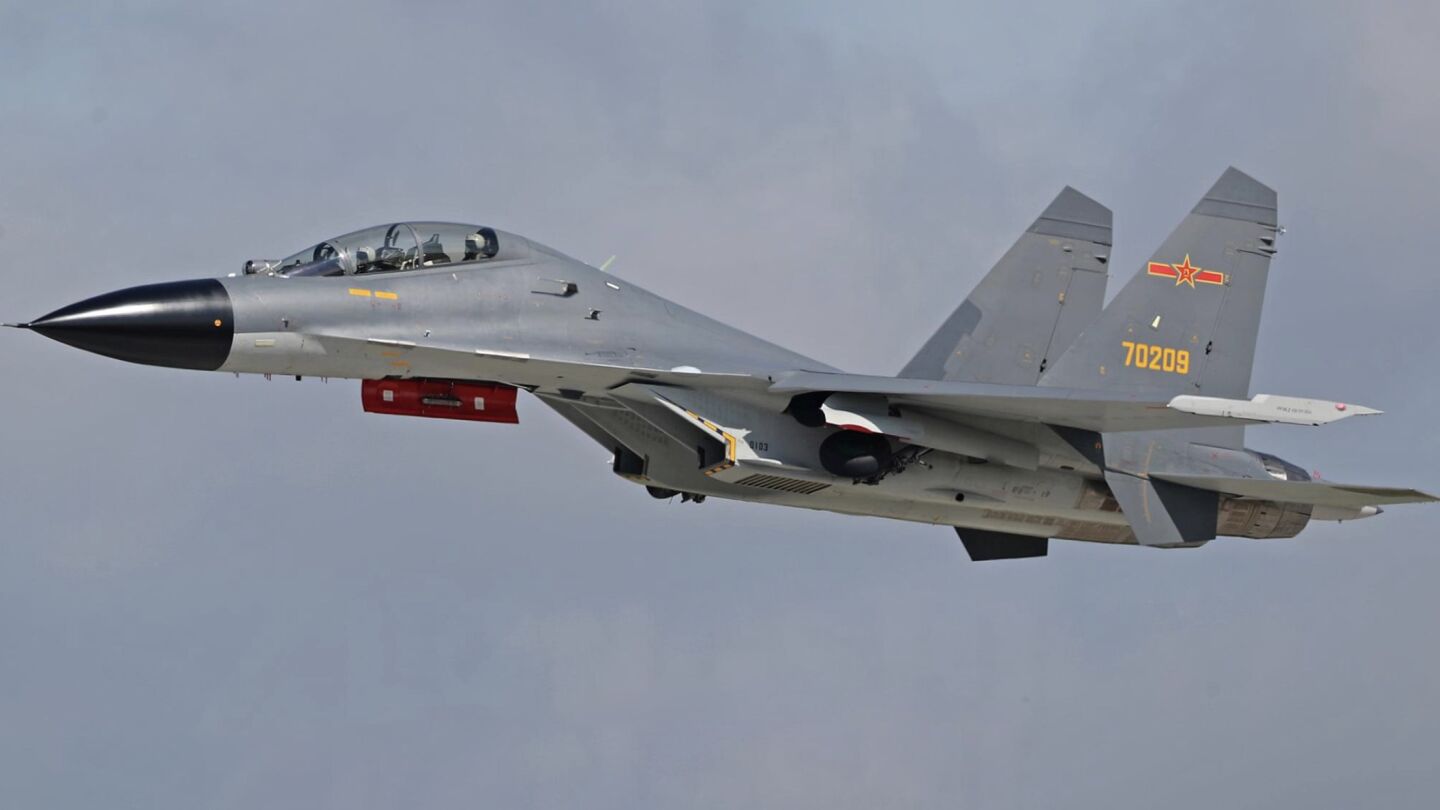
Among the aircraft participating in exercises, only the J-10C is technologically broadly on par with the J-16, with the two having been developed in parallel with highly complementary capabilities. Nevertheless, as a much larger twin engine aircraft, the J-16 benefits not only from a much longer range, but also from the integration of a radar that is several times as large and powerful, which contributes to its substantial electronic warfare capabilities. The J-16s were reportedly able to use electronic warfare to jam the radars of all hostile fighter types during the exercises, despite both the sheer power of the J-11B’s similarly large but less advanced radar, and the sophistication of the J-10C’s countermeasures.
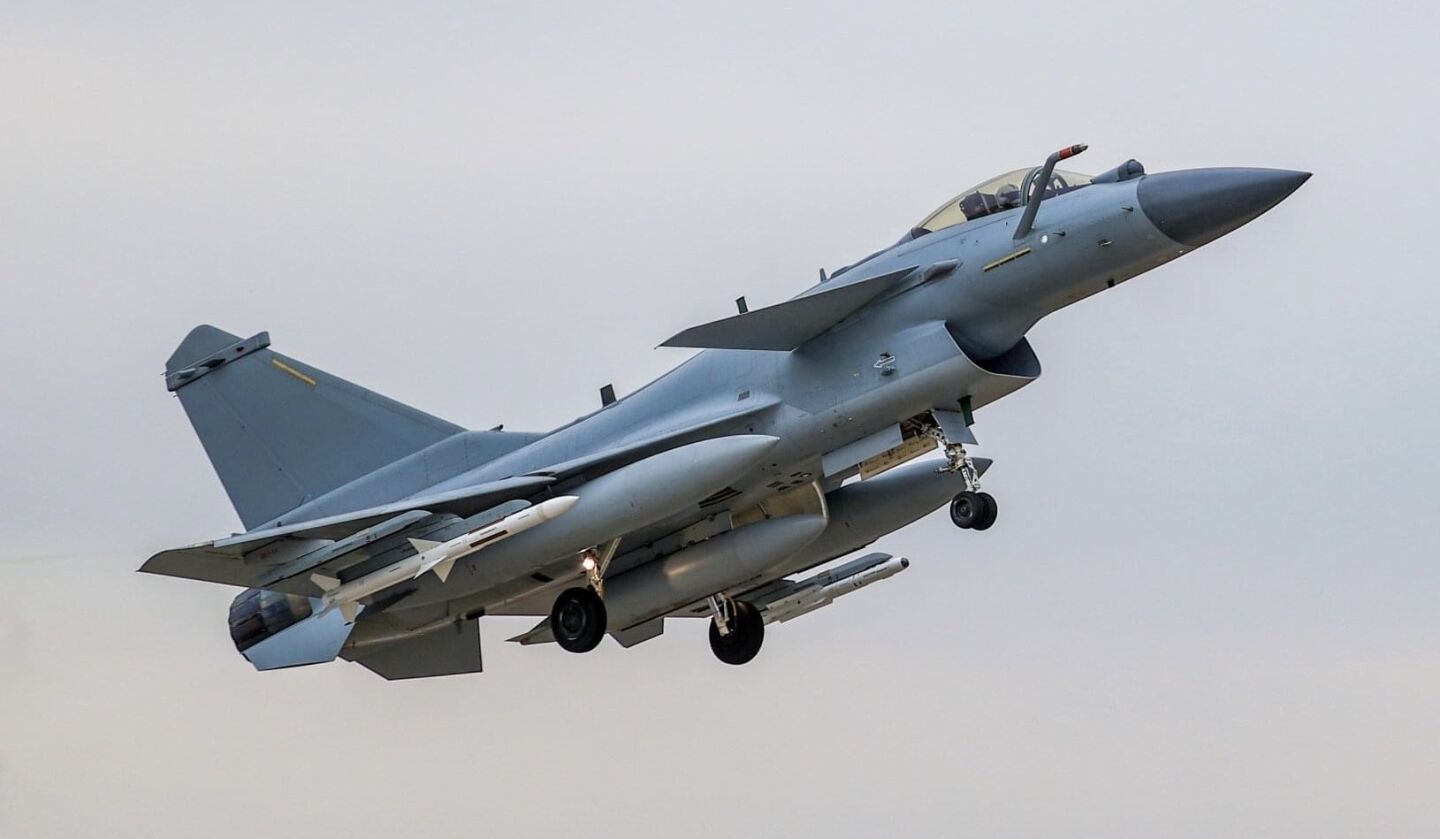
The J-16 otherwise has advantages in terms of workload sharing due to it seating of two pilots, and benefits from significant performance advantages in a number of areas, and from a much higher weapons carrying capacity. The J-10C’s much lower sustainment and procurement costs, however, have made it a highly cost effective. With the J-11B having similar sustainment costs and maintenance requirements to the J-16, however, the J-16 is a far more cost effective fighter, with its superior capabilities having led to it totally phasing the J-11 out of production from 2014-2018.
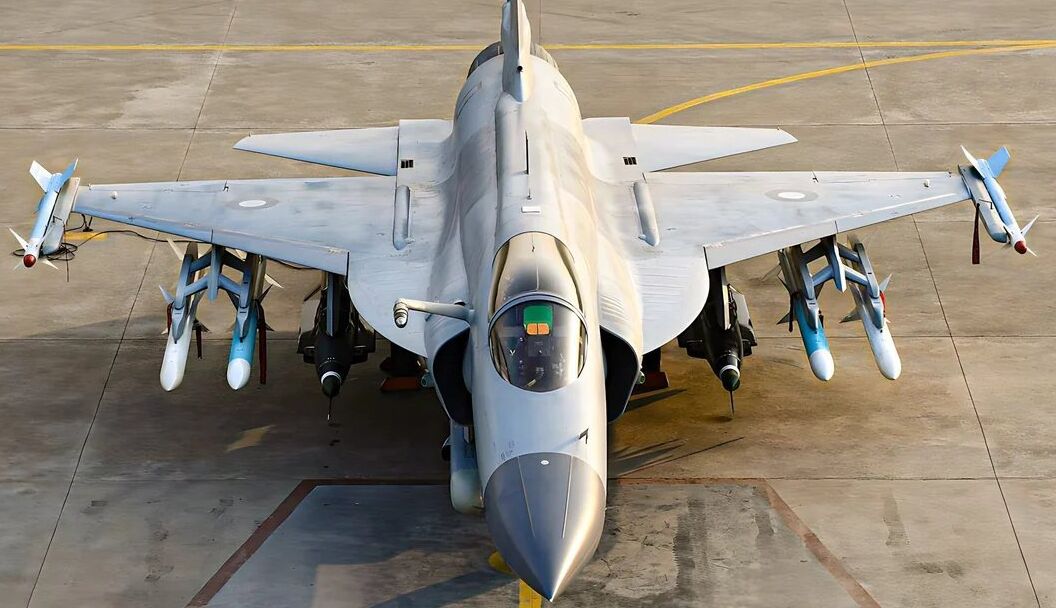
Pakistan Air Force JF-17 Fighter
The J-16 has been evaluated by multiple analysts as likely the world’s most capable fourth generation fighter type, with its engagements with Pakistan Air Force fighter types producing highly one-sided outcomes as expected. Pakistani Mirage III and J-7 fighters, although upgraded with early fourth generation avionics, are pre-Vietnam War era designs that are not only old, but also very light which limits their radar strength and weapons carriage. The JF-17 Block II, although much more capable within the Pakistani fleet, was developed to prioritise minimising costs, serving as a lighter counterpart to the J-10 in production. While the J-16 would still have significant advantages over Pakistan’s newly procured JF-17 Block III and J-10C fighters, these would be less extreme than those it demonstrated against its older fighter types.
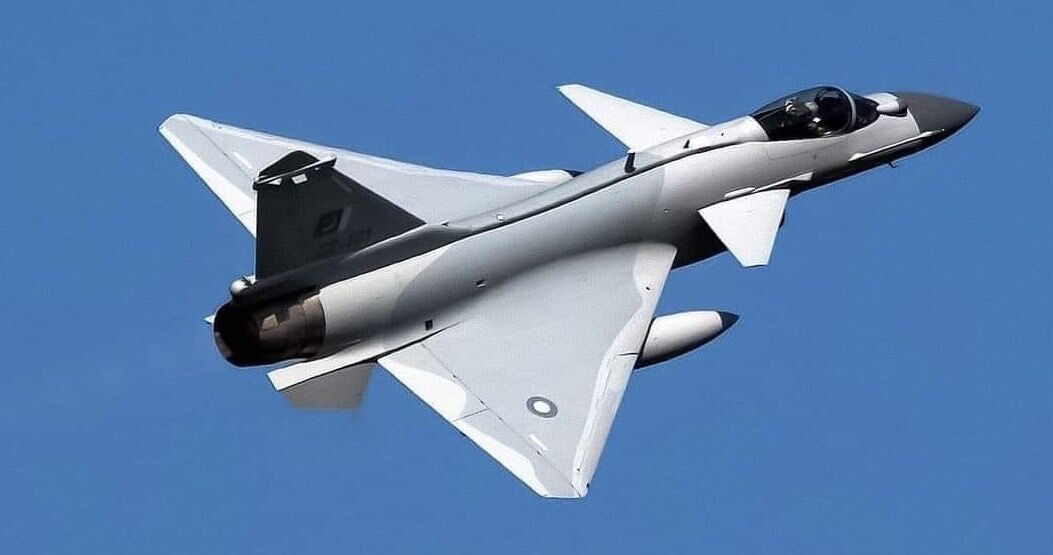
Pakistan Air Force J-10C
The J-16’s complexity and cost mean that Pakistan is unlikely to procure a similarly large or capable fighter type. Its newly procured J-10C fighters, however, have proven to be highly capable, with the type having seen its first high intensity combat test against the Indian Air Force in May 2025. J-10s shot down between one and four Rafale fighters during these engagements, while suffering no losses, according to prevailing reports. Pakistani J-10s won overwhelming victories in simulated air-to-air engagements against Qatar Emiri Air Force Eurofighters in 2024, achieving a 9-0 score during engagements, which was far from unexpected considering the Eurofighter’s long known shortcomings and the J-10’s advanced capabilities, despite the Eurofighter’s very considerably higher cost. Qatar the following year sought to sell the newly-received aircraft on to a third party.


