Navigation
Install the app
How to install the app on iOS
Follow along with the video below to see how to install our site as a web app on your home screen.
Note: This feature may not be available in some browsers.
More options
Style variation
You are using an out of date browser. It may not display this or other websites correctly.
You should upgrade or use an alternative browser.
You should upgrade or use an alternative browser.
Chinese 6th Generation Aircraft News & Discussions
- Thread starter SiliconBit (silicon0000)
- Start date
More options
Who Replied?
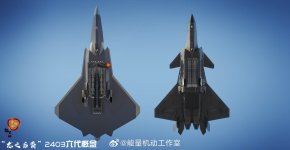
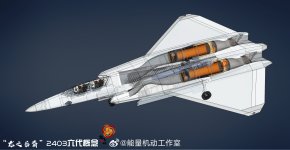
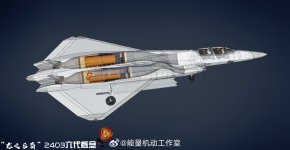
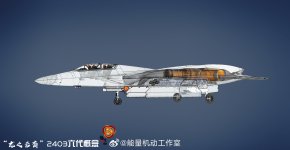


About China's forward-thinking military technology. Those who know the details can't talk about it, and those who don't know the details feel free to talk nonsense.
That's all!
View attachment 90363
You make a bold claim, and then without providing any evidence to back it up talk in abstract.
US also has FORD car 100yrs ago so?
US also tested hypersonny 30yrs ago?
Bison hides smell gud to you.
Not comparable. Aviation technologies are still dominated by USA and Western Europe. If Chinese aviation tech was as good as Chinese cars then China would have had a third Aviation giant like Boeing and Airbus competing toe to toe with other two....it doesn't.
lightning f57
Trusted Member

From ChatGBT
A 6th-generation fighter jet represents the next leap in military aviation, incorporating cutting-edge technologies and capabilities that go beyond the 5th-generation jets like the F-22 and F-35. Here are the defining features that characterize a 6th-generation fighter:
1. Stealth and Survivability
Advanced Stealth: Improved stealth capabilities over previous generations, including optimized shapes and materials for reduced radar, infrared, and electronic signatures.
Counter-Stealth Systems: Enhanced ability to detect and counter adversaries' stealth technologies.
2. Artificial Intelligence (AI) and Automation
Autonomous Capabilities: Ability to operate with varying degrees of autonomy, including unmanned missions.
AI-Assisted Decision-Making: Onboard AI systems to assist pilots with threat assessment, tactical decisions, and resource management.
3. Network-Centric Warfare
Advanced Data Fusion: Integration with other platforms, sensors, and systems in real-time to create a comprehensive battlefield picture.
Swarm Coordination: Ability to coordinate with drone swarms or loyal wingman systems.
4. Hypersonic and Supermaneuverability
Hypersonic Speeds: Potential for sustained speeds exceeding Mach 5.
Improved Maneuverability: Advanced aerodynamics and thrust-vectoring engines for unparalleled agility in combat.
5. Directed Energy Weapons
Laser Weapons: Incorporation of directed energy weapons for missile defense and offensive capabilities.
Microwave Weapons: Systems to disable enemy electronics and communications.
6. Advanced Sensor and Electronic Warfare Systems
Multispectral Sensors: Integration of radar, infrared, and electro-optical sensors for a comprehensive detection capability.
Electronic Warfare (EW): Enhanced EW systems for jamming enemy sensors, communications, and weapons systems.
7. Adaptive Engines
Next-Generation Propulsion: Adaptive-cycle engines capable of optimizing performance for speed, fuel efficiency, and heat management.
Increased Range and Endurance: Improved fuel efficiency and thermal management.
8. Modular and Scalable Design
Open Architecture Systems: Modular systems that can be upgraded with new technologies over time.
Mission Flexibility: Configurable designs for air superiority, strike, reconnaissance, and electronic warfare roles.
9. Advanced Materials
Self-Healing Materials: Incorporation of advanced materials that can self-repair or withstand extreme conditions.
Reduced Maintenance Requirements: Longer operational life and simplified maintenance.
10. Enhanced Pilot-Centric Features
Augmented Reality (AR): Helmet-mounted displays and AR systems to provide critical information.
Reduced Pilot Workload: Advanced automation and intuitive controls.
Examples of 6th-Generation Fighter Programs
USA: NGAD (Next Generation Air Dominance) program by the U.S. Air Force.
Europe: FCAS (Future Combat Air System) by France, Germany, and Spain; Tempest program by the UK, Italy, and Sweden.
China: Speculative reports suggest development of a 6th-generation fighter.
Russia: Potential development of a successor to the Su-57.
These jets are expected to redefine air combat with their ability to dominate contested environments, integrate with other systems seamlessly, and provide unmatched survivability and lethality.
Some of this sounds like star trek. Are we really that far ahead?
A 6th-generation fighter jet represents the next leap in military aviation, incorporating cutting-edge technologies and capabilities that go beyond the 5th-generation jets like the F-22 and F-35. Here are the defining features that characterize a 6th-generation fighter:
1. Stealth and Survivability
Advanced Stealth: Improved stealth capabilities over previous generations, including optimized shapes and materials for reduced radar, infrared, and electronic signatures.
Counter-Stealth Systems: Enhanced ability to detect and counter adversaries' stealth technologies.
2. Artificial Intelligence (AI) and Automation
Autonomous Capabilities: Ability to operate with varying degrees of autonomy, including unmanned missions.
AI-Assisted Decision-Making: Onboard AI systems to assist pilots with threat assessment, tactical decisions, and resource management.
3. Network-Centric Warfare
Advanced Data Fusion: Integration with other platforms, sensors, and systems in real-time to create a comprehensive battlefield picture.
Swarm Coordination: Ability to coordinate with drone swarms or loyal wingman systems.
4. Hypersonic and Supermaneuverability
Hypersonic Speeds: Potential for sustained speeds exceeding Mach 5.
Improved Maneuverability: Advanced aerodynamics and thrust-vectoring engines for unparalleled agility in combat.
5. Directed Energy Weapons
Laser Weapons: Incorporation of directed energy weapons for missile defense and offensive capabilities.
Microwave Weapons: Systems to disable enemy electronics and communications.
6. Advanced Sensor and Electronic Warfare Systems
Multispectral Sensors: Integration of radar, infrared, and electro-optical sensors for a comprehensive detection capability.
Electronic Warfare (EW): Enhanced EW systems for jamming enemy sensors, communications, and weapons systems.
7. Adaptive Engines
Next-Generation Propulsion: Adaptive-cycle engines capable of optimizing performance for speed, fuel efficiency, and heat management.
Increased Range and Endurance: Improved fuel efficiency and thermal management.
8. Modular and Scalable Design
Open Architecture Systems: Modular systems that can be upgraded with new technologies over time.
Mission Flexibility: Configurable designs for air superiority, strike, reconnaissance, and electronic warfare roles.
9. Advanced Materials
Self-Healing Materials: Incorporation of advanced materials that can self-repair or withstand extreme conditions.
Reduced Maintenance Requirements: Longer operational life and simplified maintenance.
10. Enhanced Pilot-Centric Features
Augmented Reality (AR): Helmet-mounted displays and AR systems to provide critical information.
Reduced Pilot Workload: Advanced automation and intuitive controls.
Examples of 6th-Generation Fighter Programs
USA: NGAD (Next Generation Air Dominance) program by the U.S. Air Force.
Europe: FCAS (Future Combat Air System) by France, Germany, and Spain; Tempest program by the UK, Italy, and Sweden.
China: Speculative reports suggest development of a 6th-generation fighter.
Russia: Potential development of a successor to the Su-57.
These jets are expected to redefine air combat with their ability to dominate contested environments, integrate with other systems seamlessly, and provide unmatched survivability and lethality.
Some of this sounds like star trek. Are we really that far ahead?

Alter_Ego
Registered Member

Not comparable. Aviation technologies are still dominated by USA and Western Europe. If Chinese aviation tech was as good as Chinese cars then China would have had a third Aviation giant like Boeing and Airbus competing toe to toe with other two....it doesn't.
I would say chinese aviation tech could be subdivided into categories.
Some categories are still below Western tech. Some on par. Engine forexample still below best western tech. Electronics probably somewhat closer to western tech with certain component maybe on par and even better than western counterpart.
In large body civilian jets and especially civillian jet engine, China still quite behind Western tech.
UKBengali
Elite Member
I would say chinese aviation tech could be subdivided into categories.
Some categories are still below Western tech. Some on par. Engine forexample still below best western tech. Electronics probably somewhat closer to western tech with certain component maybe on par and even better than western counterpart.
In large body civilian jets and especially civillian jet engine, China still quite behind Western tech.
Poster cannot see the difference between military cutting edge and current state of civilian technology.
COMAC has just launched its first real modern jetliner in C919 and they will need two decades to be at the same level of Airbus and Boeing.
Although the core technology is very similar the two areas are totally different.

iblini
Trusted Member

past impression is getting more and more questionable or need to adjust when it comes to China tech level, even most of the Chinese find it difficult to catch up, who would have thought that we are already this close of flying a sixth gen tech demonstrators.Poster cannot see the difference between military cutting edge and current state of civilian technology.
COMAC has just launched its first real modern jetliner in C919 and they will need two decades to be at the same level of Airbus and Boeing.
Although the core technology is very similar the two areas are totally different.

Michael
VIP Member
Regarding the criteria for defining 6th Gen fighters. Actually its a political game.From ChatGBT
A 6th-generation fighter jet represents the next leap in military aviation, incorporating cutting-edge technologies and capabilities that go beyond the 5th-generation jets like the F-22 and F-35. Here are the defining features that characterize a 6th-generation fighter:
1. Stealth and Survivability
Advanced Stealth: Improved stealth capabilities over previous generations, including optimized shapes and materials for reduced radar, infrared, and electronic signatures.
Counter-Stealth Systems: Enhanced ability to detect and counter adversaries' stealth technologies.
2. Artificial Intelligence (AI) and Automation
Autonomous Capabilities: Ability to operate with varying degrees of autonomy, including unmanned missions.
AI-Assisted Decision-Making: Onboard AI systems to assist pilots with threat assessment, tactical decisions, and resource management.
3. Network-Centric Warfare
Advanced Data Fusion: Integration with other platforms, sensors, and systems in real-time to create a comprehensive battlefield picture.
Swarm Coordination: Ability to coordinate with drone swarms or loyal wingman systems.
4. Hypersonic and Supermaneuverability
Hypersonic Speeds: Potential for sustained speeds exceeding Mach 5.
Improved Maneuverability: Advanced aerodynamics and thrust-vectoring engines for unparalleled agility in combat.
5. Directed Energy Weapons
Laser Weapons: Incorporation of directed energy weapons for missile defense and offensive capabilities.
Microwave Weapons: Systems to disable enemy electronics and communications.
6. Advanced Sensor and Electronic Warfare Systems
Multispectral Sensors: Integration of radar, infrared, and electro-optical sensors for a comprehensive detection capability.
Electronic Warfare (EW): Enhanced EW systems for jamming enemy sensors, communications, and weapons systems.
7. Adaptive Engines
Next-Generation Propulsion: Adaptive-cycle engines capable of optimizing performance for speed, fuel efficiency, and heat management.
Increased Range and Endurance: Improved fuel efficiency and thermal management.
8. Modular and Scalable Design
Open Architecture Systems: Modular systems that can be upgraded with new technologies over time.
Mission Flexibility: Configurable designs for air superiority, strike, reconnaissance, and electronic warfare roles.
9. Advanced Materials
Self-Healing Materials: Incorporation of advanced materials that can self-repair or withstand extreme conditions.
Reduced Maintenance Requirements: Longer operational life and simplified maintenance.
10. Enhanced Pilot-Centric Features
Augmented Reality (AR): Helmet-mounted displays and AR systems to provide critical information.
Reduced Pilot Workload: Advanced automation and intuitive controls.
Examples of 6th-Generation Fighter Programs
USA: NGAD (Next Generation Air Dominance) program by the U.S. Air Force.
Europe: FCAS (Future Combat Air System) by France, Germany, and Spain; Tempest program by the UK, Italy, and Sweden.
China: Speculative reports suggest development of a 6th-generation fighter.
Russia: Potential development of a successor to the Su-57.
These jets are expected to redefine air combat with their ability to dominate contested environments, integrate with other systems seamlessly, and provide unmatched survivability and lethality.
Some of this sounds like star trek. Are we really that far ahead?
Whoever is the standard setter is the leader when their side has the absolute lead.
But when both sides are evenly matched, whoever proposes the standard first is putting themselves in a difficult position in advance.
If he can do those standards. Then, setting standards is equivalent to exposing one's own bottom card in advance.
If he cannot achieve these standards. Then, it is tantamount to letting the whole world laugh at himself, and he will seriously lose his prestige.
China has done a lot of forward-looking research and experiments, but we can't see any description of the “6th Gen Fighter” in any official news, let alone the criteria for defining the “6th Gen Fighter”. The U.S. military has not officially announced the definition of the “6th Gen Fighter” either. What we have seen so far is all speculative or analytical in nature.
The U.S. military has proposed the 4S standard for the 5th Gen fighter. Since the U.S. fighters had the absolute leading position in the world at that time, no one questioned this standard. China also used this standard to develop the 5th Gen fighter. However, the US military's F-22/F-35 do not meet this 4S standard. the F-22's electronic information system is seriously behind the times; the F-35 does not have supersonic cruise capability.
The U.S. military took the lead in proposing the hypersonic missile concept and invested a lot of money in research and development. But he is now the world's biggest joke.
Therefore, if the U.S. military once again puts forward the definition of the “6th Gen fighter” standard, we do not mind watching another big show.
sutton9999
Registered Member
Commercial market is very different from military market.Not comparable. Aviation technologies are still dominated by USA and Western Europe. If Chinese aviation tech was as good as Chinese cars then China would have had a third Aviation giant like Boeing and Airbus competing toe to toe with other two....it doesn't.
Over the decades, Western cars have earned a ton of money in the Chinese market. Once China has the lead, West blocks you with tariffs and regulations.
Commerial jet need certificates of destination countries. That will be the biggest hurdle, not tech. We probably need to use the 6th Gen Fighter to bully the USA for the certificates.
iblini
Trusted Member
hold your horse there, we are not Hindutva fanboy.We probably need to use the 6th Gen Fighter to bully the USA for the certificates.
Alter_Ego
Registered Member
past impression is getting more and more questionable or need to adjust when it comes to China tech level, even most of the Chinese find it difficult to catch up, who would have thought that we are already this close of flying a sixth gen tech demonstrators.
Its very difficult indeed.
Because we are not used to see a country advance as fast as China did.
I think the entire west was take by surprise, even those of us knew China would become a big economy with sophisticated tech eventually.
Whats more the development pace is accelerating in many areas.
I quite often think about what the west could have achieved if those trillions spent on foreign intervention insted was spent on accelerating technology development and infrastructure.
Michael
VIP Member
In large body civilian jets and especially civillian jet engine, China still quite behind Western tech.
The civil aircraft field is completely different from the military aircraft field.Poster cannot see the difference between military cutting edge and current state of civilian technology.
COMAC has just launched its first real modern jetliner in C919 and they will need two decades to be at the same level of Airbus and Boeing.
Although the core technology is very similar the two areas are totally different.
COMAC's C909(ARJ-21)/C919 utilizes a large number of components from Western countries. At the same time, China's major aircraft manufacturers are also making a lot of parts for Boeing/Airbus. The civil aviation sector basically maintains a model of global cooperation, and we can't use this to force their national attributes.
China has always been open to the civil market. According to the Chinese government's latest territorial rules, Chinese tech company Lenovo's products are no longer “domestically produced”, while American company Tesla's cars are already “domestically produced” in China. That is, Lenovo's products are no longer authorized as “domestically produced products”, while Tesla's automobiles are authorized as “domestically produced products”. The new rules are based on the proportion of the product's Chinese production content, and no longer on the brand's place of origin.
According to current public information, COMAC has actually mastered all the technology and manufacturing capabilities of the C909(ARJ-21)/C919. But for commercial purposes, he has exchanged many benefits with Boeing/Airbus. I.e., using parts supplied by each other. This has nothing to do with technical prowess. If the US/Europe terminate the benefit exchange immediately, COMAC is fully capable of using all domestic parts and technology immediately.
The military sector is a completely different story. They are not comparable.
Last edited:
UKBengali
Elite Member
According to current public information, COMAC has actually mastered all the technology and manufacturing capabilities of the C909(ARJ-21)/C919. But for commercial purposes, he has exchanged many benefits with Boeing/Airbus. I.e., using parts supplied by each other. This has nothing to do with technical prowess. If the US/Europe terminate the benefit exchange immediately, COMAC is fully capable of using all domestic parts and technology immediately.
If there was a total western embargo, then after a 1-2 year grounding the C919 will be back up in the air with all Chinese subsystems.
The irony is that according to everything I have read the CJ-1000A engine is more fuel efficient than the LEAP-1C that COMAC was offered. US would not allow the more advanced and efficient LEAP-1A/B to be exported to China for use in C919.
In essence the all-Chinese C919 would be more fuel efficient and better able to compete with Airbus A320 and Boeing 737
Michael
VIP Member
According to current public information, many important parts of Boeing/Airbus are made in China. Single-crystal blades for turbofan engines made by a company in Wuxi, China, account for more than 40% of this market worldwide, and the market share is rising. Rolls-Royce, Safran, General Dynamics and others are among its customers, and Chinese airplane manufacturers such as CAC and SAC also make a lot of parts for Boeing/Airbus.If there was a total western embargo, then after a 1-2 year grounding the C919 will be back up in the air with all Chinese subsystems.
The irony is that according to everything I have read the CJ-1000A engine is more fuel efficient than the LEAP-1C that COMAC was offered. US would now allow the more advanced and efficient LEAP-1A/B to be exported to China for use in C919.
In essence the all-Chinese C919 would be more fuel efficient and better able to compete with Airbus A320 and Boeing 737
Chinese companies make parts for them, not only because of the price factor, but also because the quality of many parts is superior to what they make themselves. The US and Europe have now lost the ability to manufacture these parts.
If the US/Europe cuts off COMAC completely, Boeing/Airbus will not be able to build a single civil airplane for many years to come. It will take a very long time and be very costly for them to regain the ability to manufacture these components.
When China began controlling the export of core turbofan engine components, as well as restricting the export of rare metals, the U.S. immediately terminated the supply of military turbofan engines to South Korea, Turkey, India, and other countries. Their current stock is limited to the US military and cannot be exported to any country. It will take a long, long time for them to regain their manufacturing capacity for these products, and, in the future, the cost of manufacturing them will be very high.
Dude, that's it. We as well have gotten seriously off the main thread, let's get back to it.

NGAD IS THE BEST
Elite Member


How do you know Sir?, Do China has flown 6th gen prototypes/demonstrators yet? And what about next gen engines for Chinese 6th gen jet, are your variable cycle engine for Chinese 6th gen jet is ready for testing? NGAD prototypes/demonstrators is flying since 2021-2022,USAF/Pentagon confirmed it, and Chinese 6th gen jet?In the field of 6th Gen fighters, China is already ahead of the US
Users who are viewing this thread
Total: 2 (members: 0, guests: 2)
Pakistan Defence Latest
-
 Federal cabinet gives nod to imposition of emergency in KP; summary sent to president (29 Viewers)
- Latest: RescueRanger
-

-
-

-

Country Watch Latest


Latest Posts
-
Makkah Defence Alliance: Turkey, Saudi Arabia, and Pakistan, news & updates (40 Viewers)
- Latest: RescueRanger
-
Federal cabinet gives nod to imposition of emergency in KP; summary sent to president (29 Viewers)
- Latest: RescueRanger
-

-
-