The design of China's new sixth-generation fighter jet is becoming clearer
04-06-2026 10:51
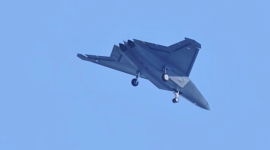
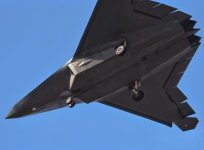
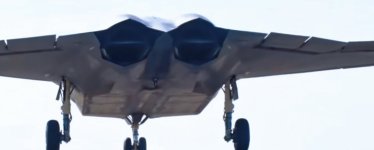
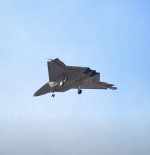
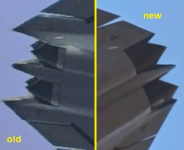
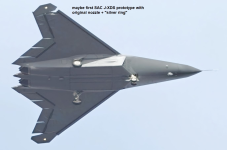
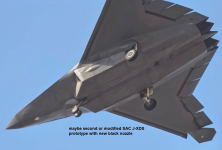
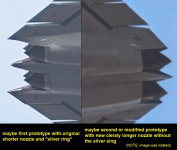
The clearest images yet of China's newly developed 6th-generation fighter jet have emerged on social media. The images provide important clues about the platform's tailless design, advanced control surfaces, and features aimed at reducing radar visibility.
ChinaNew images of the next-generation air superiority fighter jet being developed by China have surfaced on social media. The images reveal the clearest details to date regarding the platform's design, approximately 18 months after the program's first verified test flight.
For the Chinese People's Liberation Army Air Force Shenyang Aircraft Corporation The fighter jet, developed by [company name], was first seen during flight tests on December 26, 2024. The platform is currently in service. Chengdu J-20 It is considered to have been developed as a direct successor to the fighter jet.
The tailless design attracted attention.
Newly released images reveal that the design, which lacks vertical tail surfaces, utilizes numerous movable control surfaces to provide flight control. The removal of vertical tails is considered a significant design choice aimed at reducing radar visibility in sixth-generation fighter aircraft.
One of the most significant uncertainties at the current stage of the program remains which engine is being used in the prototypes. Experts believe that the engine used in the improved J-20 variants is the same one used in the prototypes. WS-15 They believe its engine could also be used in tests of the new fighter jet.
In the first production batches of the J-20 WS-10 While older engines were initially used, later production models switched to WS-15 engines. A similar approach is anticipated for the new platform. The ultimate goal, it is stated, is to introduce a completely new generation engine in the future.
It is stated that the high thrust and energy generation capacity provided by the WS-15 will play a significant role in supporting the aircraft's supersonic cruising capability and advanced mission systems.
WS-15 powered J-20A
Long range and advanced sensors stand out.
Another striking feature in the images is the radar nose section, which appears quite large compared to the size of the aircraft's fuselage. This is believed to indicate that the platform prioritizes beyond-visual-range air combat capabilities and high-performance sensor systems.
The lambda wing structure and the aerodynamic design integrated with the fuselage were also chosen to both reduce the radar signature and provide more internal space for fuel, weapons, and electronic systems.
While the J-20A is already stated to be one of the world's longest-range fighter jets, it is claimed that the new generation platform will be able to reach a combat radius of approximately 2.500 kilometers.
China is developing two separate sixth-generation fighter jets.
The platform, developed by Shenyang, was first unveiled in December 2024 and Chengdu Aircraft Corporation It stands out as one of two separate programs being conducted alongside another, larger-class sixth-generation fighter aircraft developed by the same company.
Both platforms are expected to enter service in the early 2030s, and China is considered the first country to reach the flight testing phase in the race to develop a sixth-generation fighter jet.
However, it is noted that a significant portion of the information regarding the aircraft's range, performance, engine selection, and operational capabilities has not yet been officially confirmed, and current assessments are based on open-source analyses.
The clearest images yet of China's newly developed 6th generation fighter jet have emerged on social media. The images showcase the platform's tailless design and advanced features.

haber.aero






 FBI arrests alleged Chinese agent at LAX after she allegedly surveilled son of Taiwanese president (10 Viewers)