Navigation
Install the app
How to install the app on iOS
Follow along with the video below to see how to install our site as a web app on your home screen.
Note: This feature may not be available in some browsers.
More options
Style variation
You are using an out of date browser. It may not display this or other websites correctly.
You should upgrade or use an alternative browser.
You should upgrade or use an alternative browser.
Chinese 6th Generation Aircraft News & Discussions
- Thread starter SiliconBit (silicon0000)
- Start date
More options
Who Replied?


Beijingwalker
VIP Member

China’s Mysterious J-36 Fighter Is Developing at Stunning Speed!
Aug 2, 2026
“China’s Mysterious J-36 Fighter Is Developing at Stunning Speed!”
China’s mysterious J-36 next-generation aircraft has appeared in another heavily revised configuration, raising new questions about the speed of China’s sixth-generation fighter development. The latest images appear to show changes to the aircraft’s nose, air intakes, landing gear, exhaust arrangement, and overall aerodynamic shaping.
In this episode, we examine the three major J-36 configurations observed since December 2024 and explore what these design changes may reveal about Chengdu Aircraft Corporation’s testing strategy. We also discuss the aircraft’s possible long-range role, tailless design, estimated capabilities, and the unconfirmed claim that it could enter service around 2030.
Finally, we compare China’s visible J-36 progress with America’s secretive F-47 program. Is China truly ahead, or are public images giving us only part of the story?
Watch the full episode for a clear, neutral breakdown of the evidence, estimates, and unanswered questions surrounding China’s next-generation aircraft.
Beijingwalker
VIP Member
World’s First Sixth Generation Fighter Demonstrates Unprecedented New Manoeuvres in China
August-15th-2026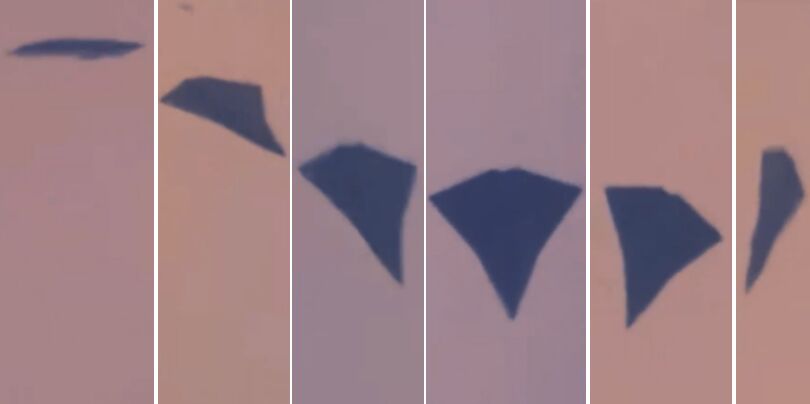
Chinese Sixth Generation Fighter Demonstrates Extraordinary High-Alpha Manoeuvrability
New footage of China’s first sixth generation fighter has provided a new demonstration of the type’s high manoeuvrability, highlighting its ability to conduct previously unseen new manoeuvres. As the first sixth generation fighter type developed worldwide, which is expected to enter active service around 2030, around a decade before rival programs abroad, the new aircraft developed by the Chengdu Aircraft Corporation is currently at the forefront of pioneering new combat aviation capabilities. The fighter was observed performing a complex high-alpha, high-energy manoeuvre, rapidly pitching over before diving almost vertically, then recovering sharply and climbing back upwards.
The manoeuvre seen was particularly demanding because it combined a high angle of attack with rapid changes in flight path and energy state. At high alpha, airflow over the wings and control surfaces can become increasingly separated, reducing aerodynamic predictability and potentially limiting conventional control authority. Maintaining precise control while pitching over therefore places substantial demands on the aircraft’s flight-control system. The rapid transition into a near-vertical dive also creates significant energy-management challenges. A high-alpha manoeuvre can rapidly reduce airspeed, while the subsequent dive can cause velocity to increase very quickly.

The recovery is arguably the most demanding portion of the manoeuvre. Arresting a steep descent requires the aircraft to generate sufficient lift and pitch authority to rapidly change its flight path, potentially imposing high G-loads on both the aircraft and pilot. The fighter must accomplish this while remaining within its aerodynamic and structural limits and retaining sufficient energy to continue climbing after the recovery. It is highly challenging to maintain controlled flight through a sequence of rapidly changing aerodynamic conditions while managing airspeed, angle of attack, G-loads and energy. Advanced flight-control systems can substantially assist with this, but executing the manoeuvre safely and repeatably still requires considerable aerodynamic performance and control authority.
The manoeuvres performed were particularly outstanding as the fighter is both by far the largest and heaviest in the world, and the first with a tailless design. Major advances in Chinese engine technologies, and the unique integration of three separate engines, remain a primary factor allowing the fighter to maintain a high thrust-to-weight ratio despite its extreme size. A tailless fighter must achieve sufficient pitch, yaw and roll control using its wings, elevons, split drag rudders, thrust vectoring or other control surfaces, which is particularly difficult at high angles of attack, where airflow can separate from the wing and control surfaces, potentially reducing or changing their effectiveness. This indicates the integration of highly sophisticated flight-controls capable of continuously compensating for changing aerodynamic conditions.
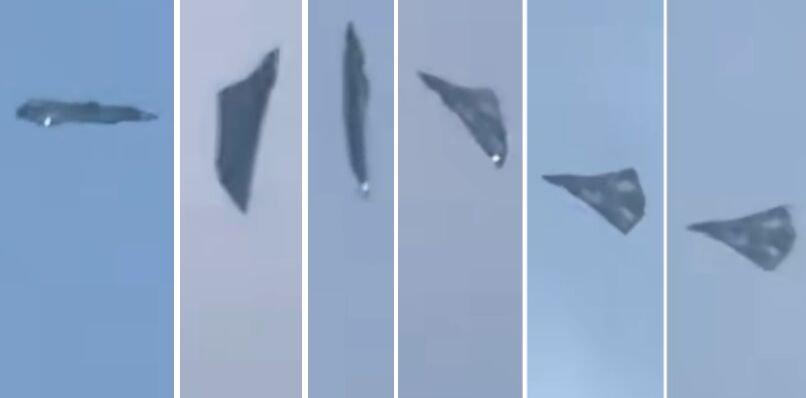
The development of a fighter with control surfaces that can provide sufficient manoeuvrability to compensate for the lack of horizontal tailplanes is outstandingly challenging, and was only confirmed to have ever been achieved with the release of footage of the new Chinese sixth generation fighter in June, which first demonstrated its manoeuvrability. The greatest challenge for tailless fighters is pitch control. Conventional fifth-generation fighters use horizontal stabilisers to generate large pitching moments, with their position well behind the centre of gravity giving them considerable leverage to rapidly raise or lower the nose. A tailless aircraft loses this mechanical advantage, leaving elevons and other wing-mounted control surfaces to provide pitch authority. This can limit instantaneous turn performance, complicate stability, and reduce control authority at low speeds and high angles of attack.
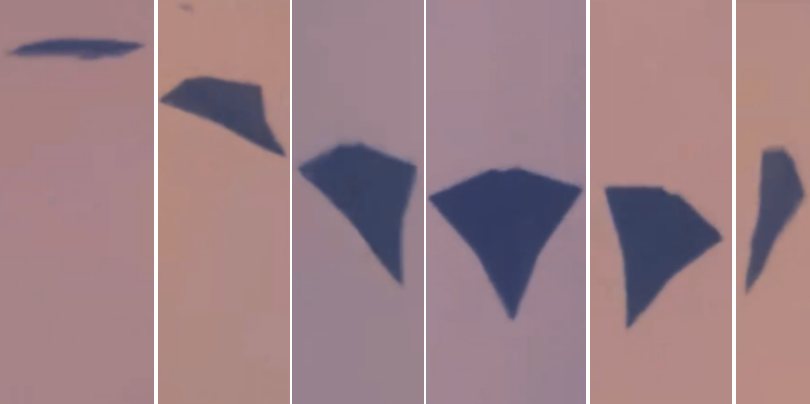
World’s First Sixth Generation Fighter Demonstrates Unprecedented New Manoeuvres in China
New footage of China’s first sixth generation fighter has provided a new demonstration of the type’s high manoeuvrability, highlighting its ability to conduct previously unseen new manoeuvres. As the…
Beijingwalker
VIP Member
China's 6th-Generation Tailless Giant's Stunning On Camera Manoeuvre
Aug 17, 2026
China’s secretive sixth-generation fighter has been filmed performing a striking new manoeuvre that could reveal how far Beijing’s next-generation aviation programme has advanced.
New footage shows the massive Chengdu-developed aircraft entering high-alpha flight, pitching into a near-vertical dive and recovering before climbing again.
The display is particularly significant because the three-engine aircraft uses an unusual tailless design, creating major flight-control challenges.
As China continues testing its next-generation fighter while America develops its own future combat aircraft, has Beijing solved one of the biggest problems facing tailless fighter designs?


Last edited:
Beijingwalker
VIP Member
World’s First Sixth Generation Fighters Seen in First Aerial Refuelling Footage Over China
Military Watch Magazine Editorial StaffAugust-29th-2026
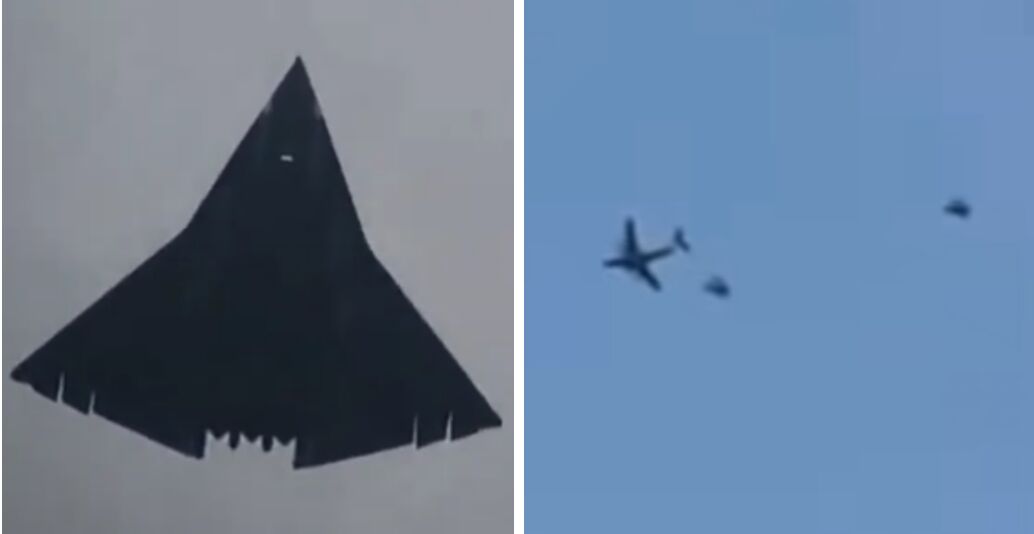
On August 28 the first footage showed two Chinese sixth generation fighter prototypes of an unnamed type conducting aerial refuelling from a YY-20 tanker, providing a significant indication of the program’s maturing just 20 months after its first flight.
The fighter currently under development by the Chengdu Aircraft Corporation is by far the largest and longest ranged in the world, and is expected to be the first in the world with a sixth generation design and capabilities to enter service anywhere in the world.
The fighter uses a unique triple engine configuration, and has repeatedly demonstrated extreme levels of manoeuvrability that were unexpected for an aircraft of its size.

Chinese Sixth Generation Fighter Demonstrates Extraordinary High-Alpha Manoeuvrability
The release of footage showing sixth generation fighters refuelling the air follows the release of a promotional film in late July for the Y-20 heavy lift aircraft, which hinted at the YY-20 tanker variant providing aerial refuelling support for the new fighter type.
The Y-20 is the largest military utility aircraft in production worldwide, with the rapid expansion of the YY-20 fleet, and the fleet of long range fighters, significantly expanding the reach of Chinese air units.
The new sixth generation fighter is expected to have an unrefuellled combat radius of over 3,500 kilometres, which could be extended considerable with even limited YY-20 support to provide an intercontinental operating range.
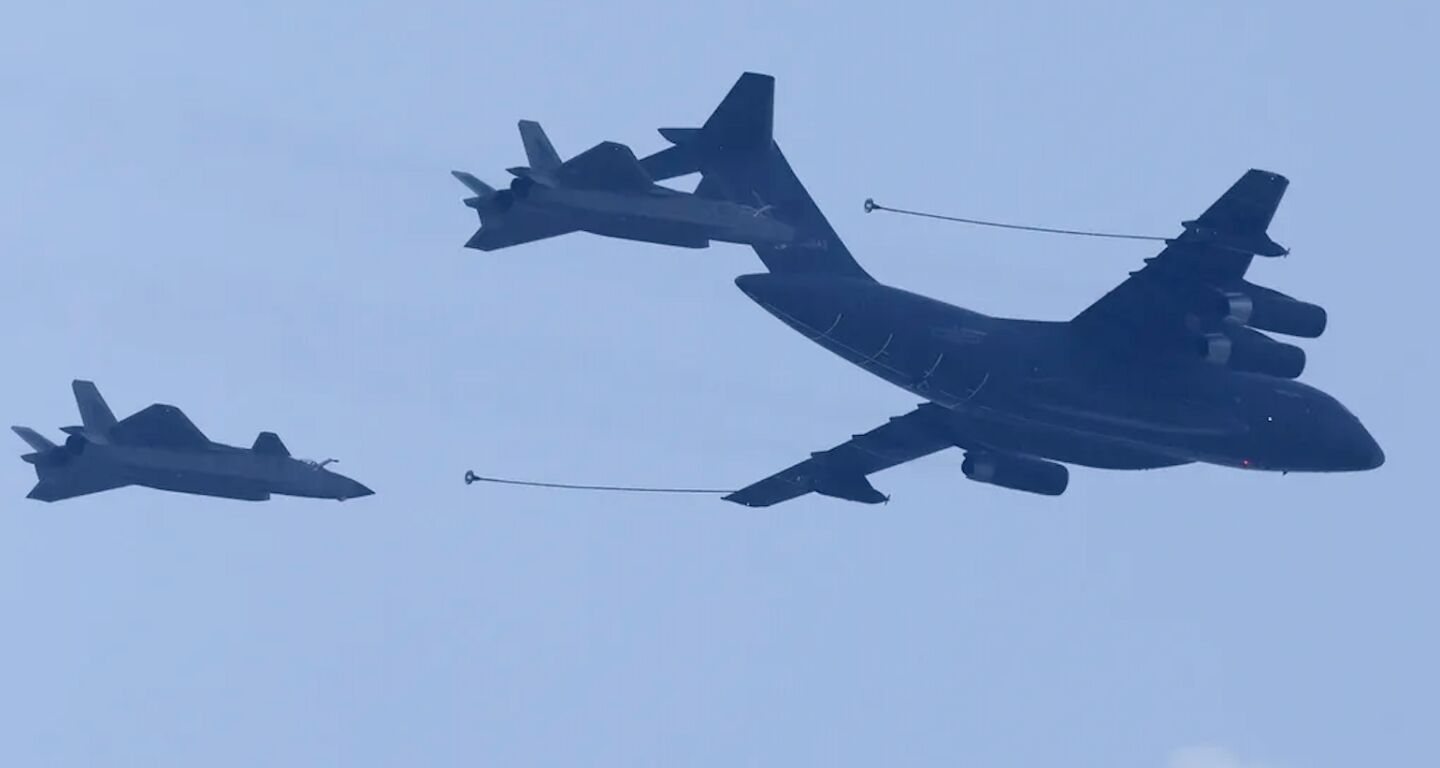
Chinese combat aviation is generally far less reliant on aerial refuelling support than that in the Western world, primarily due to the much longer ranges of the country’s fighter aircraft.
China's primary air superiority fighter the fifth generation J-20 is estimated to be a little over 2,000 kilometres on internal fuel, far exceeding that of any Western fighter type, while that of the most capable Western fighter type the F-35 is approximately 1,000 kilometres.
A primary role of the sixth generation fighter being developed by Chengdu is expected to be the targeting of tankers and other critical support aircraft far across the Pacific, which would seriously complicate Western air operations.
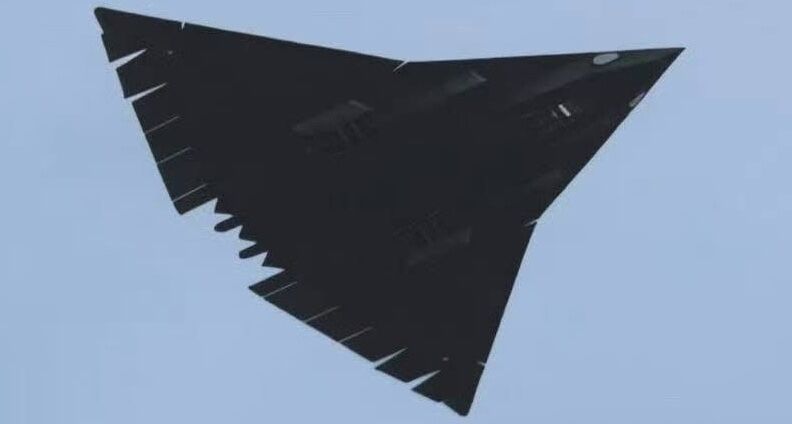
The new sixth generation fighter combines a long range with an exceptionally large radar, high weapons carrying capacity, and major advances in stealth capabilities facilitated by a new tailless design.
The development of a new generation of very long range air-to-air missiles, which will be the world’s first built around hypersonic glide vehicles, has the potential to be a game changer for the fighter’s ability to engage high value aircraft very far from the Chinese mainland, complementing the attributes of the aircraft itself.
The records of China and the United States for rates of fighter development indicates that China will bring its fighters into service close to a decade prior, with Chengdu’s sixth generation fighter expected to join the Air Force in the early 2030s, while its U.S. rival the F-47 becomes operational only in the early 2040s.
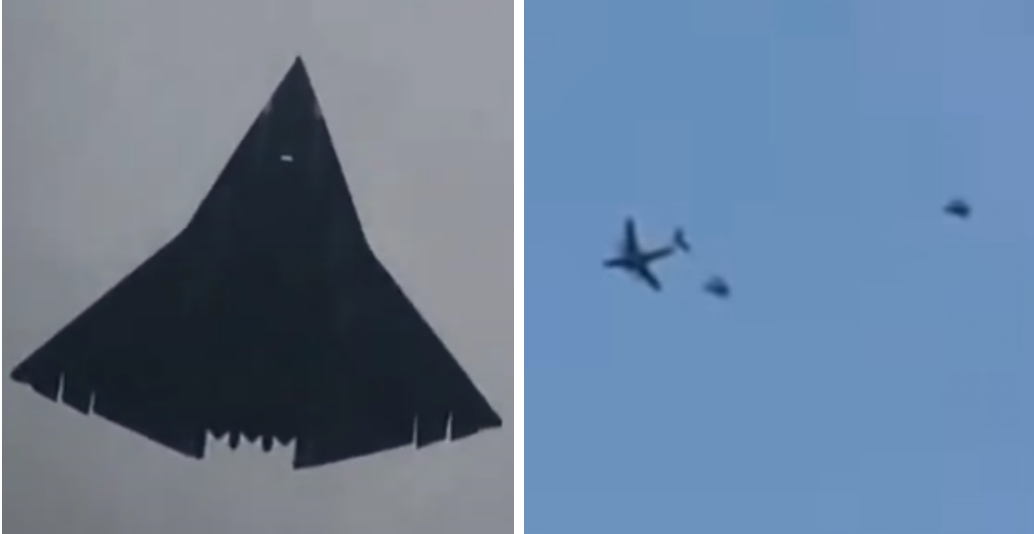
World’s First Sixth Generation Fighters Seen in First Aerial Refuelling Footage Over China
On August 28 the first footage showed two Chinese sixth generation fighter prototypes of an unnamed type conducting aerial refuelling from a YY-20 tanker, providing a significant indication of the pr…
Beijingwalker
VIP Member


niubi
Registered Member


Noticing that AVIC intentionally put in two J-36 advanced prototypes both number 36011, one representing the very first spotted flying prototype in 2024 which has Caret intakes and the more geometrically clean single expansion ramp nozzle and one of the other prototypes which have DSI side intakes instead of the carets and does not have the nozzle ramp.
Interesting, if indeed legit!  An alleged "Acquisition, Tracking, and Pointing (ATP) system of J-36's laser weapon" showcased at the 14th China International Defence Electronics Exhibition.(Via @Devil_R22 in FighterJets)
https://reddit.com/r/FighterJets/comments/1whq7n0/acquisition_tracking_and_pointing_atp_system_of/
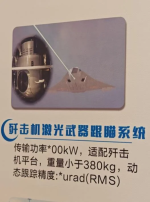
An alleged "Acquisition, Tracking, and Pointing (ATP) system of J-36's laser weapon" showcased at the 14th China International Defence Electronics Exhibition.(Via @Devil_R22 in FighterJets)https://reddit.com/r/FighterJets/comments/1whq7n0/acquisition_tracking_and_pointing_atp_system_of/
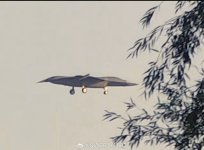
As others have already reported, the SAC J-XDS prototype has been spotted once again, and if I'm not mistaken, this one differs yet again from the aircraft seen before: In particular, the radome is clearly lighter in colour, suggesting that a radar has been installed.
Users who are viewing this thread
Total: 4 (members: 0, guests: 4)


