Type 004 Becomes China’s Largest Aircraft Carrier While Still Under Construction
View attachment 212324
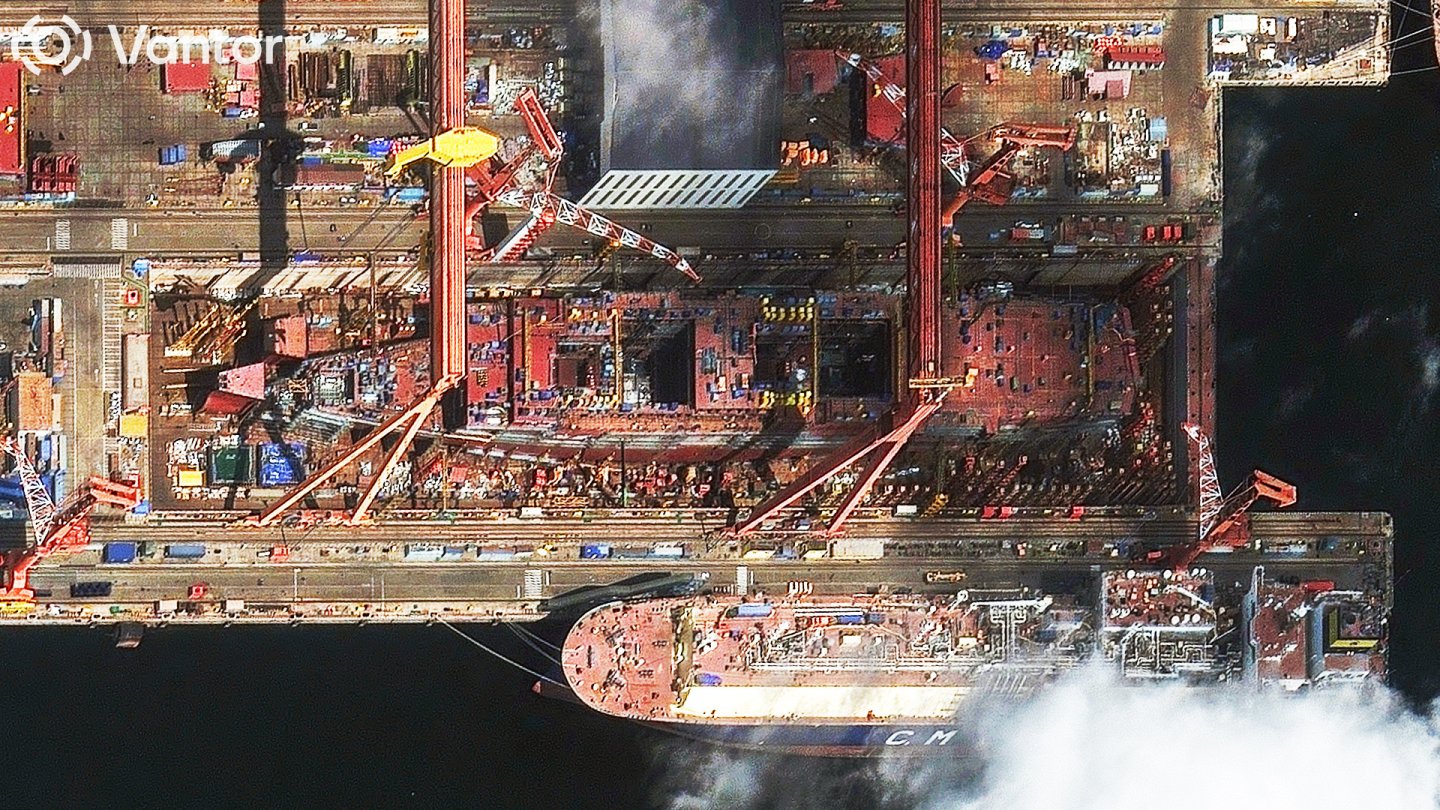
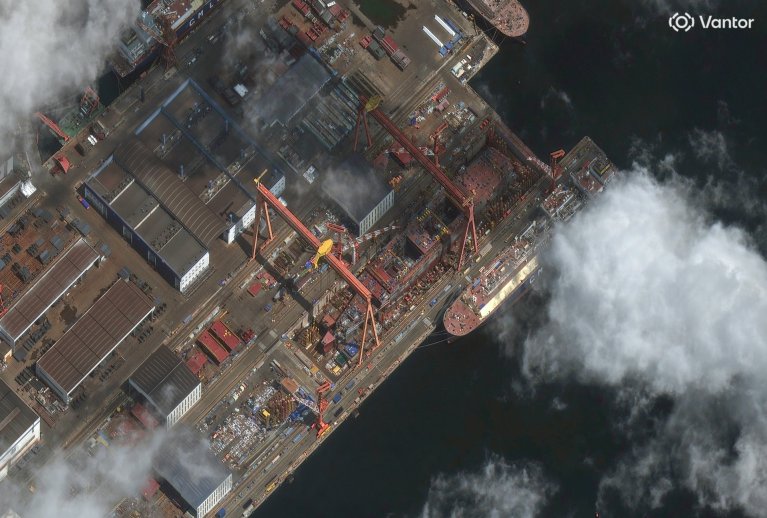
Type 004 at Dalian Shipyard on August 21, 2026. Satellite image by Vantor/TWZ
Even before construction was completed, China’s fourth aircraft carrier, the Type 004, became the largest in the country’s fleet in terms of hull length, which has already reached about 320 meters.
This was reported by
The War Zone, which analyzed satellite imagery from Vantor and Planet Labs dated August 21, 2026.
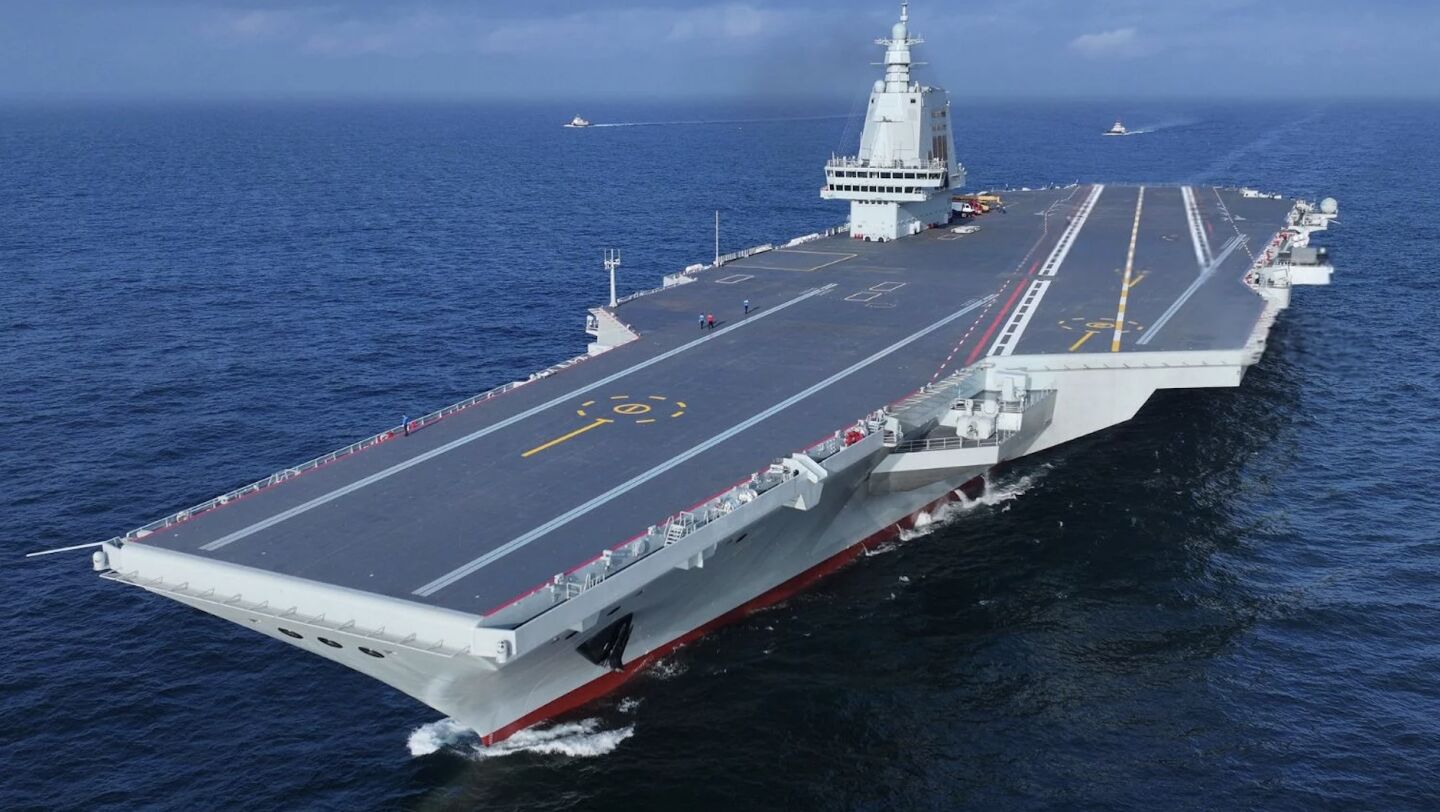
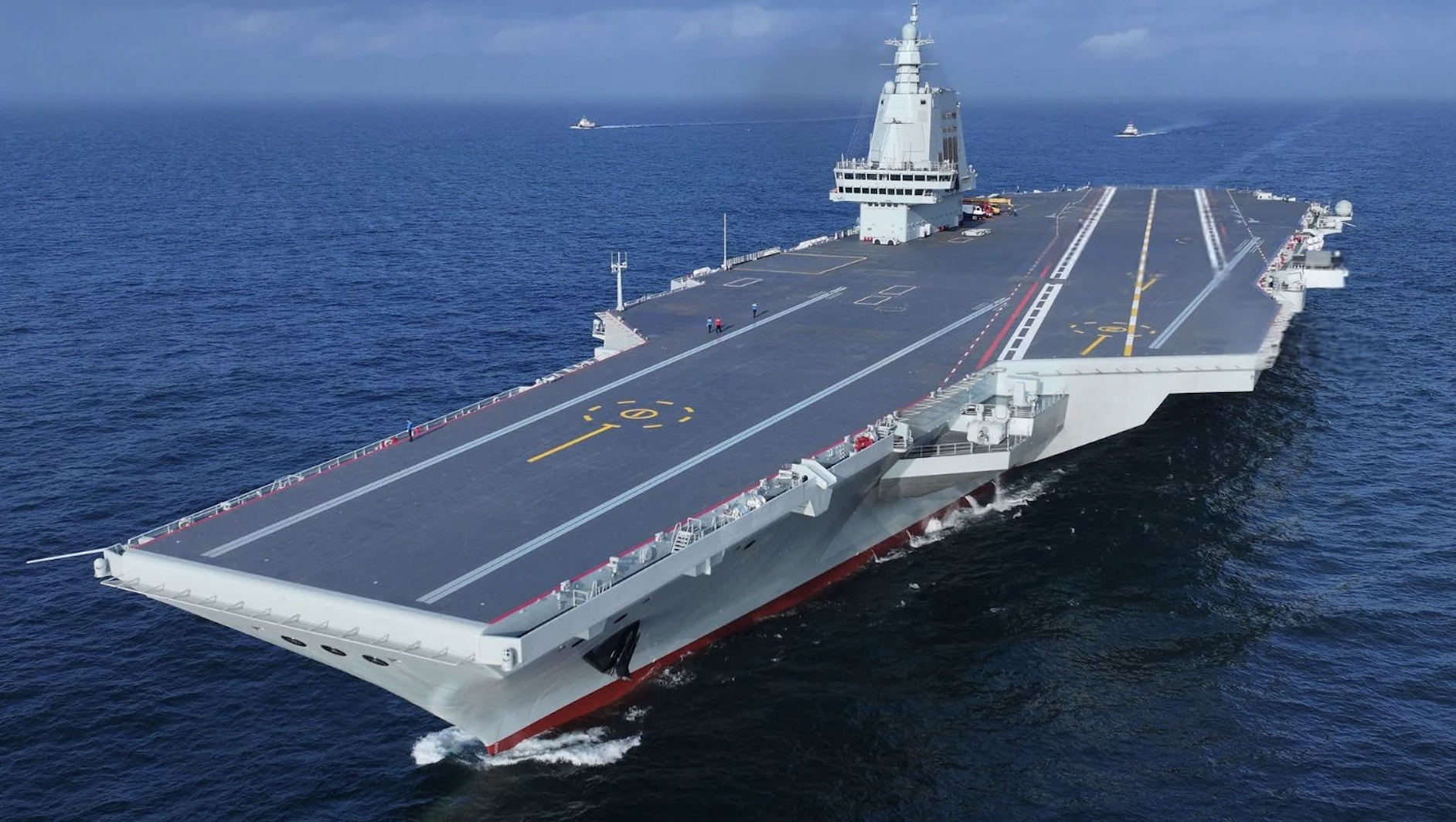
Currently, the largest completed Chinese aircraft carrier is the Type 003 Fujian, which is about 303 meters long at the waterline and 316 meters overall, while the U.S. USS Gerald R. Ford has a total length of 337 meters.
At the same time, the dimensions of the new ship will continue to increase, as aircraft carriers feature wider and longer superstructures, and the Type 004 has not yet been equipped with a full-fledged flight deck.
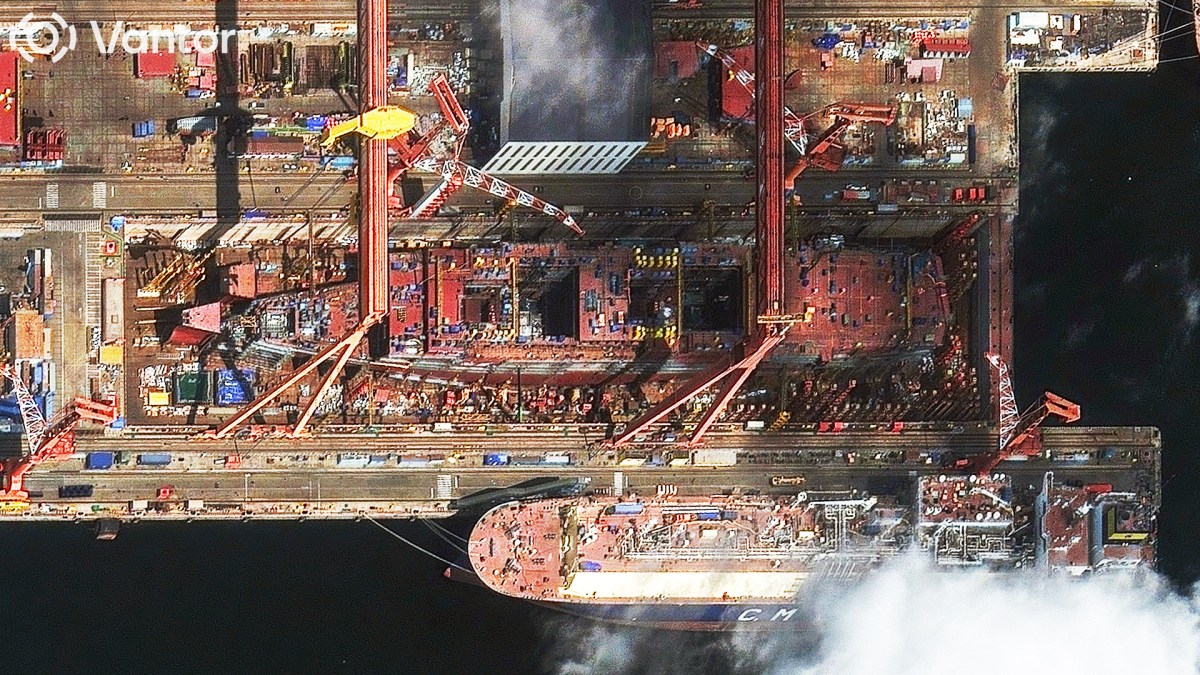
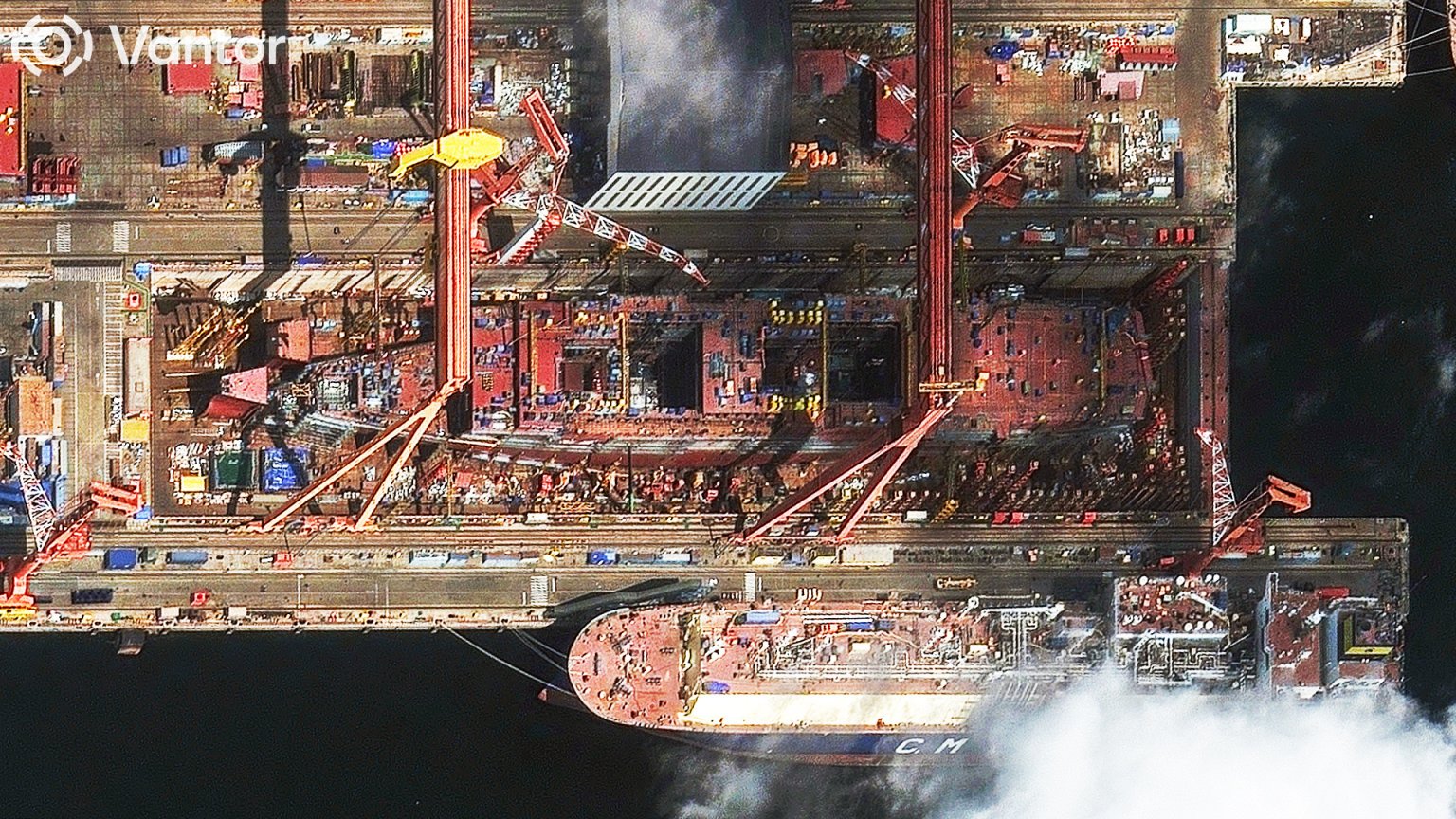
Type 004 at Dalian Shipyard on August 21, 2026. Satellite image by Vantor/TWZ
New satellite images also show the ship’s bow, which is nearly complete. The Type 004 is being built in the same dry dock where construction of China’s first aircraft carrier, the Liaoning, was completed and where the second — the Shandong — was built.
According to preliminary estimates, the Type 004 will feature a CATOBAR configuration — catapult-assisted takeoff and arresting gear-assisted landing.
The first two Chinese aircraft carriers, the Liaoning and the Shandong, use bow ramps, which limit the aircraft’s takeoff weight. The third aircraft carrier, the Fujian, became the first Chinese ship of this class to feature electromagnetic catapults.
In early satellite images of the Type 004 sections, analysts noticed recesses that could be channels for catapult tracks. According to TWZ’s assessment, this may indicate the possibility of installing four catapults, two at the bow and two on the sides, though the ship’s final configuration has not been officially confirmed.
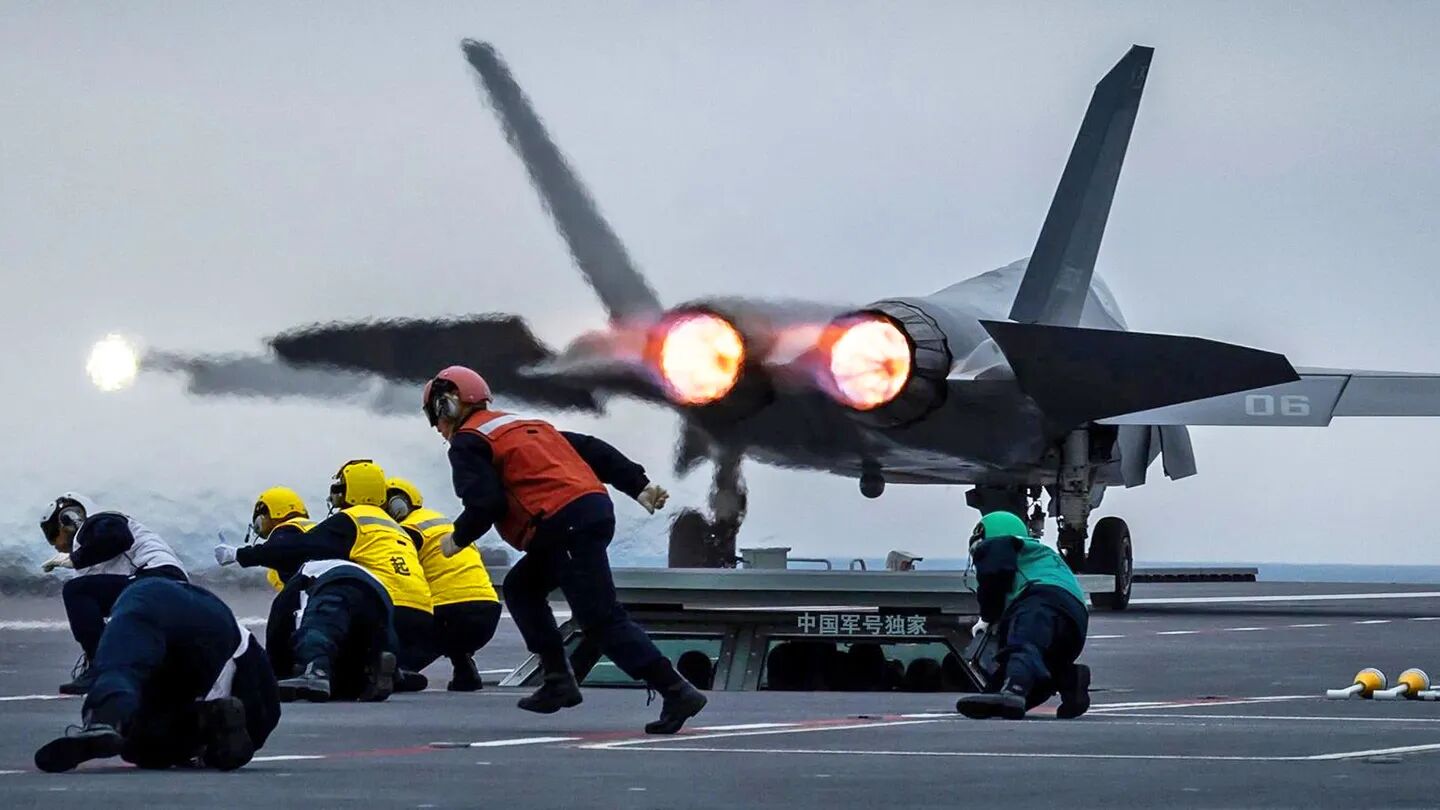
The ship’s air wing will likely include low-observable J-35 fighters, multi-role J-15s, and their electronic warfare variants. The aircraft carrier will also likely be capable of carrying KJ-600 long-range early warning and control aircraft, helicopters, and carrier-based versions of the GJ-11 strike drone.
Furthermore, there are strong indications that the Type 004 will be China’s first aircraft carrier with a nuclear power plant. In earlier images, analysts have
identified structures resembling the containment vessels of two nuclear reactors.
View attachment 212325
Probable locations for nuclear reactors on the Type 004 aircraft carrier. Vantor satellite image, photo CSIS
The nuclear power plant will provide the aircraft carrier with virtually unlimited cruising range and increase the power available to power onboard systems. This is particularly important for the operation of modern radars, electronic warfare systems, and electromagnetic catapults.
According to satellite imagery, the
keel-laying ceremony may have taken place in mid-2025. However, the dates for the Type 004’s launch and its induction into the Chinese People’s Liberation Army Navy remain unknown at this time.
Even before construction was completed, China’s fourth aircraft carrier, the Type 004, became the largest in the country’s fleet in terms of hull length,

militarnyi.com