Chinese assistances to Pakistan - CPEC

Chinese firm to invest $1.5bn in Punjab Industrial Park

Safdar Rasheed
November 30, 2025

LAHORE: A Chinese investor group has signed a major agreement with the Punjab government to develop a 300-acre industrial park in the province, sources in the Punjab Industries, Commerce, Investment and Skills Development (ICISD) Department told Business Recorder here on Saturday.

According to the agreement, Sino Pak Tech Industry (Pvt) Ltd will bring USD1.5 billion in foreign direct investment to establish the new industrial zone.

The park will host manufacturing units in textiles, automotive, pharmaceuticals, and other sectors, generating thousands of jobs as production scales up. “The Government of Punjab is providing every possible facility to foreign investors,” Provincial Minister for Industries and Commerce Chaudhry Shafay Hussain said, adding that the new investment will usher in a fresh era of employment and industrial development in the province.

He said that the Punjab’s Special Economic Zones are being upgraded with international-standard infrastructure.

Under the Faisalabad Industrial Estate Development and Management Company (FIEDMC), additional facilities such as community centers and banking services are also being established to support incoming investors.

Sino Pak Tech Industry (Pvt) Ltd is part of a broader group of Sino-Pak industrial cooperation companies working to expand Chinese manufacturing and technology partnerships in Pakistan.

Sino-Pak entities, which including SINOPAK Electromechanica (Pvt.) Limited, provide a full suite of services for Chinese enterprises operating in Pakistan.

These include procurement, logistics, customs clearance, inland transportation, installation, and after-sales support for industrial machinery.
 

BRI Science Agenda Moves Forward with New China-Pakistan Pharmacy Initiatives​

By Tahir Ali | Gwadar Pro
Dec 4, 2025

TIANJIN - Efforts to implement the Action Plan to Foster an Even Closer China-Pakistan Community with a Shared Future in the New Era (2025–2029) are beginning to take practical shape, with one of its important components, cooperation in medicine and pharmaceutical sciences, now moving toward concrete implementation under the Belt and Road framework.

The Action Plan 2025–2029, endorsed during Prime Minister Muhammad Shehbaz Sharif’s state visit to China from August 30 to September 4, 2025, outlines cooperation across multiple scientific and technological fields. Among these, medicine and health stand out.

Both governments agreed to “strengthen joint research programs in applied and basic sciences… and jointly support intergovernmental research programs on… medicine and health” while also committing to “work together to implement specialized cooperation programs for scientific and technological innovation in… traditional medicine.”

These commitments were reflected on the ground this week at the 2025 Annual Academic Conference of the Tianjin Key Laboratory of Molecular Drug Research, where Chinese and Pakistani scholars advanced concrete steps toward deeper collaboration in pharmaceutical sciences.

During a high-level session at Nankai University, senior leadership from the University of Sargodha (UoS), including Vice Chancellor Prof. Dr. Qaisar Abbas and the Pro-Vice Chancellor and Dean of Pharmacy, met with Nankai’s Faculty of Pharmacy for extensive discussions aligned with the Action Plan’s health and medicine priorities.
 

BRI Science Agenda Moves Forward with New China-Pakistan Pharmacy Initiatives​

By Tahir Ali | Gwadar Pro
Dec 4, 2025

TIANJIN- Efforts to implement the Action Plan to Foster an Even Closer China-Pakistan Community with a Shared Future in the New Era (2025–2029) are beginning to take practical shape, with one of its important components, cooperation in medicine and pharmaceutical sciences, now moving toward concrete implementation under the Belt and Road framework.

The Action Plan 2025–2029, endorsed during Prime Minister Muhammad Shehbaz Sharif’s state visit to China from August 30 to September 4, 2025, outlines cooperation across multiple scientific and technological fields. Among these, medicine and health stand out. Both governments agreed to “strengthen joint research programs in applied and basic sciences… and jointly support intergovernmental research programs on… medicine and health” while also committing to “work together to implement specialized cooperation programs for scientific and technological innovation in… traditional medicine.”

These commitments were reflected on the ground this week at the 2025 Annual Academic Conference of the Tianjin Key Laboratory of Molecular Drug Research, where Chinese and Pakistani scholars advanced concrete steps toward deeper collaboration in pharmaceutical sciences.

During a high-level session at Nankai University, senior leadership from the University of Sargodha (UoS), including Vice Chancellor Prof. Dr. Qaisar Abbas and the Pro-Vice Chancellor and Dean of Pharmacy, met with Nankai’s Faculty of Pharmacy for extensive discussions aligned with the Action Plan’s health and medicine priorities.

“The discussions, centered on collaboration under the Belt and Road Initiative (BRI), yielded several key agreements,” reads an official statement of the university. The delegates agreed on several initiatives: establishing joint research laboratories in molecular drug development, launching exchange and internship pathways for pharmacy students, initiating collaborative research projects and planning an international research conference to expand regional scientific networks.

Momentum increased further when Nankai University accepted an invitation to send a delegation to visit the UoS campus, a step expected to refine upcoming programs and strengthen institutional coordination.

The progress made in Tianjin marks an early and tangible step toward implementing the Action Plan’s vision for closer cooperation in medicine, health and pharmaceutical research under the BRI.
 

Chinese Gem Experts Reaffirm Push for Gem-Sector Growth at GGIP Visit​

By Tahir Ali | Gwadar Pro
Dec 3, 2025

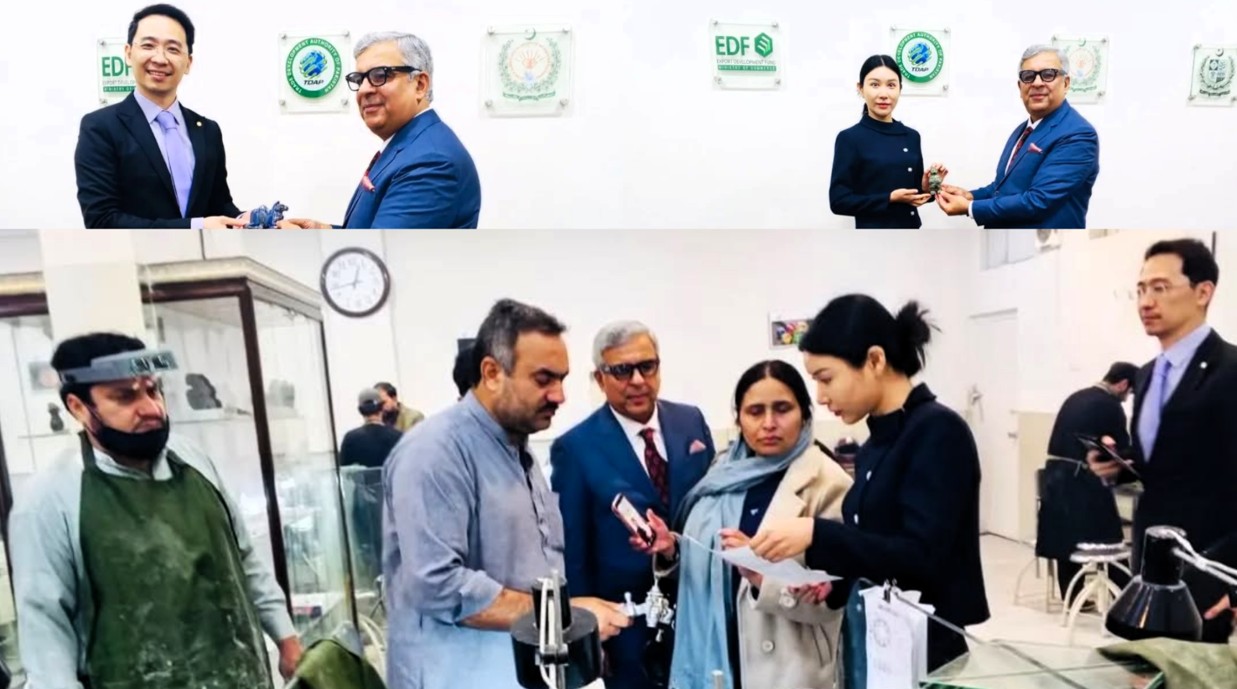
PESHAWAR, - A delegation of Chinese gem experts from the Huarui GuiXing Cultural Group (HG) visited the Gems & Gemological Institute of Pakistan (GGIP) on Wednesday, building on earlier collaboration between the two sides and reaffirming joint ambitions to modernise Pakistan’s gemstone and jade jewellery industry.

Chinese Gem Experts Reaffirm Push for Gem-Sector Growth at GGIP Visit


Director Noman Bashir welcomes Chinese gem experts to GGIP. [Photo/TDAP]

Led by senior representative Mr. Dong Wei Wei and accompanied by Ms. Liu Ying, the delegation toured GGIP’s lapidary, gemology, and jewellery-training units. According to a statement from the Trade Development Authority of Pakistan (TDAP), the visitors showed strong interest in GGIP’s hands-on training facilities, testing equipment, and ongoing skill-development programmes. They also appreciated the institute’s efforts in promoting value addition and professional training across Pakistan’s gem and jewellery sector.

The visit marks the first major on-site follow-up to the February 2025 engagement, when TDAP Islamabad facilitated business networking between Huarui GuiXing Cultural Group and GGIP. At the time, TDAP and GGIP announced plans with the Chinese group to strengthen gemological training in Pakistan through cutting-edge equipment, specialised instruction, and enhanced international exposure for local professionals.

Building on those earlier understandings, representatives from both sides reaffirmed their commitment on Wednesday to expand cooperation. Discussions focused on new joint initiatives, technology transfer, value-addition projects, and upgraded training models aimed at modernising Pakistan’s gemstone supply chain.

The renewed pledge comes at a pivotal time, as Pakistan prepares to introduce a formal National Gemstones Policy intended to improve regulation, sector formalisation, and value-added exports.

Based in Peshawar, GGIP is a leading institution offering specialised technical courses in gem identification, cutting, polishing, carving, faceting, and jewellery making. Its growing collaboration with Huarui GuiXing Cultural Group and other Chinese gem experts is viewed as a key driver of future skill development and sectoral advancement.
 

China-led green transport initiatives in high gear​

By Yasir Habib Khan | Gwadar Pro
Dec 12, 2025

Under Pakistan-China synergic cooperation to promote a green vehicular traffic environment, green urban transport system has been rolled out in Punjab.

Interplay of the China-built Orange Line Metro Train Lahore (OLMT), China-made electric buses, and the upcoming Chinese "Super Autonomous Rapid Transit (SRT) Metro" is changing the commutation experience of all and sundry in Punjab, the home of more than 100 million people.

Lahore OLMT, being the first CPEC project in Pakistan, became operational on October 26, 2020. More than 1,100 electric buses have been put into operation in various cities of Punjab for the travel facilitation of people of the province since last year.

Now charged up with the spirit of the Belt and Road Initiative (BRI) vision, the Chinese SRT Metro is all set to enter Pakistan’s transport landscape. The high-tech commuting service will debut in Lahore, the economic hub and capital of Punjab, in the coming days.

The SRT, known as a trackless, ticketless and battery-powered electric tram, came here after the Chinese company, NORINCO International Cooperation Ltd, brought it to Pakistan on July 21, 2025. The company is already credited with introducing a modern and top-notch transport system in Pakistan by unveiling, operating, and maintaining OLMT.

In an exclusive interview, when asked, NORINCO CEO, Tan Zidong, told Gwadar pro that the Super Autonomous Rapid Transport system is a highly innovative and eco-friendly initiative that will greatly enhance Punjab’s public transport network.

"It offers faster, safer, and cleaner mobility while being more cost-effective, as it does not require traditional rail tracks or overhead power lines. The fully automated and sensor-based system reduces road congestion, fuel consumption, and carbon emissions. Most importantly, it provides affordable, comfortable, and sustainable travel options for local communities, improving connectivity and overall quality of life," he mentioned. In the form of SRT, commuters are going to cherish a superior-quality travelling experience.

NORINCO International spokesperson Taha Khan Aziz said that the upcoming operation of the SRT metro line would help enable Pakistan to have the most advanced urban subway transit operating system in South Asia, and would greatly improve the traffic conditions in Lahore and become a new landmark of the city.

With the operationalisation of the SRT tram in Lahore, Pakistan will be well-positioned to meet the UN 2030 Agenda for Sustainable Development, which sets the target of reducing 50% global number of deaths and injuries due to traffic accidents.

Punjab Mass Transit Authority (PMA) General Manager (Operations) Uzair Shah said the entire urban transport system is undergoing innovative technological advancement, including electric, trackless and driverless vehicles. Punjab is also becoming a beneficiary of such high-tech public transport models offering local people easy, affordable and smart mobility by resolving their daily transportation woes.

Meanwhile, Lahore OMLT has another value addition in the public transport system that has been blessing people of Lahore with affordable, effective, swift and eco-friendly commutation since its launch in 2020.

It is Pakistan's first urban railway system as well as the first implemented large-scale public infrastructure project of the China-Pakistan Economic Corridor under the "Belt & Road Initiative". The project’s Comprehensive Management Department Deputy General Manager Liteng said that "the Orange Line provides a modern, punctual, and safe mode of transport for the people of Lahore, significantly reducing travel time across the city’s key routes". As an electric-powered mass transit system, he said, "OLMT helps reduce air pollution and carbon emissions, contributing to a cleaner and greener Lahore."
 

China-Pak cooperation in canola oil makes Wuhan snack more appetizing​

By Staff reporter | China Economic Net
Dec 12, 2025

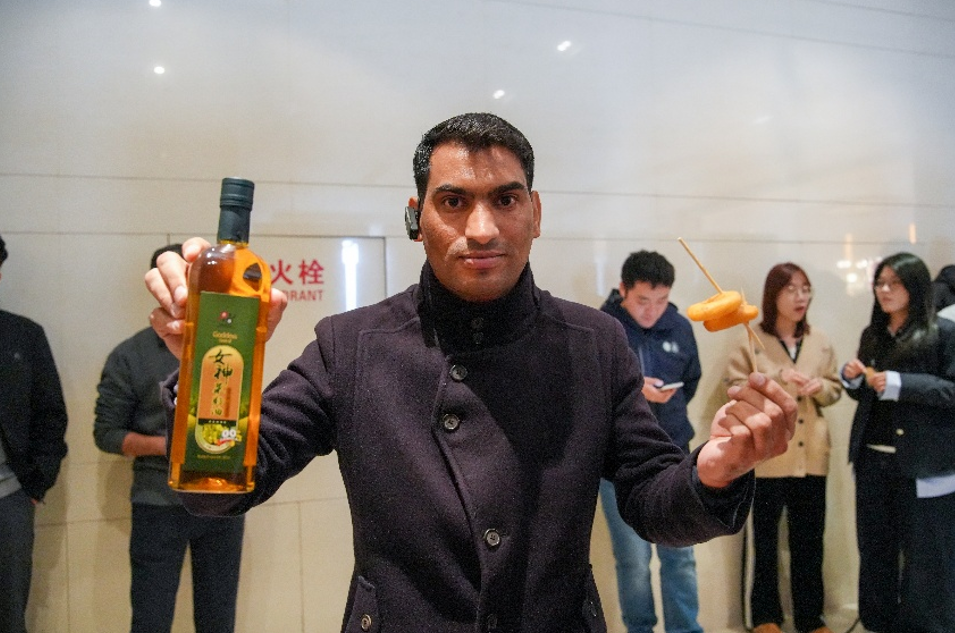
WUHAN, – “So tasty!” On December 10, the China-Pakistan Modern Seed Industry Cooperation and Exchange Conference was held in Wuhan. Syed Fahad Ali Sherazi, a participant in the Thousand Agricultural Talents Training Program in China from Pakistan, couldn’t help but give a thumbs up after eating a Mianwo, a kind of Wuhan-style donut-shaped snack.

China-Pak cooperation in canola oil makes Wuhan snack more appetizing


China-Pak cooperation in canola oil makes Wuhan snack more appetizing


Mianwo made from HC-021C canola oil [Photo provided to CEN]

This young man was so delighted to discover that the canola oil used to fry it came from his homeland, and the canola seeds were the result of joint research and development between China and Pakistan.

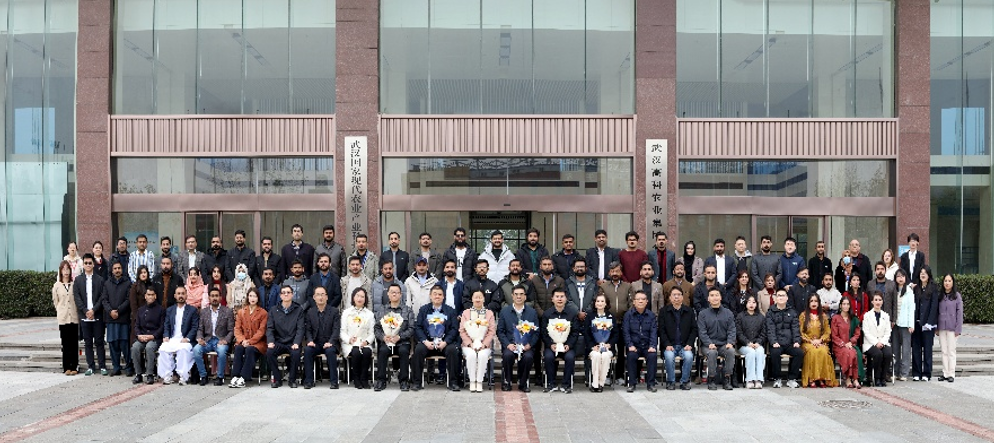
In October, Huazhong Agricultural University and Wuhan Qingfa Hesheng Agricultural Development Co., Ltd. jointly held a three-month training course on Seed Production and Processing Technology.

China-Pak cooperation in canola oil makes Wuhan snack more appetizing


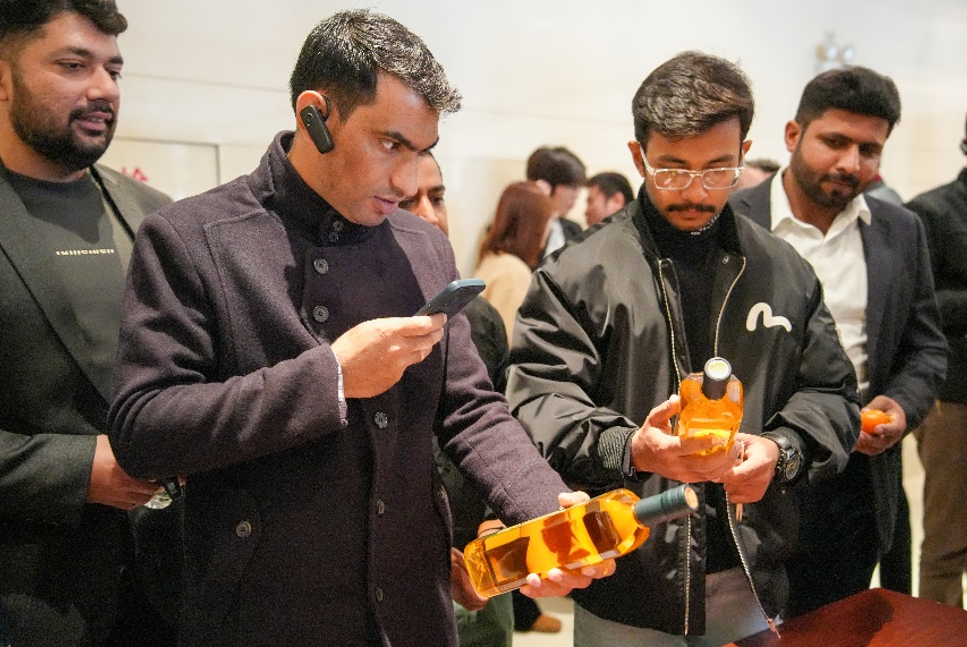
During the tea break, the organizer specially prepared semi-finished Mianwo, which were deep-fried on-site in “special” canola oil until golden brown. The crispy exterior and tender interior, along with the aroma of oil, attracted many Pakistani trainees. All of them sampled the exotic food, as well as many took photos and videos to share with their friends and family.

China-Pak cooperation in canola oil makes Wuhan snack more appetizing


Pakistani trainees diligently learn about canola oil [Photo provided to CEN]

Very soon, the trainees discovered the “special feature” of the rapeseed oil: the plastic bottle was printed with HC-021C, the name of a new canola variety that has been vigorously promoted for cultivation in Punjab, Pakistan, in recent years. This canola variety was jointly developed by China and Pakistan, and the oil extracted from it is sweeter and more fragrant than that of local varieties.
 

Pipri Freight Corridor to link Karachi with China and Central Asia​


By Fatima Javed | Gwadar Pro
Jan 15, 2026


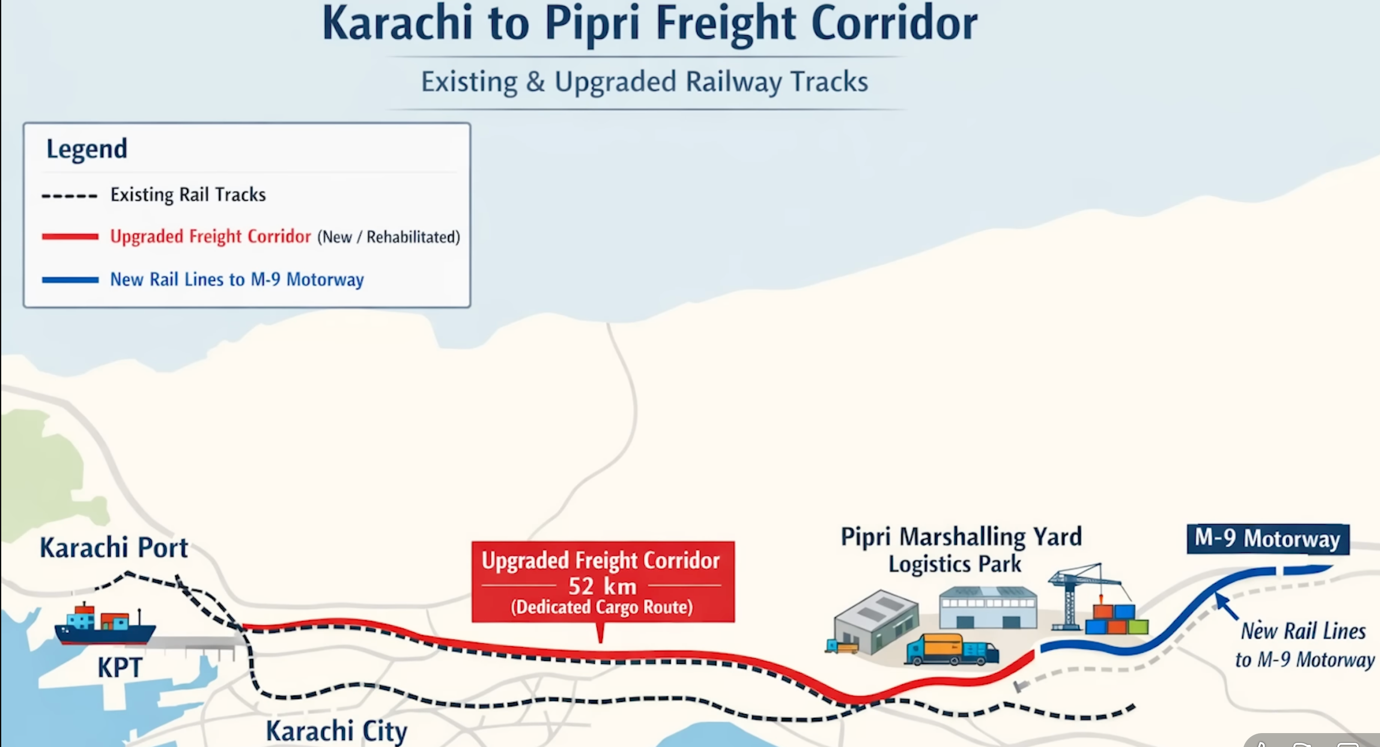
Pipri Freight Corridor to link Karachi with China and Central Asia


The route will connect Karachi port cargo to M9 motorway and eventually to CPEC route (Picture credits: Rich Pakistan)

ISLAMABAD, Jan. 15 (Gwadar Pro) - Pakistan on January 10 formally launched construction of the Pipri Dedicated Freight Corridor (DFC) and Multimodal Logistics Park, a major China–Pakistan Economic Corridor (CPEC)-aligned infrastructure project aimed at strengthening freight connectivity between Karachi’s ports, Pakistan’s inland markets, and onward routes to China and Central Asia.

The construction follows a groundbreaking ceremony held at the project site, attended by Federal Minister for Railways Hanif Abbasi, DP World Group Chairman and CEO Sultan Ahmed bin Sulayem, and senior representatives from the National Logistics Corporation (NLC), Pakistan Railways, and port and terminal operators.
 

Fishing Net Donation ceremony held at Gwadar Port on Jan 15​

By Yasir Habib Khan | Gwadar Pro
Jan 18, 2026

The Embassy of People’s Republic of China in Pakistan held a fishing net donation ceremony at Gwadar Port on January 15, donating 675 fishing nets for local fishermen.

Shah Fahad, Assistant Director Fisheries Department Balochistan received the nets on behalf of the local fishermen. Representatives from China Overseas Ports Holding Company (Pakistan) Ltd. (COPHC) and local fishermen attended the donation ceremony.

Consignment of donation of fishing nets for around 150 Gwadar fishermen arrived in Gwadar on January 12.

Total number of packages includes 45. Each bag covers 15 packs of net, 1 bundle of orange rope, 6 bundles of small rope. Each package will be used by 5-6 fishermen in group.

Donation consignment has reached into hands of Fisheries Department that will further distribute the items to the needy fishermen of Gwadar. This is the first batch of the consignment. More items will be delivered by the Consulate to the local fishing community in the coming months.

In the past, Gwadar fishermen were gifted small engines, fishing nets, special incubators, marine life-saving kits, and other livelihood materials from the Chinese Consulate in Karachi at a donation ceremony.Gwadar Fisheries Association official expressed gratitude to the consulate. He noted that an efficient distribution of the supplies to the fishermen will help them meet their ends efficiently.

The Chinese Consulate Karachi has pledged further aid for Balochistan, including for the Gwadar Port City, under the socio-economic development phase of the China-Pakistan Economic Corridor (CPEC) which addresses the issues people are facing.
 

Pakistan–China engineering partnership opens global jobs for Pakistani engineers​

By Shafqat Ali | Gwadar Pro
Jan 18, 2026

Pakistan’s engineering sector entered a new phase of global integration as the Pakistan Engineering Council (PEC) signed a landmark MoU with China Energy International Group (Energy China), enabling Pakistani engineers to work on major Chinese-led infrastructure projects worldwide.

The agreement allows PEC-registered engineers to be inducted into Energy China’s mega projects spanning power, renewables, hydropower, transmission, transport, and infrastructure across Asia, the Middle East, Africa, and Europe, said an official statement issued here on Friday afternoon.

Energy China’s Managing Director Wang Hui Hua highlighted the company’s presence in 147 countries with a workforce of 140,000 professionals, expressing strong commitment to hiring Pakistani engineers and partnering with local contractors in China-backed projects.

PEC Chairman Engineer Waseem Nazir described the MoU as a transformative step, announcing the establishment of a China Desk at PEC to institutionalize engagement with Chinese state-owned enterprises and ensure structured placements, skills transfer, and long-term collaboration.

He said the agreement aligns with Pakistan’s broader China-Pakistan Economic Corridor (CPEC)-linked industrial and human capital development strategy, positioning the country as a competitive engineering talent hub in the global infrastructure market.
 

Pak–China Innovation Agriculture Cooperation Centre launched in Kasur​

By Fatima Javed | Gwadar ProJan 18, 2026

Pak–China Innovation Agriculture Cooperation Centre launched in Kasur


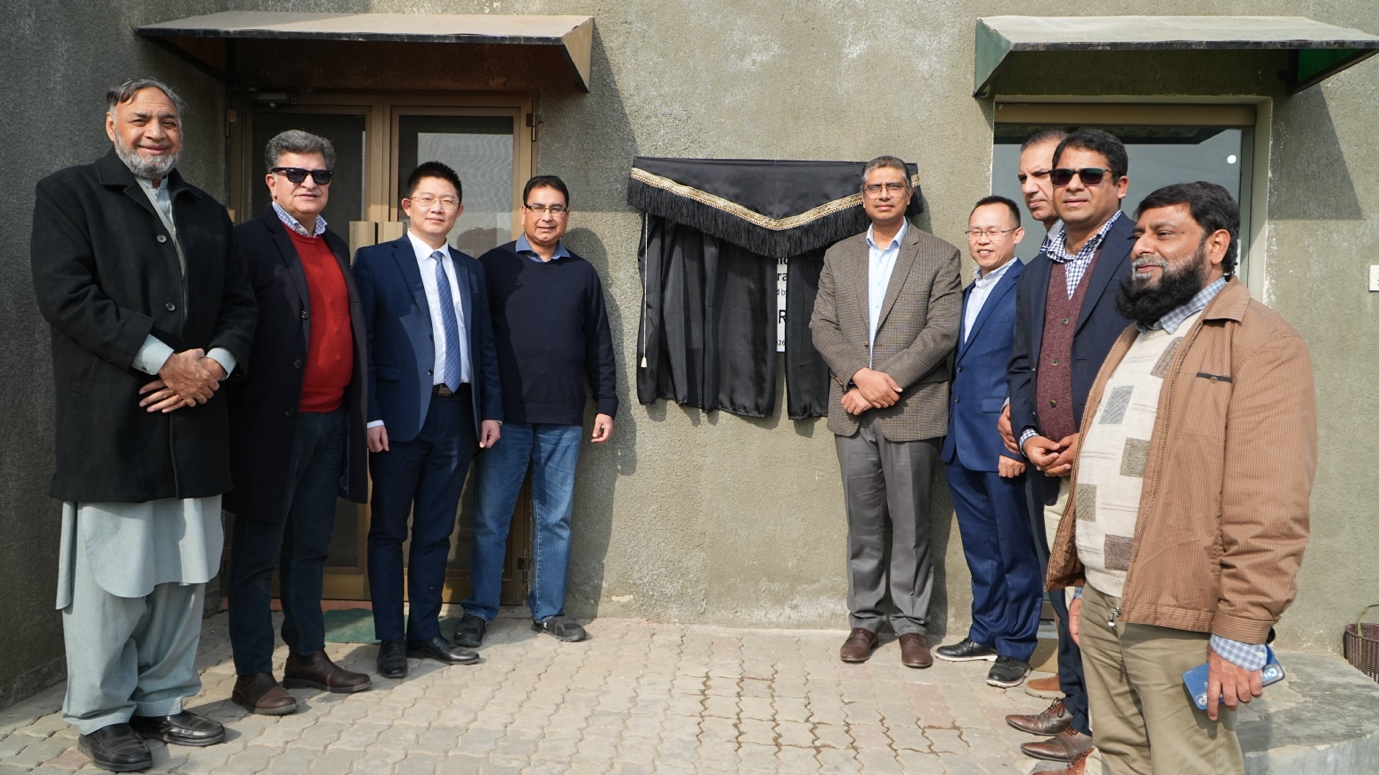
China Machinery Engineering Corporation (CMEC) on Friday inaugurated the Pak–China Innovation Agriculture Cooperation Centre at Kasuri Farms in Kasur, Punjab, marking a major milestone in Pakistan–China cooperation in modern and technology-driven agriculture.

The centre is designed to promote cutting-edge agricultural research and technology transfer while strengthening collaboration in smart farming, biotechnology, seed development, mechanisation and climate-resilient agriculture.

It will also focus on capacity building through structured farmer training programmes, knowledge exchange platforms and applied research initiatives, supporting sustainable food systems and rural development across Pakistan.
 

China-Pakistan Low-altitude Economy Industry-Education Integration Conference Held in Beijing​


By Staff Reporter | Gwadar Pro
Jan 19, 2026

BEIJING-On January 15, the China-Pakistan Low-altitude Economy Industry-Education Integration Conference was held in Beijing. Representatives from various institutions gathered to engage in in-depth discussions on low-altitude economy technology cooperation, talent cultivation, and industry collaboration. Their goal was to promote pragmatic cooperation between the two countries in the burgeoning field of low-altitude economics.

The low-altitude economy, as a strategic emerging industry, has been included in China’s government work reports for two consecutive years and is a key component of the country’s 15th Five-Year Plan.

According to the Ministry of Industry and Information Technology of China, the scale of China’s low-altitude economy surpassed 500 billion RMB in 2023 and is projected to reach 2 trillion RMB by 2030, emerging as a significant new driver of economic growth.

Currently, China holds a global leadership position in areas such as drone research and manufacturing, smart flight control, and innovative applications. Chinese consumer drones account for approximately 70% of the global market share, while industrial drones are being widely used in logistics, agriculture, and emergency rescue.
 

Pakistan, China set to ink MoUs in 10 agri-sectors

Amin Ahmed
January 20, 2026

• Over 300 local, Chinese firms attend investment summit
• PM says agriculture can be transformed ‘within months’ with Beijing’s support


ISLAMABAD: Pakistan and China are set to sign multiple memorandums of understanding (MoUs) for private-sector joint venture investments worth millions of dollars across 10 key sectors of agriculture, it emerged from the Pakistan-China Agricultural Investment Conference held in Islamabad on Monday.

The sectors in which agreements are expected to be signed include agriculture, food processing, livestock, fisheries, agri-inputs, farm machinery, renewable energy, logistics, technology and value-added exports.

The conference drew strong participation from the private sectors of both countries, with 119 companies from China and 191 companies from Pakistan in attendance, reflecting growing bilateral commercial interest.


Agriculture has been officially elevated as a priority area of cooperation under the second phase of the China-Pakistan Economic Corridor (CPEC).

The 10 priority sub-sectors identified for investment include agro-chemicals and inputs, agricultural machinery and solutions, food processing and value addition, meat and poultry, dairy inputs and processed products, fruits and vegetables, animal feed and related value chains, fisheries and aquaculture, cold chain systems and agricultural produce logistics, and food-grade packaging materials and equipment.
 

79 Pak-China agri MoUs worth $4.5b signed​


Agreements span food processing, agri-technology and livestock as officials stress follow-up and implementation

Our Correspondent
January 21, 2026


federal minister for national food security and research rana tanveer hussain photo file


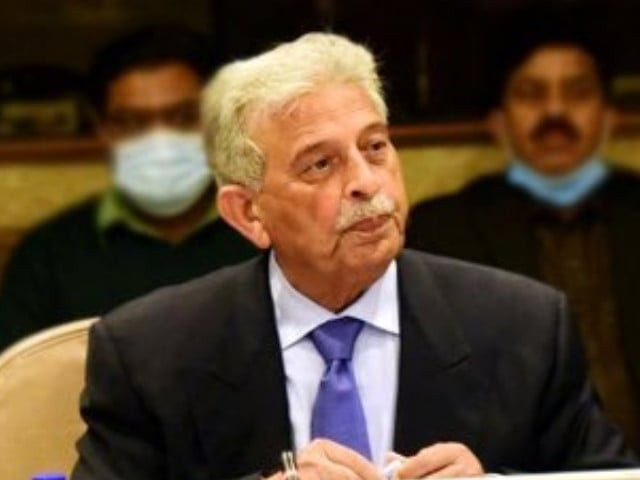
Federal Minister for National Food Security and Research Rana Tanveer Hussain. Photo: File


ISLAMABAD: Federal Minister for National Food Security and Research Rana Tanveer Hussain has said that the Pakistan-China Agri Investment Conference held on January 19, 2026 resulted in the signing of 79 memoranda of understanding (MoU) between Pakistani and Chinese companies, with an estimated investment value of $4.5 billion in agriculture and allied sectors.

Speaking to the media, as per an official statement issued on Tuesday, the minister said the scale of the agreements reflected a shift from dialogue to investment-led cooperation, adding that the conference was designed to secure project-based commitments rather than broad discussions.

He said the event focused on direct business-to-business matchmaking, targeted sectoral engagement and project-based investment facilitation, enabling companies from both sides to conclude agreements aligned with commercial demand and technological needs.

Hussain said the Ministry of National Food Security and Research carried out extensive preparatory work ahead of the conference, including structured consultations with Pakistani industry representatives and Chinese enterprises. The aim, he said, was to align proposals with national priorities, market requirements and technology gaps.


As a result, he said, agreements were signed across ten agricultural and allied subsectors. These included food processing and value addition, agri-technology, seeds and plant protection, livestock and dairy, meat and poultry, fruits and vegetables, fisheries and aquaculture, animal feed, post-harvest infrastructure and agricultural inputs.
 

Pakistan, China Sign LoI to Train 50,000 Youth Under Expanded TVET Cooperation​

By Tahir Ali | Gwadar Pro
Feb 3, 2026

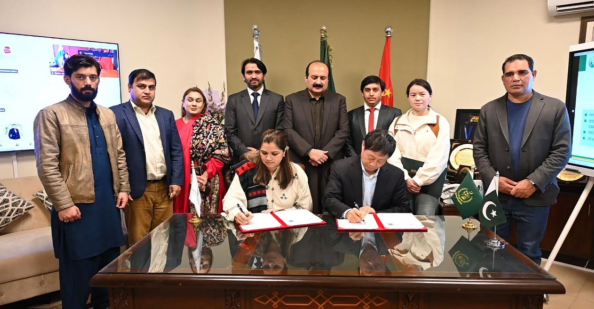
Pakistan, China Sign LoI to Train 50,000 Youth Under Expanded TVET Cooperation


PMYP and TANG Chinese Education & Technology sign an LoI to strengthen youth skills and TVET cooperation. [Photo/PID]


Pakistan and China on Friday signed a Letter of Intent (LoI) to strengthen cooperation in Technical and Vocational Education and Training (TVET) and youth skill development, launching a major initiative to train more than 50,000 young people and develop 2,000 master trainers over the next five years.

The LoI was signed at the Prime Minister’s Office between China Pakistan TVET Cooperation, the Prime Minister’s Youth Programme (PMYP), Government of Pakistan, and TANG Chinese Education & Technology (Pvt) Ltd., Pakistan, according to an official statement which added that the initiative aimed to enhance employability, promote digital transformation in education, and foster long-term collaboration in skills development aligned with emerging global market needs.

Under the initiative, large-scale capacity-building efforts will be undertaken, including the training of approximately 2,000 master trainers and cascading skills development for over 50,000 youth during a five-year period. The program will focus on emerging sectors such as digital technologies, e-commerce, fintech, artificial intelligence, media, tourism and entrepreneurship.

The signing ceremony was witnessed by Chairman Prime Minister’s Youth Programme Rana Mashhood Ahmad Khan and attended by senior representatives from both sides, including Li Jinsong, President and Founder of TANG Chinese Education & Technology Ltd., and Xanib Abdul Rehman, Section Officer at the Prime Minister’s Youth Programme, along with their respective delegations.

As per the statement, the agreement reflects a shared commitment to empowering Pakistani youth through modern, demand-driven vocational and digital skills. The collaboration also envisions the development of advanced training standards, joint certification mechanisms and institutional linkages between Pakistan and China to improve the quality and relevance of technical education.

The cooperation further aims to establish multiple smart digital training centers, promote international exposure through digital skills competitions and create pathways for productive employment in Pakistan and abroad. Special emphasis will be placed on innovation, entrepreneurship and small and medium-sized enterprise development to support sustainable economic growth.
 

Zong reaches 35,000 students through Digital Scholars Program, targets 10,000 more in 2026​

By Tahir Ali | Gwadar Pro
Feb 3, 2026

ISLAMABAD: More than 35,000 students across Pakistan have benefited from Zong’s Digital Scholars Program as the Chinese-owned mobile operator renewed its partnership with education technology firm Knowledge Platform for a fourth year.

The renewed collaboration was formalized at a signing ceremony held at Zong’s Islamabad headquarters, earlier this week. Under the agreement, the program is set to reach an additional 10,000 students in 2026, extending technology-enabled learning to underserved communities across the country.

Launched to bridge Pakistan’s educational divide, the Zong Digital Scholars Program focuses on students in Grades 9 and 10 and integrates interactive digital classrooms, gamified educational content, AI-powered learning analytics and structured online learning pathways. The initiative is designed to support personalized instruction, real-time performance tracking and improved student engagement while helping teachers adopt modern, data-driven teaching practices.

By the end of 2025, the program had enrolled more than 35,000 students, enabled 5,000 young women to participate in digital literacy and financial skills development through gamified learning, and certified 7,500 students. Since its inception, it has expanded to 300 schools in 42 cities across five provinces.

The program operates through online mathematics tutoring and self-study courses in English and science subjects, including biology, chemistry, physics, general science and mathematics, alongside Sitarey digital learning games and competitions. Zong has also trained 150 teachers in blended and digital instruction to strengthen classroom integration of technology and improve learning outcomes.

Andleeb Aslam, Zong’s official spokesperson, said the company views sustainability as building long-term social and economic growth through technology, adding, “Through strategic partnerships, we strive to create scalable, lasting impact and contribute meaningfully to Pakistan’s development journey.”
 

Users who are viewing this thread

Latest Posts

Back
Top