CPEC News and Discussions

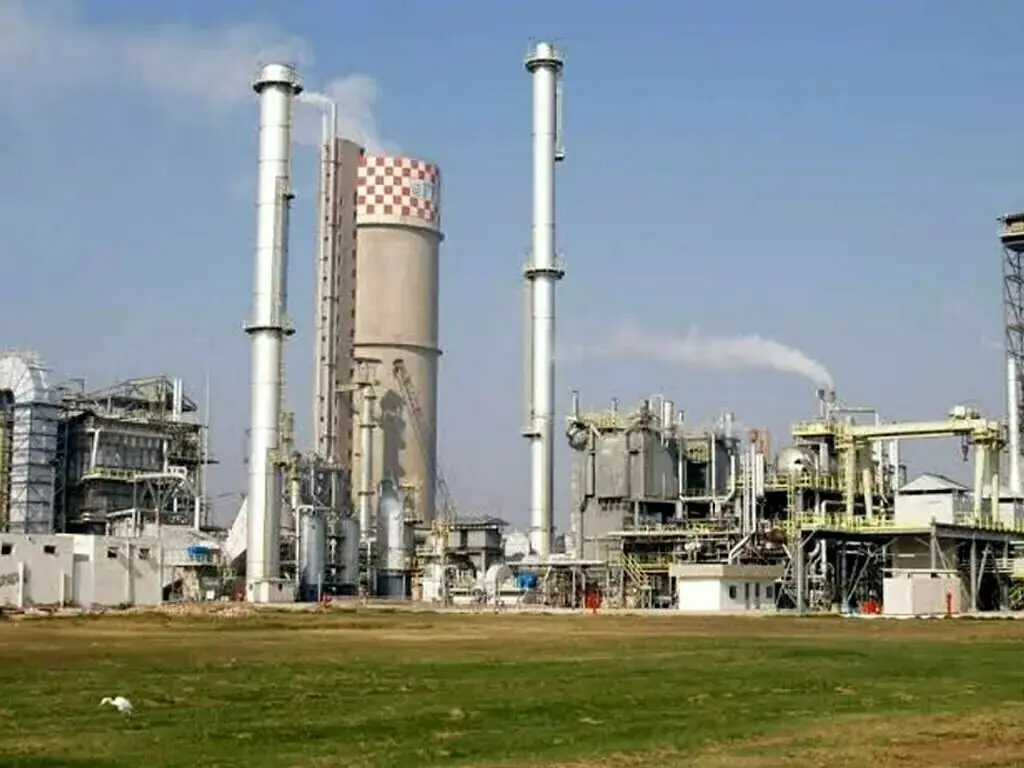
Fauji Fertilizer Company has signed a Front-End Engineering Design (FEED) agreement with China’s Hualu Engineering and Technology Co. Ltd for a $1.12 billion coal-to-fertilizer project that the company says will be Pakistan’s first of its kind under the China-Pakistan Economic Corridor (CPEC) 2.0 framework.

FFC announced the development in a social media statement on Saturday, saying the agreement was signed in China on May 24, 2026.

The proposed plant is expected to produce 717,000 tons of urea annually while consuming around 2.1 million tons of indigenous coal each year, according to the company. Commercial operations are planned for 2030-31.

The project is expected to support domestic fertilizer availability while increasing the use of local energy resources as Pakistan attempts to reduce pressure from imported inputs and external financing costs.

FFC said the initiative reflects its focus on industrial expansion, resource optimization, and long-term economic growth.

The agreement comes amid renewed efforts by Pakistan to attract Chinese investment under the second phase of CPEC cooperation.

Pakistan and China recently agreed to deepen collaboration on the “high-quality development” of CPEC during Prime Minister Shehbaz Sharif’s visit to Beijing, according to a joint statement issued after the trip.

The two countries also reaffirmed support for wider participation in future CPEC projects as Islamabad seeks to expand industrial and infrastructure investment under the corridor’s next phase.
 
Imagine this, Pakistan make use of 175bn tons thar coal to produce gas>fertilizers for exports.

Thanks China for helping Pakistan where it matters. Energy independence and export surplus.
Type of projects we actually need. Good stuff 👍🏻
 
You're sending invitations to ch**tars to curse the army
Not the army but the technology which might become obsolete/obsolescent in next 5-10 years.

To view this content we will need your consent to set third party cookies.
For more detailed information, see our cookies page.

To view this content we will need your consent to set third party cookies.
For more detailed information, see our cookies page.
 
Not the army but the technology which might become obsolete/obsolescent in next 5-10 years.

To view this content we will need your consent to set third party cookies.
For more detailed information, see our cookies page.

To view this content we will need your consent to set third party cookies.
For more detailed information, see our cookies page.

That'd be true if Pakistan was Germany, Norway etc.

Coal to urea generally has higher carbon emissions, higher water usage,
exposure to future carbon taxes or climate regulations like in EU. But does that really matter for us? EU is moving towards green ammonia, green hydrogen etc so yes in their context itd become obsolete.

Cheap domestic feedstock is always gonna beat cleaner imports in places like Pk. So sucha project may stay economically viable for us for a long time even if it is environmentally inferior
 
Not the army but the technology which might become obsolete/obsolescent in next 5-10 years.

To view this content we will need your consent to set third party cookies.
For more detailed information, see our cookies page.

To view this content we will need your consent to set third party cookies.
For more detailed information, see our cookies page.


Maybe in 50 years.
 
That'd be true if Pakistan was Germany, Norway etc.

Coal to urea generally has higher carbon emissions, higher water usage,
exposure to future carbon taxes or climate regulations like in EU. But does that really matter for us? EU is moving towards green ammonia, green hydrogen etc so yes in their context itd become obsolete.

Cheap domestic feedstock is always gonna beat cleaner imports in places like Pk. So sucha project may stay economically viable for us for a long time even if it is environmentally inferior
That tech is going to be cheaper, the input is air and water done at room temperature and at 15 times atmospheric pressure compared to 500C and 200 times pressure, so lower energy costs.

Plus it’s scalable from few hundred kg unit to industrial scale.
 
Maybe in 50 years.
They are at trial stage with large scale commercial unit in 2030.

A 1.5Billion dollar investment needs decades to be feasible.

Would love to see polymer plant based on that coal gasification though.
 
That tech is going to be cheaper, the input is air and water done at room temperature and at 15 times atmospheric pressure compared to 500C and 200 times pressure, so lower energy costs.

Plus it’s scalable from few hundred kg unit to industrial scale.
Bro, that process requires literally huge amounts of electricity, besides just air and water. Its just the basic chemistry of that reaction.

On a large scale, its gonna be less viable for us imho considering how high the electricity costs are in pk.
 
Bro, that process requires literally huge amounts of electricity, besides just air and water. Its just the basic chemistry of that reaction.

On a large scale, its gonna be less viable for us imho considering how high the electricity costs are in pk.
Solar/wind, water, air.
 
Solar/wind, water, air.
Youd still need grid support, batteries,
hydrogen buffering, oversized generation capacity, or backup systems due to nature of solar and wind energy that are intermittent compared to traditional process. The costs will baloon
 
Youd still need grid support, batteries,
hydrogen buffering, oversized generation capacity, or backup systems due to nature of solar and wind energy that are intermittent compared to traditional process. The costs will baloon
It seems to be the EV moment. We can and will go ahead the traditional route but this thing will be cheaper. That’s for sure.
 
Fauji Fertilizer Company has signed a Front-End Engineering Design (FEED) agreement with China’s Hualu Engineering and Technology Co. Ltd for a $1.12 billion coal-to-fertilizer project that the company says will be Pakistan’s first of its kind under the China-Pakistan Economic Corridor (CPEC) 2.0 framework.

FFC announced the development in a social media statement on Saturday, saying the agreement was signed in China on May 24, 2026.

The proposed plant is expected to produce 717,000 tons of urea annually while consuming around 2.1 million tons of indigenous coal each year, according to the company. Commercial operations are planned for 2030-31.

The project is expected to support domestic fertilizer availability while increasing the use of local energy resources as Pakistan attempts to reduce pressure from imported inputs and external financing costs.

FFC said the initiative reflects its focus on industrial expansion, resource optimization, and long-term economic growth.

The agreement comes amid renewed efforts by Pakistan to attract Chinese investment under the second phase of CPEC cooperation.

Pakistan and China recently agreed to deepen collaboration on the “high-quality development” of CPEC during Prime Minister Shehbaz Sharif’s visit to Beijing, according to a joint statement issued after the trip.

The two countries also reaffirmed support for wider participation in future CPEC projects as Islamabad seeks to expand industrial and infrastructure investment under the corridor’s next phase.
Posted already
 

Users who are viewing this thread

Pakistan Defence Latest

Latest Posts

Back
Top