Chinese UAVs News & Discussions

The GJ-11 stealth drone appears with a PL-15E missile, heralding the emergence of China’s kill web
ByFabrice Wolf

09/02/2026
GJ-11_PL-15E-1068x603.webp


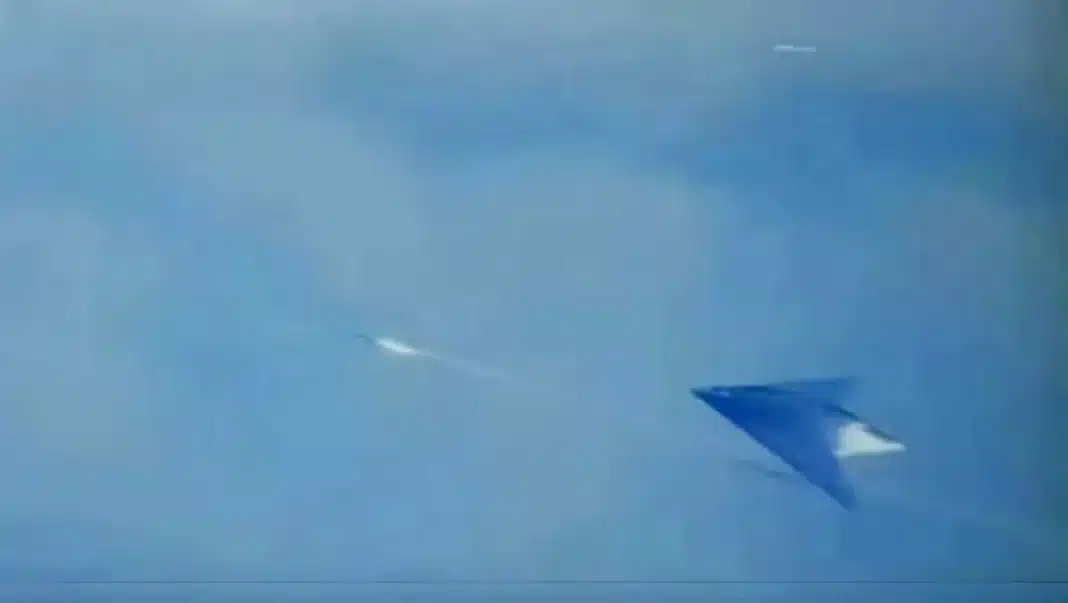
Recently released images reportedly show the Chinese GJ-11 Sharp Sword stealth drone with a PL-15E air-to-air missile, possibly at the moment of launch. Their origin and the reality of the test still need to be confirmed. Until now mainly associated with reconnaissance and ground strikes, this flying-wing aircraft is now appearing in an air-combat configuration. This observation is not sufficient to make it an operational interceptor, but it reveals a new component of the distributed combat web that Chinese forces are building around their stealth fighters.

Table of contents​

  1. GJ-11 and PL-15E in an air-to-air configuration
  2. J-20, electronic warfare and Chinese drones
  3. The People’s Liberation Army is preparing a distributed architecture

GJ-11 and PL-15E in an air-to-air configuration​

Developed by the HAIG aerospace group, the GJ-11 is approximately 10 metres long and has a 14-metre wingspan. Its maximum take-off weight is estimated at 10,000 kg, with a payload of up to 2,000 kg in its internal bays. Published data attribute it a maximum range of 4,000 km and an endurance close to six hours. Its tailless airframe and internal stores reduce its radar signature, enabling it to accompany crewed aircraft in heavily defended airspace.

The PL-15E reportedly observed with the drone is the export version of the Chinese PL-15 air-to-air missile. It is said to feature an active electronically scanned array radar seeker and an estimated range of 145 km, while its speed is in the high-supersonic range. The physical integration of such a weapon would nevertheless represent a different step from autonomous target detection, identification, firing authorization and missile guidance in a jammed environment. The available images do not establish that this entire chain has been validated.

The GJ-11 is intended to operate alongside the J-20, the Chinese People’s Liberation Army Air Force’s principal stealth fighter. In such an organization, the drone can move ahead of the crewed aircraft, collect data and carry weapons, while information is shared among several platforms. This kill web, or distributed combat web, therefore no longer relies on a fixed sequence between a sensor and a shooter. Each connected aircraft can contribute to detection, transmission or engagement according to its position and capabilities.
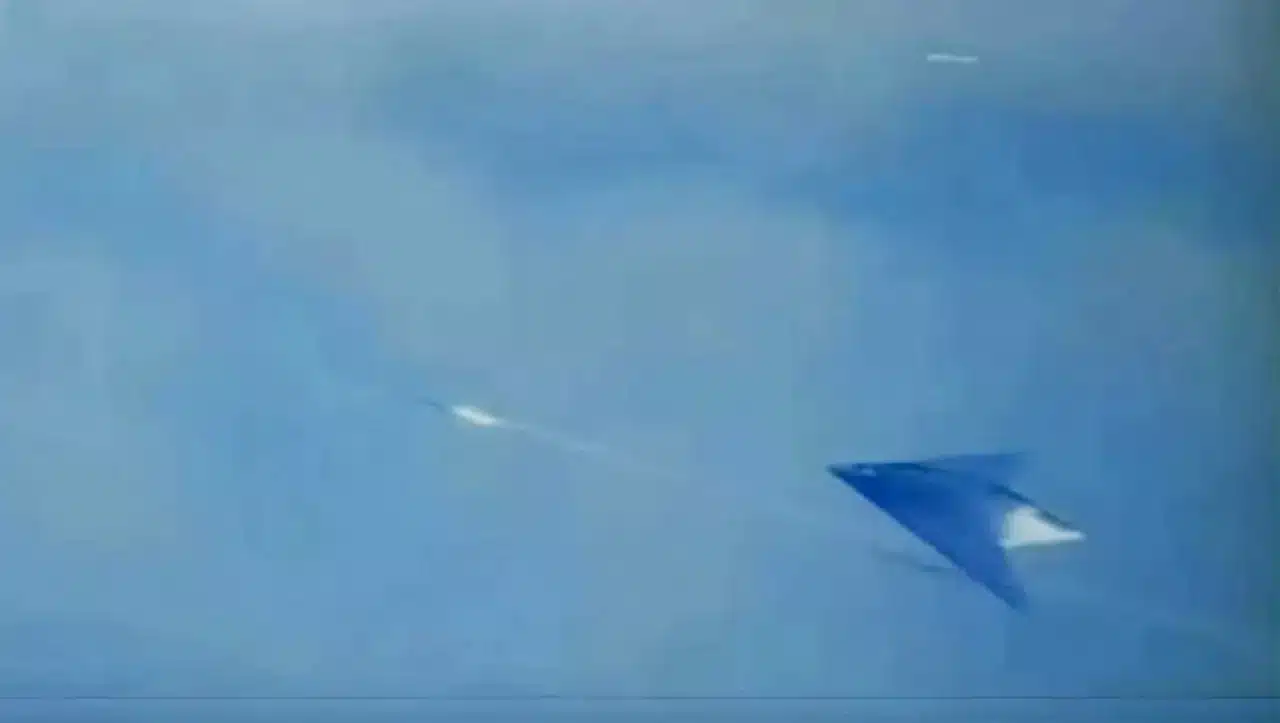


That's false ... it is a well-known CG and not a real image!

 
Interesting: 😯 According to
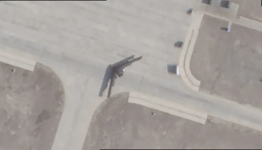
@thewarzonewire „A satellite image taken last week of Malan shows the WZ-X undergoing testing and gives us a clear view of its shallowly ‘serrated’ trailing edge.“

IMG_1026.png
 
Interesting: 😯 According to
@thewarzonewire „A satellite image taken last week of Malan shows the WZ-X undergoing testing and gives us a clear view of its shallowly ‘serrated’ trailing edge.“

View attachment 214020
just a bit more so than we can have a clear view of the top structure and intake.
 
just a bit more so than we can have a clear view of the top structure and intake.

Another image of the WZ-X was posted showing for the first time clearly it’s unique wing geometry with the serrated trailing edge.


IMG_1035.jpegIMG_1036.jpeg
 
What you see! Is only what you're allowed to see!
 
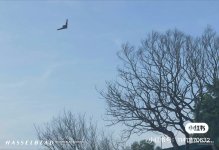
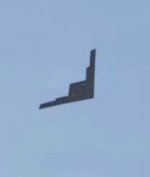
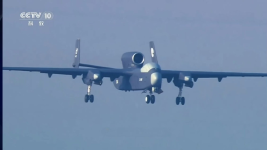
If I'm not mistaken, this is the first footage I remember showing a WZ-8 in flight.
(Via @琴石2022)

1793304351973.png
 
New footage offers rare, multi-angle look at China’s GJ-11 stealth drone
By: Global Times
| Published: Nov 09, 2026 05:52 PM

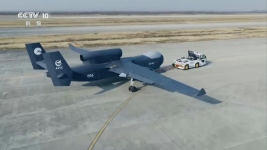
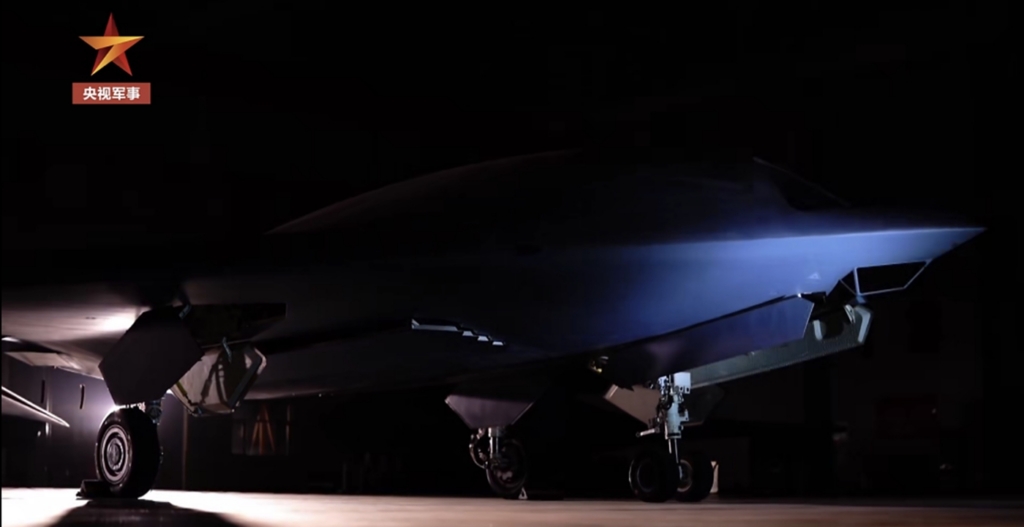
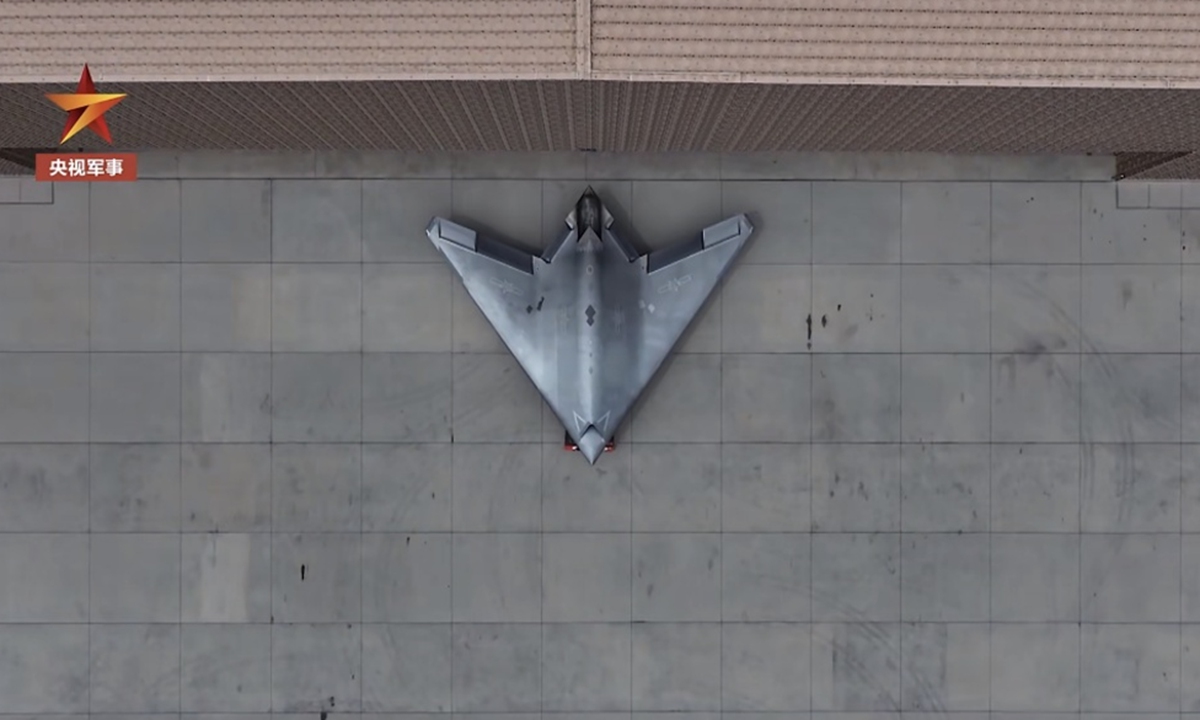
A closer look at China's GJ-11 stealth drone! CCTV News' military channel has released new footage of the domestically developed, tailless flying-wing drone on Monday. All weapons are carried internally in a belly weapons bay of the drone, and the bay can accommodate a variety of air-to-surface munitions.

 
China highlights GJ-11 combat drone ahead of air force anniversary
New images and state reporting reveals more of China's new higher-end stealth strike and loyal wingman drone that appears to be entering service.
Aaron Spray
November 10, 202

The-GJ-11-stealth-drone-1024x614.jpeg

Photo: CCTV

  • Chinese state media has released new images of its GJ-11 stealth combat drone.
  • The stealthy drone is a flying wing and is known in China as the Xuanlong, or Dark Dragon.
  • A report by China's CCTV state broadcaster said the GJ-11, operating in coordination with another drone, "can serve as the eyes of crewed fighter jets.
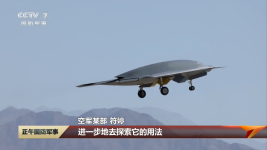
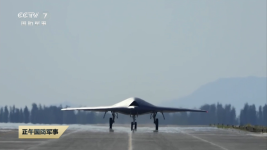
Chinese state media has released new images of its GJ-11 stealth combat drone, which publicly flew for the first time in a November 2025 PLAAF video. The GJ-11 is believed to have entered service.

The stealthy drone is a flying wing and is known in China as the Xuanlong, or Dark Dragon. It was first unveiled in China’s 2019 National Day military parade in Beijing

China’s CCTV unveils detailed pictures of its GJ-11 drone​

The video of the drone appeared in a report by China’s CCTV state broadcaster in a countdown to tomorrow’s 77th anniversary of the PLA Air Force.

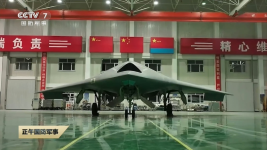
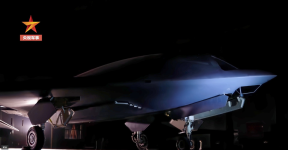
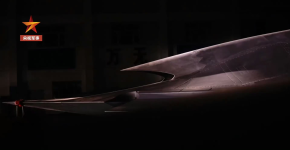
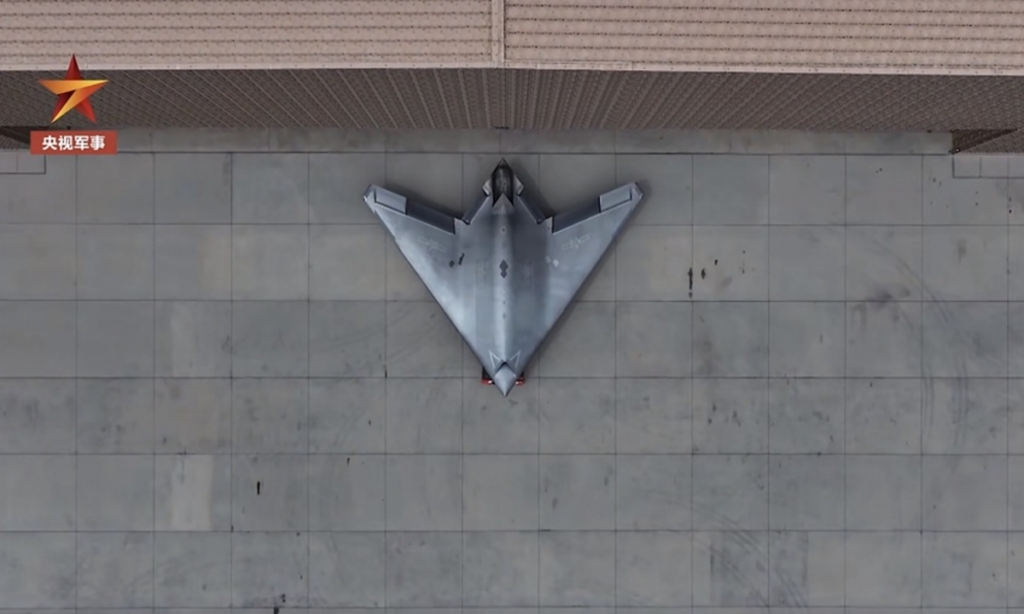
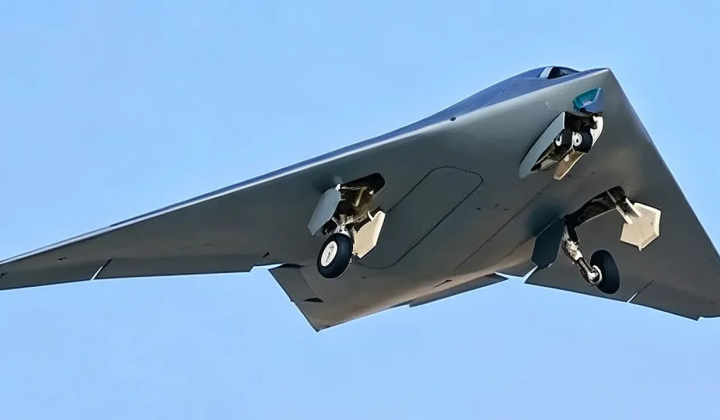
Images provide a good look at the drone, including its large internal weapon bay, which has been designed to carry relatively large missiles. The GJ-11 has a shielded jet nozzle, low-visibility coating, and a faceted optical window mounted beneath the nose.

According to reporting by the South China Morning Post, this appears similar to the electro-optical targeting system found on China’s leading J-20 fighter.

 GJ-11 stealth drone
Photo: CCTV
Like various US designs, including the upcoming Lockheed Martin Vectis, the GJ-11 has its air intake on top of its fuselage. It also bears a flattened tail section.

The state-run English-language outlet, Global Times, reported that CCTV also revealed: “Two post-95s drone operators Shi Xiaoran and Fu Ting, are among the first batch of female drone operators trained independently by the PLA Air Force.”

Role of the GJ-11 stealth combat drone​

Chinese state TV characterized the GJ-11 as a pioneer and a pathfinder. Core future missions include ground strikes and serving as a loyal wingman drone for fighter jets.

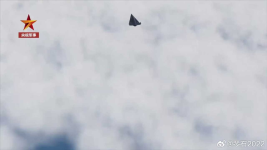
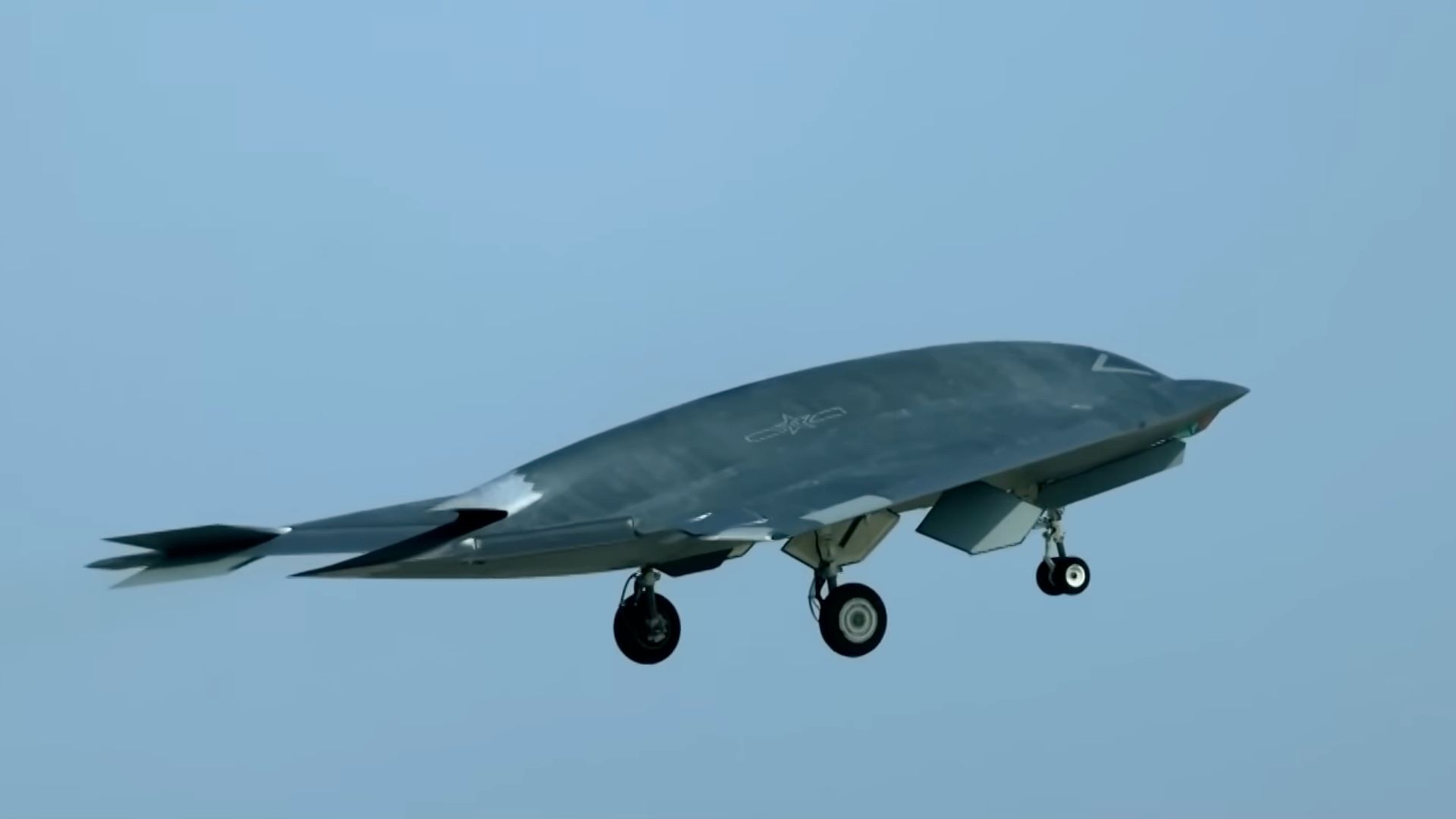
A video shows it flying in formation with a J-20 stealth fighter and J-16D electronic warfare aircraft, although it is unclear if they are teaming.

China released a video a year ago showing it firing a live PL-15 air-to-air missile.

The CCTV report stated that the GJ-11, operating in coordination with another drone, “can serve as the eyes of crewed fighter jets, conducting forward reconnaissance to identify enemy air defence systems.”

GJ-11 Sharp Sword Chinese UAVC drone in flight
Photo: Chinese People’s Liberation Army (PLA) Air Force

It added, “They can also act as decoys to draw enemy fire and expose hostile positions, or even function as airborne weapons platforms, launching guided munitions under the direction of manned aircraft.”

Its internal weapons bay is capable of accommodating a variety of air-to-surface munitions. The design is reported to provide strong stealth and endurance, while also being able to carry out suppression of enemy air defence (SEAD) missions.

China’s B-2-sized stealth drones spotted at Malan test base in satellite imageryChina’s B-2-sized stealth drones spotted at Malan test base in satellite imagery

The GJ-11’s development & naval variant​

Cloud cover has been an issue for targeting. The state report featured operator Shi Xiaoran saying the GJ-11 almost failed to locate its target during its first live-fire test on account of thick cloud cover.

Circling back for another pass, the drone is reported to have targeted and hit the target. The CCTV did not elaborate on the circumstances.


China’s new stealth drone is believed to have been developed and tested at the PLA AF base in Malan, Xinjiang Uygur Autonomous Region.

It also has a carrier-based naval variant, the GJ-21. That drone is reported to have successfully carried out a take-off and landing operation on the PLAN’s Type 076 Sichuan amphibious assault ship last week.

 
China showcases 2,485-mile-range stealth drone with hidden weapon bays
Nov 10, 2026 08:47 AM EST
image

GJ-11 is a tailless flying-wing stealth UAV independently developed by China.CGTN Europe/YouTube

Key Takeaways​

  • China releases new footage revealing the GJ-11's stealth design and internal weapons bays.
  • The drone uses radar-absorbing coatings, a shielded exhaust and a flying-wing design.
  • The GJ-11 can conduct strikes, reconnaissance and coordinated missions with crewed fighters.
China’s People’s Liberation Army (PLA) Air Force has released new footage of the GJ-11 stealth unmanned aerial vehicle (UAV), also known as the Xuanlong.

The tailless, flying-wing aircraft, independently developed by China, was officially inducted into service in November 2025.

The GJ-11 features upper-fuselage air intakes, a flattened tail design, and internal weapons bays that can carry multiple types of precision air-to-surface munitions.

Designed for stealth and long endurance, the UAV can perform missions including precision airstrikes and suppression of enemy air defense systems. The stealth drone is claimed to have an estimated range of around 2,485 miles.

Stealth drone unveiled​

The footage, broadcast by state television CCTV on November 9, provides a rare multi-angle view of the tailless, flying-wing UAV. It also reveals details of the drone’s operational capabilities, including its use in a live-fire strike mission and its potential to coordinate with crewed fighter aircraft.


The video appeared ahead of the 77th anniversary of the PLA Air Force on November 11. Among the most notable details was a close-up view of the GJ-11’s large internal weapons bay, including its doors and serrated edges.

The internal weapons compartment is a significant feature of the aircraft’s stealth-oriented design. By carrying weapons inside the fuselage rather than on external hardpoints, the drone can reduce radar reflections associated with exposed missiles and bombs. The serrated edges around the bay doors are also part of the aircraft’s low-observable design, helping manage radar reflections from structural gaps and openings.

According to CCTV, the GJ-11 has an air intake positioned on top of its fuselage, a flattened rear section and a shielded exhaust nozzle. The aircraft also uses radar-absorbing coatings to further reduce its radar cross-section. A faceted optical window mounted beneath the nose was another visible feature. Its appearance resembles the electro-optical targeting system fitted to China’s J-20 stealth fighter, although the precise capabilities of the sensor were not disclosed.

Reports indicate that the dorsal air intake and specially treated exhaust nozzle contribute to the aircraft’s stealth performance.

Unmanned strike capabilities​

The GJ-11 is a domestically developed, tailless flying-wing UAV that China first publicly displayed during a military parade in Beijing in 2019. It later appeared at Airshow China 2021, where it displayed two internal weapons bays carrying several precision-guided bombs. The PLA Air Force officially revealed in November 2025 that the aircraft had entered operational service.
The latest report also disclosed details of the drone’s first live-fire strike mission. Two female operators, Shi Xiaoran and Fu Ting, reportedly completed their conversion training in five months before participating in the mission. Working alongside other personnel, they successfully struck their assigned target on the first attempt. The report did not specify when the test took place or identify the weapon used.

The aircraft is designed to conduct airstrikes, reconnaissance and suppression of enemy air defenses (SEAD). It can also operate alongside crewed combat aircraft, potentially serving as a forward reconnaissance platform, decoy, or weapons carrier. In coordinated operations, the drone could identify hostile air defense positions, draw enemy fire to expose their locations, or launch guided munitions under the direction of a crewed fighter.
Designed for flexible operation, the GJ-11’s command station and operators can be airlifted directly to forward areas.

China has also been developing a naval derivative, the GJ-21, based on the GJ-11 design. The aircraft reportedly conducted takeoff and landing operations aboard the Type 076 amphibious assault ship Sichuan in November 2026, indicating efforts to extend the stealth drone concept to naval aviation.


China's GJ-11 Drone Completes First Combat Firing as TMS-10 Supersonic Jet Advances in Development​

November 11, 2026
China's GJ-11 Drone Completes First Combat Firing as TMS-10 Supersonic Jet Advances in Development


An Inside Look at the GJ-11 Combat Drone​

The Chinese military has officially revealed the GJ-11 unmanned combat aerial vehicle following its successful maiden combat firing. This milestone was announced by the People’s Liberation Army Air Force (PLAAF). CCTV aired a detailed feature on the GJ-11 just two days before the 77th anniversary of the PLAAF's founding.

Designed with stealth in mind, the drone incorporates two internal weapons bays housed within its blended wing-body, capable of carrying up to 2,000 pounds (907 kilograms) of payload. These compartments are configured to deploy both air-to-ground and surface-to-ground munitions.

Design Features and Capabilities of the GJ-11​

The GJ-11's architecture follows a tailless blended-wing design common among modern UAVs. It is powered by a WS-13 turbofan engine featuring a flattened exhaust outlet integrated into the upper rear fuselage. At the front, a trapezoidal glazed nose cone contains an EO/IR sensor suite, enhancing its combat surveillance and targeting abilities.

Two female drone operators from the PLAAF’s inaugural UAV unit took part in the drone’s first combat firing. Shi Xiaoran, one of these operators, shared her experience:

"Initially, clouds obscured the target. After a second pass, I located it and successfully deployed the weapon to hit the target." Shi Xiaoran, UAV Operator
The GJ-11 is designed to work alongside manned fighter jets, performing a range of missions including:

  • Precision airstrikes
  • Suppression of enemy air defenses (SEAD)
Control is managed through a "human-in-the-loop" (HITL) system, with semi-autonomous modes available to support mission flexibility.

Alongside UAV advancements, China is making significant strides in developing the supersonic passenger aircraft TMS-10. Currently entering a complex development phase, the TMS-10’s first test flight is anticipated by the end of 2026. The Tianmushan Laboratory, supported by Beihang University, leads the project. Wind tunnel testing, flight control system design, and airframe construction are all complete, with final assembly now underway.

The GJ-11’s testing highlights China’s expanding expertise in unmanned combat systems, which could alter the regional military balance, especially in aerial warfare contexts. Its seamless integration with piloted aircraft opens new tactical options for the PLAAF. Moreover, China’s push into supersonic aviation signals its ambition to become a dominant force in global aerospace technology, potentially reshaping the commercial aviation landscape.

As China advances its military capabilities, the recent developments in the GJ-11 drone are complemented by the testing of the Type 076 landing ship Sichuan, which is equipped with an electromagnetic catapult designed for the upcoming GJ-21 strike drones. This integration of advanced technologies highlights China's strategic focus on enhancing its aerial fleet's operational efficiency and versatility. For a deeper understanding of these advancements, read more about the Sichuan landing ship's capabilities here.


Users who are viewing this thread

Pakistan Defence Latest

Back
Top