China claims its stealth drones fly 3x longer using 50% less energy than US rivals
A new study claims China’s next-gen stealth drones use half the energy, last three times longer.
Updated: Mar 19, 2025 06:31 AM EST
China's next-generation drone technology allegedly lasts three times as long as the US equivalent, while using half the energy.

interestingengineering.com
Chris Young
China has allegedly taken over the US in the development of a state-of-the-art new stealth aircraft, a report from the
South China Morning Post (
SCMP) reveals.
A newly published paper claims Beijing is one step ahead of Washington in developing the next generation of stealth drones.
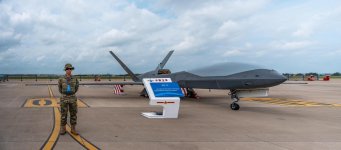
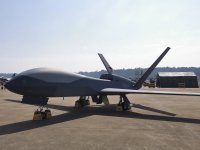
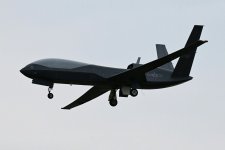
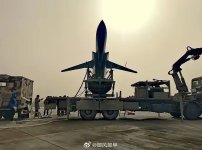
China’s drones, called dual synthetic jets, rely on eliminating traditional control surfaces, such as flaps and tail fins to reduce radar reflections and thermal signatures. The country has tested these aircraft in real-world conditions. The US is developing similar technologies, but these are still in the concept phase.
China’s next-gen stealth drones
China’s next-generation stealth drones replace traditional control surfaces with fluidic systems. These steer jets using precise air pulses, enabling greater stealth and higher fuel efficiency.
According to the
SCMP report, the Pentagon recognized the need for fluidic systems early on. However, DARPA only greenlit its own
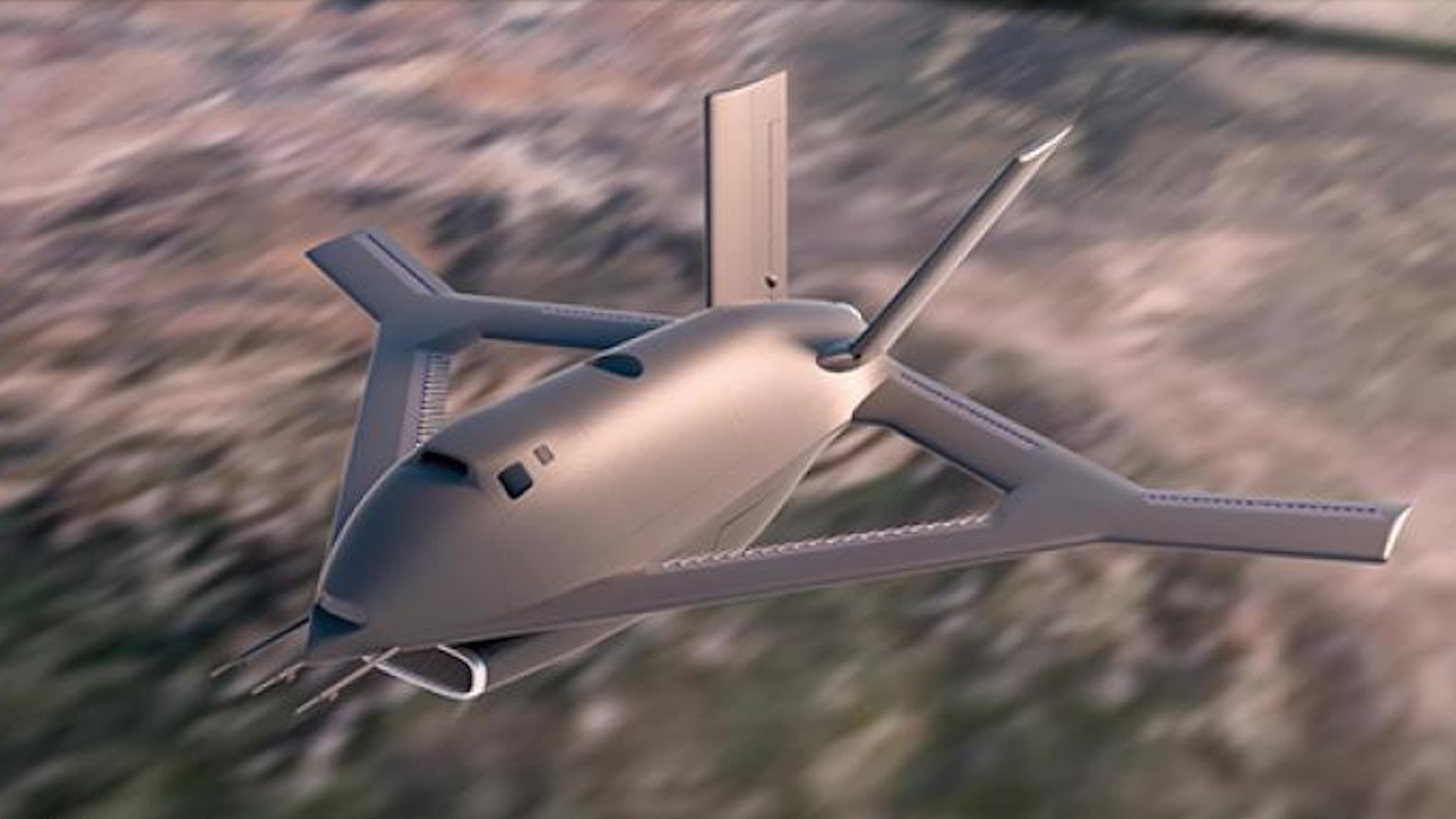
X-65 program in 2023 to develop and validate the technology.
DARPA, the Defence Advanced Research Projects Agency, is responsible for stealth jets and GPS. The US agency is known for developing world-leading defense innovations. However, according to the new report, China has overtaken it when it comes to fluidic systems, which are also known as CRANE (Control of Revolutionary Aircraft with Novel Effectors).
According to a paper by Professor Luo Zhenbing with China’s National University of Defence Technology (NUDT), the US’s X-65 program is years behind China’s operational systems. The paper, published in last month’s
Acta Aeronautica et Astronautica Sinica journal, states that China was already testing a CRANE aircraft in 2021, while the US was still drawing up concepts.
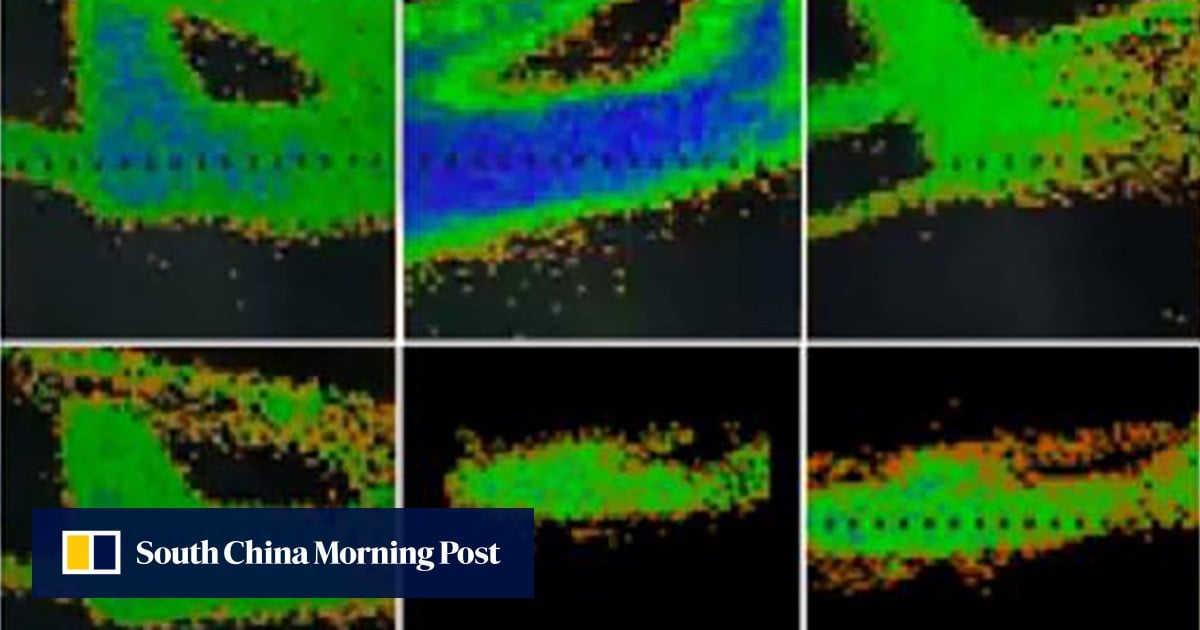
China’s systems use DSJ, or dual synthetic jet, technology. This generates a pulse of air by vibrating ceramic plates in wing compartments. The DSJ units use two chambers that pulse alternately, reducing stress and preventing these breakdowns. DARPA’s designs, meanwhile, use single air chambers, which are prone to breakdown.
According to NUDT, the dual-chamber design prevents pressure damage during dives. It can even enable underwater use. Using the technology, a submersible drone could suddenly rise from the sea and start flying.
China’s NUDT allegedly overtakes DARPA
Aside from being ahead in the development timeline, Luo and his colleagues also claim China’s technology has broader applications than DARPA’s X-65. It is also more energy efficient and will have a longer operational lifespan.
Luo’s paper states that DSJ units last three times as long as the US’s equivalent while using half the energy.
It’s worth noting, of course, that DARPA’s technology is in the early development phase. This means comparisons between the two technologies won’t reflect the finished models.
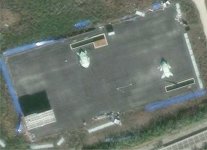
China’s first DSJ-controlled drones – fixed-wing UAVs – took flight in 2021. In 2023, NUDT engineers started testing DSJ-controlled flying-wing drones. By contrast, DARPA’s X-65 program is still in the concept stage and no flight tests have taken place. That is, at least according to publicly available information.
The US’s big-tail drone, designed to validate fluidic controls for the US Air Force’s secretive Next-Generation Air Dominance (NGAD) fighter, is expected to make its debut flight this year.










 Bangladesh PM’s daughter Zaima Rahman’s appointment as UN Legal Officer raises recruitment questions (3 Viewers)


