
MNZGamerX
Registered Member

The Jamaat-e-Islami and the National Citizen Party are objecting to Rahman visiting Delhi.
By Saqlain Rizve
August 28, 2026
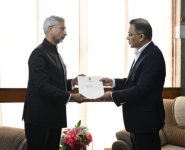
A visit to India by Bangladeshi Prime Minister Tarique Rahman is long overdue. Bangladeshi prime ministers have traditionally made India the destination of their first visit after coming to power. But over six months after Rahman’s inauguration, the much-anticipated visit is yet to happen. Meanwhile, the Bangladeshi PM has visited Malaysia and China.
Delhi has invited Rahman to India for a bilateral visit as well as to participate in the upcoming BRICS summit that it is hosting in September. Rahman’s visit was initially seen in Bangladesh as a chance for Dhaka and New Delhi to reset relations that deteriorated after the ouster of the Sheikh Hasina government on August 5, 2024.
However, the visit seems unlikely to happen. Indeed, it has brought Bangladesh’s domestic politics into the equation, with moves by the Rahman government to improve relations with New Delhi now risking criticism at home.
Over the past several weeks, officials from both countries have been discussing a bilateral visit. According to a media report in mid-August that cited Bangladeshi diplomatic sources, the two sides were discussing dates for a possible visit. It was expected to happen between August 20 and 25. Preparations for the visit went pretty far. On August 21, the Indian President’s Office briefly issued a notice saying its Change of Guard ceremony would be cancelled because of a rehearsal for the ceremonial welcome of the Bangladeshi prime minister. However, the notice was withdrawn within an hour.
It seems that Rahman’s visit will not happen.
One of the main obstacles is Sheikh Hasina, who has been in India since she fled after her government was toppled. In November 2025, Bangladesh’s International Crimes Tribunal convicted her of crimes against humanity over the deadly crackdown on the 2024 uprising, and sentenced her to death in absentia. Dhaka has since formally asked India to extradite her so the verdict can be enforced.
On August 5 this year, the second anniversary of Hasina’s ouster from power, the former prime minister addressed an online media interaction in New Delhi. When the Bangladeshi government objected, India said a private media body was organizing the event and that the government neither organized it nor endorsed Hasina’s remarks. But in Bangladesh, India’s explanation did little to calm the criticism.
Bangladesh’s Foreign Ministry said the media event was damaging efforts to improve bilateral relations. Dhaka had already asked India not to allow Hasina or other Awami League (AL) figures to use Indian territory for political activities directed at Bangladesh.
The National Citizen Party (NCP) took the hardest position. Its leaders demanded that the Indian high commissioner in Dhaka be summoned. NCP convener Nahid Islam stressed that Rahman should not visit India before it returned Hasina and others wanted by Bangladesh. NCP spokesperson Asif Mahmud said that Rahman’s visit to Delhi would be a betrayal of the people.
Rahman has strong reasons to repair relations with India. India surrounds Bangladesh on three sides. It is an important trade and transit partner. Water, border management, energy, connectivity, and security require regular cooperation.
But the political environment inside Bangladesh has changed sharply since 2024.
For years, one of the main criticisms that Bangladeshis levelled against India was the excessive influence it wielded over Bangladesh through its close relationship with Hasina and the Awami League. New Delhi may see it differently, but this is a widely held view in Bangladeshi political circles, especially post-2024. Hasina’s continued stay in India has made it harder to separate that past from the present.
That is why Hasina’s political activity from India is such a sensitive issue for Bangladeshis. For many Bangladeshis, the issue is not only whether New Delhi supports her, but why she is still allowed to speak and act politically from India, while Bangladesh is seeking her extradition.
The government has also hardened its language. On August 16, the Foreign Ministry said a “propitious environment” was needed before Rahman could visit India. It linked the prime ministerial visit to the extradition of Hasina and other fugitives. On August 21, Rahman’s press secretary said that no decision had been made on the prime minister’s India visit and that Dhaka was waiting for India’s response.
However, the opposition is not united on what Rahman should do.
Jamaat-e-Islami (JI), Bangladesh’s largest Islamist party, strongly criticized Hasina’s online appearance at the Delhi media event. JI Secretary General Miya Ghulam Parwar called it a gross violation of diplomatic norms. However, JI chief and Leader of the Opposition Shafiqur Rahman later said the prime minister could visit India. His condition was that bilateral relations must be based on equality, mutual respect, and friendship, not Indian hegemony.
Although it is part of the JI-led coalition, the NCP struck a harder line. While JI used strong nationalist language, it did not reject engagement with India itself. The NCP, however, has tried to stop or delay the visit until specific demands were met.
The visit of Parag Jain, chief of the Research and Analysis Wing (India’s external intelligence agency), to Dhaka on August 9, when he met Bangladeshi security officials, has further complicated matters. Bangladeshi authorities described the trip as routine and said it took place at the invitation of Bangladesh’s Directorate General of Forces Intelligence (DGFI), with the government rejecting claims that the visit was secret. However, the timing of Jain’s visit, ahead of a planned visit by Rahman to Delhi, made it a sensitive one. Intelligence engagement with India revived memories of the Hasina years and strengthened allegations that India was exerting pressure on Dhaka.
There is little evidence that a coordinated anti-India bloc deliberately derailed Rahman’s visit. But the political reaction has clearly made a visit to Delhi more difficult for Rahman.
Rahman cannot afford to look weak before India. India, meanwhile, is unlikely to accept that Hasina’s extradition must be resolved before high-level engagement. New Delhi says the request is being examined through established procedures.
So, while domestic politics is influencing how the Rahman government approaches efforts to improve relations with India, Delhi wants to rebuild ties, but its continued hosting of Hasina has become the biggest obstacle to that effort.
The Delhi visit may still happen as both sides continue to talk on the matter. But whenever Rahman eventually goes, his challenge will be to improve ties with India without making Bangladeshis feel that the Hasina-era relationship is coming back.
Meanwhile, the Rahman government is facing multiple problems at home. Law and order is deteriorating. The energy crisis is affecting both people and businesses. Factories have been forced to halt or cut production. Creating enough jobs, especially for young people, is another challenge.
The government therefore has little room for maneuver. Cooperation with India is needed to improve the economic situation in Bangladesh. But if tensions over India lead to wider unrest at home, it will put the government under additional stress. That is something Rahman would like to avoid – at least for now.
There may, however, be an easier way for Rahman to engage with India. The BRICS summit on September 12–13 could offer an opening. As BIMSTEC chair, India has invited Rahman to attend its outreach session. Dhaka has not confirmed his participation so far. Politically, that may be easier than a bilateral visit, as he would be travelling for a multilateral summit rather than solely for talks with India.
By Saqlain Rizve
August 28, 2026
A visit to India by Bangladeshi Prime Minister Tarique Rahman is long overdue. Bangladeshi prime ministers have traditionally made India the destination of their first visit after coming to power. But over six months after Rahman’s inauguration, the much-anticipated visit is yet to happen. Meanwhile, the Bangladeshi PM has visited Malaysia and China.
Delhi has invited Rahman to India for a bilateral visit as well as to participate in the upcoming BRICS summit that it is hosting in September. Rahman’s visit was initially seen in Bangladesh as a chance for Dhaka and New Delhi to reset relations that deteriorated after the ouster of the Sheikh Hasina government on August 5, 2024.
However, the visit seems unlikely to happen. Indeed, it has brought Bangladesh’s domestic politics into the equation, with moves by the Rahman government to improve relations with New Delhi now risking criticism at home.
Over the past several weeks, officials from both countries have been discussing a bilateral visit. According to a media report in mid-August that cited Bangladeshi diplomatic sources, the two sides were discussing dates for a possible visit. It was expected to happen between August 20 and 25. Preparations for the visit went pretty far. On August 21, the Indian President’s Office briefly issued a notice saying its Change of Guard ceremony would be cancelled because of a rehearsal for the ceremonial welcome of the Bangladeshi prime minister. However, the notice was withdrawn within an hour.
It seems that Rahman’s visit will not happen.
One of the main obstacles is Sheikh Hasina, who has been in India since she fled after her government was toppled. In November 2025, Bangladesh’s International Crimes Tribunal convicted her of crimes against humanity over the deadly crackdown on the 2024 uprising, and sentenced her to death in absentia. Dhaka has since formally asked India to extradite her so the verdict can be enforced.
On August 5 this year, the second anniversary of Hasina’s ouster from power, the former prime minister addressed an online media interaction in New Delhi. When the Bangladeshi government objected, India said a private media body was organizing the event and that the government neither organized it nor endorsed Hasina’s remarks. But in Bangladesh, India’s explanation did little to calm the criticism.
Bangladesh’s Foreign Ministry said the media event was damaging efforts to improve bilateral relations. Dhaka had already asked India not to allow Hasina or other Awami League (AL) figures to use Indian territory for political activities directed at Bangladesh.
The National Citizen Party (NCP) took the hardest position. Its leaders demanded that the Indian high commissioner in Dhaka be summoned. NCP convener Nahid Islam stressed that Rahman should not visit India before it returned Hasina and others wanted by Bangladesh. NCP spokesperson Asif Mahmud said that Rahman’s visit to Delhi would be a betrayal of the people.
Rahman has strong reasons to repair relations with India. India surrounds Bangladesh on three sides. It is an important trade and transit partner. Water, border management, energy, connectivity, and security require regular cooperation.
But the political environment inside Bangladesh has changed sharply since 2024.
For years, one of the main criticisms that Bangladeshis levelled against India was the excessive influence it wielded over Bangladesh through its close relationship with Hasina and the Awami League. New Delhi may see it differently, but this is a widely held view in Bangladeshi political circles, especially post-2024. Hasina’s continued stay in India has made it harder to separate that past from the present.
That is why Hasina’s political activity from India is such a sensitive issue for Bangladeshis. For many Bangladeshis, the issue is not only whether New Delhi supports her, but why she is still allowed to speak and act politically from India, while Bangladesh is seeking her extradition.
The government has also hardened its language. On August 16, the Foreign Ministry said a “propitious environment” was needed before Rahman could visit India. It linked the prime ministerial visit to the extradition of Hasina and other fugitives. On August 21, Rahman’s press secretary said that no decision had been made on the prime minister’s India visit and that Dhaka was waiting for India’s response.
However, the opposition is not united on what Rahman should do.
Jamaat-e-Islami (JI), Bangladesh’s largest Islamist party, strongly criticized Hasina’s online appearance at the Delhi media event. JI Secretary General Miya Ghulam Parwar called it a gross violation of diplomatic norms. However, JI chief and Leader of the Opposition Shafiqur Rahman later said the prime minister could visit India. His condition was that bilateral relations must be based on equality, mutual respect, and friendship, not Indian hegemony.
Although it is part of the JI-led coalition, the NCP struck a harder line. While JI used strong nationalist language, it did not reject engagement with India itself. The NCP, however, has tried to stop or delay the visit until specific demands were met.
The visit of Parag Jain, chief of the Research and Analysis Wing (India’s external intelligence agency), to Dhaka on August 9, when he met Bangladeshi security officials, has further complicated matters. Bangladeshi authorities described the trip as routine and said it took place at the invitation of Bangladesh’s Directorate General of Forces Intelligence (DGFI), with the government rejecting claims that the visit was secret. However, the timing of Jain’s visit, ahead of a planned visit by Rahman to Delhi, made it a sensitive one. Intelligence engagement with India revived memories of the Hasina years and strengthened allegations that India was exerting pressure on Dhaka.
There is little evidence that a coordinated anti-India bloc deliberately derailed Rahman’s visit. But the political reaction has clearly made a visit to Delhi more difficult for Rahman.
Rahman cannot afford to look weak before India. India, meanwhile, is unlikely to accept that Hasina’s extradition must be resolved before high-level engagement. New Delhi says the request is being examined through established procedures.
So, while domestic politics is influencing how the Rahman government approaches efforts to improve relations with India, Delhi wants to rebuild ties, but its continued hosting of Hasina has become the biggest obstacle to that effort.
The Delhi visit may still happen as both sides continue to talk on the matter. But whenever Rahman eventually goes, his challenge will be to improve ties with India without making Bangladeshis feel that the Hasina-era relationship is coming back.
Meanwhile, the Rahman government is facing multiple problems at home. Law and order is deteriorating. The energy crisis is affecting both people and businesses. Factories have been forced to halt or cut production. Creating enough jobs, especially for young people, is another challenge.
The government therefore has little room for maneuver. Cooperation with India is needed to improve the economic situation in Bangladesh. But if tensions over India lead to wider unrest at home, it will put the government under additional stress. That is something Rahman would like to avoid – at least for now.
There may, however, be an easier way for Rahman to engage with India. The BRICS summit on September 12–13 could offer an opening. As BIMSTEC chair, India has invited Rahman to attend its outreach session. Dhaka has not confirmed his participation so far. Politically, that may be easier than a bilateral visit, as he would be travelling for a multilateral summit rather than solely for talks with India.


