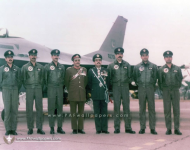
F-16’s Induction Ceremony – Jan 1983.
L-to-R :Sami Tuur, Shahid Lateef, Shahid Javed, President Gen Zia-ul-Haq, ACM Anwar Shamim (CAS), Ali Kuli Khattak, M. Avais and Muzzafar Ali.
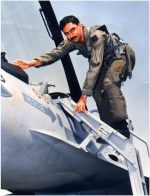
These six officers formed the original cadre of PAF F-16 pilots. They had undergone conversion training in the United States and ferried the aircraft to Pakistan.
F-16 Induction Ceremony – 15 January 1983
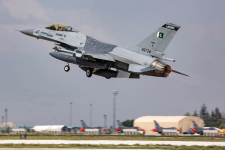
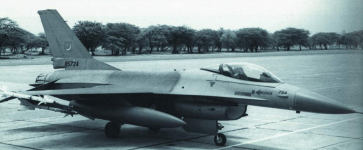
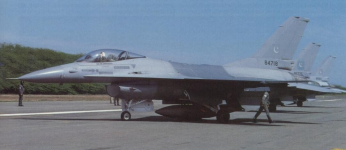
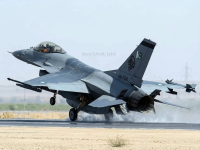
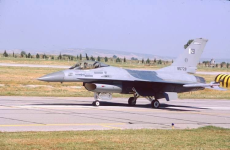
On 15 January 1983, the Pakistan Air Force (PAF) formally received its first batch of U.S.-supplied F-16 Fighting Falcons at PAF Base Sargodha (now PAF Base Mushaf). This marked the arrival of the first six aircraft under the Peace Gate I programme (part of a larger order of 40 F-16A/B Block 15s).
Composition of the first batch: 2 × F-16A and 4 × F-16B.
These were the initial aircraft of the total order of 40 (Peace Gate I: 6 aircraft; Peace Gate II: remaining 34), powered by the Pratt & Whitney F100-PW-200 engine.
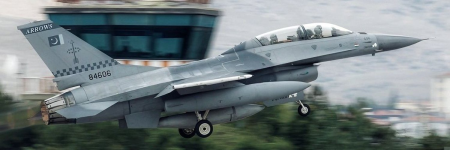
Squadron Leader Shahid Lateef (later Air Marshal and Vice Chief of the Air Staff) landed the first aircraft (F-16B serial #82602), which received significant media attention.
The aircraft were assigned to No. 11 Squadron “Arrows” (the first PAF unit to operate the F-16), then under the command of Wing Commander Shahid Javed. The squadron had a distinguished combat record from the 1965 and 1971 wars.
President General Muhammad Zia-ul-Haq presided over the formal induction ceremony at Sargodha. Air Chief Marshal Anwar Shamim (Chief of the Air Staff) was also present. The event included a short flying demonstration by an F-16. Zia described the aircraft as an “awe-inspiring and formidable weapon” and stressed Pakistan’s need for strong defence capabilities.
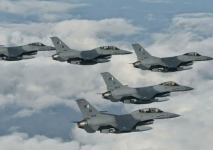
The induction significantly enhanced PAF air-defence and multi-role capabilities during the Soviet-Afghan War period. PAF F-16s later achieved multiple air-to-air victories against Soviet/Afghan aircraft that violated Pakistani airspace.
This event is widely regarded as a landmark in PAF modernisation history.





 KP govt backs out of counterterrorism commitments during talks: Naqvi (9 Viewers)


