DGPR (AIR FORCE)
@DGPR_PAF
Today in History
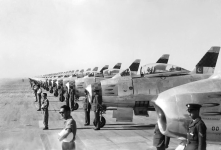
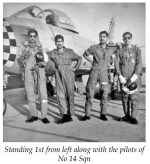
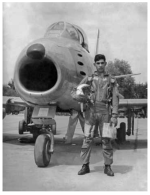
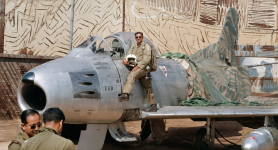
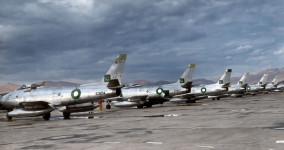
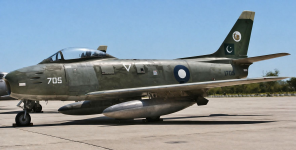
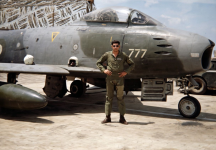
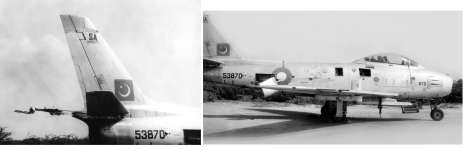
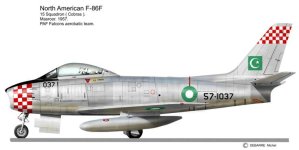
On 13 June 1956, Pakistan Air Force entered a new era with the induction of F-86F Sabre under the US Military Assistance Program. A total of 102 aircraft were delivered, replacing aging platforms such as Hawker Sea Fury and Supermarine Attacker, becoming the backbone of PAF. Renowned for its agility and formidable firepower, F-86F was armed with six .50 caliber machine guns and could carry rockets, bombs and Sidewinder Air-to-Air missiles, significantly enhancing operational capability and shaping modern aerial warfare in the region.
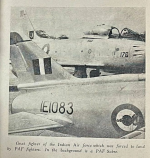
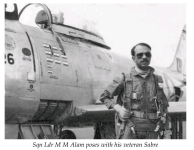
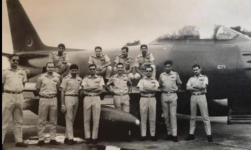
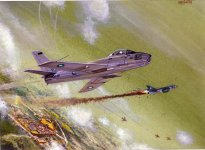
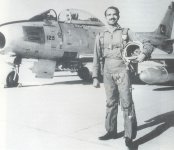
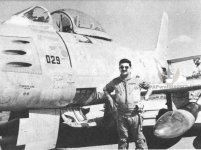
A defining milestone came on 10 April 1959, when Flt Lt M Yunis flying a Sabre achieved PAF’s first aerial kill by intercepting and shooting down an Indian Air Force Canberra, marking a decisive shift in Pakistan’s air defence. The Sabre cemented its legend during the 1965 and 1971 Indo-Pak wars, where it proved decisive in multiple engagements. Most notably, Sqn Ldr M M Alam achieved “Ace in a Day,” downing five Indian Hunters in under a minute—an unmatched feat in aerial combat history.
Retired in 1980, the F-86F Sabre never truly faded — it lives on as a towering symbol of professionalism and excellence etched into the soul of Pakistan's air power history. Today, proudly displayed in museums and memorials across the country, its wings may be still but its legend continues to soar.




 PAF pilot highlights how chinese J10C fighters have left US F16's Obsolete (16 Viewers)


 Makkah Defence Alliance: Turkey, Saudi Arabia, and Pakistan, news & updates (34 Viewers)
 Updated: Second Isar Aerospace Spectrum Flight Set for 21 to 23 January (3 Viewers)