A heavily jeered $250m goldmine - are hydration break ads here to stay?
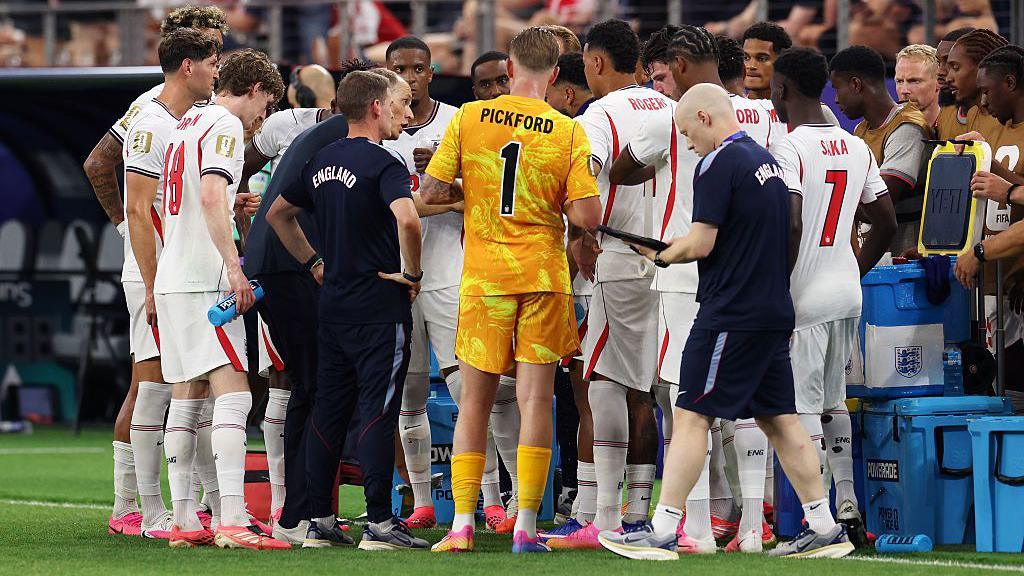
World Cup hydration breaks are being treated as tactical timeouts by teams, and a money-making machine by some broadcasters
Daniel Austin
BBC Sport senior journalist
19 June 2026
Four minutes and 20 seconds per match. Or seven hours, 30 minutes and 40 seconds across the tournament.
That's how much extra TV advertising some football fans around the world are watching during mandatory hydration breaks at the World Cup.
While viewers in the UK watching on BBC and ITV are seeing players refuel and hearing extra tactical insight from pundits, spectators elsewhere are taken away from the football to see companies selling their products.
The ads are allowed to begin 20 seconds after the referee blows the whistle for the three-minute pause midway through each half, and must end 30 seconds before the action starts again.
That works out as a potential eight extra 30-second ad slots per match for each broadcaster in each country - 832 between the start and end of the competition.
Experts have told BBC Sport that an average 30-second World Cup ad slot on Fox Sports costs between $200,000 (£152,000) and $300,000 (£227,000), rising to $750,000 (£567,000) during USA matches and the final stages.
That means advertising during hydration breaks is likely to generate more than $250m (£189m) in the USA alone.
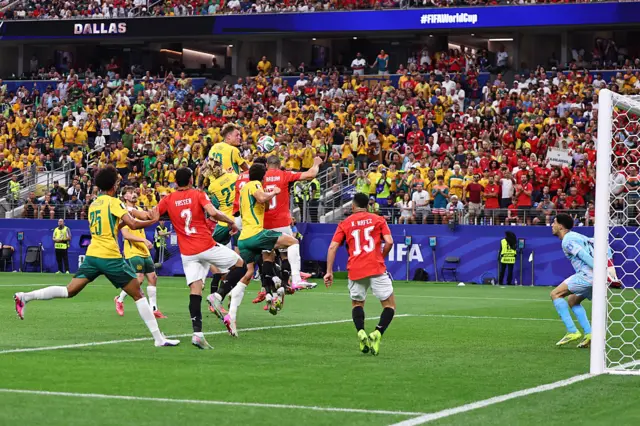
The breaks have disrupted the momentum of matches, brought heavy criticism from managers and players, and drawn loud jeers from supporters at almost every venue.
But, in which countries are the ads being shown, how do they work, and what could it mean for the future of football?


 KP govt backs out of counterterrorism commitments during talks: Naqvi (11 Viewers)


