Navigation
Install the app
How to install the app on iOS
Follow along with the video below to see how to install our site as a web app on your home screen.
Note: This feature may not be available in some browsers.
More options
Style variation
You are using an out of date browser. It may not display this or other websites correctly.
You should upgrade or use an alternative browser.
You should upgrade or use an alternative browser.
Food, Meat and Beverage Processing Industries Updates
- Thread starter ghazi52
- Start date
More options
Who Replied?


ghazi52
THINK TANK: CONSULTANT
- Thread starter
- #47
Pakistan’s TOMCL secures approval for direct export to Carrefour Qatar
First consignment for Carrefour Qatar has been dispatched
BR Web Desk
November 20, 2025
The Organic Meat Company Limited (TOMCL) announced on Thursday that it had secured approval for direct export to Carrefour Qatar.
The listed meat exporter disclosed the development in its notice to the Pakistan Stock Exchange (PSX) on Thursday.
“The Organic Meat Company Limited (TOMCL) has achieved another key milestone in its regional expansion.
“Following its qualification for direct exports to Carrefour UAE, TOMCL has now also secured approval for direct export to Carrefour Qatar, marking the company’s second approved destination within the GCC,” the notice to the bourse said.
This approval comes after TOMCL successfully met Carrefour’s required standards and compliance protocols for systems, food safety, hygiene, and operational controls.
“With this development, TOMCL has strengthened its presence in high-value GCC retail markets and continues to build its standing as a trusted halal meat supplier in the region,” read the notice.
The listed company confirmed that the first consignment for Carrefour Qatar has been dispatched, formally commencing exports under this new approval.
“This progression supports TOMCL’s long-term strategy of increasing export volumes, expanding premium product placements, and enhancing brand visibility across international retail networks.
“TOMCL remains committed to maintaining global quality benchmarks and to contributing positively to Pakistan’s position as a reliable exporter of certified halal meat products.”
Earlier in September, TOMCL secured confirmed export orders worth $7.5 million from China for cooked and heat-treated frozen boneless beef.
ghazi52
THINK TANK: CONSULTANT
- Thread starter
- #48
$200m plan to export meat to Malaysia finalised
PM aide announces halal meat sector will be granted industry status
Our Correspondent
November 29, 2025
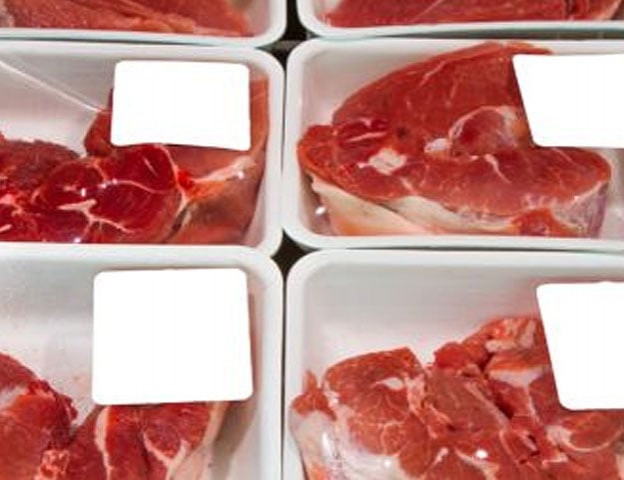
ISLAMABAD: Pakistan on Friday finalised a plan for meat export to Malaysia, setting a target of $200 million. The government has also decided to grant industry status to the halal meat sector to increase exports and strengthen Pakistan's economy.
Under the plan, the target of $200 million in meat exports to Malaysia has been set for the next three to five years. Currently, Pakistan exports buffalo meat worth $38,000 to Malaysia.
A high-level meeting of a relevant committee was held to finalise a comprehensive meat export plan in line with the vision of Prime Minister Shehbaz Sharif. It was jointly chaired by Special Assistant to the Prime Minister Haroon Akhtar Khan, Federal Minister for National Food Security Rana Tanveer Hussain and Federal Minister for Commerce Jam Kamal Khan.
At the sitting, the final business plan was presented for meat exports to Malaysia, marking a major step towards expanding Pakistan's footprint in the international halal meat market.
Haroon Akhtar commended the collaborative efforts of all ministries and stakeholders to prepare the export business model. He stated, "An efficient business framework for meat exports has been developed. All members of the committee and ministries have done an outstanding job."
Jam Kamal highlighted the joint contribution of all stakeholders, noting, "This package is the result of collective efforts and consensus among all concerned sectors."
ghazi52
THINK TANK: CONSULTANT
- Thread starter
- #49
NLC begins beef exports to China, Central Asia via Khunjerab Pass
By Tahir Ali | Gwadar ProDec 9, 2025
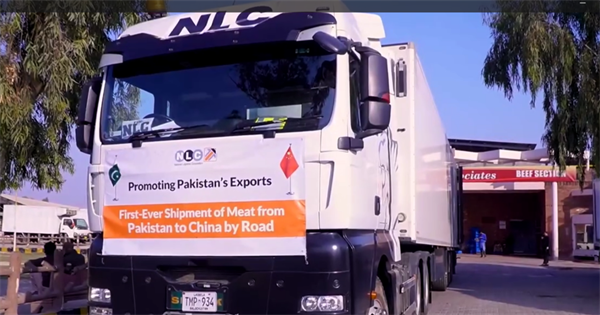
First-ever Shipment of Meat for Pakistan to China by Road. [ Photo/NLC]
ISLAMABAD: Pakistan’s National Logistics Corporation (NLC) has begun transporting beef to China, Central Asia and other regional markets through the Khunjerab Pass in a move aimed at boosting the country’s meat exports and expanding its footprint in high-value destinations, the logistics body said.
In a statement issued early Tuesday, NLC said its Logistics Hub in Kashgar has become “a highly efficient and vital facility” that offers an optimized supply chain for meat exports to China and Central Asian states via the Khunjerab Corridor.
According to NLC, its modern refrigerated fleet maintains strict temperature standards to protect product quality throughout the journey. “The most modern reefer fleet of NLC ensures stringent temperature control and product integrity throughout the supply chain,” the statement said.
The corporation said its transit management capacity now allows consignments from multiple Pakistani cities to reach China in less than seven days. “Through its operational efficiency and expertise in transit management, NLC is delivering the consignments from different cities of Pakistan to China in under one week,” it added.
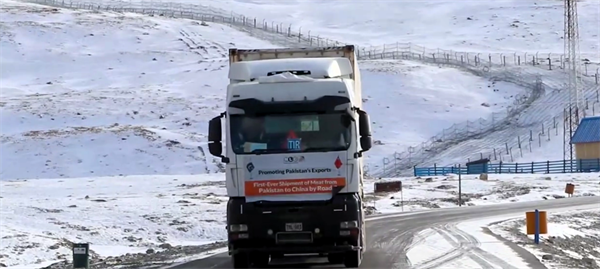
The shipment of meat passing via Khunjerab Pass. [Photo/NLC]
Each temperature-controlled unit can carry up to 26 tonnes of premium meat, the corporation said, creating new commercial avenues for farmers and processors. “Each reefer unit is capable of transporting 26 tonnes of premium-grade meat that will create substantial opportunities for Pakistan’s agricultural economy,” the statement said.
NLC said the cold-chain initiative is expected to enhance foreign exchange earnings and support the expansion of meat processing infrastructure nationwide. It added the project will “generate significant value for farmers, meat processing units, support the expansion of meat processing facilities and contribute meaningfully to the country’s foreign exchange earnings.”
ghazi52
THINK TANK: CONSULTANT
- Thread starter
- #50
Tajikistan plans to import 100,000 tons of Pakistani meat worth over $50mn
- Federal Minister for National Food Security and Research, Rana Tanveer Hussain holds productive bilateral meeting with the Ambassador of Tajikistan to Pakistan, H.E. Yusuf Sharifzoda
December 10, 2025
Tajikistan has conveyed its intention to buy 100,000 tons of meat from Pakistan, a potential import order exceeding $50 million and signaling growing trade cooperation between the two countries.
This was conveyed during a meeting between Federal Minister for National Food Security and Research, Rana Tanveer Hussain, and Ambassador of Tajikistan to Pakistan, H.E. Yusuf Sharifzoda, in Islamabad today, the information ministry said in a press release.
During the meeting, Ambassador Sharifzoda expressed Tajikistan’s strong interest in expanding agricultural imports from Pakistan, with a particular focus on meat products, according to the statement.
Both sides agreed that a formal agreement for the commencement of large-scale meat exports will be signed soon. Rana assured full facilitation in fulfilling Tajikistan’s requirements and reiterated Pakistan’s readiness to support Tajikistan’s food and livestock needs.
The two sides also reviewed the current trade scenario, noting that Pakistan exports rice, citrus, and mango to Tajikistan, though the volume remained below potential.
Despite producing 1.8 million tons of mangoes annually, Pakistan exported only 0.7 metric tons to Tajikistan in 2024.
“Similarly, Pakistan’s rice exports to Tajikistan remain minimal at just 240 metric tons in 2022 compared to its annual production of 9.3 million tons. Pakistan’s major import from Tajikistan is ginned cotton.
Both sides agreed on the need to enhance trade volumes and reduce technical and logistical barriers.”
They also agreed to “pursue a forward-looking roadmap for agricultural cooperation, including expanding trade in fresh fruits, vegetables, meat, and staple crops; strengthening collaboration in research and development; enhancing compliance with international standards; establishing pest-free production zones; and building capacity of relevant stakeholders on phytosanitary and agricultural best practices”.
They also agreed on the importance of exchanging scientific information and promoting innovation to drive sustainable agricultural development, added the press release.
ghazi52
THINK TANK: CONSULTANT
- Thread starter
- #51
PM Shehbaz approves halal meat export policy, orders preparation of strategy to enhance exports
APPDecember 18, 2025
Prime Minister Shehbaz Sharif on Thursday approved the halal meat export policy and directed relevant authorities to present a comprehensive, three-year strategy within two weeks, comprising measures to increase exports.
Pakistan barely has a 0.25 per cent share in the global halal food trade of more than $3 trillion, which reflects the need for the government and private sector to take proactive initiatives to explore the true potential of ‘Made in Pakistan’ products and establish a niche for itself.
The decision was made during a meeting of a committee established to enhance Pakistan’s halal meat export market, focusing on the export policy and sector reforms. PM Shehbaz was presiding over the meeting.
“A comprehensive strategy, formulated through coordination among all relevant federal ministries and provincial governments, is essential and significant to make Pakistan’s share in the halal meat market of Muslim countries as well as the global market,” PM Shehbaz said.
He asked officials to present proposals for improving production, cold storage, and other related aspects of the initiative.
He also directed the relevant authorities to take special measures for increasing halal meat production in livestock in accordance with international standards and for remaining competitive with regional production volumes.
Organised centres, developed through cooperation between relevant federal ministries and provincial governments, were urgently needed to enhance the production and nutritional value of halal meat, the prime minister stressed.
“There is considerable potential to increase Pakistan’s export share in Muslim countries as well as in the global halal meat market,” he said, assuring the industry that the government would provide full support for international certification of slaughterhouses and bilateral registrations with other countries.
ghazi52
THINK TANK: CONSULTANT
- Thread starter
- #52
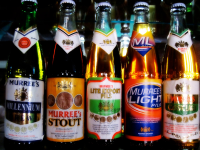
Pakistan’s historic Murree brewery cheers export licence
AFPDecember 25, 2025
This photograph taken on December 17 shows beer cans on a production line at Murree Brewery in Rawalpindi. — AFP
A heady aroma of malt and brewing yeast drifts through Pakistan’s oldest and, by far, largest brewery, which is gearing up for expansion after receiving approval to sell abroad after a nearly 50-year ban.
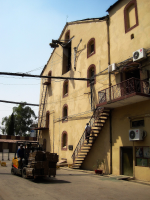
Bottles and cans clatter along the production lines at Murree Brewery, founded in 1860 to quench the thirst of British soldiers and the colonial community during the Raj. It has survived opposition and strict regulations to become one of Pakistan’s most well-known companies.
“It’s a journey of a roller-coaster and resilience,” Isphanyar Bhandara, the third generation of his family to run the business, told AFP in an interview.
“Getting permission to export is another happy milestone,” he added. “My grandfather and late father tried to get the export licence, but couldn’t get it. Just because, you know, we are an Islamic country.”
ghazi52
THINK TANK: CONSULTANT
- Thread starter
- #53
Peculiar profits
Originally housed in the mountains outside Islamabad, Murree’s red-brick facility now sits in Rawalpindi.Revenue surpassed $100 million in the fiscal year to June, with alcohol sales generating just over half of the total and non-alcoholic drinks and bottle making accounting for the rest.
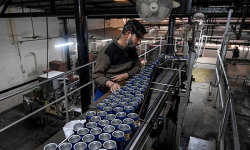
This photograph taken on December 17 shows a worker checking beer cans on a production line at Murree Brewery in Rawalpindi. — AFP
Before the export ban, Murree had sold its products in neighbouring India and Afghanistan, but also in Gulf countries and as far as the United States.
“It sounds very strange or very bizarre today, but we were exporting to Kabul,” Bhandara said.
Murree has already made limited shipments to Japan, Britain and Portugal as it explores distribution channels and strategies.
“Right now, the target is not revenue or to make money… the target is to explore new markets”, Bhandara said.
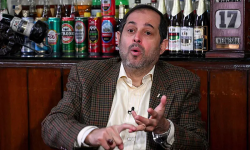
The company, which has around 2,200 employees, is looking in particular at Europe, but is also weighing a move into Asian and African markets. Selling abroad could also give Murree a chance to promote its history and brand in ways unimaginable at home.
“We are not allowed to advertise, so we keep our heads down — we try to make a good beer with our heads down,” Bhandara said.

Ali_Baba
VIP Member

Pakistan’s historic Murree brewery cheers export licence
AFP
December 25, 2025
View attachment 167121
This photograph taken on December 17 shows beer cans on a production line at Murree Brewery in Rawalpindi. — AFP
A heady aroma of malt and brewing yeast drifts through Pakistan’s oldest and, by far, largest brewery, which is gearing up for expansion after receiving approval to sell abroad after a nearly 50-year ban.
Bottles and cans clatter along the production lines at Murree Brewery, founded in 1860 to quench the thirst of British soldiers and the colonial community during the Raj. It has survived opposition and strict regulations to become one of Pakistan’s most well-known companies.
“It’s a journey of a roller-coaster and resilience,” Isphanyar Bhandara, the third generation of his family to run the business, told AFP in an interview.
“Getting permission to export is another happy milestone,” he added. “My grandfather and late father tried to get the export licence, but couldn’t get it. Just because, you know, we are an Islamic country.”
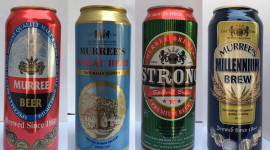
Whenever Youtubers visit Pakistan, they all seem to try Murree Brewery products, and each and virtually everyone says that the products are awful. I am not sure how much they spend on product development, but judging by these reviews, they have alot of work to do. I guess they have gotten fat by virtually being a monopoly in Pakistan to date.
SoulSpokesman
Trusted Member

ghazi52
THINK TANK: CONSULTANT
- Thread starter
- #58
Pakistan’s meat export growth to China gains traction on quality and market access
By Zafar Hussain | Gwadar ProDec 25, 2025
BEIJING — Pakistan’s meat exports to China have shown promising growth in recent years, driven by rising demand for high-quality halal meat and strengthened trade cooperation under improved market-access arrangements.
According to data from the General Administration of Customs of China (GACC), Pakistan exported over $14.32 million worth of meat products during January–November 2025, compared with $4.23 million in the same period last year—an increase of about 239% year on year.
To further promote Pakistani meat exports, Amer Hasan, a meat-sector expert, recommends expanding the roster of GACC-registered exporters, investing in cold-chain logistics, and pursuing joint meat-processing facilities that meet both Chinese food-safety standards and halal certification requirements.
He added that strengthening marketing through digital trade channels and retail partnerships could unlock broader demand across China’s rapidly growing imported-food market.
“With targeted policy support and strategic industry cooperation, Pakistan’s meat sector is poised to capture a growing share of China’s diversified protein import landscape,” he said.
ghazi52
THINK TANK: CONSULTANT
- Thread starter
- #59
Seafood exports surge on improved competitiveness
Fisheries sector rebounds from pandemic-era disruptions
Our Correspondent
January 17, 2026
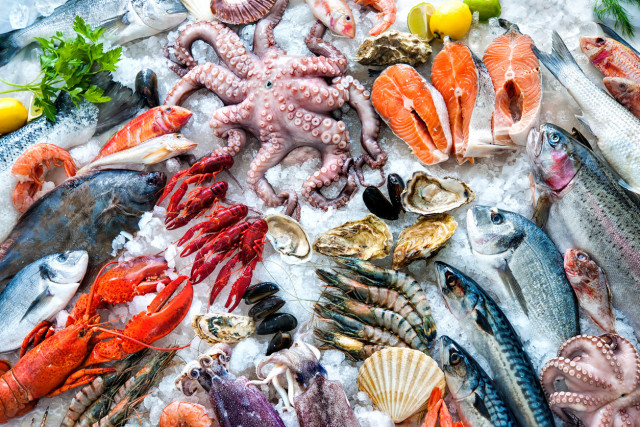
ISLAMABAD: The marine fisheries sector posted a strong growth in the first half of fiscal year 2025-26, with seafood exports rising to 122,629.11 metric tons valued at $253.24 million.
Commenting on the data released by the Marine Fisheries Department, Federal Minister for Maritime Affairs Muhammad Junaid Anwar Chaudhry said on Friday that the performance reflects the growing competitiveness of Pakistan's marine fisheries in global markets, noting sustained export momentum throughout the Jul-Dec 2025 period.
Compared with the corresponding period of FY 2024-25, when exports stood at 102,942.05 metric tons worth $208.25 million, the sector recorded an increase of 19.1% in volume and 21.6% in value.
The federal minister described fisheries as a vital pillar of the national maritime economy, supporting hundreds of thousands of livelihoods among coastal communities along the Arabian Sea, particularly in Sindh and Balochistan.
Historically contributing around 1% to the gross domestic product (GDP), the sector has rebounded from pandemic-era disruptions through expanded processing capacity, improved cold-chain logistics and stricter certification aligned with international standards.
According to the data, frozen fish remained the leading export category, accounting for 26,669.37 metric tons valued at $53.33 million. Shrimps and prawns followed with earnings of $40.46 million, while other products including shrimp and fish meal also contributed to higher export receipts, underscoring diversification and growth in value-added processing.
ghazi52
THINK TANK: CONSULTANT
- Thread starter
- #60
KARACHI: In a significant development for Pakistan’s seafood export sector, the Marine Fisheries Department of the Ministry of Maritime Affairs has successfully secured the registration of 16 Pakistani fisheries exporters with the Russian Federal Service for Veterinary and Phytosanitary Surveillance (ROSSELKHOZNADOR/ FSVPS).
This milestone opens the doors to the vast and lucrative Russian market for Pakistani seafood and fisheries products.
The breakthrough follows the submission of complete dossiers of the 16 exporters to the Russian agency in 2024. Despite prolonged efforts, the process faced delays until a high-level diplomatic push in early 2025 resolved outstanding issues.
This milestone opens the doors to the vast and lucrative Russian market for Pakistani seafood and fisheries products.
The breakthrough follows the submission of complete dossiers of the 16 exporters to the Russian agency in 2024. Despite prolonged efforts, the process faced delays until a high-level diplomatic push in early 2025 resolved outstanding issues.
Users who are viewing this thread
Total: 2 (members: 0, guests: 2)
Pakistan Defence Latest


Country Watch Latest
-

-
-
-
-
 Blackbeard Hypersonic Missile Seen Flying On F/A-18 Super Hornet For The First Time (5 Viewers)
- Latest: F-22Raptor

